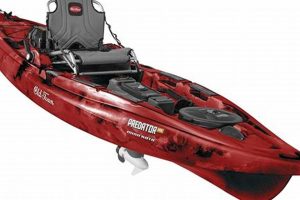
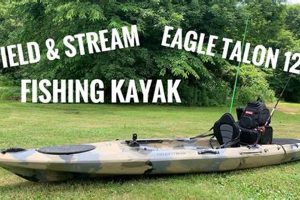
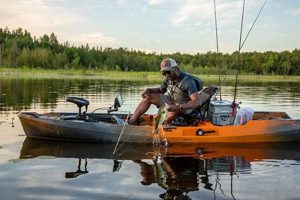
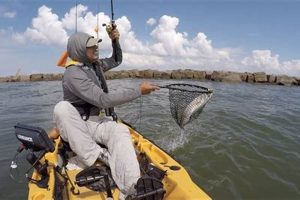
The ideal measurement of a fishing rod designed for use from a kayak depends on several factors, including the targeted species, the fishing techniques employed, and the specific characteristics of the kayak itself. For example, a shorter rod might be preferable in confined spaces or for techniques requiring precise lure control, while a longer rod might be advantageous for casting distance or battling larger fish.
Selecting the appropriate rod size significantly impacts angling success and overall enjoyment on the water. A properly sized rod allows for efficient casting, effective hooksets, and optimal leverage during a fight. Historically, anglers adapted existing rods for kayak fishing; however, the evolution of specialized kayak fishing gear now provides purpose-built rods designed for the unique challenges and opportunities this fishing style presents. This evolution has led to increased angler performance and comfort.
This article will further explore the nuances of selecting the appropriate fishing rod size for various kayak fishing scenarios, discussing the advantages and disadvantages of different lengths, and providing practical guidance for anglers seeking to optimize their equipment.
Tips for Selecting an Appropriate Fishing Rod Size for Kayak Angling
Choosing the correct fishing rod size significantly enhances angling success and overall enjoyment while kayak fishing. Consider these key factors when making a selection:
Tip 1: Consider the Target Species: Larger fish generally necessitate longer, more robust rods capable of handling their strength and weight. Smaller species can be effectively targeted with shorter, lighter rods.
Tip 2: Evaluate Fishing Techniques: Techniques requiring precise lure control, such as vertical jigging or drop-shotting, often benefit from shorter rods. Longer rods are advantageous for techniques requiring longer casts, like surf fishing or trolling.
Tip 3: Factor in Kayak Size and Stability: Smaller, less stable kayaks often necessitate shorter rods to maintain balance and control. Larger, more stable kayaks allow for greater flexibility in rod length.
Tip 4: Account for Storage and Transportation: Rod length should be considered in relation to kayak storage space and transportation methods. Two-piece or multi-piece rods offer convenient storage and transport options.
Tip 5: Prioritize Comfort and Ergonomics: Rod weight and balance significantly impact angler comfort, especially during extended fishing trips. Consider the overall weight and balance of the rod in relation to personal preference and physical capabilities.
Tip 6: Choose the Right Rod Power and Action: Rod power refers to the rod’s lifting strength, while action describes the rod’s bending curve. Matching rod power and action to the target species and fishing technique is crucial for optimal performance.
Tip 7: Test Before Purchasing (If Possible): If possible, test different rod lengths and actions before making a purchase to ensure a comfortable and effective fit.
By carefully considering these factors, anglers can select a rod that enhances their kayak fishing experience, improves their chances of success, and maximizes their enjoyment on the water.
Following these guidelines allows anglers to confidently choose appropriate equipment and fully enjoy the dynamic experience of kayak fishing.
1. Target Species

The target species significantly influences appropriate fishing rod length for kayak angling. Matching rod length to the species’ size and fighting characteristics optimizes angler performance and increases the likelihood of a successful catch. Selecting an appropriate length enhances control, casting accuracy, and the ability to effectively manage the fish during the retrieval process.
- Small Fish (e.g., Panfish, Trout):
Shorter rods, typically between 5 and 7 feet, are ideal for targeting smaller species. These rods offer precise lure control and sensitivity, allowing anglers to detect subtle bites and react quickly. Their shorter length is also advantageous in the confined space of a kayak, facilitating maneuverability and casting accuracy in tight quarters. Examples include targeting panfish in densely vegetated areas or trout in small streams.
- Medium-Sized Fish (e.g., Bass, Walleye):
Medium-sized species often require rods between 6.5 and 7.5 feet. These rods offer a balance of casting distance, accuracy, and lifting power, allowing anglers to target fish in a variety of environments. Examples include casting crankbaits for bass or jigging for walleye in open water.
- Large Fish (e.g., Pike, Muskie):
Targeting larger, more powerful fish necessitates longer, heavier rods, typically between 7.5 and 9 feet. These rods provide the necessary leverage and backbone to handle strong runs and powerful headshakes. Their increased length also assists in casting larger lures and battling fish in challenging conditions, such as heavy cover or strong currents. For example, a longer rod provides greater control when extracting a large pike from thick weeds.
- Inshore Saltwater Species (e.g., Redfish, Snook):
Inshore saltwater fishing from a kayak often calls for rods in the 7 to 8-foot range. These rods offer a balance of casting distance and power, enabling anglers to handle larger saltwater species while maintaining control in the dynamic coastal environment. For example, a 7.5-foot rod allows for long casts when targeting redfish in shallow flats while providing sufficient strength to manage their powerful runs.
The interplay between target species and rod length highlights the importance of selecting appropriate gear for a successful kayak fishing experience. Optimizing rod length based on the intended catch enhances angler performance, maximizes control, and increases the chances of landing the desired species. Choosing the wrong length can hinder casting accuracy, reduce fighting effectiveness, and ultimately diminish the overall fishing experience.
2. Kayak Dimensions

Kayak dimensions significantly influence appropriate fishing rod length. Width, length, and cockpit design all contribute to the practical limitations and ideal rod length for a given kayak. A narrow, shorter kayak with a confined cockpit necessitates shorter rods for maneuverability and casting clearance. Conversely, a wider, longer kayak with an open cockpit allows for longer rods, enhancing casting distance and leverage when battling larger fish. For example, a compact recreational kayak might require a rod under 7 feet for comfortable use, whereas a larger fishing kayak can accommodate rods exceeding 7.5 feet without hindering movement or casting efficiency.
Kayak stability also plays a crucial role in determining appropriate rod length. Less stable kayaks, such as shorter, narrower recreational models, require shorter rods to maintain balance, particularly during casting and fighting fish. Longer rods can exacerbate instability, increasing the risk of capsizing. More stable platforms, such as wider, longer sit-on-top kayaks or those designed specifically for fishing, permit the use of longer rods, offering increased casting distance and leverage. Consider, for instance, a kayak angler targeting largemouth bass in open water. A stable kayak platform allows for the use of a longer rod, enabling longer casts and improved hooksets. Conversely, fishing for trout in a narrow stream from a less stable kayak might necessitate a shorter rod to maintain balance and control.
Understanding the relationship between kayak dimensions and fishing rod length is crucial for optimizing angler performance and safety. Selecting an appropriate rod length based on kayak dimensions enhances maneuverability, casting accuracy, and overall fishing experience. Ignoring these considerations can lead to reduced efficiency, compromised stability, and potential safety hazards. Choosing a rod length suited to the specific kayak dimensions ensures a balanced and effective fishing setup, allowing anglers to focus on the task at hand and maximize their enjoyment on the water.
3. Fishing Techniques
Fishing techniques employed from a kayak directly influence the most effective rod length. Specific techniques benefit from different rod lengths due to the unique demands placed on casting, lure retrieval, and fish fighting. Casting accuracy, lure action, and hook-setting power are all affected by rod length, and aligning these factors with the chosen technique maximizes angling success. For example, trolling typically benefits from longer rods (7-8 feet) to spread lines wider and cover more water, while vertical jigging requires shorter rods (5-7 feet) for precise lure control and sensitivity in the water column. Similarly, casting topwater lures often necessitates shorter rods for enhanced twitching and popping action, whereas fishing deep-diving crankbaits may benefit from longer rods to reach greater depths and handle the increased resistance of the lure.
Specific techniques necessitate particular rod actions and powers, which are often correlated with rod length. Shorter rods tend to have faster actions, ideal for techniques requiring quick hooksets, like flipping or pitching into tight cover. Longer rods often exhibit slower actions, better suited for techniques requiring a more gradual load, such as fighting larger fish in open water. Understanding these relationships allows anglers to select a rod length that complements their chosen techniques, maximizing their effectiveness and overall fishing experience. For instance, a short, fast-action rod is well-suited for skipping jigs under docks, while a longer, slower-action rod is advantageous for presenting live bait for catfish in deeper channels.
Selecting the appropriate rod length based on fishing techniques is crucial for successful kayak angling. This choice directly impacts casting accuracy, lure presentation, and fish-fighting ability. Failing to consider technique-specific needs can lead to missed opportunities, reduced efficiency, and an overall less rewarding experience. By analyzing the specific demands of their chosen techniques, kayak anglers can select rod lengths that optimize performance and maximize their chances of success on the water. This informed decision-making process enhances overall angling proficiency and fosters a deeper understanding of the dynamic relationship between equipment and technique in kayak fishing.
4. Storage Considerations

Storage considerations are paramount when selecting a fishing rod for kayak angling. Limited space within a kayak necessitates careful evaluation of rod length and storage solutions. Proper storage ensures equipment protection, maintains organization, and maximizes available space for a safe and efficient fishing experience. Rod length directly impacts storage options and ease of transport to and from the water.
- Kayak Size and Design:
Kayak dimensions dictate available storage space. Shorter kayaks or those with limited storage compartments necessitate shorter rods or collapsible multi-piece rods. Longer kayaks with dedicated rod holders or larger storage areas offer more flexibility in rod length. For example, a compact sit-inside kayak may only accommodate a 6.5-foot two-piece rod, whereas a larger sit-on-top fishing kayak with built-in rod holders can easily store multiple 7-foot or longer one-piece rods.
- Transportation Methods:
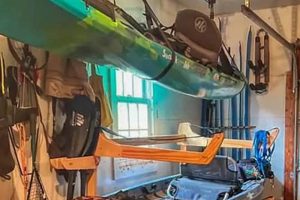
Transporting kayaks, especially longer models, often requires specialized racks or trailers. Rod length must be considered in relation to these transport methods. Longer rods may require additional securing or specialized carriers to prevent damage during transit. For instance, transporting a kayak on a roof rack might necessitate removing longer rods or using rod sleeves for protection. Conversely, transporting a kayak in a truck bed allows for more flexibility with rod length.
- Rod Storage Solutions:
Various rod storage solutions exist for kayaks, including built-in rod holders, aftermarket rod racks, and rod sleeves. Selecting appropriate storage solutions depends on rod length, kayak design, and angler preference. For example, shorter rods can be easily stored in flush-mounted rod holders, while longer rods might require adjustable or elevated rod holders to prevent interference with paddling. Rod sleeves offer additional protection during transport and storage.
- Multi-Piece Rods:
Multi-piece rods offer a practical solution for kayak anglers facing storage limitations. These rods break down into smaller sections for easy transport and storage, without compromising performance. While a 7-foot one-piece rod might be cumbersome to store and transport in a smaller kayak, a comparable 7-foot four-piece rod offers significantly greater convenience. Multi-piece rods often provide equivalent performance to one-piece rods and are available in various lengths, actions, and powers to suit diverse fishing styles and target species.
Careful consideration of storage requirements ensures a well-organized and efficient kayak fishing experience. Selecting appropriately sized rods and utilizing effective storage solutions optimizes space, protects equipment, and enhances angler safety and enjoyment on the water. Prioritizing storage logistics streamlines the overall fishing process, allowing anglers to focus on the pursuit of their target species without the hindrance of cluttered or poorly managed equipment.
5. Angler Comfort

Angler comfort is paramount for an enjoyable and productive kayak fishing experience. Appropriate fishing rod length significantly contributes to this comfort, impacting casting ease, fish-fighting control, and overall physical strain. Incorrect rod length can lead to fatigue, discomfort, and reduced fishing effectiveness. Understanding the relationship between rod length and angler comfort allows for informed equipment choices, optimizing both performance and enjoyment on the water.
- Casting Ergonomics
Rod length directly influences casting ergonomics. A rod that is too long or too short for the angler’s physique and kayak dimensions can lead to awkward casting motions, reduced accuracy, and increased fatigue. Properly sized rods promote fluid casting strokes, minimizing strain on wrists, elbows, and shoulders. For example, a shorter rod may be more comfortable for an angler with limited upper body mobility, while a longer rod might suit an angler with a larger frame. Optimal casting ergonomics contribute to sustained fishing performance and enjoyment throughout the day.
- Fish-Fighting Fatigue
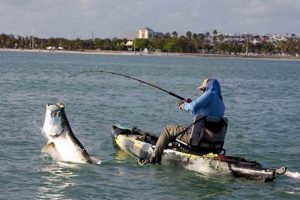
Battling fish from a kayak presents unique challenges. Rod length plays a crucial role in managing leverage and control during a fight. A rod that is too short can make it difficult to control a larger fish, leading to increased physical exertion and potential line breakage. Conversely, a rod that is too long can be cumbersome and difficult to maneuver in the confined space of a kayak. An appropriately sized rod provides the necessary leverage to control the fish while minimizing angler fatigue. For instance, a longer rod is advantageous when fighting powerful fish in open water, providing greater control and reducing strain. A shorter rod may be preferable in tight quarters or when targeting smaller species, allowing for quicker reactions and reduced fatigue during prolonged battles.
- Kayak Balance and Stability
Maintaining balance and stability is crucial in a kayak, and rod length influences this equilibrium. Longer rods can shift the center of gravity, potentially compromising stability, especially during casting or fighting fish. This is particularly relevant in smaller or less stable kayaks. Shorter rods provide greater control and minimize the risk of capsizing, particularly in challenging conditions. For example, using a shorter rod when fishing in windy conditions or strong currents enhances stability and angler safety.
- Overall Physical Strain
The cumulative effect of casting, retrieving, and fighting fish can lead to physical strain, especially during extended fishing trips. Properly sized rods minimize this strain by promoting efficient movement and reducing unnecessary exertion. Consideration of rod weight and balance, in addition to length, further enhances comfort and reduces fatigue. A lighter rod, even if slightly longer, may be less fatiguing than a heavier, shorter rod. For example, choosing a lightweight rod constructed from graphite or composite materials can significantly reduce strain during a full day of fishing.
Prioritizing angler comfort through appropriate rod length selection enhances the overall kayak fishing experience. A comfortable angler is a more effective angler, capable of focusing on the task at hand and enjoying the time spent on the water. By carefully considering the interplay between rod length, kayak dimensions, target species, and fishing techniques, anglers can create a comfortable and efficient fishing setup, maximizing both performance and enjoyment.
Frequently Asked Questions
This section addresses common inquiries regarding appropriate fishing rod length for kayak angling.
Question 1: What is the ideal rod length for kayak fishing?
No single ideal length exists; appropriate length depends on target species, kayak dimensions, fishing techniques, and angler preference. Shorter rods offer greater maneuverability and control in tight spaces, while longer rods provide increased casting distance and leverage.
Question 2: Are shorter rods always better for kayak fishing?
Not necessarily. While shorter rods offer advantages in maneuverability and control, longer rods are preferable for specific techniques like trolling or when targeting larger species requiring increased casting distance and leverage. Balance and stability considerations also influence ideal rod length.
Question 3: Can longer rods be used effectively in a kayak?
Yes, longer rods can be effective in larger, more stable kayaks. They provide advantages for techniques requiring longer casts and offer increased leverage when battling larger fish. However, storage and transportation considerations must be addressed.
Question 4: What are the benefits of using a multi-piece rod in a kayak?
Multi-piece rods offer significant advantages in terms of storage and transportation. Their collapsible design makes them easier to store within a kayak and transport to and from the water, especially for anglers with limited storage space or those who travel frequently.
Question 5: How does rod length affect casting accuracy in a kayak?
Rod length influences casting accuracy by affecting leverage and casting arc. Shorter rods offer greater control and accuracy in tight quarters, while longer rods can generate greater casting distance but may require more practice and refinement of technique within the confines of a kayak.
Question 6: How does rod action relate to rod length selection for kayak fishing?
Rod action, which describes the rod’s bending curve, often correlates with rod length. Shorter rods tend to have faster actions, suitable for quick hooksets, while longer rods often have slower actions, better suited for fighting larger fish. The chosen fishing techniques and target species influence the ideal rod action and, consequently, the appropriate rod length.
Careful consideration of individual needs and fishing style is essential when selecting an appropriate rod length for kayak angling. Balancing various factors ensures optimal performance and enjoyment on the water.
Further sections will explore specific rod recommendations based on common kayak fishing scenarios.
Conclusion
Appropriate fishing rod length is a critical factor influencing success and enjoyment in kayak angling. This article explored the multifaceted relationship between rod length, target species, kayak dimensions, fishing techniques, storage considerations, and angler comfort. Careful consideration of these elements is essential for selecting the optimal rod length, maximizing performance, and enhancing the overall fishing experience. No single ideal length fits all scenarios; informed decisions require a thorough understanding of individual needs and fishing style.
Optimization of equipment, specifically fishing rod length, contributes significantly to successful kayak angling. Anglers are encouraged to evaluate their specific needs and preferences to create a balanced and effective fishing setup. Through informed decision-making and careful equipment selection, anglers can fully realize the potential of kayak fishing and enjoy its unique challenges and rewards.