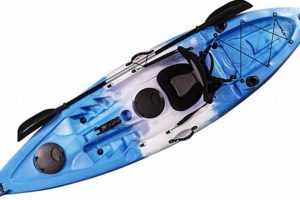
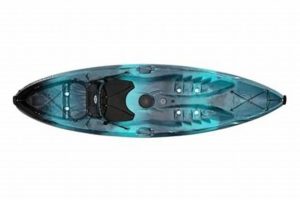
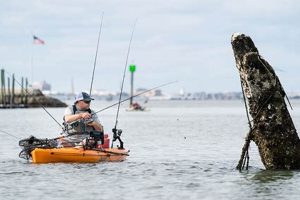
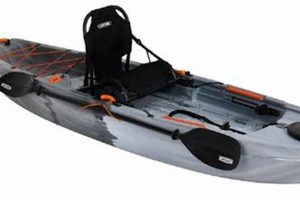
This specific model is a sit-on-top kayak designed for anglers, manufactured by Wilderness Systems. It features a specific hull design and length, indicating its intended use in various water conditions and its capacity for carrying fishing gear and an angler. The “115” likely denotes the approximate length in inches, suggesting a balance between maneuverability and tracking performance.
Sit-on-top kayaks designed for fishing offer several advantages, including stability, ease of entry and exit, and ample onboard storage. These vessels often incorporate specialized features such as rod holders, paddle parks, and gear tracks, enhancing the angling experience. The development of specialized fishing kayaks has significantly expanded the possibilities for recreational and sport fishing, allowing access to previously unreachable waters and providing a stable platform for anglers.
This discussion will further explore the design features, performance characteristics, and target audience of this particular model, providing a detailed analysis for prospective buyers and kayak enthusiasts.
Tips for Utilizing a Fishing Kayak
Proper utilization of a fishing kayak enhances safety and maximizes angling success. These tips offer guidance for leveraging design features and optimizing performance on the water.
Tip 1: Weight Distribution and Balance: Proper weight distribution is crucial for stability. Gear should be evenly distributed throughout the kayak, with heavier items placed low and centrally. This prevents tipping and enhances maneuverability.
Tip 2: Paddle Selection and Technique: Choosing the correct paddle length and employing proper paddling techniques are essential for efficient propulsion and reduced fatigue. A paddle that is too short or too long will negatively impact performance.
Tip 3: Understanding Water Conditions: Before embarking on a fishing trip, assess the water conditions, including wind, currents, and tides. Adjusting paddling strategies and fishing locations based on these factors is crucial for safety and success.
Tip 4: Safety Gear and Practices: Always wear a personal flotation device (PFD) and carry essential safety equipment, including a whistle, signaling device, and first-aid kit. Inform someone of your intended fishing location and estimated return time.
Tip 5: Utilizing Kayak Features: Familiarize oneself with the specific features of the kayak, such as rod holders, anchor trolleys, and storage compartments. Understanding their function maximizes efficiency and organization on the water.
Tip 6: Respecting the Environment: Practice Leave No Trace principles by packing out all trash and avoiding disturbance of wildlife and their habitats. Responsible angling practices contribute to the preservation of natural resources.
Tip 7: Pre-Trip Planning and Preparation: Careful planning before a fishing trip contributes significantly to overall enjoyment and success. Check weather forecasts, plan routes, and prepare necessary gear in advance.
Adhering to these tips ensures a safer and more rewarding kayaking experience, allowing anglers to fully enjoy their time on the water and focus on the pursuit of fish.
By understanding and applying these guidelines, anglers can maximize their time on the water, leading to increased enjoyment and success in their fishing endeavors. This comprehensive guide provides a foundation for safe and effective kayak fishing.
1. Sit-on-top Design
The sit-on-top design is a defining characteristic of the Wilderness Systems Radar 115, significantly influencing its suitability for fishing applications. This design eliminates the enclosed cockpit of traditional kayaks, providing anglers with several key advantages. Enhanced stability, particularly primary stability (resistance to initial tipping), allows for greater freedom of movement while casting, reeling, and landing fish. Self-bailing scupper holes facilitate water drainage, crucial for managing splashes and waves encountered in diverse fishing environments. The open design also simplifies entry and exit, a significant benefit for anglers navigating shallow water or recovering from an accidental capsize.
This design choice directly addresses the specific needs of anglers. Consider a scenario where an angler hooks a large fish. The open deck allows for greater range of motion during the fight, minimizing the risk of capsizing. The self-bailing system ensures the kayak remains afloat and manageable even if water is taken on board during the struggle. Furthermore, the ease of re-entry afforded by the sit-on-top design is a critical safety feature in dynamic fishing environments. In contrast, a traditional sit-inside kayak might restrict movement and present challenges in re-entry after a capsize, particularly in challenging conditions.
The sit-on-top design’s inherent advantages for stability, water management, and accessibility make it a cornerstone of the Radar 115’s effectiveness as a fishing platform. This design choice directly influences angler safety and performance, contributing to a more comfortable and productive fishing experience. It allows for easier maneuvering in tight spaces, quick transitions between paddling and fishing, and a reduced risk of entrapment in the event of a capsize, critical considerations for anglers prioritizing safety and efficiency on the water.
2. Fishing-Specific Features

Dedicated features distinguish fishing kayaks from recreational models. The Wilderness Systems Radar 115 incorporates several such features, enhancing its utility for anglers. Flush-mounted rod holders provide secure storage and quick access during fishing. Adjustable foot braces allow for customized paddling positions, improving comfort and efficiency. Integrated gear tracks offer mounting points for fish finders, GPS units, and other accessories. Storage compartments, including a tank well, accommodate tackle boxes, coolers, and other essential gear. These features contribute directly to angler success by streamlining essential tasks and optimizing the fishing experience. For example, readily accessible rods facilitate quick reactions to fish strikes, while a well-organized storage system prevents clutter and keeps essential gear within reach.
Consider the impact of these features in a real-world scenario. An angler navigating a river system benefits from the Radar 115’s stability and specialized features. Flush-mounted rod holders secure rods while paddling through challenging currents, minimizing the risk of loss or damage. The adjustable foot braces allow the angler to maintain a comfortable and efficient paddling position, crucial for covering long distances. Upon reaching a promising fishing spot, the integrated gear tracks provide a stable platform for mounting a fish finder, aiding in locating fish. The ample storage space accommodates tackle boxes and a cooler, ensuring essential supplies are readily available. Without these integrated features, the angler would face challenges in managing gear, maintaining comfort, and effectively locating fish, potentially diminishing the overall fishing experience.
The incorporation of fishing-specific features highlights the Radar 115’s design focus on angling functionality. These features are not mere additions but integrated components that contribute directly to angler success and comfort on the water. Understanding the practical application of these features empowers anglers to maximize their efficiency and enjoyment on the water. This translates to a more streamlined, organized, and ultimately successful fishing experience, further solidifying the Radar 115’s position as a dedicated fishing platform.
3. Maneuverability and Tracking
Maneuverability and tracking are critical performance characteristics for any kayak, particularly one designed for fishing. The Wilderness Systems Radar 115 seeks to balance these often competing attributes to provide an optimal experience for anglers. Maneuverability refers to the kayak’s responsiveness to paddle input and its ability to turn efficiently. Tracking describes the kayak’s tendency to maintain a straight course with minimal corrective strokes. The hull design plays a significant role in determining these characteristics. A shorter, wider hull generally enhances maneuverability, allowing for quick turns and adjustments in tight spaces, crucial for navigating complex shorelines, narrow creeks, or areas with submerged obstacles. A longer, narrower hull typically improves tracking, enabling efficient paddling over longer distances in open water. The Radar 115’s design seeks to find a balance between these characteristics to suit diverse fishing environments.
Consider an angler targeting fish near a heavily vegetated shoreline. High maneuverability is essential for navigating the intricate channels and avoiding snags. The ability to quickly change direction allows the angler to position the kayak effectively for casting and retrieving lures. Conversely, an angler trolling in open water benefits from superior tracking. A kayak that maintains a straight course with minimal paddling effort allows the angler to focus on fishing rather than constantly correcting course deviations. The Radar 115’s design considerations attempt to bridge these differing needs, providing sufficient maneuverability for close-quarters fishing while maintaining reasonable tracking performance for open-water applications. This balance allows anglers to effectively fish in a variety of environments without compromising performance.
The interplay between maneuverability and tracking directly influences an angler’s efficiency and success on the water. A kayak that is difficult to maneuver can hinder access to prime fishing locations, while poor tracking can lead to wasted energy and frustration. The Radar 115’s design represents a compromise aimed at providing a versatile platform suitable for diverse fishing scenarios. Understanding the relationship between hull design, maneuverability, and tracking informs angler choices and allows for a more informed evaluation of kayak performance. This knowledge empowers anglers to select a kayak best suited to their specific fishing style and target environments.
4. Stability and Capacity
Stability and capacity are fundamental considerations for fishing kayaks, directly impacting angler safety, comfort, and the ability to carry necessary gear. The Wilderness Systems Radar 115 addresses these aspects through its design and construction, aiming to provide a platform suitable for diverse fishing environments and angler preferences. Examining these factors provides valuable insights into the kayak’s overall performance and suitability for specific fishing applications.
- Primary Stability:
Primary stability refers to a kayak’s resistance to initial tipping. The Radar 115, being a sit-on-top design, typically offers excellent primary stability. This characteristic is crucial for anglers as it allows for comfortable casting, reeling, and landing fish without feeling precarious. A stable platform also facilitates tasks like changing lures or adjusting tackle. For example, an angler standing to sight-cast in shallow water benefits significantly from high primary stability, which reduces the likelihood of capsizing.
- Secondary Stability:
Secondary stability describes a kayak’s ability to resist capsizing when leaned beyond the initial point of stability. While sit-on-top kayaks generally prioritize primary stability, secondary stability remains a critical factor. The Radar 115s hull design contributes to its secondary stability, providing a degree of reassurance in rougher conditions or when leaning over the side. For instance, reaching for a dropped paddle or netting a fish near the water’s surface requires a degree of lean, and adequate secondary stability prevents capsize in such situations.
- Weight Capacity:
Weight capacity dictates the maximum combined weight of the angler, gear, and any additional cargo the kayak can safely carry. The Radar 115 possesses a specified weight capacity, which anglers should adhere to for optimal performance and safety. Exceeding the weight capacity can compromise stability and make the kayak more difficult to maneuver. Understanding the weight capacity allows anglers to determine if the kayak is suitable for their specific needs, including carrying fishing gear, coolers, and other essentials. A higher weight capacity accommodates larger anglers or those who carry substantial amounts of equipment.
- Storage Capacity:
Storage capacity encompasses the volume and configuration of storage compartments within the kayak. The Radar 115 typically includes designated storage areas, such as a rear tank well and hatches. These compartments accommodate tackle boxes, coolers, dry bags, and other essential gear. Adequate storage capacity is crucial for keeping gear organized, accessible, and protected from the elements. For example, a dedicated compartment for a tackle box keeps lures and tools readily available, while a spacious tank well secures larger items like a cooler or crate. Efficient storage contributes to a more streamlined and enjoyable fishing experience.
The interplay of stability and capacity directly influences the Radar 115s performance as a fishing platform. A stable and spacious kayak enhances angler comfort and confidence, allowing for greater focus on fishing. Understanding these factors empowers anglers to make informed decisions about gear selection and ensures a safe and productive experience on the water. By carefully considering these elements, anglers can optimize their fishing setup and maximize their time on the water, transforming the Radar 115 into a personalized and effective fishing machine. The balance struck between stability and capacity makes this kayak suitable for various fishing styles and environments, contributing to its versatility and appeal to a broad range of anglers.
5. Hull Material and Construction
Hull material and construction significantly influence a kayak’s performance, durability, and overall suitability for specific applications. The Wilderness Systems Radar 115 utilizes specific materials and construction techniques to achieve a balance of performance characteristics relevant to fishing. Understanding these aspects provides valuable insights for prospective buyers and current owners.
- Material Selection:
The Radar 115 typically employs high-density polyethylene (HDPE) for its hull construction. HDPE offers a favorable balance of durability, impact resistance, and affordability. This material can withstand the rigors of typical fishing environments, including impacts from rocks, logs, and other submerged obstacles. Its resistance to UV degradation contributes to the kayak’s longevity, even with extended exposure to sunlight. While other materials, such as rotomolded polyethylene or composites, offer varying performance advantages, HDPE remains a practical choice for fishing kayaks due to its robust nature and cost-effectiveness.
- Construction Techniques:
Rotomolding is the prevalent construction method for HDPE kayaks like the Radar 115. This process involves melting powdered plastic within a rotating mold, creating a seamless, one-piece hull. Rotomolding yields a highly durable and uniform hull thickness, contributing to the kayak’s overall strength and impact resistance. This construction technique minimizes weak points or seams that could be susceptible to leaks or failure under stress. The resulting robust hull structure enhances the kayak’s ability to withstand the demands of fishing environments, ensuring longevity and reliable performance.
- Hull Design and Features:
The Radar 115’s hull design incorporates features that contribute to its fishing-specific performance. These may include a defined keel line for improved tracking, chines for enhanced stability, and a flared bow for deflecting waves and spray. The hull’s shape and features directly influence its maneuverability, stability, and handling in various water conditions. These design elements work in concert with the chosen material and construction method to create a kayak optimized for fishing applications. For example, the hull’s shape and the material’s inherent buoyancy contribute to the kayak’s overall stability, allowing anglers to confidently cast and retrieve even in challenging conditions.
- Durability and Maintenance:
HDPE’s inherent durability contributes to the Radar 115’s longevity. While resistant to impacts and UV degradation, routine maintenance, such as cleaning and proper storage, further extends its lifespan. Minor scratches or abrasions can typically be repaired with readily available polyethylene repair kits. This ease of maintenance and the material’s robust nature contribute to the kayak’s overall value and long-term performance. The combination of durable materials and sound construction techniques minimizes the need for extensive repairs, allowing anglers to focus on fishing rather than maintenance.
The careful selection of materials and construction techniques directly impacts the Radar 115’s performance, durability, and suitability for fishing. The use of HDPE and rotomolding creates a robust, impact-resistant hull capable of withstanding the rigors of fishing environments. These factors, combined with the kayak’s design features, contribute to its overall value and longevity, ensuring a reliable platform for anglers seeking a durable and efficient fishing kayak. The robust construction also contributes to the kayak’s resale value, further enhancing its long-term appeal to anglers.
6. Target User

The Wilderness Systems Radar 115 fishing kayak is purposefully designed with the specific needs and priorities of anglers in mind. This focus on the target user influences every aspect of the kayak, from its core design features to its specialized accessories. Understanding this angler-centric approach provides crucial context for evaluating the kayak’s overall suitability for fishing applications.
- Stability and Functionality:
Anglers require a stable platform for casting, retrieving, and landing fish. The Radar 115’s sit-on-top design and hull shape prioritize stability, allowing anglers to maintain balance even when making dynamic movements. Integrated features like rod holders, tackle storage, and gear tracks further enhance functionality, providing convenient access to essential equipment. For example, an angler fighting a strong fish can confidently lean and maneuver without fear of capsizing, while readily available rods and tackle streamline the fishing process.
- Maneuverability and Accessibility:
Navigating diverse fishing environments often requires precise maneuvering in tight spaces. The Radar 115’s design balances maneuverability with tracking performance, allowing anglers to navigate shallow waters, weave through obstacles, and position themselves effectively for casting. The sit-on-top design also facilitates easy entry and exit, a significant advantage when launching from shore or wading in shallow water. This ease of movement is crucial for anglers seeking access to secluded fishing spots or requiring quick access to the water.
- Comfort and Endurance:
Fishing trips can extend for hours, requiring a comfortable and supportive seating arrangement. The Radar 115 typically features an adjustable seat designed for prolonged use, minimizing fatigue and maximizing comfort during extended fishing sessions. Features like adjustable foot braces further enhance comfort and control, allowing anglers to maintain an optimal paddling position. This focus on comfort translates to increased endurance on the water, enabling anglers to fish longer and cover more ground.
- Durability and Capacity:
Fishing kayaks often endure harsh conditions and transport substantial gear. The Radar 115’s robust construction and ample storage capacity address these demands. The durable hull material withstands impacts and abrasions from rocks, logs, and other obstacles encountered in fishing environments. The kayak’s weight capacity and storage compartments accommodate fishing gear, coolers, and other essentials, ensuring anglers can carry everything they need for a successful trip. This durability and capacity are essential for anglers who frequently fish in challenging conditions or require substantial gear for extended expeditions.
The convergence of these angler-centric features underscores the Radar 115’s purpose as a dedicated fishing platform. By prioritizing stability, functionality, maneuverability, comfort, and durability, the kayak directly addresses the specific needs and challenges faced by anglers. This focus on the target user differentiates the Radar 115 from recreational kayaks and solidifies its position as a valuable tool for anglers seeking to maximize their time and success on the water. The thoughtful integration of these features demonstrates a deep understanding of the angler’s experience, contributing to a more efficient, comfortable, and ultimately, more rewarding fishing experience.
7. Wilderness Systems Brand
Understanding the Wilderness Systems brand provides crucial context for evaluating the wilderness systems radar 115 fishing kayak. The brand’s reputation, design philosophy, and manufacturing standards directly influence the kayak’s perceived value, performance expectations, and overall position within the market. Examining the brand’s core attributes illuminates the connection between the manufacturer and the specific product.
- Reputation and History:
Wilderness Systems has a long-standing presence in the kayak industry, establishing a reputation for producing high-quality kayaks designed for various paddling disciplines. This history of innovation and commitment to quality influences consumer perception of the Radar 115. Potential buyers often associate the brand’s established reputation with reliability, durability, and performance. This pre-existing brand recognition can significantly impact purchasing decisions, as consumers often gravitate towards brands they perceive as trustworthy and dependable. The brand’s historical trajectory provides a framework for understanding the design and development of the Radar 115, placing it within a lineage of kayak innovation.
- Design Philosophy and Innovation:
Wilderness Systems emphasizes design innovation and performance-driven features in its kayaks. This design philosophy manifests in the Radar 115 through features like the Phase 3 AirPro seating system, optimized hull design for fishing applications, and integrated accessory mounting options. The brand’s commitment to incorporating user feedback and pushing the boundaries of kayak design influences the Radar 115’s features and overall performance characteristics. This focus on innovation positions the Radar 115 as a cutting-edge fishing platform, appealing to anglers seeking advanced features and performance benefits.
- Manufacturing Standards and Quality Control:
Wilderness Systems maintains specific manufacturing standards and quality control processes to ensure its kayaks meet performance and durability expectations. These standards encompass material selection, construction techniques, and rigorous testing procedures. The Radar 115 benefits from these established processes, resulting in a kayak built to withstand the demands of fishing environments. This commitment to quality control reinforces the brand’s reputation for reliability and provides consumers with confidence in the kayak’s long-term performance. Stringent quality control measures minimize the likelihood of manufacturing defects, contributing to customer satisfaction and reducing warranty claims.
- Target Audience and Market Positioning:
Wilderness Systems targets a diverse range of paddlers, including recreational users, touring enthusiasts, and anglers. The Radar 115 specifically targets the fishing market segment, offering specialized features and design elements that cater to anglers’ needs. Understanding the brand’s target audience and market positioning clarifies the Radar 115’s intended use and its position within the broader kayak market. This targeted approach allows for specialized design choices that optimize the kayak’s performance for specific fishing applications, differentiating it from more general-purpose recreational kayaks. The brand’s focus on the fishing segment reinforces the Radar 115’s credibility as a dedicated fishing platform.
The wilderness systems radar 115 fishing kayak exemplifies the Wilderness Systems brand’s commitment to innovation, quality, and user-focused design. The kayak’s features, performance characteristics, and target audience align with the brand’s overall philosophy and market positioning. By understanding the connection between the brand and the product, consumers gain valuable insights into the Radar 115’s design rationale, intended use, and expected performance. This understanding empowers informed purchasing decisions and enhances appreciation for the kayak’s design and functionality within the context of the broader kayak market. The Radar 115 serves as a tangible representation of the Wilderness Systems brand’s values and its dedication to providing high-quality paddling experiences for diverse user groups.
Frequently Asked Questions
This section addresses common inquiries regarding the Wilderness Systems Radar 115 fishing kayak, providing concise and informative responses to assist potential buyers and current owners.
Question 1: What differentiates the Radar 115 from other fishing kayaks on the market?
The Radar 115 distinguishes itself through a combination of features, including its sit-on-top design, specialized fishing features like rod holders and gear tracks, focus on stability, and the reputation of Wilderness Systems for quality construction. Its specific hull design seeks to balance maneuverability and tracking performance, catering to diverse fishing environments.
Question 2: What is the maximum weight capacity of the Radar 115?
The Radar 115 typically has a weight capacity in the range of 450-500 lbs, accommodating larger anglers and substantial gear loads. However, consulting the manufacturer’s specifications for the most accurate and up-to-date information is recommended.
Question 3: What type of water is the Radar 115 best suited for?
While adaptable to various conditions, the Radar 115 excels in slow-moving rivers, lakes, ponds, and calm coastal waters. Its stability and maneuverability make it well-suited for navigating these environments. Open ocean use, however, might be less suitable due to its size and design.
Question 4: What is the warranty coverage for the Radar 115?
Warranty details can vary, so checking the specific warranty information provided by Wilderness Systems or authorized dealers is essential. Typically, Wilderness Systems offers a limited lifetime warranty on the hull, ensuring against manufacturing defects.
Question 5: Are there any recommended accessories for enhancing the Radar 115’s fishing capabilities?
Numerous accessories can enhance the fishing experience with the Radar 115. Popular options include fish finders, GPS units, anchor trolleys, rod holders, and specialized fishing crates. The choice of accessories depends on individual angler preferences and fishing styles.
Question 6: How does the Radar 115 compare to the Radar 135?
The Radar 135 is longer than the 115, offering increased speed and tracking performance but potentially reduced maneuverability. The 135 might be preferable for larger anglers or those requiring more storage space, while the 115 suits those prioritizing maneuverability in tighter environments.
Addressing these common inquiries provides clarity regarding key features and considerations relevant to the Radar 115. Thorough research and consideration of individual needs are crucial for making informed purchasing decisions.
Further exploration of specific features, performance characteristics, and user reviews can provide a more comprehensive understanding of the Radar 115 and its suitability for specific angling needs.
Conclusion
The Wilderness Systems Radar 115 fishing kayak presents a compelling option for anglers seeking a dedicated fishing platform. Its blend of stability, specialized features, and maneuverability caters to diverse fishing environments and angler preferences. Careful consideration of hull design, construction, and available accessories allows for customization and optimization of the kayak’s performance. Understanding the brand’s reputation for quality and innovation provides valuable context for evaluating the Radar 115’s overall value and suitability for specific fishing applications.
Potential buyers are encouraged to conduct thorough research, considering individual needs and fishing styles. Evaluating the Radar 115 alongside comparable models empowers informed purchasing decisions and contributes to a more satisfying and productive fishing experience. The kayak’s inherent capabilities, combined with thoughtful selection of accessories and a thorough understanding of its features, can transform the Radar 115 into a highly effective and personalized fishing platform, maximizing angler success and enjoyment on the water.