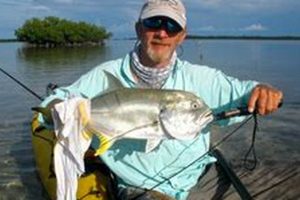
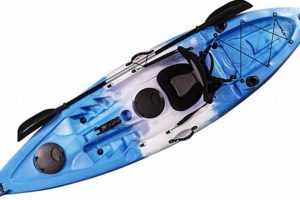
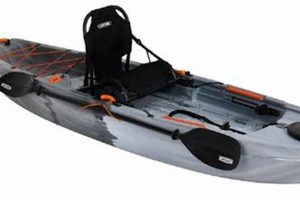
A trailer specifically designed and built to transport fishing kayaks offers tailored solutions for anglers. These specialized trailers can be configured to accommodate the size and shape of one or multiple kayaks, often incorporating features like built-in rod holders, tackle storage, and even launch assist mechanisms. An example would be a compact trailer with adjustable cradles and tie-down points perfectly fitted to securely carry two 12-foot sit-on-top fishing kayaks.
Transporting fishing kayaks can be challenging due to their size and weight. Purpose-built trailers address this challenge by providing secure and convenient transportation, reducing the risk of damage during transit. This ease of transport expands angling opportunities, allowing access to remote or otherwise difficult-to-reach fishing spots. Historically, kayak anglers relied on roof racks or cumbersome homemade solutions, but the increasing popularity of the sport has driven demand for more specialized and efficient transport options.
This article will explore the key considerations involved in selecting, designing, or building a specialized kayak trailer for fishing, covering topics such as weight capacity, materials, customization options, and essential safety features. It will also delve into the advantages of owning such a trailer and offer guidance on choosing the best solution for individual angler needs and preferences.
Tips for Utilizing Specialized Fishing Kayak Trailers
Transporting fishing kayaks efficiently and safely requires careful consideration of trailer design and usage. The following tips offer guidance for maximizing the benefits of a purpose-built fishing kayak trailer.
Tip 1: Match Trailer Capacity to Kayak Weight and Dimensions. Trailer capacity should exceed the combined weight of all kayaks and gear. Ensure the trailer bed and supporting structure are adequately sized for kayak length and width to prevent overhang and maintain stability during transport.
Tip 2: Secure Kayaks Properly. Utilize high-quality tie-down straps and appropriate padding to prevent scratches and abrasions. Straps should be crisscrossed and tightened securely to minimize movement during transit. Consider specialized kayak cradles or saddles for enhanced support and stability.
Tip 3: Distribute Weight Evenly. Balance the load on the trailer to prevent sway and ensure proper tongue weight. Uneven weight distribution can negatively impact towing performance and vehicle handling.
Tip 4: Regularly Inspect and Maintain the Trailer. Check tire pressure, lights, and wheel bearings before each trip. Lubricate moving parts and address any signs of wear or damage promptly to ensure safe and reliable operation.
Tip 5: Practice Safe Towing Procedures. Adhere to posted speed limits and allow extra stopping distance when towing. Be mindful of turning radius and avoid sudden maneuvers. Regularly check mirrors to monitor trailer position and stability.
Tip 6: Consider Launch Assist Features. Rollers, bunks, or slides can significantly simplify launching and retrieving kayaks, especially in challenging environments. These features minimize physical strain and reduce the risk of damage to both kayaks and the trailer.
By adhering to these guidelines, anglers can significantly enhance the safety and efficiency of kayak transport, enabling more enjoyable and productive fishing experiences. Proper trailer selection, maintenance, and usage contribute to preserving kayak integrity and maximizing time spent on the water.
This information provides a foundation for making informed decisions regarding fishing kayak trailers. The subsequent sections will offer further details on specific aspects of trailer design, customization, and selection to meet individual angler requirements.
1. Customized Dimensions

Customized dimensions are paramount in a custom fishing kayak trailer, directly impacting transport safety and efficiency. A trailer tailored to the precise length and width of the kayak minimizes overhang, reducing wind resistance and improving stability during towing. This precision fit also maximizes space utilization, allowing for potential multi-kayak transport or additional gear storage. For instance, a trailer designed for two 14-foot kayaks will differ significantly from one designed for a single 10-foot kayak, reflecting specific length and beam requirements. Ignoring these dimensional requirements could result in unstable towing, potential kayak damage, and even legal issues related to oversized loads.
The benefits of customized dimensions extend beyond simple fit. A well-designed trailer considers not only the kayak’s primary dimensions but also its hull shape and weight distribution. This allows for the strategic placement of supporting bunks or cradles to ensure even weight distribution and minimize stress on the kayak hull during transit. Furthermore, customized dimensions can facilitate the integration of specialized features, such as built-in rod holders or tackle storage compartments, directly onto the trailer frame. Consider a trailer designed for a pedal-driven fishing kayak; customized dimensions allow for secure placement and transport of the drive unit, preventing damage and maximizing space efficiency.
In summary, customized dimensions are integral to a truly custom fishing kayak trailer, affecting not only transport safety and efficiency but also overall functionality and usability. Careful consideration of kayak dimensions, combined with thoughtful design, yields a trailer that optimizes performance, minimizes risk, and enhances the angling experience. This fundamental principle underlies successful trailer design, forming the basis for subsequent customization options and ensuring a seamless integration of form and function.
2. Material Selection

Material selection significantly influences the durability, performance, and longevity of a custom fishing kayak trailer. Choosing appropriate materials is crucial for balancing strength, weight, and corrosion resistance, ensuring the trailer withstands the demands of frequent use and exposure to various environmental conditions. The selection process involves careful consideration of the trailer’s intended use, the weight of the kayaks it will carry, and the prevailing climate.
- Aluminum
Aluminum offers an excellent strength-to-weight ratio, making it a popular choice for kayak trailers. Its inherent corrosion resistance is particularly advantageous in marine environments. Aluminum trailers are generally lighter than steel counterparts, contributing to improved fuel efficiency and easier handling. However, aluminum can be more expensive than steel. An example would be a lightweight aluminum frame paired with galvanized steel axles and hardware for a balance of strength, corrosion resistance, and cost-effectiveness.
- Galvanized Steel
Galvanized steel provides high strength and durability at a lower cost compared to aluminum. The galvanization process adds a protective zinc coating, enhancing corrosion resistance. Steel trailers are well-suited for carrying heavier kayaks or multiple kayaks simultaneously. However, they are heavier than aluminum trailers, potentially impacting fuel efficiency. A fully galvanized steel trailer is a robust and cost-effective solution for transporting larger, heavier fishing kayaks, especially in saltwater environments where corrosion is a major concern.
- Composite Materials
Composite materials, such as fiberglass and carbon fiber, offer exceptional strength and corrosion resistance but are typically more expensive than traditional materials. They are often used in high-performance trailers where weight reduction is a priority. A trailer utilizing a composite frame and components could be significantly lighter than a comparable aluminum or steel trailer, offering potential benefits in fuel efficiency and ease of handling. However, the higher cost of composite materials may limit their application in custom fishing kayak trailers.
- Hardware and Fasteners
Stainless steel hardware and fasteners are essential for long-term durability in a marine environment. These components resist corrosion and ensure the structural integrity of the trailer. Using inferior materials for hardware can lead to rust, weakening the trailer and potentially compromising safety. High-quality stainless steel fasteners, including bolts, nuts, and screws, are crucial for securing critical components such as axles, bunks, and tie-down points, ensuring reliable and long-lasting performance in harsh marine environments.
The interplay of these material choices ultimately determines the trailer’s overall performance and lifespan. Selecting appropriate materials tailored to specific needs and environmental conditions is essential for creating a custom fishing kayak trailer that provides reliable service and enhances the angling experience. For example, an angler frequently launching in saltwater might prioritize aluminum or galvanized steel for the frame and stainless steel for all hardware to maximize corrosion resistance, while an angler prioritizing lightweight maneuverability might opt for a combination of aluminum and composite materials. The careful selection of materials directly contributes to the trailer’s long-term durability, performance, and overall value.
3. Storage Solutions

Integrated storage solutions represent a crucial aspect of custom fishing kayak trailer design, directly impacting organization, efficiency, and overall angling experience. Effective storage minimizes clutter, protects valuable equipment, and streamlines access to essential gear. Cause and effect relationships are evident: inadequate storage leads to disorganized transport, potential gear damage, and wasted time on the water. Conversely, well-designed storage promotes efficient packing, safeguards equipment from the elements and minimizes pre-fishing setup, maximizing time spent fishing. Consider an angler transporting multiple rods, tackle boxes, and safety equipment; a trailer lacking dedicated storage necessitates precarious stacking and exposes gear to potential damage. A custom-built trailer, however, can incorporate rod holders, lockable storage compartments, and even specialized mounts for fish finders or batteries, ensuring organized transport and rapid deployment upon arrival.
The importance of storage solutions as a component of a custom fishing kayak trailer is further underscored by considering the practicalities of various fishing scenarios. Kayak anglers often navigate diverse environments, from secluded rivers to open ocean waters. Transporting essential gear safely and efficiently is paramount. A trailer equipped with sealed, waterproof compartments safeguards sensitive electronics and tackle from saltwater spray or unexpected rain. Dedicated rod holders prevent tangling and breakage during transit. Even seemingly minor additions, such as integrated tie-down points or anchor storage, contribute significantly to overall organization and ease of use. Imagine a fly fisherman transporting delicate rods and reels; a custom trailer with specialized rod storage and integrated fly box compartments streamlines the transition from transport to fishing, maximizing valuable time on the water.
In conclusion, integrating effective storage solutions is an essential consideration in custom fishing kayak trailer design. This understanding translates directly into practical benefits, enhancing both transport efficiency and the overall angling experience. Addressing the challenge of gear organization and protection ultimately maximizes time spent fishing, contributing to a more productive and enjoyable outing. This focus on functionality underscores the value of a truly custom approach, where design considerations directly address the specific needs and challenges faced by kayak anglers.
4. Launch Integration

Launch integration represents a critical design element within custom fishing kayak trailers, directly influencing ease of access to the water and overall efficiency. Effective launch integration minimizes physical strain, reduces the risk of kayak damage, and streamlines the transition from transport to fishing. Cause and effect relationships are clearly demonstrable: cumbersome launching procedures increase the likelihood of scratches, dents, and even structural damage to kayaks, while simultaneously consuming valuable fishing time. Conversely, integrated launch mechanisms, such as rollers, slides, or specialized bunks, facilitate smooth, controlled launching and retrieval, preserving kayak integrity and maximizing time on the water. Consider a heavily loaded fishing kayak; attempting to launch or retrieve it without a proper launch system can be physically demanding and potentially hazardous, especially in challenging environments like steep banks or rocky shorelines. A custom-built trailer incorporating a robust launch system, however, mitigates these risks, allowing for effortless deployment and retrieval regardless of terrain.
The importance of launch integration as a component of a custom fishing kayak trailer becomes even more apparent when considering the diverse range of fishing environments and individual angler needs. Kayak anglers frequently access remote locations, often requiring navigation of challenging terrain. An integrated launch system simplifies this process, reducing physical strain and allowing anglers of all abilities to access their chosen fishing spots. Furthermore, specialized launch mechanisms can be tailored to specific kayak types and sizes, optimizing performance and minimizing the risk of damage. For instance, a trailer designed for a larger, heavier sit-on-top kayak might benefit from a robust roller system, while a lighter, more maneuverable fishing kayak might be better suited to a slide-style launch mechanism. These tailored solutions highlight the inherent value of customization, ensuring the trailer aligns perfectly with individual angler requirements and fishing styles.
In summary, seamless launch integration is a defining characteristic of a well-designed custom fishing kayak trailer. This design element directly addresses the practical challenges of kayak deployment and retrieval, contributing significantly to overall efficiency and enjoyment. By minimizing physical strain, reducing the risk of kayak damage, and streamlining the transition from transport to water, integrated launch systems empower anglers to focus on what matters most: fishing. This emphasis on functionality and user experience underscores the broader theme of customization, where design choices directly address the unique needs and preferences of individual kayak anglers, enhancing not only performance but also the overall angling experience.
5. Safety Features
Safety features are paramount in the design and construction of a custom fishing kayak trailer, directly impacting the security of the kayaks during transport and the overall safety of other road users. These features represent a crucial investment in preventing accidents, protecting valuable equipment, and ensuring compliance with legal requirements. Cause and effect relationships are readily apparent: inadequate safety features increase the risk of kayak detachment, trailer instability, and potential collisions, resulting in property damage, injury, or even fatalities. Conversely, a robust suite of safety features minimizes these risks, providing peace of mind and contributing to a safer towing experience. Consider a scenario where a trailer lacks proper lighting or secure tie-down points; sudden braking or an unexpected maneuver could lead to kayak detachment, creating a hazardous situation for both the towing vehicle and surrounding traffic. A custom-built trailer incorporating appropriate safety features, however, mitigates these risks through secure attachment points, highly visible lighting, and a stable, balanced design.
The critical role of safety features within a custom fishing kayak trailer design is further underscored by the diverse range of towing conditions and potential hazards encountered on the road. Trailers are exposed to varying weather conditions, road surfaces, and traffic patterns. Robust safety features ensure the kayaks remain securely fastened regardless of these external factors. Durable tie-down straps, strategically placed anchor points, and properly functioning lights are essential for maintaining control and visibility in challenging situations. Furthermore, safety features extend beyond the trailer itself, encompassing the towing vehicle and its connection to the trailer. A properly installed hitch, functioning safety chains, and a compatible wiring harness are crucial for maintaining a secure and stable connection between the vehicle and the trailer. For example, a trailer equipped with surge brakes provides an additional layer of safety, automatically engaging the brakes in the event of sudden deceleration, further reducing the risk of sway or detachment.
In conclusion, integrating comprehensive safety features is a non-negotiable aspect of custom fishing kayak trailer design. This principle directly translates into tangible benefits, minimizing risks, protecting valuable equipment, and ensuring the safety of all road users. Addressing potential hazards through thoughtful design and the incorporation of appropriate safety features ultimately provides peace of mind, allowing anglers to focus on their passion with confidence. This emphasis on safety underscores the broader theme of responsible trailer ownership and operation, where prioritizing safety contributes not only to individual well-being but also to the overall safety of the boating and angling community.
Frequently Asked Questions
This section addresses common inquiries regarding custom fishing kayak trailers, providing concise and informative responses to facilitate informed decision-making.
Question 1: What are the primary advantages of a custom-built fishing kayak trailer compared to a generic utility trailer?
Custom trailers offer tailored solutions for specific kayak dimensions and angler needs, maximizing transport efficiency and incorporating specialized features like rod holders, integrated storage, and optimized launch mechanisms. Generic utility trailers often lack these specialized features, potentially compromising kayak security and ease of use.
Question 2: How does one determine the appropriate size and weight capacity for a custom fishing kayak trailer?
Trailer dimensions and weight capacity should accommodate the combined weight and dimensions of all kayaks and gear transported. Exceeding the trailer’s rated capacity compromises safety and stability. Consulting with trailer manufacturers or experienced builders ensures accurate sizing and appropriate material selection.
Question 3: What materials are typically used in the construction of custom fishing kayak trailers, and what are their respective advantages?
Aluminum offers a balance of strength, light weight, and corrosion resistance. Galvanized steel provides high strength and durability at a lower cost. Composite materials offer exceptional strength and corrosion resistance but come at a premium. Material selection depends on budget, desired weight, and anticipated usage conditions.
Question 4: What are the key safety features to consider when designing or purchasing a custom fishing kayak trailer?
Essential safety features include robust tie-down points, integrated lighting systems, properly sized wheels and tires, and a secure coupler mechanism. Surge brakes offer additional safety during towing. Adhering to all relevant transportation regulations and weight limits is crucial.
Question 5: What are the typical maintenance requirements for a custom fishing kayak trailer?
Regular maintenance includes checking tire pressure, inspecting wheel bearings, lubricating moving parts, and verifying proper light function. Addressing any signs of wear or damage promptly ensures safe and reliable operation. Maintenance frequency depends on usage and environmental conditions.
Question 6: What factors influence the cost of a custom fishing kayak trailer?
Cost is influenced by factors such as materials, size, complexity of design, integrated features, and labor costs. A basic single-kayak trailer will typically cost less than a multi-kayak trailer with specialized features like integrated storage and launch mechanisms.
Understanding these key aspects of custom fishing kayak trailers empowers anglers to make informed decisions based on individual needs and priorities. Careful consideration of these factors contributes to a safe, efficient, and enjoyable kayaking experience.
The subsequent sections will delve into specific design considerations, customization options, and building techniques for those interested in constructing their own custom fishing kayak trailer.
Custom Fishing Kayak Trailer
This exploration of custom fishing kayak trailers has highlighted their significance as specialized transport solutions designed to meet the unique needs of kayak anglers. Key considerations encompassed material selection, dimensional customization, storage integration, launch mechanisms, and essential safety features. Each element contributes to the overall functionality, efficiency, and safety of these trailers, demonstrating the value of a purpose-built approach over generic utility trailers.
Investing in a custom fishing kayak trailer represents an investment in enhanced angling experiences. By prioritizing efficient transport, secure storage, and streamlined launch procedures, anglers can maximize time on the water and minimize the logistical challenges associated with transporting kayaks. The ability to tailor design and features to individual needs and preferences further solidifies the value proposition of custom-built trailers, empowering anglers to pursue their passion with enhanced efficiency and enjoyment. As kayak fishing continues to grow in popularity, the demand for specialized, high-quality transport solutions will likely drive further innovation and refinement within the custom fishing kayak trailer market.