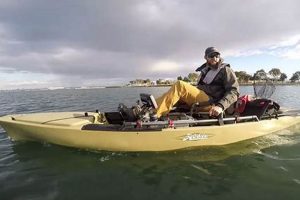
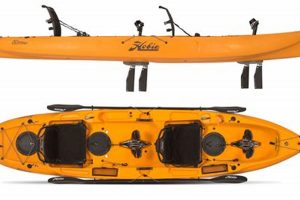
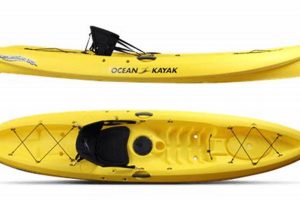
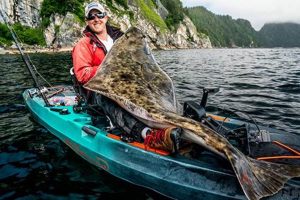
This sit-on-top vessel, manufactured by Wilderness Systems, is a popular choice among anglers. The 160 designation refers to its length, a key factor in its stability and tracking performance. Its design prioritizes features essential for angling, such as rod holders, gear tracks, and ample storage. This model caters to a range of experience levels, from novice to seasoned kayak fishermen.
The blend of stability, speed, and specialized features makes this specific kayak a valuable tool for fishing in diverse environments, from calm lakes to flowing rivers. Its length provides a good balance between maneuverability and straight-line tracking, while the sit-on-top design offers enhanced stability and ease of re-entry. Over time, Wilderness Systems has refined this model to incorporate angler feedback and advancements in kayak design, leading to its enduring popularity.
Further exploration will delve into specific design elements, performance characteristics, user experiences, and comparisons with similar kayaks on the market. This will provide a comprehensive understanding of its strengths and weaknesses and its suitability for different fishing styles and environments.
Tips for Optimizing Kayak Fishing Performance
Effective kayak fishing requires understanding equipment and techniques. These tips offer guidance for enhancing on-the-water experiences and maximizing success.
Tip 1: Weight Distribution: Proper weight distribution is crucial for stability and maneuverability. Gear should be evenly distributed throughout the kayak, with heavier items placed low and centrally. This prevents tipping and improves tracking.
Tip 2: Paddle Selection: Choosing the correct paddle length is essential for efficient paddling. Paddle length should be determined by factors such as torso height and kayak width. An appropriately sized paddle minimizes fatigue and maximizes power transfer.
Tip 3: Anchor Positioning: Strategic anchor placement optimizes fishing locations. Consider wind and current when deploying the anchor to maintain desired position and prevent drifting from target areas.
Tip 4: Safety Gear: Prioritize safety by carrying essential equipment. A personal flotation device (PFD), whistle, and signaling devices are mandatory. A first-aid kit and communication device enhance preparedness for unforeseen circumstances.
Tip 5: Pre-Trip Planning: Research fishing locations and weather conditions before embarking on any trip. Understanding water depth, currents, and potential hazards ensures a safer and more productive outing.
Tip 6: Tackle Management: Organize tackle for easy access. Storing lures, hooks, and lines in designated compartments streamlines retrieval and minimizes time spent searching for equipment.
Tip 7: Respect Wildlife and the Environment: Practice catch-and-release whenever possible and adhere to local fishing regulations. Pack out all trash and minimize environmental impact. Responsible angling ensures the preservation of natural resources.
Implementing these strategies promotes efficient kayak fishing techniques, leading to improved safety and greater success on the water.
By understanding these key principles and implementing them effectively, anglers can enhance their overall fishing experience and maximize their potential for a successful and enjoyable outing.
1. Stability

Stability is a paramount consideration for any fishing kayak, directly impacting angler safety and fishing effectiveness. For the Wilderness Systems Tarpon 160, stability plays a crucial role in its suitability for various fishing environments and techniques. A stable platform enables anglers to cast, reel, and land fish efficiently, even in challenging conditions.
- Hull Design and Stability
The Tarpon 160’s hull design contributes significantly to its stability. The relatively wide beam and flat bottom create a stable platform, reducing the likelihood of tipping, particularly during activities like casting or fighting a fish. The shallow-V hull design balances initial stability with decent tracking performance.
- Center of Gravity and Balance
The kayak’s center of gravity influences stability. The Tarpon 160 is designed with a low center of gravity, which enhances stability. Proper weight distribution within the kayak is crucial for maintaining balance and preventing capsizing. Distributing gear evenly and keeping heavier items low in the hull optimizes stability.
- Stability in Various Water Conditions
The Tarpon 160’s stability translates to effective performance in various water conditions. From calm lakes to moderate chop, the kayak remains stable, providing a secure platform for fishing. While not designed for extreme whitewater, the Tarpon 160 handles moderate currents and waves with reasonable stability.
- Impact on Fishing Activities
Enhanced stability directly improves fishing activities. Standing and casting, particularly in sight-fishing scenarios, is facilitated by the stable platform. The stability also allows anglers to focus on fishing techniques and fish fighting rather than constantly managing balance. This contributes to a more comfortable and productive fishing experience.
The stability of the Wilderness Systems Tarpon 160 is a key feature that contributes to its versatility and popularity. The combination of hull design, low center of gravity, and performance in varying conditions makes it a suitable choice for anglers seeking a stable and reliable fishing platform across diverse environments.
2. Storage Capacity

Storage capacity is a critical factor in kayak fishing, impacting both organization and efficiency on the water. Sufficient storage allows anglers to carry essential gear, including tackle boxes, safety equipment, and personal items, contributing to a more productive and enjoyable fishing experience. The Wilderness Systems Tarpon 160 offers various storage solutions designed to accommodate the needs of kayak anglers.
- Tankwell Storage
The Tarpon 160 features a large rear tankwell, ideal for storing larger items like crates, tackle bags, or even a small cooler. Bungee cords provide securement, ensuring gear remains in place during transport and on the water. This open storage area offers versatility for carrying bulky or oddly shaped items.
- Hatch Storage
The kayak incorporates front and center hatches, providing protected storage for sensitive items. These hatches are ideal for storing electronics, wallets, keys, and other valuables that require protection from water and the elements. The hatches utilize sealing mechanisms to maintain watertight integrity.
- Side Storage and Gear Tracks
Side storage areas and integrated gear tracks provide additional organizational options. Smaller items, such as tools, pliers, or extra fishing line, can be stored within easy reach. Gear tracks allow for customization and the addition of accessories like rod holders, fish finders, or camera mounts. This modularity enhances the kayak’s adaptability to individual angler preferences.
- Storage Capacity and Trip Duration
The Tarpon 160’s storage capacity influences trip duration and range. Anglers can pack sufficient supplies for multi-day excursions or longer trips into remote locations. The ability to carry ample gear expands fishing possibilities and enables self-sufficiency on extended adventures.
The well-designed storage solutions within the Tarpon 160 contribute significantly to its practicality as a fishing platform. The combination of open storage, protected hatches, and customizable gear tracks allows anglers to organize their gear efficiently, enhancing both convenience and overall fishing effectiveness.
3. Fishing Features
The Wilderness Systems Tarpon 160 fishing kayak distinguishes itself through a suite of specialized features designed to enhance angling effectiveness. These integrated features contribute directly to improved fishing experiences, offering convenience, organization, and enhanced functionality on the water. The thoughtful inclusion of these features highlights the kayak’s purpose-built design for angling.
Key fishing features include multiple rod holders, strategically positioned for easy access and diverse fishing techniques. Flush-mounted rod holders allow for trolling or stationary fishing, while adjustable rod holders accommodate various angling styles. Integrated gear tracks offer modularity, enabling anglers to customize their setups with accessories like fish finders, cameras, or additional rod holders. A spacious tankwell provides ample storage for tackle crates and other gear, ensuring essential equipment remains readily available. These features combine to create a well-equipped and efficient fishing platform.
The practical significance of these features becomes evident in real-world fishing scenarios. For example, the readily accessible rod holders enable quick transitions between different fishing techniques, while the ample storage capacity allows anglers to carry a diverse selection of lures and tackle. The stable hull design, coupled with strategically placed footrests, ensures comfort and stability during long fishing sessions. The integration of these features contributes directly to enhanced fishing performance and overall enjoyment on the water. Ultimately, the Tarpon 160’s fishing-specific design elements cater to the needs of anglers, offering a practical and efficient platform for pursuing a variety of fishing styles in diverse environments.
4. Durable Construction

Durability is a critical aspect of the Wilderness Systems Tarpon 160 fishing kayak, directly influencing its lifespan and performance in various environments. A robust construction ensures the kayak can withstand the rigors of regular use, including impacts, abrasion, and exposure to the elements. This resilience translates to long-term value and reliable performance over time. Examining the specific components and construction methods reveals the factors contributing to the Tarpon 160’s durability.
- Hull Material and Construction
The Tarpon 160 typically utilizes rotomolded polyethylene for its hull construction. This material is known for its impact resistance, durability, and resistance to UV degradation. The rotomolding process creates a seamless, one-piece hull, eliminating potential weak points and enhancing overall structural integrity. This robust construction contributes to the kayak’s ability to withstand impacts from rocks, submerged obstacles, and other potential hazards encountered in various aquatic environments.
- UV Resistance and Long-Term Durability
Exposure to sunlight can degrade kayak materials over time, leading to weakening and eventual failure. The Tarpon 160’s polyethylene hull is engineered for UV resistance, minimizing the detrimental effects of prolonged sun exposure. This ensures the kayak maintains its structural integrity and colorfastness over extended periods, maximizing its lifespan and preserving its aesthetic appeal.
- Impact Resistance and Handling Rough Conditions
Kayak fishing often involves navigating shallow water, rocky shorelines, and other potentially hazardous environments. The Tarpon 160’s durable construction enables it to withstand impacts and abrasion, minimizing damage and ensuring continued functionality. This robust design allows anglers to confidently explore diverse environments without excessive concern for damaging the kayak’s hull.
- Hardware and Fittings
Hardware components, such as handles, latches, and deck fittings, contribute to overall durability. The Tarpon 160 utilizes robust hardware designed to resist corrosion and withstand the stresses of regular use. This ensures the kayak’s components remain functional and secure over time, contributing to its long-term reliability.
The durable construction of the Wilderness Systems Tarpon 160 is a key factor in its longevity and suitability for demanding fishing environments. The combination of robust hull materials, UV resistance, and durable hardware ensures reliable performance and extended lifespan, making it a valuable investment for serious anglers.
5. Comfortable Seating

Comfort directly impacts fishing experience, especially during extended trips. An uncomfortable seat leads to fatigue, reduced focus, and a diminished overall experience. The Wilderness Systems Tarpon 160 addresses this crucial aspect with its seating system, designed specifically for long hours on the water. The Phase 3 AirPro seating system, often featured in this kayak model, provides adjustable support and breathability, minimizing discomfort and maximizing fishing time. This adjustable system allows anglers to customize the seat position for optimal comfort and support, accommodating individual preferences and body types. The breathable fabric enhances airflow, reducing heat buildup and moisture accumulation, particularly in warmer climates.
Consider a scenario where an angler spends several hours on the water. With a comfortable and supportive seat, such as the Phase 3 AirPro, they can maintain focus on fishing, react quickly to strikes, and effectively manage fish fighting. Conversely, an uncomfortable seat can lead to distractions, decreased reaction time, and an overall less enjoyable experience. The impact extends beyond mere comfort; it directly affects fishing performance and success. A well-designed seating system contributes to improved posture, reducing back strain and fatigue, which is crucial for maintaining focus and energy throughout the fishing trip. The ability to adjust the seat position further enhances comfort and accommodates different fishing styles, whether sitting or standing to cast.
Comfortable seating is an integral component of the Tarpon 160’s design, contributing significantly to its suitability for extended fishing trips. The Phase 3 AirPro seating system, with its adjustable support and breathable fabric, represents a key feature that distinguishes this kayak. By prioritizing angler comfort, the Tarpon 160 enhances the overall fishing experience, enabling anglers to stay focused, energized, and productive on the water. The practical implications are clear: reduced fatigue, improved performance, and a more enjoyable time on the water, ultimately contributing to a more successful and rewarding fishing experience.
Frequently Asked Questions
This section addresses common inquiries regarding the Wilderness Systems Tarpon 160 fishing kayak, providing concise and informative responses to assist potential buyers and current owners.
Question 1: What is the weight capacity of the Tarpon 160?
The Tarpon 160 typically boasts a weight capacity between 400-450 lbs, accommodating anglers and gear comfortably.
Question 2: Is the Tarpon 160 suitable for ocean fishing?
While designed primarily for lakes and rivers, its stability makes it suitable for calmer coastal waters and bays. Caution is advised in rough ocean conditions.
Question 3: How does the Tarpon 160 perform in windy conditions?
Due to its length and hull design, the Tarpon 160 can be susceptible to wind drift. Use of a rudder or drift anchor is recommended in windy conditions.
Question 4: What is the warranty coverage for the Tarpon 160?
Warranty details vary, but Wilderness Systems typically offers a limited lifetime warranty on the hull and a shorter warranty on other components. Consulting the manufacturer’s website or authorized dealer provides specific warranty information.
Question 5: Are replacement parts readily available for the Tarpon 160?
Replacement parts, such as hatches, seats, and hardware, are generally available through authorized Wilderness Systems dealers or online retailers.
Question 6: What are recommended maintenance practices for the Tarpon 160?
Rinsing the kayak with fresh water after each use, especially in saltwater environments, helps prevent corrosion and prolongs the lifespan of the kayak. Regularly inspecting and lubricating moving parts, such as hatch hinges and rudder cables, ensures optimal performance and prevents premature wear.
Addressing these frequently asked questions aims to provide a comprehensive overview of key aspects of the Tarpon 160, informing purchase decisions and promoting optimal kayak usage and maintenance.
Further sections will delve deeper into specific features, user experiences, and comparative analyses with other kayak models.
Conclusion
This exploration of the Wilderness Systems Tarpon 160 fishing kayak encompassed key features contributing to its popularity among anglers. Stability, storage capacity, specialized fishing features, durable construction, and comfortable seating were examined in detail. Analysis revealed how these elements combine to create a versatile and efficient platform suitable for diverse fishing environments and techniques. Discussion of frequently asked questions addressed practical concerns regarding weight capacity, suitability for different water conditions, warranty coverage, and maintenance practices.
The Wilderness Systems Tarpon 160 stands as a testament to thoughtful design and angler-centric features. Its enduring presence in the kayak fishing market signifies its effectiveness and adaptability. Further research and hands-on experience will provide a deeper understanding of this kayak’s capabilities and its potential to enhance fishing pursuits.