Ohio offers numerous excellent locations for kayak angling, catering to diverse fish species and angler skill levels. These locations range from large reservoirs and rivers to smaller lakes and streams, each presenting unique opportunities for a rewarding fishing experience from a kayak. For example, a shallow, weedy lake may be ideal for pursuing bass, while a larger river could offer opportunities for catfish or walleye.
Kayak fishing provides a quiet, non-motorized approach, allowing anglers to access shallow waters and areas often unreachable by larger boats. This method is particularly advantageous for targeting species that prefer quieter environments or inhabit hard-to-reach areas. Historically, smaller watercraft like canoes have been used for fishing, but the modern kayak, with its stability and specialized features, has significantly enhanced the angling experience. This quiet approach minimizes disturbance, increasing the chances of a successful catch. The low profile of a kayak also allows anglers to get closer to the water, improving casting accuracy and providing a more intimate connection with nature.
Factors influencing the suitability of a location include fish species present, accessibility, water clarity, and the presence of suitable kayak launch points. Subsequent sections will explore specific Ohio locations renowned for kayak fishing, detailing their characteristics and the species commonly found there. These details will empower anglers to choose the location best suited to their individual preferences and target species.
Tips for Kayak Fishing in Ohio
Successful kayak fishing requires careful planning and preparation. These tips offer guidance for maximizing angling success and ensuring a safe and enjoyable experience on Ohio’s waterways.
Tip 1: Research Regulations and Obtain Necessary Licenses. Anglers should familiarize themselves with Ohio’s fishing regulations, including size limits, catch limits, and permitted fishing methods. A valid Ohio fishing license is required and can be obtained online or through licensed vendors.
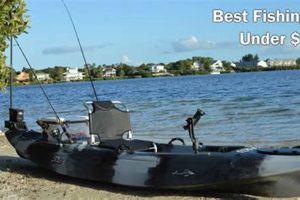
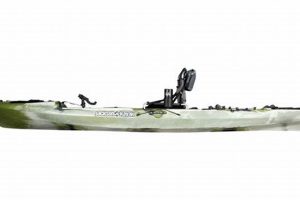
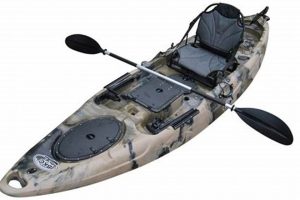
Tip 2: Choose the Right Kayak. Kayak selection depends on the intended fishing location and personal preferences. Sit-on-top kayaks are generally preferred for fishing due to their stability and ease of entry/exit. Consider features like rod holders, storage compartments, and anchor systems.
Tip 3: Plan Your Route and Check Water Conditions. Prior to departure, research the chosen waterway, including access points, water depths, and potential hazards. Check weather forecasts and water conditions to ensure safe paddling and fishing.
Tip 4: Pack Essential Safety Gear. A personal flotation device (PFD) is mandatory and should be worn at all times. Other essential safety items include a whistle, first-aid kit, and a communication device.
Tip 5: Use Appropriate Fishing Tackle. Select fishing tackle appropriate for the target species. Lighter tackle is often preferred for kayak fishing due to the limited space and maneuverability. Consider using a fish finder to locate fish and structure.
Tip 6: Practice Kayak Control and Maneuvering. Before venturing onto open water, practice basic paddling strokes and maneuvering techniques. This will improve control and stability, particularly in challenging conditions.
Tip 7: Respect Wildlife and the Environment. Practice catch-and-release whenever possible. Properly dispose of fishing line and other waste to preserve Ohio’s waterways for future generations.
By adhering to these guidelines, anglers can enhance their chances of a successful and rewarding kayak fishing experience while prioritizing safety and environmental responsibility.
These tips provide a foundation for enjoyable and productive kayak fishing in Ohio. The following section will delve deeper into specific locations and recommended techniques.
1. Lake Erie

Lake Erie’s significant size and diverse habitats contribute substantially to its reputation as a premier kayak fishing destination in Ohio. The lake’s western basin, characterized by shallow, warmer water and abundant vegetation, provides ideal conditions for species like largemouth bass, smallmouth bass, and panfish. The central and eastern basins, with their greater depths and cooler temperatures, support populations of walleye, steelhead, and yellow perch. This varied environment allows kayak anglers to target a wide range of species, adapting techniques and equipment to suit specific locations and target fish. For example, anglers seeking walleye might troll crankbaits in deeper water, while those targeting bass might employ topwater lures in the shallows near weed beds. The lakes numerous islands and protected bays offer calmer waters suitable for kayak angling, even during periods of less favorable weather. Public access points and launch sites are readily available along the Ohio shoreline, further enhancing Lake Erie’s accessibility for kayak anglers.
The unique characteristics of Lake Erie present both opportunities and challenges for kayak anglers. While the vastness of the lake offers a wealth of fishing opportunities, wind and wave conditions can change rapidly, requiring careful monitoring and preparedness. Understanding weather patterns and water currents is crucial for safe and successful kayak fishing on Lake Erie. Utilizing resources such as marine forecasts and local fishing reports can significantly enhance safety and improve angling success. The presence of boat traffic, particularly during peak seasons, requires heightened awareness and adherence to safe boating practices. Kayak anglers should equip their vessels with proper lighting and signaling devices to ensure visibility and minimize the risk of collisions.
Careful planning and awareness of Lake Erie’s specific conditions are essential for a safe and productive kayak fishing experience. Leveraging the diversity of habitats and fish species available, while respecting the potential challenges posed by the lakes size and dynamic weather patterns, allows anglers to fully appreciate the unique angling opportunities offered by this valuable Ohio resource. The combination of accessible launch sites, diverse fish populations, and varied fishing techniques makes Lake Erie a compelling destination for kayak anglers of all skill levels.
2. Ohio River

The Ohio River’s substantial length and diverse habitats firmly establish its relevance to the concept of “best places to kayak fish in Ohio.” As a major navigable waterway, the river offers diverse fishing opportunities, ranging from shallow backwaters and tributary streams to deeper channels and open stretches. This variety supports a wide array of fish species, including catfish, sauger, walleye, bass, and crappie, attracting anglers with varied interests and skill levels. The consistent current flow creates unique angling challenges and opportunities, influencing fish behavior and dictating specific fishing techniques. For instance, anglers often target catfish using bottom fishing rigs near deeper holes and structures, while sauger and walleye may be pursued with jigs or crankbaits along current breaks and rocky areas. The river’s extensive shoreline, encompassing diverse environments like rocky banks, sandy stretches, and wooded areas, further contributes to its appeal among kayak anglers. These varying shorelines provide ample opportunities for exploration and discovery, enhancing the overall angling experience. The presence of numerous boat ramps and access points facilitates convenient entry and exit for kayak anglers along the Ohio River.
Several factors solidify the Ohio River’s position as a prime kayak fishing destination within the state. The relatively calm waters in many sections of the river, particularly in backwater areas and protected coves, provide favorable conditions for kayak fishing. This allows anglers to navigate and fish effectively from a kayak, even with limited paddling experience. Furthermore, the river’s size and flow create diverse micro-habitats, increasing the likelihood of encountering various fish species. For example, deeper channels often hold larger catfish, while shallower, rocky areas may attract smallmouth bass. The presence of numerous islands and submerged structures provides additional cover and foraging areas for fish, creating productive fishing spots accessible by kayak. Understanding these habitat variations allows anglers to strategically target specific species by selecting appropriate locations and fishing techniques. This habitat diversity, combined with accessible launch points and the potential for diverse catches, makes the Ohio River an attractive option for kayak anglers seeking a rewarding and varied fishing experience.
Navigating the Ohio River, however, requires careful consideration of potential challenges. Fluctuating water levels, influenced by rainfall and dam releases, can impact access and fishing conditions. Checking river gauges and flow rates prior to embarking on a kayak fishing trip is essential for safety and successful angling. Boat traffic, particularly from larger commercial vessels, necessitates heightened awareness and adherence to navigation rules. Kayak anglers should prioritize visibility by using appropriate lighting and flags, especially during periods of reduced visibility. Understanding and respecting these factors allows for a safe and rewarding experience on the Ohio River, maximizing the potential for successful angling while ensuring the safety and enjoyment of all river users. The combination of productive fishing grounds and inherent navigational challenges reinforces the Ohio Rivers unique position as a core component of Ohio’s best kayak fishing locations.
3. Inland Reservoirs

Inland reservoirs play a crucial role in Ohio’s kayak fishing landscape, offering diverse angling opportunities and contributing significantly to the state’s reputation for quality fishing. These impoundments, often created for flood control or water supply, provide stable, accessible fishing environments, unlike the fluctuating conditions sometimes encountered in rivers or Lake Erie. This stability makes them particularly appealing to kayak anglers, allowing for predictable paddling and fishing conditions. Reservoirs also frequently feature complex underwater structures, including submerged trees, old roadbeds, and drop-offs, which attract and hold various fish species. This structural diversity creates productive fishing grounds accessible to kayak anglers, offering opportunities to target species like bass, crappie, bluegill, and catfish. Alum Creek Reservoir, for example, is renowned for its crappie and saugeye populations, while Delaware Lake offers excellent bass fishing opportunities.
The controlled environment of reservoirs often leads to healthy fish populations, further enhancing their appeal for kayak anglers. Regular stocking programs by the Ohio Department of Natural Resources contribute to robust fisheries in many reservoirs, providing consistent angling opportunities throughout the year. The calmer waters of reservoirs also lend themselves well to various kayak fishing techniques, from casting along shorelines to trolling open water. This versatility allows anglers to adapt their approach based on target species and prevailing conditions. For instance, slow-trolling crankbaits can be effective for targeting walleye in deeper water, while casting jigs near submerged brush piles can be productive for crappie. The relative ease of access, combined with diverse fishing opportunities and generally stable water conditions, positions inland reservoirs as key components within the “best places to kayak fish in Ohio” framework.
While inland reservoirs offer numerous advantages for kayak anglers, understanding potential challenges is crucial. Limited access points and designated launch areas in some reservoirs can require advance planning and coordination. Additionally, fluctuating water levels, while generally less dramatic than in rivers, can still influence fishing conditions and require anglers to adapt their strategies. Motorized boat traffic, particularly during peak seasons, can create challenging conditions for kayak anglers, requiring increased awareness and adherence to safe boating practices. By acknowledging and addressing these potential challenges, anglers can fully appreciate the unique angling opportunities provided by Ohio’s inland reservoirs and maximize their chances of a successful and enjoyable kayak fishing experience. The balance of accessibility, diverse fishing opportunities, and manageable challenges further solidifies the importance of inland reservoirs within the broader context of the “best places to kayak fish in Ohio.”
4. Smaller Lakes

Smaller lakes in Ohio represent a valuable, often overlooked, component of the “best places to kayak fish in Ohio” landscape. These smaller bodies of water offer unique advantages for kayak anglers, particularly those seeking a more tranquil and accessible fishing experience. Their manageable size and typically calmer waters create an ideal environment for novice kayak anglers and those preferring a more intimate connection with nature. The reduced boat traffic often found on smaller lakes contributes to a quieter, less congested fishing experience.
- Accessibility and Ease of Navigation:
Smaller lakes are often easier to navigate and explore by kayak compared to larger bodies of water. Their limited size allows anglers to efficiently cover a significant portion of the lake, increasing the chances of locating productive fishing spots. Many smaller lakes also offer convenient shoreline access and multiple launch points, simplifying logistics and reducing travel time on the water. This ease of access makes them particularly appealing for quick fishing trips or for anglers with limited time.
- Abundance of Panfish and Bass:
Smaller lakes frequently support healthy populations of panfish, such as bluegill, crappie, and sunfish, making them ideal for anglers targeting these species. Bass, including largemouth and smallmouth, are also commonly found in smaller lakes, providing opportunities for anglers seeking a more challenging fishing experience. The concentrated nature of these fish populations in smaller bodies of water often leads to higher catch rates, contributing to a rewarding and satisfying angling experience. For example, lakes like Portage Lakes and Indian Lake, while larger than many smaller lakes, still offer manageable sizes and excellent panfish and bass opportunities.
- Quiet and Peaceful Environment:
The reduced boat traffic and generally calmer waters of smaller lakes create a peaceful and serene environment for kayak fishing. This tranquil atmosphere enhances the overall fishing experience, allowing anglers to connect with nature and enjoy the solitude of the outdoors. The absence of large waves and wakes from motorized boats contributes to a stable and comfortable kayaking experience, further enhancing the appeal of smaller lakes for anglers seeking a relaxed and enjoyable outing.
- Opportunity for Specialized Techniques:
Smaller lakes offer opportunities to employ specialized kayak fishing techniques, such as sight fishing and finesse presentations. The clear water often found in these smaller bodies of water allows for effective sight fishing, where anglers visually locate fish and target them with precise casts. Finesse techniques, using lighter tackle and smaller lures, can be particularly productive in smaller lakes, where fish may be more wary of larger presentations. These specialized approaches allow anglers to refine their skills and enhance their overall fishing prowess.
The combination of accessibility, productive fishing opportunities, and a tranquil environment firmly establishes smaller lakes as valuable additions to the “best places to kayak fish in Ohio” equation. While they may not offer the same diversity of species or expansive waters as larger lakes or rivers, the unique advantages of smaller lakes cater to specific angling preferences and provide rewarding experiences for those seeking a more intimate and accessible kayak fishing adventure. These smaller bodies of water often represent hidden gems within the Ohio fishing landscape, offering unique opportunities and contributing significantly to the overall diversity and quality of kayak fishing experiences available in the state.
5. Designated Waterways
Designated waterways in Ohio represent a crucial subset of locations ideal for kayak angling, contributing significantly to the overall assessment of “best places to kayak fish in Ohio.” These waterways, often recognized for their scenic beauty and ecological importance, offer unique characteristics that enhance the kayak fishing experience. Their designation often comes with protective measures ensuring water quality and habitat preservation, benefiting both the environment and the angling opportunities they provide. This section explores the specific facets that make designated waterways particularly suitable for kayak fishing.
- Controlled Access and Enhanced Fish Populations:
Designated waterways often feature controlled access points, limiting motorized boat traffic and promoting a quieter, more peaceful environment. This reduced disturbance benefits kayak anglers by minimizing disruption to fish behavior and enhancing angling success. Furthermore, the protected status of designated waterways often leads to healthier fish populations due to stricter regulations and conservation efforts. The Kokosing River, a designated state scenic river, exemplifies this, offering excellent smallmouth bass fishing in a pristine environment.
- Scenic Beauty and Natural Setting:
Designated waterways are frequently chosen for their scenic beauty and natural characteristics, enhancing the overall kayak fishing experience. Paddling through undisturbed stretches of river or exploring secluded coves provides a unique connection with nature, enriching the angling adventure. The Mohican River, another state scenic river, offers stunning views and diverse fishing opportunities within a protected natural setting.
- Improved Water Quality and Habitat Diversity:
The protected status of designated waterways often results in improved water quality and greater habitat diversity. Cleaner water supports healthier fish populations and enhances overall ecosystem health. The diverse habitats found within designated waterways, such as riffles, pools, and undercut banks, create ideal conditions for various fish species, increasing angling opportunities. The Little Miami River, a national scenic river, exemplifies this with its clean water and diverse habitats supporting thriving fish populations.
- Accessibility and Infrastructure:
Many designated waterways offer improved access points and infrastructure specifically designed for non-motorized watercraft like kayaks. This includes designated launch areas, improved parking facilities, and readily available information about river access and fishing regulations. This enhanced infrastructure further contributes to the convenience and enjoyment of kayak fishing in designated waterways.
The combination of controlled access, scenic beauty, improved water quality, and dedicated infrastructure positions designated waterways as prime locations within the “best places to kayak fish in Ohio.” These protected stretches offer unique opportunities for anglers seeking a tranquil and rewarding kayak fishing experience, contributing significantly to the overall diversity and quality of angling available in the state. By choosing to fish in designated waterways, anglers not only enhance their personal fishing experience but also contribute to the preservation and appreciation of these valuable natural resources.
Frequently Asked Questions
This section addresses common inquiries regarding kayak fishing in Ohio, providing concise and informative responses to assist anglers in planning successful outings.
Question 1: What are the licensing requirements for kayak fishing in Ohio?
A valid Ohio fishing license is required for all individuals 16 years of age and older engaging in fishing activities, including kayak fishing. Licenses can be obtained online through the Ohio Department of Natural Resources or from licensed vendors.
Question 2: Are there specific regulations regarding kayak equipment or usage on Ohio waterways?
Kayaks are subject to standard boating regulations, including the requirement for a properly fitted personal flotation device (PFD) for each occupant. Navigation lights are required for operation during periods of limited visibility. Specific regulations may vary depending on the waterway; consulting local authorities is recommended.
Question 3: Where can reliable information regarding water conditions and access points be found?
The Ohio Department of Natural Resources website provides valuable resources, including water level reports, river gauges, and information on public access points for various waterways. Local bait shops and fishing organizations can also offer valuable insights into current fishing conditions.
Question 4: What safety precautions should be considered when kayak fishing in Ohio?
Informing someone of intended fishing locations and estimated return times is crucial. Checking weather forecasts prior to departure and being prepared for changing conditions is essential. Carrying a communication device, first-aid kit, and whistle enhances safety on the water. Adherence to boating regulations and responsible angling practices contribute significantly to a safe and enjoyable experience.
Question 5: What fish species are commonly targeted by kayak anglers in Ohio?
Popular target species include largemouth bass, smallmouth bass, crappie, walleye, catfish, and panfish. The specific species available vary depending on the chosen waterway and time of year. Researching local fish populations and prevailing fishing patterns can enhance angling success.
Question 6: Are there guided kayak fishing trips available in Ohio?
Several outfitters and guide services offer guided kayak fishing trips in Ohio, catering to various skill levels and target species. These guided trips provide valuable insights into local fishing techniques and access to productive fishing areas. Researching local guide services can enhance angling opportunities and provide a structured learning experience.
Understanding these common inquiries enhances preparedness and contributes to safer, more productive, and enjoyable kayak fishing experiences in Ohio.
This concludes the frequently asked questions section. The following section offers a concluding overview of kayak fishing in Ohio.
Conclusion
Ohio offers diverse and rewarding kayak fishing opportunities. From the vast expanse of Lake Erie to the scenic tranquility of designated rivers and the productive waters of inland reservoirs and smaller lakes, anglers can find suitable locations to pursue a variety of fish species. Careful consideration of location characteristics, target species, and necessary preparations ensures a successful and enjoyable experience. Access to abundant resources, including information on regulations, water conditions, and local fishing reports, further empowers anglers to maximize their time on the water. The combination of accessible locations, diverse fish populations, and the inherent advantages of kayak fishing establishes Ohio as a premier destination for this increasingly popular angling method.
Continued exploration and responsible stewardship of Ohio’s waterways are essential for preserving these valuable resources for future generations of kayak anglers. Understanding the nuances of each fishing location, respecting environmental regulations, and practicing ethical angling techniques contribute to the long-term health and sustainability of these aquatic ecosystems. Ohio’s diverse waterways offer exceptional kayak fishing experiences, promising continued growth and enjoyment of this rewarding outdoor pursuit.