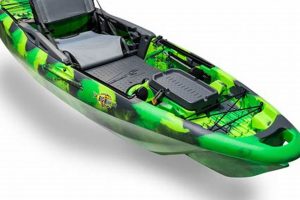
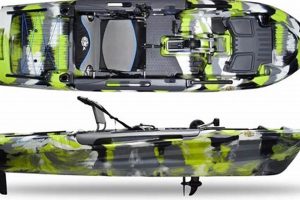
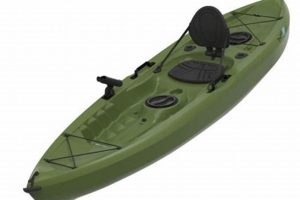
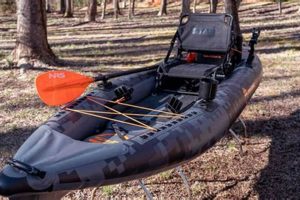
This specific model is a sit-on-top kayak designed for angling in a variety of water conditions. Characterized by a stable hull and ample storage for fishing gear, this type of watercraft offers anglers a platform for accessing diverse fishing locations, from calm lakes to slow-moving rivers.
The blend of stability and storage capacity in such kayaks contributes significantly to enhanced angling experiences. Features like rod holders, tackle compartments, and comfortable seating arrangements allow for longer, more productive fishing trips. Historically, fishing kayaks have evolved from basic recreational designs to highly specialized vessels catering to the specific needs of anglers. This progression reflects the growing popularity of kayak fishing and the demand for improved performance and functionality on the water.
The subsequent sections will delve deeper into the specific features, performance characteristics, and potential applications of this category of fishing kayak. Further discussion will encompass topics such as maneuverability, comfort, and essential accessories that contribute to a successful fishing excursion.
Tips for Kayak Fishing
Effective kayak fishing requires preparation and understanding of specific techniques. These tips aim to enhance angling success and overall safety on the water.
Tip 1: Plan and Research: Thoroughly research the intended fishing location, including water conditions, species present, and any access restrictions. Checking weather forecasts is crucial for a safe and productive trip.
Tip 2: Balance and Stability: Maintain a low center of gravity and distribute weight evenly within the kayak for optimal stability. Avoid sudden movements that could compromise balance, especially when handling fish or equipment.
Tip 3: Essential Gear: Pack essential safety equipment, including a personal flotation device (PFD), a whistle, and a first-aid kit. Navigation tools, such as a GPS or compass, are also recommended.
Tip 4: Paddle and Propulsion: Utilize efficient paddling techniques to conserve energy and maximize maneuverability. Consider using a rudder or pedal-driven system for hands-free fishing.
Tip 5: Fishing Techniques: Adapt fishing techniques to suit the specific environment and target species. Downsizing tackle and using lighter lines can improve success from a kayak.
Tip 6: Respect Wildlife and Environment: Adhere to catch-and-release practices whenever possible. Properly dispose of fishing line and other waste to minimize environmental impact.
Tip 7: Stay Hydrated and Sun-Protected: Bring ample water and snacks for longer trips. Wear appropriate clothing, including a hat and sunglasses, to protect against sun exposure.
By implementing these strategies, anglers can improve their chances of success while prioritizing safety and environmental responsibility.
These tips provide a foundation for a rewarding kayak fishing experience. The following section will offer concluding thoughts and recommendations for further exploration of this exciting activity.
1. Stability

Stability is a paramount consideration in fishing kayak design, directly influencing angler safety, comfort, and fishing effectiveness. For the Wilderness Systems Ride 135, stability plays a crucial role in enabling anglers to confidently cast, reel, and land fish, even in challenging conditions. The following facets explore key components contributing to the Ride 135’s stable performance.
- Hull Design:
The Ride 135 utilizes a pontoon-style hull, characterized by a wide, flat bottom. This design provides inherent stability by maximizing contact with the water surface, resisting tipping and creating a secure platform. The hull’s shape displaces water effectively, contributing to buoyancy and further enhancing stability.
- Center of Gravity:
The kayak’s design promotes a low center of gravity, placing the angler closer to the waterline. This lower positioning enhances stability by reducing the likelihood of tipping. Weight distribution within the kayak also influences stability; even distribution minimizes rocking and maintains balance.
- Weight Capacity:
The Ride 135 boasts a substantial weight capacity, allowing anglers to carry necessary gear and equipment without compromising stability. This ample capacity ensures that the kayak remains stable even when fully loaded for extended fishing trips.
- Secondary Stability:
Beyond initial stability, the Ride 135 exhibits commendable secondary stability. This refers to the kayak’s ability to resist tipping when leaned or tilted, crucial for maneuvering in currents or reaching for objects in the water. This characteristic provides a reassuring sense of security, allowing anglers to fish with confidence even in less-than-ideal conditions.
The convergence of these elements contributes to the Ride 135s reputation as a stable fishing platform. This inherent stability allows anglers to focus on the task at hand, enhancing both enjoyment and success on the water. While stability is paramount, it’s crucial to consider its interplay with other performance characteristics, such as maneuverability and speed, to gain a comprehensive understanding of the kayak’s overall performance profile.
2. Storage Capacity

Ample storage is a defining feature of dedicated fishing kayaks, directly impacting their practicality and versatility. For the Wilderness Systems Ride 135, storage capacity plays a crucial role in accommodating the diverse gear and equipment required for successful angling excursions. The following facets explore key components of the Ride 135’s storage system and their implications for anglers.
- Rear Tankwell:
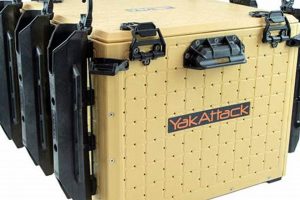
The Ride 135 features a spacious rear tankwell, ideal for storing larger items such as tackle boxes, coolers, and even crates for transporting catches. Bungee cords provide securement, preventing gear from shifting or falling overboard during transport. This open storage area offers significant flexibility, accommodating a wide range of items essential for longer trips.
- Front Hatch:
A sealed front hatch provides protected storage for items requiring shielding from water and the elements. This compartment is suitable for electronics, personal belongings, and smaller tackle boxes. The waterproof seal safeguards contents from splashes and unexpected submersion, ensuring gear remains dry and functional.
- Side-Mounted Rod Holders:
Flush-mounted rod holders offer convenient storage for fishing rods while paddling or when not in use. These dedicated holders keep rods organized and secure, preventing tangling and damage. Their strategic placement ensures easy access without hindering paddling or other activities.
- Center Console with Storage:
The central console often incorporates dedicated compartments for smaller items like pliers, line cutters, and leader material. This readily accessible storage keeps essential tools within easy reach, streamlining fishing operations and minimizing time spent searching for gear.
The strategic combination of open storage, sealed compartments, and specialized holders contributes to the Ride 135’s practicality as a fishing platform. This comprehensive storage system allows anglers to carry a wide array of equipment, enhancing preparedness and facilitating diverse fishing approaches. Effective organization and accessibility of gear contribute significantly to a more efficient and enjoyable fishing experience.
3. Comfort

Comfort is a critical factor influencing the overall enjoyment and duration of kayak fishing trips. For extended outings on the water, a comfortable seating system and ergonomic design contribute significantly to angler satisfaction and reduce fatigue. In the context of the Wilderness Systems Ride 135 fishing kayak, comfort features play a vital role in enabling anglers to fish effectively for longer periods. The following facets explore the key components that contribute to the Ride 135’s comfort and their impact on the angling experience.
- Phase 3 AirPro Seating System:
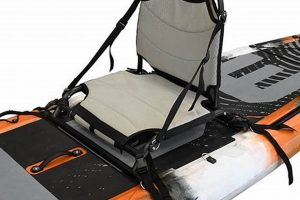
The Ride 135 typically features the Phase 3 AirPro seating system. This adjustable system offers customized support and breathability, promoting comfort even during extended periods on the water. The AirPro design incorporates breathable mesh fabric that allows for ventilation and helps prevent overheating, particularly in warmer climates. Adjustability allows anglers to fine-tune the seat position for optimal back support and paddling posture, minimizing strain and fatigue.
- Leg Room and Adjustable Footrests:
Ample legroom and adjustable footrests contribute significantly to paddling comfort and efficiency. Proper leg positioning allows for effective power transfer during paddling strokes, reducing fatigue and improving performance. Adjustable footrests accommodate anglers of varying heights, ensuring a comfortable and ergonomic paddling position.
- Seat Height and Positioning:
The seat height and positioning on the Ride 135 are designed to provide a comfortable and stable platform for fishing. Elevated seating improves visibility and facilitates casting, while a stable base minimizes rocking and enhances overall stability. The ability to adjust the seat position further customizes the experience, catering to individual preferences and fishing styles.
- Deck Padding and Ergonomics:
Deck padding provides a comfortable surface for standing or sitting while fishing, offering traction and cushioning. Ergonomic design considerations throughout the kayak, such as strategically placed handles and recessed areas for foot placement, enhance overall comfort and ease of movement. These features contribute to a more user-friendly experience, allowing anglers to focus on fishing rather than discomfort.
The combination of these comfort-focused features contributes significantly to the Ride 135’s suitability for extended fishing trips. By prioritizing angler comfort, the Ride 135 enables longer, more enjoyable, and ultimately more productive fishing experiences. This focus on ergonomics and adjustability sets the stage for enhanced performance and reduced fatigue, allowing anglers to make the most of their time on the water.
4. Maneuverability
Maneuverability is a critical performance attribute for fishing kayaks, impacting their ability to navigate diverse water environments and access prime fishing locations. For the Wilderness Systems Ride 135, maneuverability plays a crucial role in enabling anglers to efficiently explore various waterways, from narrow creeks to open lakes. The following facets explore key components influencing the Ride 135’s maneuverability and their implications for anglers.
- Hull Design and Length:
The Ride 135’s hull design and length contribute significantly to its maneuverability profile. While its length provides tracking performance in open water, the moderate width and defined hull shape allow for responsive turning and maneuvering in tighter spaces. This balance between tracking and turning capability makes the Ride 135 adaptable to a variety of fishing environments.
- Rudder or Skeg System (if equipped):
Some Ride 135 configurations may include a rudder or skeg system. These features enhance directional control, particularly in windy conditions or when paddling against currents. A rudder allows for precise steering adjustments, while a skeg improves tracking and reduces yaw, minimizing the need for corrective strokes and enhancing overall efficiency.
- Paddler Input and Technique:
Effective paddling technique plays a significant role in maximizing the Ride 135’s maneuverability. Proper paddle strokes and body positioning contribute to efficient turning and maneuvering. Experienced paddlers can leverage edging techniques to further enhance turning performance, allowing for sharper turns and greater control in challenging conditions.
- Water Conditions and Environmental Factors:
Maneuverability can be influenced by external factors such as wind, current, and water depth. In windy conditions, the Ride 135’s higher profile may be susceptible to wind drift, requiring adjustments in paddling technique or the use of a rudder or skeg for improved tracking. Currents can also impact maneuverability, requiring paddlers to anticipate and adjust their course accordingly. Water depth can affect maneuverability, particularly in shallow areas where the hull may contact the bottom or submerged obstacles.
The interplay of these factors determines the Ride 135’s overall maneuverability in specific fishing scenarios. While the kayak’s design provides a foundation for responsive handling, factors like paddler skill and environmental conditions contribute significantly to its performance. Understanding these influences allows anglers to anticipate and adapt to various on-the-water situations, maximizing the Ride 135’s maneuverability and effectiveness as a fishing platform.
5. Durability

Durability is a critical factor in evaluating the long-term value and performance of a fishing kayak, especially when used in demanding environments. For the Wilderness Systems Ride 135, durability translates to sustained performance and resistance to wear and tear, ensuring the kayak remains functional and reliable throughout its lifespan. This section examines the key components that contribute to the Ride 135’s durability and their significance for anglers seeking a robust and dependable fishing platform.
- Construction Material and Manufacturing Process:
The Ride 135 is typically constructed from rotomolded polyethylene, a highly durable plastic known for its impact resistance and ability to withstand UV exposure. Rotomolding creates a seamless, one-piece hull that eliminates potential weak points and enhances overall structural integrity. This construction method contributes to the kayak’s ability to endure impacts, abrasions, and the stresses of regular use in various water conditions.
- Hull Thickness and Design:
The hull’s thickness and design play crucial roles in its overall durability. A thicker hull generally offers greater resistance to punctures and impacts, while strategic reinforcement in high-stress areas further enhances durability. The Ride 135’s hull design often incorporates features that deflect impacts and minimize potential damage from submerged obstacles or rough landings.
- Hardware and Fittings:
Durable hardware and fittings are essential for maintaining the kayak’s structural integrity and functionality over time. Corrosion-resistant stainless steel or high-quality plastic components minimize rust and degradation, ensuring long-lasting performance. Securely attached and well-sealed fittings prevent water intrusion and contribute to the kayak’s overall longevity.
- UV Resistance and Weathering:
Exposure to sunlight and the elements can degrade kayak materials over time. The Ride 135’s polyethylene construction typically incorporates UV inhibitors that protect against fading and material breakdown caused by prolonged sun exposure. This resistance to weathering ensures the kayak retains its structural integrity and aesthetic appeal, even after extended periods outdoors.
The combination of robust materials, thoughtful design, and durable hardware contributes significantly to the Ride 135’s reputation for long-lasting performance. This focus on durability translates to a reliable fishing platform capable of withstanding the rigors of regular use in diverse environments. Investing in a durable kayak like the Ride 135 provides long-term value and peace of mind, allowing anglers to focus on the pursuit of their passion rather than concerns about equipment failure.
6. Specialized Features

Specialized features distinguish fishing kayaks from recreational models, optimizing them for angling pursuits. In the case of the Wilderness Systems Ride 135, these features directly enhance functionality, efficiency, and overall fishing success. They represent a crucial component of the kayak’s design, catering specifically to the needs of anglers. The following examples illustrate this connection:
- Rod Holders: Multiple rod holders, strategically positioned throughout the kayak, allow anglers to carry various rods rigged and ready for action. This eliminates the need to constantly rig lines, saving valuable fishing time. Different types of rod holders, such as flush-mounted and adjustable varieties, accommodate diverse fishing styles and rod lengths.
- Tackle Storage: Dedicated tackle storage compartments, often integrated into the kayak’s design, provide organized and readily accessible storage for lures, hooks, weights, and other essential fishing gear. This keeps equipment secure, protected from the elements, and within easy reach, streamlining fishing operations and maximizing efficiency.
- Fish Finder Mounts: Many Ride 135 models offer integrated mounts or transducer scuppers specifically designed for fish finders. These features simplify the installation and use of electronic fish-finding equipment, providing anglers with valuable underwater insights that enhance their ability to locate and target fish.
- Anchor Trolley System: An anchor trolley system allows for precise anchor positioning, crucial for maintaining position in current or wind. This feature allows anglers to control drift and stay on target, maximizing fishing effectiveness in various conditions.
- Adjustable Seating: Adjustable seating systems offer customized comfort and support, allowing anglers to fine-tune their position for optimal paddling and fishing posture. This contributes to reduced fatigue and increased comfort during long hours on the water, enhancing overall fishing enjoyment and effectiveness.
These specialized features contribute significantly to the Ride 135’s overall performance as a fishing kayak. They represent a deliberate design approach aimed at enhancing functionality and catering to the specific requirements of anglers. The practical significance of these features lies in their ability to improve fishing efficiency, comfort, and ultimately, success on the water.
Understanding the function and application of these specialized features allows anglers to fully leverage the Ride 135’s capabilities. While the core design provides a stable and maneuverable platform, these tailored additions transform it into a dedicated fishing machine, enhancing the overall angling experience and increasing the likelihood of a successful outing. Further consideration of individual fishing styles and preferences can guide anglers in selecting appropriate accessories and modifications to further customize the Ride 135 to their specific needs.
Frequently Asked Questions
This section addresses common inquiries regarding the Wilderness Systems Ride 135 fishing kayak, providing concise and informative responses to facilitate informed decision-making.
Question 1: What is the weight capacity of the Ride 135?
The Ride 135 typically boasts a weight capacity exceeding 450 lbs, accommodating anglers, gear, and potential catches comfortably.
Question 2: Is the Ride 135 suitable for ocean fishing?
While designed primarily for inland waters and calmer coastal environments, the Ride 135 can handle moderate ocean conditions with appropriate safety precautions and experience.
Question 3: What is the approximate length and width of the Ride 135?
The Ride 135 measures approximately 13.5 feet in length and around 34 inches in width, offering a balance of stability and maneuverability.
Question 4: Does the Ride 135 come with a paddle?
Typically, paddles are sold separately, allowing anglers to choose a paddle best suited to their individual preferences and paddling style.
Question 5: How does the Ride 135 perform in windy conditions?
Due to its higher profile, the Ride 135 can be susceptible to wind drift. Utilizing a rudder or skeg can significantly improve tracking and control in windy conditions.
Question 6: What materials are used in the Ride 135’s construction?
The Ride 135 is typically constructed using rotomolded polyethylene, a highly durable and UV-resistant plastic known for its impact resistance and longevity.
Understanding these key aspects contributes to a comprehensive understanding of the Ride 135 and its suitability for various fishing applications. Potential purchasers are encouraged to consult detailed specifications and reviews to further inform their decision-making process.
The next section will offer concluding remarks and summarize key takeaways regarding the Wilderness Systems Ride 135 fishing kayak.
Conclusion
Exploration of this specific kayak model reveals a design prioritizing stability, storage, and specialized features for angling. Its robust construction and comfortable seating system contribute to extended fishing excursions. Maneuverability considerations highlight the balance between tracking and turning performance, influenced by hull design and potential rudder/skeg systems. Understanding these attributes provides valuable insight into the kayak’s capabilities and intended applications.
The synthesis of performance characteristics and specialized features positions this kayak as a versatile option for diverse fishing environments. Careful consideration of individual needs and preferences remains crucial in determining its suitability for specific angling pursuits. Continued advancements in kayak design and technology promise further enhancements to the fishing experience, building upon the foundation established by models like the Wilderness Systems Ride 135.