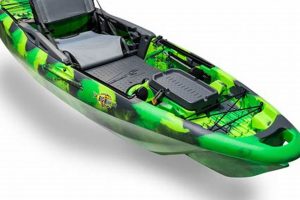
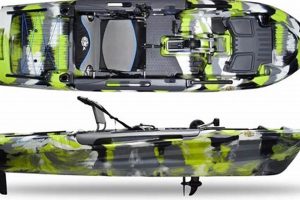
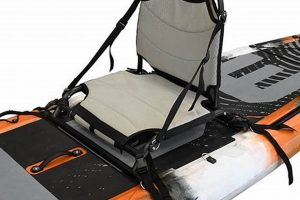
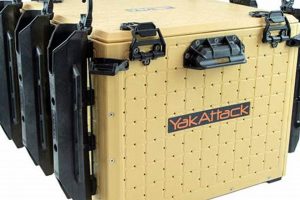
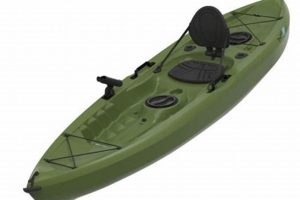
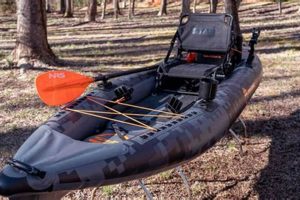
Small, human-powered watercraft designed for angling offer diverse options for accessing various fishing environments. These range from stable, open designs ideal for calm lakes and rivers to more streamlined, maneuverable vessels suited to navigating challenging currents and coastal waters. Specific features like rod holders, anchor systems, and livewells often distinguish these craft from recreational versions.
The use of these small vessels for angling provides advantages such as stealthy approach, access to shallow or otherwise difficult-to-reach areas, and a close-to-nature experience. Historically, small boats have played a crucial role in subsistence fishing and continue to be popular for both recreational and professional fishing worldwide. Their versatility and adaptability contribute to their continued relevance in modern angling.
Further exploration will cover specific types of angling vessels, essential equipment, recommended fishing techniques, and responsible practices for anglers.
Tips for Small Vessel Angling
Proper planning and execution are crucial for successful and safe fishing excursions using small, human-powered watercraft.
Tip 1: Stability is Paramount: Weight distribution significantly impacts stability. Gear should be evenly distributed and low in the vessel. Avoid sudden movements and be mindful of shifting weight when casting or landing fish.
Tip 2: Navigation and Safety: Always carry a personal flotation device (PFD) and inform someone of the intended fishing location and expected return time. Check weather forecasts before departure and be prepared for changing conditions. Carry a compass or GPS device, especially in unfamiliar waters.
Tip 3: Appropriate Attire and Gear: Dress in layers appropriate for anticipated weather conditions. Sun protection, including hats and sunscreen, is essential. Pack necessary safety equipment such as a whistle, signaling mirror, and first-aid kit.
Tip 4: Respectful Angling Practices: Adhere to all local fishing regulations, including licensing requirements and catch limits. Practice catch-and-release whenever possible. Minimize environmental impact by properly disposing of fishing line and other waste.
Tip 5: Effective Techniques: Adapt fishing techniques to the specific environment and target species. Stealth is often key when fishing from small vessels; approach fishing areas quietly and avoid making sudden movements.
Tip 6: Essential Equipment Maintenance: Regularly inspect and maintain all equipment, including paddles, rods, reels, and safety gear. Ensure proper function before each outing.
Tip 7: Local Knowledge: Research fishing locations and consult local resources, such as bait shops or fishing guides, for valuable insights into effective techniques and local conditions.
Careful preparation and adherence to these guidelines promote both successful angling and safe enjoyment of the on-the-water experience. These practices contribute to angler safety and the long-term health of aquatic ecosystems.
By applying these principles, anglers can enhance their fishing experience while prioritizing safety and environmental stewardship. This leads into concluding remarks regarding the importance of responsible small vessel angling.
1. Vessel Selection

Appropriate vessel selection is fundamental to successful angling from small human-powered watercraft. The choice between various small watercraft types significantly influences maneuverability, stability, and access to fishing grounds. Consideration of hull design, length, and width is paramount. A wider, flatter-bottomed canoe offers enhanced stability, ideal for calm lakes and rivers, accommodating multiple anglers or substantial gear. Conversely, a kayak’s sleeker, narrower profile promotes speed and efficiency, advantageous in currents or covering greater distances. Specialized fishing kayaks often feature integrated rod holders, livewells, and other angling-specific amenities. Matching vessel characteristics to the target fishing environment optimizes angler effectiveness and safety.
For example, targeting bass in a shallow, vegetated pond necessitates a maneuverable, stable platform, making a short, sit-on-top kayak or a compact canoe well-suited. Conversely, pursuing pelagic species in open coastal waters requires a longer, faster vessel capable of handling rougher conditions, such as a sea kayak or specialized fishing kayak. Selecting a vessel with insufficient stability for the conditions risks capsizing, jeopardizing both angler safety and the environment through potential gear loss and pollution. Furthermore, an inadequately sized or equipped vessel might restrict access to prime fishing areas or limit the angler’s ability to effectively land targeted species.
In conclusion, informed vessel selection is integral to maximizing angling success and ensuring a safe experience. Careful evaluation of fishing environment characteristics, target species behavior, and individual angler needs provides the foundation for effective vessel selection. This, in turn, contributes significantly to overall angling success and fosters responsible enjoyment of aquatic environments.
2. Stability and Balance
Maintaining stability and balance in a small, human-powered watercraft is paramount for successful and safe angling. Compromised stability can lead to capsizing, jeopardizing angler safety and potentially impacting the aquatic environment through gear loss or pollution. Understanding the factors influencing stability and employing techniques to maintain balance is crucial for a positive and productive fishing experience.
- Center of Gravity
A lower center of gravity enhances stability. Keeping weight low and centered within the vessel minimizes the risk of tipping. Standing up in a small watercraft significantly raises the center of gravity, increasing instability. Similarly, uneven weight distribution, such as concentrating gear on one side, can create an imbalance, making the vessel more prone to tipping. Anglers must be mindful of weight shifts when casting, retrieving, and landing fish.
- Vessel Design
Hull design directly influences stability. Wider, flatter hulls offer greater initial stability, making them suitable for calm waters and less experienced anglers. Narrower hulls, while less stable initially, offer greater maneuverability and speed. Outriggers or stabilizers can enhance stability, particularly beneficial for individuals with balance concerns. The choice of vesselcanoe, kayak, or othershould align with angler experience and the intended fishing environment.
- Environmental Conditions
Wind, waves, and currents significantly impact stability. Strong winds can catch exposed surfaces, creating instability. Waves can destabilize a vessel, particularly if approached from the side (beam sea). Currents can create unpredictable forces, requiring constant adjustments to maintain balance. Anglers should assess environmental conditions before embarking and adjust their approach accordingly. Avoiding areas with strong currents or high waves is crucial for maintaining stability in challenging conditions.
- Angler Movement
Sudden or jerky movements can compromise stability. Smooth, controlled movements are essential for maintaining balance. Reaching over the side of the vessel or shifting weight quickly can create instability. Practicing entering, exiting, and maneuvering within the vessel in calm conditions builds confidence and reinforces proper technique, minimizing the risk of unexpected movements that could lead to instability.
By understanding and managing these factors, anglers can significantly improve their stability and balance on the water, promoting safety and enhancing the overall fishing experience. Neglecting these principles can lead to hazardous situations, highlighting the crucial connection between stability, balance, and responsible angling from small human-powered watercraft.
3. Essential Gear

Effective angling from a small, human-powered watercraft necessitates specific gear tailored to the unique challenges and opportunities presented by this fishing style. Careful gear selection directly impacts angler safety, fishing success, and environmental responsibility. Essential gear falls into several key categories:
Safety Equipment: Personal flotation devices (PFDs) are non-negotiable. A signaling device, such as a whistle or mirror, aids in emergency communication. A first-aid kit addresses minor injuries. Navigation tools, including a compass or GPS, and a waterproof communication device are crucial, especially in remote locations. A bilge pump or bailer addresses water accumulation. Appropriate attire, including sun protection and weather-resistant clothing, enhances comfort and safety.
Fishing Gear: Rod and reel selection depends on target species and fishing techniques. Tackle boxes organized with lures, hooks, lines, and sinkers adapted to the target species are essential. Landing nets assist in safely securing fish. Rod holders integrated into the vessel free angler hands for other tasks. A fishing license, where required, ensures legal compliance.
Vessel-Specific Gear: Paddles or oars tailored to the vessel type are fundamental for propulsion and maneuvering. An anchor system maintains position in desired fishing locations. Dry bags protect electronics and other sensitive items from water damage. Vessel repair kits address minor damage. Appropriate storage solutions maximize space utilization.
Practical Application: Consider a kayak angler targeting trout in a remote lake. Essential gear includes a PFD, signaling device, first-aid kit, GPS, appropriate fishing rod and reel, tackle box stocked with trout-specific lures and flies, paddle, anchor, dry bag containing extra clothing and electronics, and vessel repair kit. This setup prioritizes safety, fishing effectiveness, and preparedness for unexpected situations. Failure to carry a PFD could have life-threatening consequences in a capsize event. An improperly stowed anchor line can entangle, hindering maneuvering. A lack of appropriate clothing can lead to hypothermia in cold conditions. These examples underscore the direct link between essential gear and successful, safe angling.
In conclusion, careful selection and appropriate use of essential gear directly contribute to angler safety, effectiveness, and environmental responsibility. This comprehensive approach ensures a positive fishing experience while minimizing potential risks. Understanding the function and importance of each piece of equipment enables informed decisions, enhancing the overall experience and promoting responsible angling practices.
4. Fishing Techniques
Effective fishing techniques from small, human-powered vessels require adaptation to the unique constraints and advantages these platforms offer. Unlike fishing from larger boats or shorelines, anglers in canoes and kayaks operate within a more limited space and must consider the impact of their movements on vessel stability. This necessitates specialized techniques and considerations.
Casting techniques must account for the angler’s seated position and the need to maintain balance. Shorter rods and underhand or sidearm casts minimize the risk of disrupting vessel stability. Drift fishing, where the vessel moves naturally with the current, presents both challenges and opportunities. Anglers must control the drift to cover desired water while remaining aware of potential hazards. Trolling from a small vessel requires careful speed management and precise line control. Specialized trolling motors designed for canoes and kayaks can enhance efficiency. Vertical jigging presents a productive technique in deeper water, utilizing specialized jigs and techniques tailored to the specific target species.
For example, fly fishing from a kayak necessitates specialized casting techniques that minimize line tangling and avoid sudden movements that could compromise stability. Similarly, sight fishing for bonefish in shallow flats requires a stealthy approach and precise casting accuracy, achievable through adapted kayak maneuvering techniques. Failure to adapt techniques can result in missed opportunities, reduced fishing success, and potential safety risks. For instance, attempting a long overhead cast from a narrow kayak could lead to capsizing. Ignoring the influence of current while drift fishing can result in the vessel grounding or drifting into hazardous areas. These examples highlight the direct connection between specialized techniques and successful, safe angling from small vessels.
Adapting fishing techniques to the specific characteristics of small watercraft significantly impacts angling success and overall safety. Consideration of vessel stability, maneuverability, and the targeted fishing environment enables effective technique selection and application. This specialized knowledge contributes to responsible and productive angling, minimizing potential risks and maximizing the rewards of this unique fishing approach. Further exploration could analyze specific techniques for various species and environments, deepening understanding and improving practical application.
5. Safety Precautions

Operating small, human-powered watercraft for fishing presents inherent risks mitigated through comprehensive safety precautions. Neglecting these precautions jeopardizes angler well-being and potentially impacts the aquatic environment. Understanding and implementing appropriate safety measures is paramount for responsible and enjoyable angling.
- Personal Flotation Devices (PFDs)
PFDs are essential safety equipment for all small vessel anglers. A properly fitted PFD provides buoyancy, increasing survival chances in capsize events. Different PFD types exist, each suited to specific activities and water conditions. Inflatable PFDs offer greater comfort for extended wear but require regular maintenance. Choosing an appropriate PFD and wearing it consistently is crucial. Neglecting PFD use can have fatal consequences, particularly in cold water or challenging conditions.
- Weather Awareness
Checking weather forecasts before embarking and remaining vigilant for changing conditions is crucial. Sudden storms, high winds, or rapid temperature drops create hazardous situations for small vessel anglers. Portable weather radios or smartphone apps provide real-time updates. Having an emergency plan, including identified safe landing spots, is essential. Ignoring adverse weather conditions risks exposure, hypothermia, and capsizing, emphasizing the importance of proactive weather monitoring.
- Navigation and Communication
Carrying navigation tools, such as a compass, GPS, and charts, aids in maintaining orientation and avoiding disorientation. Informing someone of the planned fishing location and estimated return time is a fundamental safety practice. A waterproof communication device enables contact in emergencies. Carrying a signaling device, such as a whistle or mirror, facilitates rescue efforts. Failure to communicate intentions or location can delay rescue operations in case of an emergency.
- Responsible Angling Practices
Avoiding alcohol consumption while operating a small vessel is crucial. Alcohol impairs judgment and reaction time, increasing the risk of accidents. Carrying and utilizing appropriate safety equipment, including a first-aid kit, throw rope, and bilge pump, prepares anglers for unexpected events. Adhering to boating regulations, including speed limits and navigation rules, minimizes collision risks and promotes overall safety. Disregarding safe boating practices can lead to accidents, injuries, and legal penalties.
Integrating these safety precautions into every fishing excursion enhances angler safety and promotes responsible use of aquatic environments. Consistent adherence to safety protocols minimizes risks, enabling anglers to enjoy the sport while prioritizing personal well-being and environmental stewardship. These precautions form an interconnected system, each element contributing to overall safety and responsible angling practices within the context of “fishing canoe kayak.”
6. Environmental Awareness
Minimizing environmental impact is a crucial aspect of responsible angling from small, human-powered vessels. Canoes and kayaks offer a close-to-nature experience, increasing angler responsibility for preserving the health and integrity of aquatic ecosystems. Environmental awareness informs decision-making, promoting sustainable practices that protect these valuable resources for future generations.
- Leave No Trace Principles
Adhering to Leave No Trace principles minimizes human impact on the natural environment. Proper waste disposal, including fishing line and other debris, prevents pollution and protects wildlife. Minimizing disturbance to vegetation and wildlife habitats preserves ecological integrity. Respecting other waterway users ensures shared enjoyment of these resources. Disregarding these principles contributes to habitat degradation, pollution, and conflicts with other recreational users.
- Aquatic Ecosystem Protection
Understanding the fragility of aquatic ecosystems underscores the importance of responsible angling practices. Avoiding disturbing spawning beds or sensitive habitats protects fish populations and maintains biodiversity. Properly handling and releasing fish minimizes stress and injury, promoting healthy fish stocks. Refraining from introducing non-native species prevents ecological disruption. Ignoring these practices can lead to habitat destruction, species decline, and imbalances within the aquatic environment.
- Water Quality Preservation
Preventing pollution from fuel, oil, and other chemicals safeguards water quality. Using biodegradable and non-toxic cleaning products minimizes environmental contamination. Properly disposing of human waste prevents waterborne illnesses and protects water sources. Discharging pollutants into waterways contaminates drinking water sources, harms aquatic life, and disrupts ecosystem health.
- Sustainable Fishing Practices
Adhering to catch limits and size regulations ensures sustainable fish populations. Practicing catch and release minimizes stress on fish stocks and promotes healthy ecosystems. Using appropriate fishing gear and techniques avoids unnecessary harm to non-target species. Ignoring sustainable practices can lead to overfishing, species depletion, and ecosystem collapse.
Integrating environmental awareness into all aspects of small vessel angling ensures the long-term health and viability of these valuable resources. Respecting the interconnectedness of human actions and environmental consequences fosters sustainable practices that preserve the natural beauty and ecological integrity of aquatic environments. This holistic approach promotes responsible angling, contributing to both present enjoyment and future access to healthy and thriving aquatic ecosystems within the context of “fishing canoe kayak.”
Frequently Asked Questions
Addressing common inquiries regarding small human-powered vessel angling clarifies key aspects and promotes informed participation.
Question 1: What are the primary advantages of fishing from a small human-powered vessel?
Small vessels grant access to shallow or otherwise inaccessible areas, offering a stealthy approach and close-to-nature experience. These craft often prove more cost-effective than motorized boats and provide physical exercise.
Question 2: How does one choose between a canoe and a kayak for fishing?
Canoes offer greater stability and carrying capacity, suitable for calm waters and multiple anglers. Kayaks provide enhanced maneuverability and speed, advantageous in currents or covering larger distances. Selection depends on individual needs, fishing style, and target environment.
Question 3: What essential safety equipment is required for small vessel angling?
A personal flotation device (PFD) is paramount. Essential safety gear also includes a signaling device, first-aid kit, navigation tools, and communication device. Checking weather forecasts before departure and informing someone of the intended location and return time are crucial safety practices.
Question 4: What fishing techniques are most effective from small human-powered vessels?
Effective techniques depend on the target species and environment. Casting techniques often require adaptation due to space constraints. Drift fishing, trolling, and vertical jigging are commonly employed methods, each requiring specialized skills and equipment.
Question 5: How can anglers minimize their environmental impact while fishing from small vessels?
Adhering to Leave No Trace principles minimizes impact. Proper waste disposal, respecting wildlife habitats, and avoiding disturbing sensitive areas are essential. Sustainable fishing practices, including catch and release, contribute to long-term resource health.
Question 6: Where can one find additional information regarding small vessel angling regulations and best practices?
Local fish and wildlife agencies provide region-specific regulations. Reputable angling organizations and educational resources offer guidance on best practices, safety protocols, and environmental stewardship.
Understanding these fundamental aspects promotes responsible and enjoyable small vessel angling, ensuring both personal safety and environmental protection.
This FAQ section addresses common concerns, preparing anglers for informed decision-making. The subsequent section will delve into specific regional regulations and recommended resources.
Conclusion
Small, human-powered watercraft designed for angling provide unique opportunities for accessing diverse fishing environments. Successful and responsible angling from these vessels necessitates careful consideration of vessel selection, stability, essential gear, appropriate techniques, safety precautions, and environmental awareness. Understanding the interplay of these elements contributes significantly to both angler success and the long-term health of aquatic ecosystems.
Continued exploration of specialized techniques, regional regulations, and evolving best practices further enhances the angling experience while promoting environmental stewardship. The combination of skilled angling and mindful resource management ensures the sustainability of this rewarding pursuit for present and future generations. Ultimately, responsible angling from small human-powered vessels embodies a harmonious blend of human interaction with the natural world.