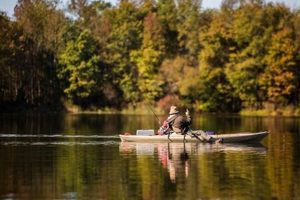
The James River, which flows through Richmond, Virginia, offers diverse opportunities for anglers. Small, human-powered vessels provide access to shallow-water habitats and secluded fishing spots often inaccessible to larger boats, allowing exploration of the river’s varied ecosystems and targeting specific species like smallmouth bass, catfish, and sunfish. This approach provides a unique, close-to-nature angling experience.
This activity provides significant recreational and economic benefits to the region. It contributes to the local tourism industry, supports related businesses such as outfitters and tackle shops, and promotes conservation efforts through organizations dedicated to maintaining healthy waterways. Historically, the James River has been a vital resource for the area, and its continued use for recreational fishing reflects its enduring importance.
Further exploration of this topic will cover specific locations, recommended equipment, relevant regulations, and the overall impact of this pastime on the Richmond area.
Tips for Kayak Fishing in Richmond, VA
Careful planning and preparation contribute significantly to a successful and enjoyable fishing excursion on the James River. The following tips offer valuable guidance for anglers of all skill levels.
Tip 1: Check the water levels and flow rates. The James River’s conditions can change rapidly. Consulting resources like the USGS website before heading out ensures safe navigation and optimal fishing conditions.
Tip 2: Obtain necessary licenses and permits. Compliance with Virginia fishing regulations is essential. Information on required licenses and permits can be found on the Virginia Department of Wildlife Resources website.
Tip 3: Choose appropriate safety gear. A personal flotation device (PFD) is mandatory, and a whistle, first-aid kit, and communication device are strongly recommended.
Tip 4: Plan your route and identify access points. Several public boat ramps and access points exist along the James. Researching these beforehand allows for efficient trip planning.
Tip 5: Pack essential fishing equipment. Rod and reel combinations suitable for targeted species, appropriate tackle, and a landing net contribute to successful angling.
Tip 6: Be aware of weather conditions. Monitor forecasts closely and avoid venturing out in inclement weather, especially thunderstorms or high winds.
Tip 7: Practice responsible angling. Adhere to catch-and-release guidelines where appropriate and properly dispose of all fishing line and other waste.
Adhering to these guidelines promotes safety, increases the likelihood of a successful fishing trip, and helps preserve the James River’s ecosystem for future generations.
By following these tips, anglers can ensure a safe and rewarding experience, contributing to the continued enjoyment of this popular Richmond pastime.
1. James River Access

Convenient access to the James River is fundamental to kayak fishing in Richmond, Virginia. The availability and characteristics of launch sites significantly influence angling opportunities and overall experience. Understanding these access points is crucial for planning successful fishing trips.
- Public Boat Ramps
Numerous public boat ramps facilitate launching kayaks into the James River. These designated areas typically offer parking, improved launch surfaces, and deeper water access. An example is the Ancarrow’s Landing ramp, providing convenient access to the lower James. The presence of these ramps enables anglers to transport and launch their kayaks safely and efficiently.
- Parks and Riverfront Areas
Many parks and riverfront areas offer alternative access points. While these locations may not have dedicated ramps, they provide shoreline access suitable for launching kayaks. Examples include Pony Pasture Rapids Park and Belle Isle, offering unique fishing opportunities in specific river sections. These areas may require carrying kayaks a short distance, but they often provide access to shallower waters and secluded fishing spots.
- Private Access Points
Some private properties or businesses may offer access to the James River for a fee or through membership. These locations may provide exclusive fishing opportunities or amenities. Careful consideration of access fees and regulations associated with private access points is essential.
- Tidal Influences
The James River is tidally influenced in the Richmond area. Understanding tidal fluctuations is critical for navigating shallow areas and accessing specific fishing spots. High tide may open up access to creeks and backwaters, while low tide can restrict navigation in certain sections. Checking tide charts before launching is recommended.
The variety of James River access points caters to different angling preferences and kayak types. Considering the characteristics of each access point, including parking availability, launch conditions, and proximity to desired fishing areas, allows anglers to optimize their kayak fishing experience in Richmond.
2. Kayak Selection

Appropriate kayak selection significantly impacts fishing success and overall enjoyment on the James River. Factors such as hull design, length, and features influence maneuverability, stability, and the ability to transport gear effectively. Careful consideration of these factors ensures a safe and productive fishing experience.
- Hull Design
Kayak hull designs impact stability and maneuverability. Flat-bottomed hulls offer excellent stability, ideal for calmer waters and stationary fishing, prevalent in areas like the tidal flats near Hopewell. Rounded or V-shaped hulls track better and handle currents more efficiently, suited for navigating faster-moving sections of the James like those around Bosher’s Dam. Pontoon-style hulls provide maximum stability, particularly beneficial for stand-up fishing.
- Length and Width
Longer kayaks generally track straighter and glide more efficiently, while shorter kayaks offer greater maneuverability in tight spaces, valuable when navigating the creeks and inlets branching off the main river channel. Wider kayaks offer increased stability but may be slower. Shorter, wider kayaks are often preferred for fishing in calmer areas, while longer, narrower kayaks are better suited for covering larger distances or navigating swifter currents.
- Features
Specialized features enhance fishing functionality. Rod holders, integrated tackle storage, and anchor systems streamline fishing activities. Sit-on-top kayaks often provide greater ease of entry and exit and allow for easier movement while fishing. Sit-inside kayaks offer protection from the elements and can be outfitted with rudders or skegs for improved tracking in windy conditions, an important consideration on open stretches of the James River.
- Weight Capacity
Kayak weight capacity must accommodate the angler, fishing gear, and any potential catch. Exceeding the weight capacity compromises stability and safety. Choosing a kayak with ample weight capacity ensures safe and stable performance on the water. This is especially important when carrying heavier equipment for larger species such as striped bass.
The selection of a suitable kayak directly relates to the specific conditions and target species of the James River. Choosing a kayak that balances stability, maneuverability, and features tailored to the intended fishing style enhances overall performance and enjoyment on the water. Matching kayak characteristics to the James River’s diverse environments, from calm backwaters to swift currents, ensures anglers can effectively target species ranging from panfish to larger game fish.
3. Fishing Regulations
Adherence to fishing regulations is crucial for the sustainability of aquatic resources and the ethical enjoyment of kayak fishing in Richmond, Virginia. Understanding and complying with these regulations ensures the long-term health of the James River ecosystem and preserves angling opportunities for future generations. Ignorance of regulations is not a valid defense against penalties.
- Licensing Requirements
Valid Virginia fishing licenses are mandatory for all anglers engaging in kayak fishing on the James River. Different license types exist, including resident, non-resident, and short-term options. Licenses can be obtained online through the Virginia Department of Wildlife Resources (DWR) website or from authorized license agents. Failure to possess a valid license can result in fines.
- Catch Limits and Size Restrictions
Specific catch limits and size restrictions apply to various fish species within the James River. These regulations aim to protect vulnerable populations and maintain balanced fish stocks. For example, smallmouth bass may have minimum size limits and daily creel limits. Regulations vary by species and location within the river; consulting the DWR website or printed guides provides current details.
- Prohibited Fishing Methods
Certain fishing methods may be prohibited or restricted to specific areas or times. For instance, the use of certain types of nets or fishing during spawning seasons might be restricted to protect fish populations. Specific regulations related to kayak fishing may exist, such as limitations on anchoring in certain areas. Staying informed about current regulations ensures compliance and avoids unintentional violations.
- Protected Species
Some fish species within the James River may be designated as protected or endangered. Targeting these species is strictly prohibited. Anglers bear responsibility for identifying their catch and immediately releasing any protected species unharmed. Accidental capture of a protected species should be reported to the DWR.
Responsible kayak fishing in Richmond necessitates thorough understanding and adherence to all applicable fishing regulations. Staying informed about current regulations through the DWR website and other resources contributes to the preservation of the James River’s fish populations and ensures the continued enjoyment of kayak fishing for all. Compliance with regulations demonstrates respect for the environment and fosters a sustainable approach to this popular recreational activity.
4. Safety Precautions
Safe practices are paramount for kayak fishing on the James River in Richmond, Virginia. The dynamic nature of the river environment, combined with the inherent risks associated with on-water activities, necessitates careful planning and adherence to safety guidelines. Neglecting safety precautions can lead to serious consequences, ranging from equipment damage to life-threatening situations. A proactive approach to safety ensures an enjoyable and incident-free fishing experience.
- Personal Flotation Devices (PFDs)
Wearing a properly fitted PFD is non-negotiable. PFDs provide essential buoyancy in the event of capsizing or accidental immersion, significantly increasing chances of survival. Virginia law mandates PFD usage for all individuals aboard kayaks. Selecting a comfortable, well-maintained PFD designed for kayaking ensures maximum effectiveness and encourages consistent use. A PFD is the single most important piece of safety equipment for kayak anglers on the James River.
- Weather Awareness
Monitoring weather forecasts before and during fishing trips is crucial. Sudden changes in weather conditions, such as thunderstorms or high winds, can create hazardous conditions on the water. Checking radar and wind forecasts, and having a plan for seeking shelter if necessary, minimizes risks associated with inclement weather. Postponing trips due to unfavorable forecasts demonstrates prudent decision-making and prioritizes angler safety.
- Navigation and Communication
Carrying a map, compass, or GPS device aids navigation, especially in unfamiliar areas or during low-light conditions. A charged cell phone in a waterproof case enables communication in emergencies. Informing someone onshore about planned fishing locations and estimated return times provides an additional layer of safety. Awareness of river hazards, such as dams, rapids, and submerged debris, contributes to safe navigation on the James River.
- Essential Safety Equipment
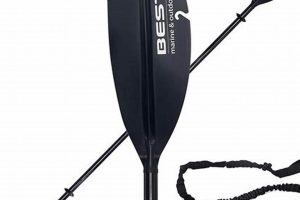
Carrying essential safety equipment enhances preparedness for unexpected situations. A whistle allows signaling for help in emergencies. A first-aid kit enables treatment of minor injuries. A bilge pump or bailer helps remove water from the kayak in case of swamping. A paddle leash prevents paddle loss in the event of capsizing. These items, while seemingly minor, can prove invaluable in maintaining safety and comfort during unforeseen circumstances on the water.
Prioritizing these safety precautions significantly mitigates risks associated with kayak fishing on the James River. A comprehensive understanding of potential hazards, combined with proactive preparation and adherence to safety guidelines, contributes to a safe and enjoyable experience. Responsible angling practices prioritize personal safety and demonstrate respect for the dynamic river environment. By embracing a safety-conscious approach, anglers can fully appreciate the recreational and sporting opportunities offered by kayak fishing in Richmond, Virginia.
5. Local Fishing Guides

Local fishing guides offer significant advantages for kayak anglers in Richmond, Virginia, particularly those unfamiliar with the James River. Their expertise extends beyond basic fishing techniques to encompass intimate knowledge of the river’s nuances, including productive fishing locations, optimal times for targeting specific species, and effective bait and tackle selections. This localized knowledge proves invaluable in maximizing fishing success and navigating the river’s diverse environments, from the shallow flats near Dutch Gap to the deeper channels around Rocketts Landing. Guides also provide instruction on kayak handling specific to the James River’s currents and tides, enhancing safety and angler confidence. For example, a guide might explain how to effectively fish the eddies below the 14th Street Bridge or demonstrate techniques for navigating the shallows near Presquile National Wildlife Refuge.
Engaging a local guide offers several practical benefits. Guides often provide all necessary fishing equipment, eliminating the need for anglers to transport their own gear. They can also assist with kayak transportation and launching, simplifying logistics. Beyond practicalities, guides contribute to a richer understanding of the James River ecosystem. They often share insights into local fish species, their behaviors, and the importance of conservation efforts. This educational component enhances the overall fishing experience and fosters responsible angling practices. Furthermore, guided trips can be customized to specific angler preferences, targeting particular species or focusing on specific techniques like fly fishing or drift fishing. This tailored approach ensures a personalized and rewarding experience, regardless of angler skill level. A guided trip might focus on catching smallmouth bass near Belle Isle or targeting channel catfish in the deeper holes downstream from the Huguenot Bridge.
Leveraging the expertise of local fishing guides represents a valuable investment for kayak anglers in Richmond. Their knowledge of the James River significantly increases fishing success while promoting safe and responsible angling practices. Beyond the immediate benefits of improved catches, engaging a guide fosters a deeper appreciation for the river’s ecosystem and contributes to a more enriching and educational on-the-water experience. This understanding underscores the significant role local guides play in enhancing the overall quality of kayak fishing in the Richmond area and promoting sustainable interactions with this valuable natural resource. Potential challenges, such as the cost of hiring a guide, are often outweighed by the enhanced experience and educational value provided. Considering the expertise and localized knowledge they offer, utilizing a local guide can prove instrumental in maximizing the enjoyment and success of kayak fishing trips on the James River.
Frequently Asked Questions about Kayak Fishing in Richmond, VA
This section addresses common inquiries regarding kayak fishing on the James River in Richmond, Virginia. Clear and concise answers provide prospective anglers with the information necessary to plan safe and successful fishing excursions.
Question 1: What are the most common fish species targeted by kayak anglers on the James River?
Common targets include smallmouth bass, largemouth bass, channel catfish, blue catfish, flathead catfish, and various sunfish species. Specific locations and techniques employed often dictate the species encountered.
Question 2: Are there specific regulations regarding kayak launching and retrieval on the James River?
Regulations regarding launching and retrieval vary depending on the specific access point. Some locations require permits or adherence to specific hours of operation. Consulting local authorities or the Virginia Department of Wildlife Resources (DWR) website provides clarification.
Question 3: What safety equipment is recommended beyond the legally required personal flotation device (PFD)?
Recommended safety equipment includes a whistle, first-aid kit, communication device (cell phone in a waterproof case), and a throw rope. A bilge pump or bailer and a paddle leash are also advisable.
Question 4: What are the tidal influences on kayak fishing in the Richmond area of the James River?
Tidal fluctuations affect water levels and current speeds, impacting access to certain areas and fishing conditions. Consulting tide charts before planning a trip is essential for successful navigation and fishing.
Question 5: Are there guided kayak fishing tours available on the James River?
Several licensed fishing guides offer kayak fishing tours on the James River. These guides provide expertise on local fishing spots, techniques, and regulations, enhancing the fishing experience for newcomers and experienced anglers alike.
Question 6: What environmental considerations should kayak anglers keep in mind on the James River?
Responsible angling practices include adhering to catch-and-release guidelines where appropriate, minimizing disturbance to wildlife, and properly disposing of all trash and fishing line. Respecting the river’s ecosystem ensures its preservation for future generations.
Careful consideration of these frequently asked questions enhances angler preparedness and promotes safe and responsible kayak fishing practices on the James River. Thorough planning contributes to a more enjoyable and successful experience.
Further sections will delve into specific locations suitable for kayak fishing on the James River and provide detailed information on tackle and techniques for targeting specific species.
Kayak Fishing Richmond VA
This exploration of kayak fishing in Richmond, Virginia, has highlighted the unique opportunities presented by the James River. Access points, kayak selection, fishing regulations, safety precautions, and the potential benefits of local fishing guides have been examined. Emphasis has been placed on responsible angling practices, including adherence to regulations and respect for the river’s ecosystem. Understanding these elements contributes significantly to a safe, productive, and enjoyable experience.
The James River offers a valuable recreational resource for anglers. Continued enjoyment of this resource hinges on responsible stewardship and informed participation. Careful planning, adherence to safety guidelines, and respect for the environment ensure the preservation of this unique fishery for future generations. Anglers are encouraged to contribute to the long-term health and accessibility of the James River by embracing sustainable fishing practices and actively supporting conservation efforts.