Landing large game fish from a small, human-powered vessel presents unique challenges and rewards. This pursuit requires specialized equipment, refined angling techniques, and a deep understanding of fish behavior and habitat. Imagine a powerful marlin hooked from a lightweight kayak the angler becomes intimately connected to the struggle, experiencing the raw power of nature in an unparalleled way.
This style of fishing offers a combination of affordability, accessibility, and environmental consciousness. Compared to larger motorized boats, kayaks provide a stealthier approach, minimizing disturbance to aquatic life. They also allow access to shallow waters and secluded fishing grounds often unreachable by conventional craft. The growing popularity of this approach reflects a desire for closer communion with nature and a more sustainable fishing practice. Historically, smaller vessels have been used for fishing, but the modern application with advanced kayaks and tackle opens up new possibilities for targeting trophy fish.
The following sections will explore the necessary equipment, techniques, and safety precautions involved in this thrilling pursuit. Topics covered include kayak selection, rod and reel choices, effective lure and bait strategies, fighting techniques, and responsible angling practices. Further, the discussion will encompass diverse geographic locations and species targeted, highlighting the adaptability of this dynamic fishing method.
Tips for Landing Large Fish from a Kayak
Successfully targeting large fish species from a kayak requires careful planning and execution. These tips offer guidance for maximizing success and ensuring angler safety.
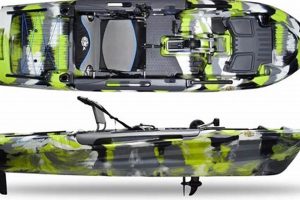
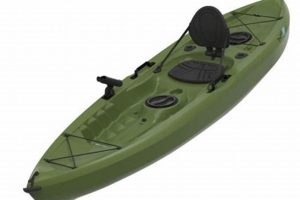
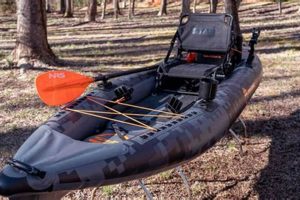
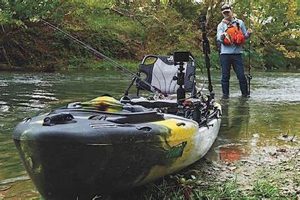
Tip 1: Choose the Right Kayak: Kayak stability and size are paramount. Longer, wider kayaks offer greater stability, especially crucial when battling powerful fish. Consider sit-on-top kayaks for easier maneuverability and re-entry if capsized.
Tip 2: Utilize Specialized Equipment: Heavy-duty rods, reels, and fishing line designed for large game fish are essential. A properly configured drag system is critical for managing powerful runs and preventing line breakage.
Tip 3: Master Kayak Control: Practice maneuvering the kayak effectively with one hand while simultaneously managing the rod and reel. This skill is essential for maintaining proper line tension and fish control.
Tip 4: Understand Fish Behavior: Knowledge of target species’ habits, preferred habitats, and feeding patterns significantly increases success rates. Researching local tides, currents, and water temperatures can provide valuable insights.
Tip 5: Employ Appropriate Fighting Techniques: Tire the fish gradually by applying consistent pressure while avoiding abrupt movements that could jeopardize stability. Utilize the kayak’s mobility to follow the fish and maintain an advantageous angle.
Tip 6: Prioritize Safety: Wear a personal flotation device (PFD) at all times. Carry essential safety equipment, including a signaling device, knife, and first-aid kit. Inform someone of your fishing plans and expected return time.
Tip 7: Practice Catch and Release Techniques: Proper handling and release practices minimize stress on the fish, ensuring their survival and contributing to sustainable fisheries. Use appropriate hooks and tools to minimize injury.
By adhering to these guidelines, anglers can enhance their chances of success while prioritizing safety and responsible fishing practices. These preparations contribute to a more rewarding and sustainable experience on the water.
This knowledge provides a foundation for a fulfilling angling experience. The next section will delve into specific techniques for various target species and locations.
1. Stable Kayak Platform

A stable kayak platform is paramount when targeting large fish species from a kayak. The inherent instability of a small vessel necessitates careful consideration of stability to ensure angler safety and successful fish landing. A stable platform allows the angler to focus on the fight, minimizing the risk of capsizing and maximizing control over the fish.
- Kayak Design and Selection
Kayak design significantly influences stability. Wider kayaks with flatter hulls offer greater primary stability, resisting initial tipping. Longer kayaks generally provide better secondary stability, recovering more readily from significant tilting. Specific kayak designs, like those with outriggers or pontoons, further enhance stability. Choosing a kayak appropriate for the target species and fishing conditions is critical. For example, a wider, more stable kayak is preferable in offshore conditions compared to a narrower, faster kayak better suited for calm inland waters.
- Weight Distribution and Balance
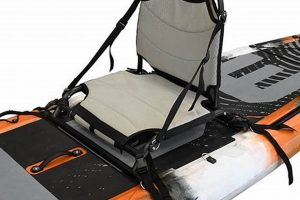
Proper weight distribution within the kayak is crucial for maintaining balance. Distributing gear evenly and keeping the center of gravity low enhances stability. Positioning heavier items closer to the center of the kayak minimizes rocking and tilting. Adjusting seating position can also impact balance, and anglers should experiment to find the optimal configuration for their kayak and body type. Maintaining balance becomes increasingly critical when fighting a large fish, as sudden movements or shifts in weight can compromise stability.
- Environmental Factors
Environmental conditions, including wind, waves, and currents, significantly impact kayak stability. Strong winds and choppy waters can create instability, requiring increased vigilance and careful maneuvering. Understanding and anticipating these conditions allows anglers to make informed decisions about fishing locations and strategies. For instance, sheltered bays and coves offer greater protection from wind and waves compared to open ocean environments.
- Angler Experience and Technique
Angler experience and technique contribute substantially to maintaining a stable kayak platform. Experienced anglers develop a keen sense of balance and employ techniques to counter the destabilizing forces of a fighting fish. Practicing basic kayak maneuvering skills, such as bracing and paddling with one hand, enhances control and stability. Regular practice in various conditions improves an angler’s ability to maintain balance and react effectively to unexpected movements or changes in the environment.
By carefully considering these factors, anglers can choose an appropriate kayak, maintain proper balance, and adapt to environmental conditions, thus maximizing stability. This enhanced stability allows for greater focus on the fight, improving the chances of successfully landing a large fish and ensuring angler safety. This preparation directly contributes to a more rewarding and secure experience on the water while pursuing trophy fish from a kayak.
2. Heavy-Duty Tackle

Targeting large fish species from a kayak necessitates specialized heavy-duty tackle capable of withstanding the immense forces generated during the fight. The selection and application of appropriate tackle directly influence the success rate and safety of the angler. This discussion explores key components of heavy-duty tackle and their relevance to this demanding fishing style.
- Rods
Heavy-duty rods designed for offshore or big-game fishing provide the necessary strength and backbone to manage powerful fish. These rods typically feature high-strength composite materials, reinforced guides, and robust reel seats. Rod length and action play crucial roles in casting distance, leverage, and shock absorption. A shorter rod offers greater control in close quarters, while a longer rod facilitates casting larger lures or baits. Fast-action rods provide greater sensitivity for detecting strikes and setting hooks, while slower-action rods offer more forgiving flexibility during prolonged fights. Selecting a rod appropriate for the target species and fishing environment is crucial for maximizing performance.
- Reels
High-capacity reels with robust drag systems are essential for battling large fish. Reels designed for offshore fishing typically incorporate corrosion-resistant materials, powerful gearing, and smooth drag mechanisms. The drag system’s ability to consistently apply pressure without slippage is critical for managing powerful runs and preventing line breakage. Spinning reels offer ease of use and long casting distances, while conventional reels provide greater cranking power and line capacity. Matching the reel size and line capacity to the target species ensures adequate line management during prolonged fights.
- Fishing Line
Braided fishing line offers superior strength and minimal stretch compared to monofilament, allowing for greater sensitivity and direct contact with the fish. Heavier line ratings, appropriate for the target species, provide the necessary breaking strength to withstand powerful runs and headshakes. The low stretch of braided line facilitates immediate hooksets and allows for greater control over the fish’s movements. Using a suitable leader material, such as fluorocarbon, enhances abrasion resistance and provides stealth in clear water.
- Terminal Tackle
Heavy-duty hooks, swivels, and leaders are crucial for securing large fish. Hooks designed for specific target species ensure proper hook penetration and holding power. Strong swivels prevent line twist during the fight, while heavy-duty leaders provide abrasion resistance against sharp teeth or rough structures. Using high-quality terminal tackle ensures the entire system can withstand the stresses of battling a large fish from a kayak.
The careful selection and proper utilization of heavy-duty tackle are paramount for success and safety when targeting large fish from a kayak. Matching the tackle to the specific species and fishing conditions maximizes performance and ensures the angler has the necessary tools to manage the power and unpredictability of these formidable opponents. This preparation enhances the overall experience, promoting a balance of excitement and safety on the water.
3. Strategic Fish Fighting

Landing a large fish from the confined space of a kayak presents unique challenges. Strategic fish fighting becomes paramount, distinguishing a successful capture from a lost opportunity or even a precarious situation. It involves a nuanced understanding of fish behavior, effective angling techniques, and adept kayak maneuvering. This intricate interplay of factors determines the outcome of the encounter.
- Drag Management
Proper drag setting is fundamental. Too much pressure risks line breakage, while too little allows the fish to run freely, potentially entangling the line or exhausting the angler. A finely tuned drag system allows the fish to tire gradually while maintaining sufficient line tension. Adjusting the drag dynamically throughout the fight, responding to the fish’s surges and lulls, is crucial. For example, increasing drag during a powerful run and easing it as the fish tires maximizes control and minimizes strain on the equipment.
- Kayak Positioning
Utilizing the kayak’s mobility is a key advantage. Positioning the kayak strategically allows for better leverage and control over the fish. Following the fish’s movements, while maintaining a safe distance, keeps the line taut and prevents slack. This maneuvering can involve paddling, repositioning the body within the kayak, or even using the paddle as a rudder to steer against the fish’s pull. For instance, paddling towards a running fish helps maintain line tension and reduces the risk of the line snapping.
- Rod Angle and Pressure
Maintaining the correct rod angle is crucial for applying effective pressure and preventing the hook from pulling free. Keeping the rod bent at an appropriate angle allows the rod’s flex to absorb shock and maintain consistent pressure on the fish. Adjusting the rod angle in response to the fish’s movements keeps the line tight and prevents the hook from dislodging. For example, raising the rod tip during a jump or dive exerts upward pressure, guiding the fish away from potential hazards.
- Patience and Endurance
Battling a large fish from a kayak demands patience and endurance. These encounters can be prolonged, requiring the angler to remain focused and composed throughout the fight. Conserving energy and maintaining a calm demeanor are crucial, especially during intense moments. Understanding the fish’s behavior and anticipating its movements allows the angler to adapt and apply appropriate pressure, gradually tiring the fish and increasing the likelihood of a successful landing.
Strategic fish fighting, encompassing drag management, kayak positioning, rod manipulation, and angler stamina, is essential for successfully landing large fish from a kayak. These interconnected elements transform a challenging physical contest into a calculated exercise in skill and strategy, maximizing the angler’s advantage while respecting the power and resilience of the fish. Mastering these techniques ensures a safer and more rewarding experience on the water, culminating in the successful capture of a prized trophy.
4. Comprehensive Safety Measures
Targeting large fish species from a kayak presents inherent risks. Comprehensive safety measures are not merely recommended but essential for mitigating these risks and ensuring angler well-being. The demanding nature of these fishing expeditions necessitates meticulous preparation and a proactive approach to safety, transforming potential hazards into manageable challenges.
- Personal Flotation Device (PFD)
A properly fitted PFD is paramount. It provides essential buoyancy in the event of capsizing, especially critical during a fight with a powerful fish. A PFD designed for fishing offers additional features, such as pockets for gear and high visibility colors for enhanced safety. Selecting a comfortable and appropriately sized PFD ensures unrestricted movement while providing crucial flotation assistance.
- Communication Equipment
Reliable communication is vital in remote fishing locations. A waterproof VHF radio allows for communication with other boaters and emergency services. Carrying a charged mobile phone in a waterproof case provides a backup communication method. Informing someone on shore of fishing plans, including location and expected return time, adds another layer of safety. These communication tools facilitate rapid response in emergencies.
- Essential Safety Gear
Carrying essential safety gear further enhances preparedness. A first-aid kit equipped to handle common fishing-related injuries, such as hook removals and cuts, is necessary. A sharp knife, readily accessible, aids in cutting lines or freeing entangled gear. A signaling device, such as a whistle or flare, assists in attracting attention in emergencies. These items provide essential resources for addressing unforeseen circumstances.
- Weather Awareness and Monitoring
Careful monitoring of weather conditions is crucial before and during any fishing trip. Checking marine weather forecasts and understanding local weather patterns allows anglers to make informed decisions about fishing locations and timing. Being aware of changing weather conditions, such as approaching storms or increasing winds, allows for timely adjustments to plans or a safe return to shore. This proactive approach minimizes exposure to hazardous weather conditions.
These comprehensive safety measures form an integral part of responsible kayak fishing, especially when targeting large species. They transform potential risks into manageable challenges, allowing anglers to focus on the thrill of the pursuit while ensuring their well-being. This proactive approach to safety underscores the importance of preparedness and responsible angling practices, contributing to a more secure and rewarding experience on the water. It allows anglers to confidently pursue their passion while minimizing potential dangers.
5. Respectful Handling Practices
Respectful handling practices are integral to the sustainability of “big fish from kayak” angling. Landing a large fish from a kayak presents a unique set of challenges, requiring careful consideration of the fish’s well-being throughout the capture and release process. These practices minimize stress and physical harm to the fish, ensuring their survival and contributing to the long-term health of the fishery. The physical limitations of a kayak necessitate efficient and mindful handling techniques to reduce the duration of the fish’s exposure to air and potential injury. For example, using a lip grip rather than squeezing the fish’s gills reduces stress and prevents damage to delicate gill structures. Similarly, keeping the fish in the water as much as possible during hook removal and photo opportunities minimizes air exposure and reduces the risk of suffocation.
Furthermore, employing appropriate tackle and techniques contributes significantly to respectful handling. Using circle hooks, designed to lodge in the corner of the fish’s mouth, reduces the likelihood of deep hooking and internal injuries. Carrying specialized tools, such as de-hookers and long-nosed pliers, facilitates quick and efficient hook removal, minimizing handling time. Additionally, reviving exhausted fish by gently moving them back and forth in the water allows them to recover before release, ensuring their survival after the encounter. These practices, combined with minimizing handling time and avoiding unnecessary stress, contribute to the conservation of targeted species. For instance, quickly releasing a deeply hooked fish, rather than attempting prolonged removal in the kayak, prioritizes the fish’s well-being and minimizes further injury.
Ultimately, respectful handling practices reflect a responsible angling ethic. They demonstrate a commitment to conservation and a recognition of the delicate balance within aquatic ecosystems. By prioritizing the health and survival of released fish, anglers contribute to the long-term viability of the fishery and ensure future generations can enjoy the pursuit of large fish from kayaks. This commitment to ethical angling aligns with broader conservation efforts, fostering sustainable fishing practices and protecting valuable natural resources. The careful application of these practices ensures a balance between the thrill of the catch and the responsibility of stewardship.
Frequently Asked Questions
This section addresses common inquiries regarding the pursuit of large fish from a kayak, providing clarity and practical insights for anglers considering this challenging and rewarding fishing style.
Question 1: What type of kayak is best suited for targeting large fish?
Kayak selection depends on the target species and fishing environment. Longer, wider kayaks offer enhanced stability, crucial when battling powerful fish. Sit-on-top kayaks are generally preferred for their self-bailing design and ease of re-entry after a potential capsize. Specialized fishing kayaks often incorporate features like rod holders, anchor trolleys, and live wells, further enhancing their suitability.
Question 2: What specialized equipment is necessary for this type of fishing?
Heavy-duty rods, reels, and fishing line designed for large game fish are essential. High-capacity reels with robust drag systems are crucial for managing powerful runs. Braided fishing line offers superior strength and sensitivity. Leaders, hooks, and other terminal tackle should also be appropriately sized for the target species.
Question 3: How does one manage a large fish from a small kayak?
Effective fish fighting techniques are essential. Proper drag management, strategic kayak positioning, and appropriate rod handling are crucial for maintaining control and tiring the fish. Patience and endurance are also key attributes for prolonged battles.
Question 4: What safety precautions are paramount when fishing for large fish from a kayak?
Wearing a personal flotation device (PFD) is non-negotiable. Carrying essential safety equipment, including a VHF radio, signaling device, first-aid kit, and knife, is crucial. Informing someone of fishing plans and expected return time is also a fundamental safety practice.
Question 5: What are the recommended fish handling practices?
Minimizing handling time and stress on the fish is crucial. Using appropriate tools, such as de-hookers and lip grips, facilitates efficient and gentle handling. Keeping the fish in the water as much as possible reduces air exposure and promotes survival after release.
Question 6: Is prior kayak fishing experience necessary for targeting large fish?
While prior experience is beneficial, it is not strictly required. However, novice anglers should start with smaller species and gradually progress to larger fish as their skills and confidence develop. Seeking guidance from experienced kayak anglers or participating in guided trips can greatly enhance learning and safety.
Careful consideration of these frequently asked questions enhances preparedness and contributes to a safer and more rewarding experience when pursuing large fish from a kayak. Understanding the specific challenges and requirements of this fishing style allows anglers to make informed decisions and maximize their chances of success while prioritizing safety and conservation.
The following section will delve into specific techniques for various target species and locations.
Big Fish from Kayak
Successfully targeting large fish from a kayak requires a nuanced understanding of equipment, technique, and safety. This pursuit necessitates specialized tackle capable of withstanding powerful runs and strategic fish-fighting techniques adapted to the unique challenges of a small, mobile platform. Prioritizing safety through proper equipment, communication devices, and adherence to safe practices is paramount. Respectful handling techniques ensure the well-being of the fish and contribute to the sustainability of this exciting angling method. This approach necessitates careful consideration of environmental factors, fish behavior, and ethical angling practices.
The pursuit of large fish from a kayak offers a unique blend of challenge, reward, and responsibility. It connects anglers directly with the raw power of nature, demanding respect for both the targeted species and the aquatic environment. As this specialized angling method continues to evolve, advancements in kayak design, tackle technology, and fishing techniques will undoubtedly further enhance the experience. However, the fundamental principles of preparedness, skillful execution, and ethical angling will remain the cornerstones of successful and sustainable “big fish from kayak” pursuits. The future of this dynamic fishing style relies on a continued commitment to responsible angling practices and a deep appreciation for the delicate balance within our aquatic ecosystems.