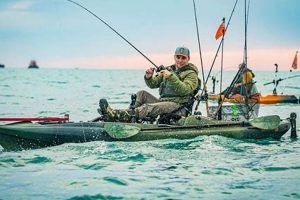
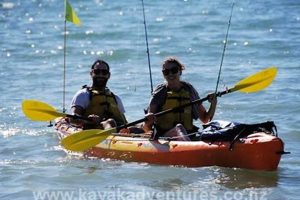
Pursuing the swift and powerful wahoo from a kayak presents a unique angling challenge. This specialized form of fishing involves targeting these pelagic predators in open ocean waters using a small, human-powered vessel. It requires specialized equipment, advanced angling skills, and a deep understanding of wahoo behavior and habitat. Typically, anglers employ high-speed trolling methods using lures or live bait to attract these fast-moving fish.
This demanding pursuit offers a thrilling experience for seasoned anglers seeking an intimate connection with the marine environment. The minimalist approach amplifies the challenge and reward, providing a visceral sense of accomplishment. Historically, kayak fishing has evolved from a simple mode of transportation and sustenance into a diverse recreational activity, with specialized branches like offshore pelagic fishing gaining popularity due to advancements in kayak design and fishing technology. The pursuit of powerful fish like wahoo from a kayak exemplifies this evolution, showcasing human ingenuity and a deep-seated passion for angling.
Further exploration of this topic will delve into essential equipment, effective techniques, safety considerations, and the conservation ethics associated with this exciting and evolving sport.
Tips for Wahoo Kayak Fishing
Successful wahoo kayak fishing requires careful planning and execution. The following tips offer guidance for a safe and productive experience.
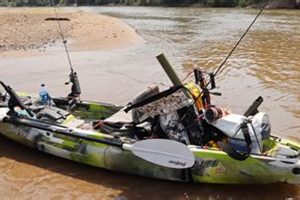
Tip 1: Choose the Right Kayak: A stable, ocean-worthy kayak designed for offshore fishing is essential. Look for features like high weight capacity, ample storage, and rudder systems for enhanced maneuverability in open water.
Tip 2: Utilize High-Quality Tackle: Heavy-duty rods, reels, and lines designed for big game fishing are crucial for battling powerful wahoo. High-speed trolling reels with strong drag systems are recommended.
Tip 3: Employ Effective Trolling Techniques: Vary trolling speeds and lure depths to find active wahoo. Using outriggers can widen the lure spread and increase the chances of attracting fish.
Tip 4: Prioritize Safety Equipment: A personal flotation device (PFD), a VHF radio, and a signaling device are mandatory. A GPS and fish finder are highly recommended for navigation and locating fish.
Tip 5: Understand Weather Conditions: Check marine forecasts before venturing offshore. Avoid fishing in strong winds, high seas, or inclement weather.
Tip 6: Practice Proper Fish Handling: Use appropriate tools and techniques for safely landing and releasing wahoo. Minimize handling time to reduce stress on the fish.
Tip 7: Respect Local Regulations: Adhere to all fishing regulations, including size limits, bag limits, and permitted fishing areas.
Adherence to these guidelines increases the likelihood of a safe and successful wahoo kayak fishing experience, maximizing enjoyment while minimizing risk.
By following these tips and prioritizing safety, anglers can embark on a rewarding pursuit of these prized pelagic fish.
1. Ocean-worthy Kayak

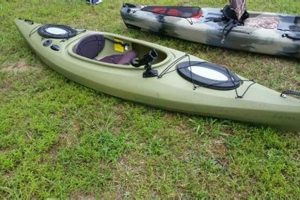
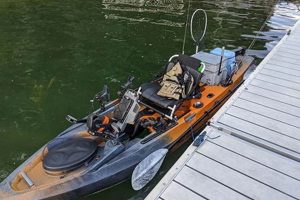
An ocean-worthy kayak forms the crucial foundation for wahoo kayak fishing. The inherent challenges of pursuing large, powerful pelagic fish in the open ocean necessitate a vessel capable of handling demanding conditions. Stability, speed, and seaworthiness are paramount. An unstable or poorly designed kayak compromises angler safety and reduces the likelihood of a successful outcome. A stable platform enables effective casting, fighting fish, and navigating unpredictable seas. Speed allows anglers to cover greater distances and keep pace with swift wahoo. Seaworthiness ensures the kayak can withstand challenging ocean conditions, including chop, swells, and potential encounters with larger marine life. For example, a longer, narrower kayak designed for speed and tracking in open water offers significant advantages over a shorter, wider recreational kayak intended for calmer waters. Choosing a kayak specifically designed for offshore fishing dramatically improves the chances of success and ensures angler safety.
Consideration of specific design features further emphasizes the importance of an appropriate kayak. Features like high initial stability, ample storage for gear and safety equipment, a rudder system for enhanced maneuverability, and durable construction contribute to a safe and effective wahoo fishing platform. Practical examples include kayaks with scupper holes for drainage, watertight hatches for storing essential gear, and integrated rod holders for convenient trolling. These features, while seemingly minor, contribute significantly to overall performance and safety in the demanding offshore environment.
Understanding the critical relationship between an ocean-worthy kayak and the pursuit of wahoo in the open ocean is paramount for both success and safety. Selecting the appropriate vessel, equipped with the necessary features, allows anglers to confidently and responsibly engage in this challenging and rewarding sport. Ignoring these fundamental principles increases risk and diminishes the chances of a successful outcome, underscoring the importance of careful planning and preparation.
2. High-speed trolling gear

High-speed trolling gear plays a pivotal role in wahoo kayak fishing. Wahoo are known for their speed and aggressive strikes, necessitating specialized equipment capable of enticing these pelagic predators. This gear typically includes heavy-duty rods and reels designed to withstand the strain of high-speed trolling and the powerful runs of a hooked wahoo. High-speed trolling reels, often featuring high gear ratios and robust drag systems, allow anglers to quickly retrieve line and maintain control during a fight. Specialized trolling lures, such as high-speed planers and skirted lures, are designed to mimic the movements of baitfish at higher speeds, attracting wahoo and triggering strikes. The connection between high-speed trolling gear and wahoo kayak fishing lies in the ability to effectively present lures at the speeds required to attract these fast-moving fish.
The importance of high-speed trolling gear becomes evident when considering the behavior of wahoo. These fish are ambush predators, relying on bursts of speed to capture prey. Trolling at slower speeds often proves ineffective, as the lures fail to simulate the rapid movement of fleeing baitfish. For instance, trolling a skirted lure at speeds of 6-8 knots can trigger a wahoo’s predatory instincts, whereas trolling the same lure at 3-4 knots might go unnoticed. High-speed trolling also allows anglers to cover more ground, increasing the chances of encountering wahoo in the vast expanse of the open ocean. Furthermore, the robust construction of high-speed trolling gear ensures durability and reliability when battling powerful fish in challenging offshore conditions. A heavy-duty rod and reel combination, coupled with strong braided fishing line, provides the necessary strength and control to successfully land a wahoo.
Effective wahoo kayak fishing hinges upon the appropriate selection and application of high-speed trolling gear. Understanding the relationship between wahoo behavior, trolling speeds, and specialized equipment contributes significantly to success. This specialized approach increases the probability of attracting and hooking wahoo while providing the necessary tools to manage these powerful fish in a kayak fishing environment. The selection of appropriate high-speed trolling gear directly influences the outcome of a wahoo kayak fishing expedition. Failing to utilize the correct equipment significantly reduces the likelihood of success, highlighting the importance of this critical element within the broader context of wahoo kayak fishing.

Open-ocean navigation represents a critical skill set for wahoo kayak fishing. The vastness and dynamic nature of the offshore environment necessitate precise navigation to ensure both a productive and safe experience. Effective navigation allows anglers to reach productive fishing grounds, maintain situational awareness, and safely return to shore. Unlike nearshore fishing, where landmarks and visual references are readily available, open-ocean navigation requires reliance on electronic tools, charts, and a comprehensive understanding of maritime principles.
- GPS and Chartplotting
Global Positioning System (GPS) technology, often integrated with chartplotters, forms the cornerstone of modern open-ocean navigation. These devices provide real-time location data, allowing anglers to pinpoint their position, mark waypoints, and track their movements. Chartplotters display electronic charts, providing crucial information about water depth, bottom contours, and potential hazards. Using GPS in conjunction with a chartplotter enables anglers to navigate safely to distant offshore fishing grounds, locate promising wahoo habitats, and maintain accurate positional awareness throughout their expedition. For example, marking a waypoint on a GPS when a wahoo is caught allows anglers to return to that specific location to target other fish in the area.
- Compass and Navigation Techniques
While electronic navigation tools are indispensable, traditional compass and navigation techniques serve as essential backups. Understanding basic compass bearings, dead reckoning, and celestial navigation provides a crucial safety net should electronic systems fail. These skills empower anglers to maintain a sense of direction and navigate safely back to shore in emergency situations. For instance, knowing how to use a compass in conjunction with a nautical chart allows anglers to maintain a course even in the absence of GPS data.
- Weather Forecasting and Interpretation
Open-ocean navigation requires careful consideration of weather conditions. Accessing and interpreting marine weather forecasts is essential for planning safe and productive fishing trips. Understanding wind patterns, wave heights, and current flows allows anglers to make informed decisions about when and where to fish, minimizing risks associated with changing weather conditions. For example, avoiding areas with strong currents or high seas enhances safety and improves fishing conditions, particularly when battling powerful fish like wahoo from a kayak.
- Situational Awareness and Emergency Preparedness
Maintaining situational awareness is paramount in open-ocean navigation. Being constantly aware of one’s surroundings, including other vessels, marine life, and changing weather conditions, enhances safety. Having a well-defined emergency plan, including communication devices like a VHF radio and signaling equipment, is essential in case of unforeseen circumstances. For instance, knowing how to contact the Coast Guard or other boaters in case of an emergency is crucial for ensuring a safe return to shore.
Proficient open-ocean navigation skills contribute significantly to a safe and successful wahoo kayak fishing experience. These skills enable anglers to confidently explore offshore waters, locate promising fishing grounds, and safely return to shore. Integrating electronic tools with traditional navigation techniques, coupled with a comprehensive understanding of weather patterns and emergency preparedness, forms the foundation for responsible and effective open-ocean navigation within the context of wahoo kayak fishing. Neglecting these crucial elements significantly increases risk and diminishes the likelihood of a positive outcome.
4. Safety Equipment (PFD, VHF)

Safety equipment, particularly Personal Flotation Devices (PFDs) and Very High Frequency (VHF) radios, stands as a non-negotiable requirement for wahoo kayak fishing. The inherent risks associated with open-ocean pursuits necessitate a proactive approach to safety, prioritizing preparedness for unforeseen circumstances. Focusing on essential safety equipment mitigates potential hazards and underscores a commitment to responsible angling practices.
- Personal Flotation Devices (PFDs)
PFDs serve as the primary life-saving device in the event of capsizing or accidental overboard entry. A properly fitted and inherently buoyant PFD provides essential flotation, increasing survival chances in challenging open-ocean conditions. Specifically designed for kayaking or angling, PFDs offer freedom of movement while providing crucial buoyancy. Wearing a PFD is not merely a precaution; it is a fundamental safety practice that significantly enhances survivability in the event of an emergency.
- Very High Frequency (VHF) Radios
VHF radios provide a crucial communication link in the open ocean. These devices allow direct communication with the Coast Guard, other vessels, and onshore contacts. In the event of an emergency, a VHF radio can transmit distress calls and relay critical information regarding location and the nature of the emergency. Waterproof and handheld VHF radios, specifically designed for marine environments, offer portability and reliability. Regularly checking the radio’s functionality and understanding proper communication protocols further enhances its effectiveness as a safety tool. A VHF radio empowers anglers to summon assistance quickly and effectively, significantly increasing the likelihood of a timely response in critical situations.
- Signaling Devices (Flares, Whistles, Mirrors)
Visual and auditory signaling devices complement VHF radios, providing additional means of attracting attention in emergency situations. Flares produce bright, visible signals, especially at night. Whistles offer a compact and effective way to signal distress audibly. Signal mirrors can reflect sunlight towards distant vessels or aircraft, increasing visibility and the chances of being noticed. Carrying a combination of these signaling devices increases the probability of attracting attention and receiving assistance in the event of an emergency.
- Emergency Preparedness Kit (First-Aid, Tools, Supplies)
A comprehensive emergency preparedness kit provides essential resources for addressing unforeseen circumstances. A well-stocked kit might include a first-aid kit for treating minor injuries, basic tools for making repairs, emergency food and water rations, and a waterproof container for storing essential documents and electronics. The specific contents of the kit can be tailored to the anticipated conditions and duration of the fishing trip. Having a readily accessible emergency kit enhances preparedness and allows anglers to address minor issues or sustain themselves until assistance arrives.
The consistent and proper use of safety equipment is integral to responsible wahoo kayak fishing. Prioritizing safety not only mitigates potential risks but also fosters a culture of preparedness within the angling community. Understanding the function and application of essential safety gear, particularly PFDs and VHF radios, underscores a commitment to safe and responsible open-ocean angling practices. This proactive approach to safety enhances the overall experience and ensures that wahoo kayak fishing remains a rewarding and sustainable pursuit.
5. Weather Awareness

Weather awareness forms a cornerstone of safe and successful wahoo kayak fishing. The open-ocean environment exposes anglers to unpredictable weather patterns, necessitating a proactive approach to planning and execution. Understanding prevailing weather conditions, anticipating potential changes, and making informed decisions based on accurate forecasts directly influences angler safety and the overall outcome of the fishing expedition. Neglecting weather awareness significantly increases risk and can lead to hazardous situations in the exposed offshore environment.
The dynamic nature of weather systems requires constant vigilance. Checking marine forecasts before embarking on a wahoo kayak fishing trip provides crucial baseline information. Accessing up-to-date weather information throughout the day allows anglers to monitor changing conditions and make informed decisions about continuing or altering their plans. For example, an unexpected shift in wind direction or an increase in wave height could necessitate returning to shore earlier than anticipated. Similarly, understanding the influence of local weather patterns, such as afternoon thunderstorms or seasonal wind shifts, enhances preparedness and allows anglers to anticipate potential changes in conditions. Consider the scenario of an angler venturing offshore without checking the forecast, only to encounter deteriorating conditions miles from shore. Such a situation could easily escalate into a dangerous scenario, highlighting the critical importance of weather awareness. Conversely, an angler who diligently monitors weather updates can adapt their plans accordingly, ensuring a safer and more productive fishing experience.
Prioritizing weather awareness demonstrates a commitment to responsible angling practices. It equips anglers with the knowledge required to make informed decisions, minimizing risk and maximizing safety in the dynamic open-ocean environment. This proactive approach not only benefits individual anglers but also contributes to a culture of safety within the broader kayak fishing community. Weather awareness functions as an integral element of successful wahoo kayak fishing, underscoring the importance of preparedness, adaptability, and respect for the power of natural forces.
6. Fish Handling Techniques
Proper fish handling techniques are essential in wahoo kayak fishing, contributing significantly to both conservation efforts and angler safety. Wahoo, as powerful pelagic predators, require careful handling to minimize stress on the fish and reduce the risk of injury to the angler. Effective techniques prioritize the well-being of the fish while ensuring a safe and efficient release process. For instance, using a lip grip and de-hooking tool minimizes handling time and reduces the likelihood of damaging the wahoo’s sensitive gill plates or jaw structure. This approach promotes a quick and healthy release, maximizing the fish’s chances of survival.
The connection between proper fish handling and conservation lies in minimizing the physiological impact on the released wahoo. Reducing handling time, avoiding contact with sensitive areas, and using appropriate tools contribute to a less stressful release. This, in turn, improves post-release survival rates, preserving wahoo populations for future generations. Consider the example of an angler removing a hook quickly and efficiently using a de-hooking tool while supporting the wahoo’s body alongside the kayak. This minimizes air exposure and reduces the fish’s struggle, promoting a healthy release. Conversely, prolonged handling or improper gripping techniques can lead to exhaustion, injury, and increased mortality, negatively impacting the overall wahoo population.
Understanding and implementing appropriate fish handling techniques benefits both the wahoo and the angler. Safe handling practices reduce the risk of injury from the wahoo’s sharp teeth and powerful tail. Using appropriate tools and techniques ensures a controlled and efficient release process, minimizing the chance of accidental injury to the angler. Furthermore, employing best practices demonstrates a commitment to responsible angling, contributing to the long-term sustainability of the wahoo fishery. Ultimately, proper fish handling techniques represent a critical component of ethical and sustainable wahoo kayak fishing, ensuring the health of the fish population and the safety of anglers.
7. Conservation Practices

Conservation practices are integral to the sustainability of wahoo kayak fishing. Maintaining healthy wahoo populations ensures the long-term viability of this exciting sport. Responsible angling practices minimize environmental impact and contribute to the overall health of the marine ecosystem. Understanding and implementing these practices demonstrates a commitment to preserving this valuable resource for future generations.
- Selective Harvest
Selective harvest focuses on targeting specific sizes and quantities of wahoo. Adhering to size limits, established by local regulations, protects juvenile fish and ensures they reach maturity and contribute to the breeding population. Respecting bag limits, which restrict the number of fish an angler can keep, prevents overfishing and helps maintain a healthy population balance. For example, releasing smaller wahoo allows them to grow and reproduce, contributing to the long-term health of the fishery. Choosing to keep only a few larger fish, within established limits, ensures a sustainable harvest while minimizing impact on the overall population.
- Catch and Release Best Practices
Catch and release practices play a crucial role in wahoo conservation. Minimizing handling time, using appropriate de-hooking tools, and supporting the fish during release reduces stress and improves post-release survival rates. Avoiding contact with sensitive gill plates and minimizing air exposure further enhances the fish’s chances of recovery. For instance, quickly removing a hook with a de-hooking tool and reviving a fatigued wahoo alongside the kayak before release increases its likelihood of survival. These practices demonstrate a commitment to responsible angling and contribute directly to the health and sustainability of wahoo populations.
- Habitat Protection
Protecting wahoo habitats is essential for maintaining healthy populations. Avoiding anchoring in sensitive areas, such as coral reefs or seagrass beds, prevents damage to these vital ecosystems. Properly disposing of fishing line and other debris minimizes pollution and its impact on marine life. Respecting closures and protected areas, designed to safeguard critical habitats, further contributes to overall ecosystem health. For example, retrieving lost fishing line not only prevents entanglement of marine animals but also reduces plastic pollution in the ocean. These actions, while seemingly small, collectively contribute to the preservation of essential wahoo habitats.
- Responsible Reporting and Data Collection
Reporting catch data and participating in tagging programs provides valuable information for fisheries management. Accurate data on catch rates, sizes, and locations helps scientists assess the health of wahoo populations and make informed management decisions. Tagging programs allow researchers to track wahoo movements, understand migration patterns, and gather critical data on growth rates and survival. Participating in these initiatives contributes to a broader understanding of wahoo biology and ecology, informing effective conservation strategies. For instance, reporting the catch of a tagged wahoo provides researchers with valuable information about the fish’s movement and growth, contributing to a better understanding of the species and informing management decisions.
Integrating conservation practices into wahoo kayak fishing ensures the long-term health and sustainability of this valuable resource. By embracing responsible angling techniques and actively participating in conservation efforts, anglers contribute to the preservation of wahoo populations and the overall health of the marine environment. This commitment to sustainability safeguards the future of wahoo kayak fishing for generations to come.
Frequently Asked Questions
Addressing common inquiries regarding wahoo kayak fishing provides clarity and promotes informed participation in this specialized angling pursuit. The following responses offer insights into key aspects of this demanding yet rewarding sport.
Question 1: What type of kayak is best suited for targeting wahoo?
Kayaks designed specifically for offshore fishing are recommended. These typically feature enhanced stability, ample storage, and rudder systems for improved maneuverability in open ocean conditions. A sit-on-top design is generally preferred for its self-bailing capabilities and ease of re-entry in the event of capsize.
Question 2: What specialized gear is required for wahoo kayak fishing?
High-speed trolling gear, including heavy-duty rods, reels, and lines, is essential. High gear ratio reels with robust drag systems are crucial for managing fast-moving wahoo. Specialized trolling lures, such as high-speed planers and skirted lures, are designed to attract these pelagic predators.
Question 3: How far offshore do anglers typically venture for wahoo?
Wahoo inhabit pelagic waters, often requiring anglers to venture several miles offshore. The specific distance depends on local bathymetry, currents, and the presence of suitable wahoo habitat. Consulting local fishing reports and charts can provide insights into productive areas.
Question 4: What safety precautions are paramount in wahoo kayak fishing?
Prioritizing safety is paramount. Wearing a personal flotation device (PFD) at all times is non-negotiable. Carrying a VHF radio, signaling devices, and a comprehensive emergency kit is crucial for preparedness in the open ocean. Checking marine weather forecasts before departure and throughout the day is essential for mitigating weather-related risks.
Question 5: What fish handling techniques promote conservation in wahoo kayak fishing?
Minimizing handling time, using appropriate de-hooking tools, and supporting the fish during release reduces stress and improves post-release survival rates. Avoiding contact with sensitive gill plates and minimizing air exposure are crucial for promoting healthy releases and conserving wahoo populations.
Question 6: What role do conservation practices play in wahoo kayak fishing?
Conservation practices ensure the long-term sustainability of the fishery. Adhering to size and bag limits, practicing catch and release whenever possible, and protecting wahoo habitats contribute to healthy populations and the overall health of the marine ecosystem.
Careful consideration of these frequently asked questions enhances preparedness and promotes responsible participation in wahoo kayak fishing. Prioritizing safety, employing effective techniques, and adhering to conservation principles ensures a rewarding and sustainable angling experience.
Further exploration of this topic might include detailed discussions of specific techniques, equipment recommendations, or regional variations in wahoo kayak fishing practices.
Wahoo Kayak Fishing
Wahoo kayak fishing presents a unique challenge, demanding specialized skills and equipment. From the selection of an appropriate ocean-worthy kayak and high-speed trolling gear to the mastery of open-ocean navigation and adherence to strict safety protocols, success hinges on meticulous preparation and execution. Proper fish handling techniques and a commitment to conservation practices further underscore the importance of responsible angling within this demanding pursuit. Each element, from equipment selection to environmental awareness, contributes to a safe and sustainable approach to wahoo kayak fishing.
The pursuit of wahoo from a kayak represents a pinnacle of angling skill and embodies a deep connection with the marine environment. Continued emphasis on responsible practices, ongoing refinement of techniques, and a dedication to conservation will ensure the future of this exhilarating sport. The challenge inherent in wahoo kayak fishing underscores its allure, offering a rewarding experience for those willing to dedicate themselves to mastering its intricacies and contributing to its sustainable future. It represents not just a sport, but a testament to human ingenuity and a profound respect for the natural world.