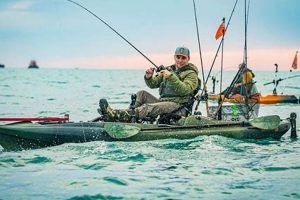
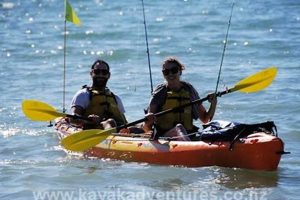
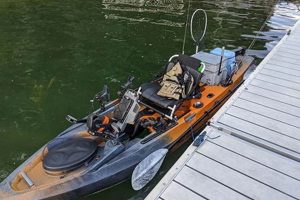
Shallow-water angling from small, human-powered vessels offers a unique and rewarding experience in the protected waters around the northern Florida peninsula. This approach allows close-to-nature observation of diverse marine ecosystems and access to areas unreachable by larger boats, increasing the likelihood of encountering species such as redfish, trout, and flounder. The calm, clear waters provide excellent visibility for sight fishing and offer a quiet, non-motorized approach that minimizes disturbance to the environment and the fish.
This style of fishing provides numerous benefits, including affordability, accessibility, and a low environmental impact. It offers a physical yet relaxing way to engage with the outdoors and fosters a deeper appreciation for the coastal ecosystem. Historically, small boats have played a crucial role in the region’s fishing traditions, and the modern adaptation continues to offer a sustainable and enjoyable way to participate in this heritage.
Further exploration of this topic will delve into the specific techniques, equipment, and regulations relevant to this region, as well as the diverse species available to anglers and the optimal times and locations to pursue them. Information on local guides, outfitters, and conservation efforts will also be provided to enhance the reader’s understanding and experience.
Tips for Successful Kayak Fishing
Careful planning and preparation contribute significantly to a productive and enjoyable fishing experience from a kayak. The following tips offer guidance for anglers of all skill levels.
Tip 1: Prioritize Safety. Always wear a personal flotation device and carry essential safety equipment, including a whistle, signaling mirror, and communication device. Check weather forecasts before departure and be aware of changing conditions.
Tip 2: Choose Appropriate Gear. Select a kayak designed for stability and fishing functionality. Rods and reels should be suited to the target species and the environment. Tackle selection should include lures and bait appropriate for local fish.
Tip 3: Plan Your Route. Research potential fishing spots and map out a route considering tides, currents, and wind. Identify areas with structure, such as oyster bars or grass flats, which often attract fish.
Tip 4: Practice Kayak Control. Develop proficiency in paddling and maneuvering the kayak, especially in windy or shallow conditions. This allows anglers to maintain position and effectively present bait or lures.
Tip 5: Employ Stealth Techniques. Approach fishing areas quietly and avoid sudden movements that might spook fish. Minimize noise and vibrations from the kayak and equipment.
Tip 6: Understand Local Regulations. Obtain necessary fishing licenses and familiarize oneself with size and catch limits for target species. Adhere to all regulations regarding protected areas and fishing methods.
Tip 7: Respect the Environment. Practice catch and release whenever possible. Properly dispose of fishing line and other waste. Minimize disturbance to wildlife and their habitats.
By adhering to these guidelines, anglers can maximize their chances of success while ensuring a safe and responsible experience on the water. Preparation and mindful practices enhance both fishing outcomes and the preservation of the natural environment.
These tips provide a foundation for a rewarding experience. The following section offers a detailed exploration of specific techniques and tactics to further enhance angling success.
1. Protected Bay Waters

The sheltered nature of St. Joseph Bay plays a crucial role in the appeal and viability of kayak fishing around Cape San Blas. These protected waters offer a significantly calmer environment compared to the open Gulf of Mexico, mitigating the impact of waves and strong currents. This calmer environment provides several advantages for kayak anglers. Kayak stability is enhanced, allowing for easier casting, retrieval, and fish fighting. The reduced wave action also minimizes fatigue and allows for longer fishing trips. Furthermore, the clearer water within the bay improves visibility, benefiting sight fishing techniques often employed for species like redfish and trout. The bay’s sheltered environment also fosters a richer ecosystem, providing nursery grounds for numerous fish species and contributing to the overall abundance of marine life. For example, the calmer waters allow seagrass beds to thrive, providing crucial habitat for juvenile fish and attracting larger predatory species sought by anglers.
The protection offered by the bay is particularly important for less experienced kayakers. The calmer conditions provide a safer environment for learning and practicing kayak handling skills. This accessibility expands the appeal of kayak fishing to a wider range of individuals, from novice anglers to seasoned professionals. The sheltered nature of St. Joseph Bay also creates a unique microclimate, often resulting in milder temperatures compared to the exposed coastline. This can extend the fishing season, offering comfortable angling opportunities even during shoulder seasons. The bay’s protection also provides a haven for wildlife, creating opportunities for birdwatching and other nature-based activities in conjunction with fishing.
In summary, the protected waters of St. Joseph Bay are integral to the Cape San Blas kayak fishing experience. The calmer environment enhances safety, improves fishing conditions, fosters a thriving ecosystem, and broadens the appeal of this activity to a larger audience. Understanding the influence of these sheltered waters is essential for planning successful and enjoyable fishing trips in this unique coastal environment.
2. Shallow-Water Access

Shallow-water access represents a defining characteristic of kayak fishing around Cape San Blas, significantly influencing species availability and angling techniques. Kayaks, with their shallow draft, grant access to areas unreachable by larger, motorized boats. This advantage opens up prime fishing grounds teeming with sought-after species.
- Foraging Grounds for Target Species
Shallow flats, estuaries, and protected coves serve as essential foraging grounds for species like redfish, trout, and flounder. These areas provide rich feeding opportunities, concentrating fish and making them accessible to kayak anglers. The shallow depths allow for sight fishing, a popular technique involving visual identification and targeted casting to individual fish.
- Stealth and Approach
Kayaks offer a quiet, non-motorized approach, minimizing disturbance to shallow-water environments. This stealth advantage reduces the likelihood of spooking fish, increasing the chances of successful presentations. The low profile of a kayak also enhances an angler’s ability to blend into the surroundings and approach fish undetected.
- Navigating Complex Terrain
The maneuverability of kayaks excels in shallow, complex environments. Navigating tight channels, oyster bars, and submerged vegetation becomes feasible, offering access to hidden pockets holding fish often undisturbed by other angling methods. This agility expands the range of fishable water, creating more opportunities for encounters.
- Tidal Influence and Fish Behavior
Shallow water environments are highly influenced by tidal fluctuations. Understanding tide charts and their impact on fish movement is crucial for kayak anglers. Incoming tides flood flats, bringing baitfish and attracting larger predators, while outgoing tides concentrate fish in deeper channels. This dynamic interaction creates predictable feeding patterns exploitable by anglers.
The interplay of these facets underscores the importance of shallow-water access in the context of Cape San Blas kayak fishing. The ability to navigate these unique ecosystems provides anglers with an intimate connection to the marine environment and significantly enhances the likelihood of successful fishing excursions. The shallows offer not just access to fish, but a distinct angling experience characterized by stealth, observation, and strategic exploitation of the natural environment.
3. Diverse Fish Species
The diverse fish species inhabiting the waters around Cape San Blas contribute significantly to the area’s appeal as a kayak fishing destination. This rich biodiversity provides anglers with opportunities to target a variety of species, employing diverse techniques and experiencing the region’s unique ecological tapestry. The range of species, from inshore game fish to smaller, abundant forage fish, creates a complex and dynamic food web that supports a thriving fishery.
- Redfish (Sciaenops ocellatus)
Redfish represent a popular target for kayak anglers due to their aggressive feeding habits and their prevalence in the shallow flats and seagrass beds around Cape San Blas. They are readily targeted with artificial lures and bait, providing an engaging angling experience. Their distinctive copper-red coloration and black spot near the tail make them easily identifiable. Redfish contribute significantly to the local ecosystem and hold both recreational and economic value.
- Spotted Seatrout (Cynoscion nebulosus)
Spotted seatrout, also known as speckled trout, are another prized game fish found in abundance around Cape San Blas. Their preference for grassy flats and oyster bars makes them ideal targets for kayak anglers. They are known for their elusive nature and their powerful runs, offering a challenging yet rewarding fishing experience. Their dietary habits contribute to ecosystem balance, and their presence sustains a vibrant recreational fishery.
- Flounder (Paralichthys lethostigma)
Flounder, with their unique camouflage and bottom-dwelling habits, provide a different type of angling challenge. Kayak anglers often target them using live bait or jigs fished along sandy bottoms or near structures. Their ability to blend seamlessly with the seabed makes them masters of ambush, requiring patience and skill to hook. Flounder play an essential role in the benthic ecosystem and contribute to the diversity of the local fishery.
- Other Notable Species
Beyond these primary targets, Cape San Blas waters host a variety of other species accessible to kayak anglers, including black drum, sheepshead, and Spanish mackerel. This diversity expands angling possibilities and allows for exploration of different techniques and habitats. These species contribute to the overall health of the ecosystem and offer additional recreational opportunities, enhancing the appeal of Cape San Blas as a fishing destination.
The diverse fish species found in the waters surrounding Cape San Blas are integral to the overall kayak fishing experience. The variety of target species, coupled with the unique habitats they occupy, offers a dynamic and rewarding angling experience. This rich biodiversity underlines the ecological importance of the area and solidifies Cape San Blas’s position as a prime destination for kayak fishing enthusiasts.
4. Launch Site Selection
Strategic launch site selection is paramount for a successful kayak fishing excursion around Cape San Blas. Choosing the right location significantly influences access to target species, optimizes fishing time, and enhances overall safety. Careful consideration of several factors ensures anglers maximize their experience on the water.
- Proximity to Target Species Habitats
Different fish species inhabit specific habitats within St. Joseph Bay. Redfish often frequent shallow grass flats, while trout may prefer deeper channels or oyster bars. Selecting a launch site close to the desired fishing grounds minimizes travel time and allows anglers to focus on fishing rather than paddling long distances. For example, launching near Scallop Cove provides quick access to productive grass flats known for redfish, while launching from a point closer to the Intracoastal Waterway may be more suitable for targeting trout.
- Tidal Currents and Wind Conditions
Tidal flows and wind patterns significantly impact kayak navigation and fishing effectiveness. Launching into a strong headwind or against a swift current can be challenging and tiring. Consulting tide charts and wind forecasts before selecting a launch site helps determine optimal departure times and locations. Launching with the outgoing tide can provide an advantage when fishing near inlets or channels as fish concentrate in these areas. Similarly, choosing a launch site sheltered from prevailing winds enhances kayak control and reduces drift.
- Accessibility and Parking Availability
Practical considerations such as accessibility and parking availability also influence launch site selection. Some locations offer convenient kayak launches with ample parking, while others require carrying kayaks a considerable distance. Evaluating these factors beforehand simplifies logistics and ensures a smoother start to the fishing trip. Public boat ramps and designated kayak launch areas within the St. Joseph Bay State Buffer Preserve provide convenient access, while other locations might require launching directly from the beach.
- Safety Considerations and Emergency Access
Prioritizing safety is paramount in any kayak fishing venture. Choosing a launch site with relatively calm waters, especially for less experienced kayakers, enhances safety. Additionally, considering proximity to emergency access points or areas with cell phone reception is crucial in case of unforeseen circumstances. Familiarizing oneself with local emergency procedures and having a float plan shared with someone onshore ensures a higher level of preparedness.
By carefully evaluating these factors, anglers can select launch sites that align with their target species, fishing style, and skill level. Effective launch site selection directly contributes to a more productive, enjoyable, and safe kayak fishing experience in the diverse waters around Cape San Blas. Optimizing launch location maximizes fishing time, improves access to prime fishing grounds, and enhances overall enjoyment of this unique coastal fishery.
5. Tidal Flow Impact

Tidal flow exerts a profound influence on kayak fishing success around Cape San Blas. Understanding tidal cycles and their impact on fish behavior and habitat accessibility is crucial for anglers seeking to maximize their catch. The rise and fall of tides reshape the underwater landscape, creating dynamic feeding patterns and influencing the movement of target species.
- Currents and Fish Movement
Tidal currents create predictable pathways for baitfish and predators. Incoming tides flood shallow flats, carrying food sources and attracting fish like redfish and trout. Conversely, outgoing tides concentrate fish in channels and deeper holes as water recedes. Recognizing these patterns allows anglers to position themselves strategically for optimal fishing opportunities. For instance, fishing the edges of grass flats during an incoming tide can be highly productive as redfish move in to ambush prey.
- Water Depth and Accessibility
Tidal fluctuations dramatically alter water depths, impacting accessibility to different fishing grounds. Shallow areas reachable during high tide become inaccessible during low tide, and vice versa. This dynamic requires anglers to plan their trips according to tidal charts. For example, accessing shallow oyster bars for sheepshead might only be feasible during higher tides, while deeper channels become prime fishing spots during low tide.
- Baitfish Concentration and Predator Activity
Tidal flow influences the concentration of baitfish, directly impacting predator behavior. Strong currents can push baitfish against shorelines, structures, or into eddies, creating feeding opportunities for larger fish. Observing these baitfish concentrations and understanding how tides influence their movement can help anglers locate predatory species like redfish and trout actively hunting for prey.
- Impact on Fishing Techniques
Tidal flow dictates the effectiveness of various fishing techniques. Drift fishing with live bait can be highly productive during moving tides, allowing natural presentation along current lines. Conversely, calmer periods during slack tide might favor sight fishing or bottom fishing with jigs or artificial lures. Adapting techniques based on tidal conditions is essential for maximizing fishing success. For example, using topwater lures during a falling tide in a channel can be effective as fish become concentrated and actively feed.
In the context of Cape San Blas kayak fishing, understanding tidal flow is not merely beneficial but essential for optimizing fishing outcomes. The intricate interplay between tides, currents, and fish behavior necessitates careful planning and adaptation. By incorporating tidal knowledge into their strategies, anglers can significantly enhance their chances of success and gain a deeper appreciation for the dynamic coastal environment they are fishing.
6. Kayak Stability

Kayak stability is a critical factor influencing the success and enjoyment of fishing excursions in the waters around Cape San Blas. The bay’s varying conditions, from calm, shallow flats to areas with moderate currents and occasional boat wakes, necessitate a stable platform for effective angling. A stable kayak enhances safety, improves fishing performance, and contributes to a more comfortable and confident experience on the water.
- Impact on Casting and Retrieval
A stable kayak provides a secure base for casting and retrieving lines, particularly in windy conditions or when battling larger fish. Unnecessary rocking or tipping can disrupt casting accuracy and compromise line control, decreasing the chances of a successful hookup. A stable platform allows anglers to focus on their technique and respond effectively to fish strikes without the added challenge of maintaining balance.
- Maneuverability in Shallow Water
Navigating the shallow flats, oyster bars, and narrow channels characteristic of Cape San Blas requires a kayak that balances stability with maneuverability. A stable kayak allows anglers to confidently navigate these complex environments without fear of tipping, facilitating access to prime fishing locations often inaccessible to larger vessels. This maneuverability is crucial for precise boat control when approaching shallow-water species like redfish and trout.
- Safety and Confidence in Varying Conditions
Conditions in St. Joseph Bay can change rapidly, with winds and boat traffic potentially creating choppy water. Kayak stability becomes paramount in such situations, providing anglers with a sense of security and minimizing the risk of capsizing. This stability boosts confidence, allowing anglers to focus on fishing rather than worrying about balance, particularly in challenging conditions. A stable kayak is especially important for less experienced paddlers or those fishing in unfamiliar waters.
- Comfort and Fatigue Reduction
Long hours on the water can lead to fatigue, particularly if constantly adjusting balance in an unstable kayak. A stable platform minimizes the need for corrective movements, reducing physical strain and allowing anglers to fish comfortably for extended periods. Reduced fatigue enhances focus and enjoyment, contributing to a more productive and rewarding fishing experience. This is especially important during warmer months when prolonged sun exposure and physical exertion can be taxing.
The stability of a kayak directly influences the overall effectiveness, safety, and enjoyment of Cape San Blas kayak fishing. A stable platform enhances angling performance by improving casting accuracy and line control while providing the confidence and comfort necessary for navigating diverse conditions and exploring the unique shallow-water ecosystems that characterize this exceptional fishery.
Frequently Asked Questions
This section addresses common inquiries regarding kayak fishing around Cape San Blas, providing concise and informative responses to assist anglers in planning and executing successful excursions.
Question 1: What are the most common fish species targeted by kayak anglers in Cape San Blas?
Redfish, spotted seatrout (speckled trout), and flounder are among the most frequently targeted species due to their prevalence in the shallow waters accessible by kayak.
Question 2: Are fishing licenses required for kayak fishing in Cape San Blas, and where can they be obtained?
Yes, fishing licenses are required. They can be obtained online through the Florida Fish and Wildlife Conservation Commission website or from local bait and tackle shops.
Question 3: What are the recommended kayak types or features for fishing in this area?
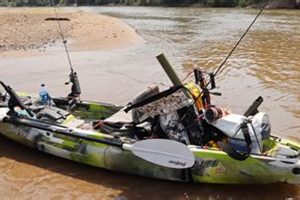
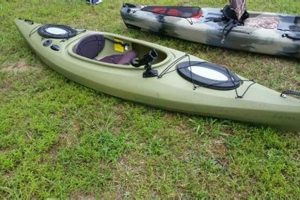
Sit-on-top kayaks designed for stability and fishing, equipped with rod holders and storage compartments, are generally recommended for the conditions in St. Joseph Bay.
Question 4: What are the prime times and tides for kayak fishing around Cape San Blas?
Fishing during moving tides, particularly incoming and outgoing flows, often yields better results. Dawn and dusk are generally considered peak feeding times for many species.
Question 5: Are there guided kayak fishing tours available in Cape San Blas, and what are the potential benefits?
Guided tours offer valuable local expertise regarding optimal fishing locations, techniques, and species-specific knowledge. They can significantly enhance the experience for both novice and experienced anglers.
Question 6: What safety precautions should be taken when kayak fishing in Cape San Blas?
Wearing a personal flotation device, carrying essential safety gear (whistle, signaling device, communication device), checking weather forecasts, and informing someone of fishing plans are crucial safety measures.
Understanding these key aspects of kayak fishing around Cape San Blas contributes to a safer, more productive, and ultimately more enjoyable angling experience. Preparation and awareness enhance both fishing success and overall safety on the water.
The following section provides further resources and information to assist in planning a successful kayak fishing trip to Cape San Blas.
Cape San Blas Kayak Fishing
This exploration of shallow-water angling from small, human-powered vessels in the vicinity of Cape San Blas has highlighted the unique opportunities and considerations inherent in this pursuit. Key elements contributing to successful excursions include an understanding of the sheltered waters of St. Joseph Bay, the importance of shallow-water access for targeting specific species like redfish and trout, and the impact of tidal flows on fish behavior and habitat accessibility. Furthermore, the selection of appropriate launch sites, informed by factors such as proximity to target species and prevailing conditions, significantly influences fishing outcomes. The stability of the kayak itself plays a crucial role in both safety and angling effectiveness, enabling navigation of diverse environments and enhancing casting and retrieval techniques. Preparation and mindful practice contribute not only to angler success but also to the preservation of this valuable coastal ecosystem.
The potential for rewarding experiences in this unique fishery remains significant. Continued exploration of specific techniques, refined understanding of local ecosystems, and adherence to responsible angling practices will ensure the long-term viability and enjoyment of this distinct pursuit. The future of this style of fishing hinges on a balance between angler engagement and environmental stewardship, underscoring the importance of informed participation and conservation efforts within this remarkable coastal environment.