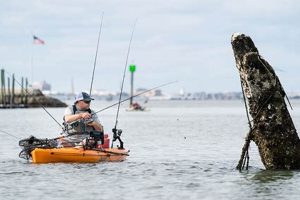
The pursuit of pelagic fish like the bluefin, yellowfin, or albacore from a small, human-powered vessel offers a unique blend of challenge and reward. Anglers employ specialized rods, reels, and tackle designed for these powerful fish while navigating the open ocean in a kayak. This approach requires a high level of skill and preparedness, considering factors such as weather conditions, currents, and the inherent physical demands.
This specialized form of angling provides a thrilling, intimate connection with nature and the targeted species. It fosters a deeper appreciation for the ocean environment and the strength and resilience of these remarkable fish. Historically, small boats have been used for fishing for centuries, but the modern adaptation with kayaks adds an element of personal challenge and sustainable, low-impact fishing. This activity also contributes to local economies through tourism and related industries.
Further exploration of this subject will encompass topics including necessary equipment, safety considerations, effective techniques, ethical practices, and the environmental impact of this exciting sport.
Tips for Offshore Kayak Angling
Successfully targeting large pelagic fish from a kayak requires careful planning and execution. The following tips offer guidance for a safe and rewarding experience.
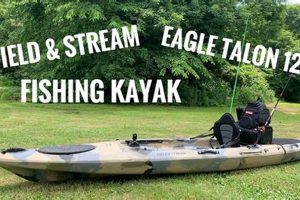
Tip 1: Choose the Right Kayak: Stability and ample storage are paramount. A sit-on-top kayak designed for offshore fishing, typically longer than 12 feet, is recommended.
Tip 2: Prioritize Safety Equipment: Essential items include a personal flotation device, a VHF radio, a signaling device (such as a flare gun or personal locator beacon), and a first-aid kit. A reliable paddle leash is also crucial.
Tip 3: Understand Weather and Ocean Conditions: Check forecasts meticulously and avoid venturing out in unfavorable conditions. Be aware of currents, tides, and potential hazards like shipping lanes.
Tip 4: Employ Appropriate Fishing Gear: Heavy-duty rods, reels, and line are necessary to handle powerful fish. Terminal tackle should be chosen based on the targeted species.
Tip 5: Practice Effective Fish Fighting Techniques: Employing proper angling techniques, including rod angle and drag settings, is critical for successfully landing large fish from a kayak.
Tip 6: Adhere to Ethical Fishing Practices: Handle fish with care and minimize their time out of the water. Practice catch and release whenever possible. Observe local fishing regulations.
Tip 7: Plan for Self-Rescue: Be prepared to handle capsizing or other emergencies. Practice re-entering your kayak and have a plan for signaling for assistance.
Careful preparation and adherence to safety protocols significantly increase the likelihood of a successful and enjoyable outing. These precautions contribute to angler safety and the conservation of marine resources.
By understanding the demands and rewards of this unique pursuit, anglers can experience the thrill of challenging themselves against some of the ocean’s most formidable predators while minimizing risks and promoting sustainable fishing practices.
1. Ocean Kayak Selection

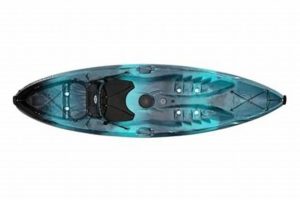
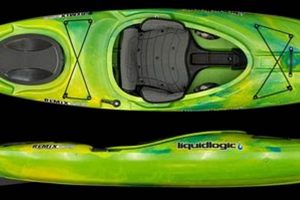
Appropriate kayak selection is paramount for successful and safe tuna fishing expeditions. The vessel must provide stability in offshore conditions, storage for specialized equipment, and the durability to withstand encounters with powerful fish. Choosing the wrong kayak compromises safety and reduces the likelihood of a successful catch.
- Stability
Offshore conditions demand a stable platform. A kayak’s inherent stability derives from its hull design. Wider kayaks generally offer greater primary stability (resistance to initial tipping), while longer kayaks and those with pronounced keels provide better secondary stability (resistance to capsizing once tilted). A kayak prone to tipping compromises angler safety and hinders effective fish fighting. Consider a sit-on-top design for enhanced stability and self-rescue capability.
- Storage Capacity
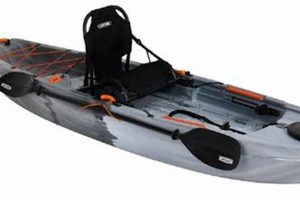
Tuna fishing necessitates specialized equipment, including rods, reels, tackle boxes, and safety gear. Adequate storage is essential for keeping gear organized, dry, and readily accessible. Insufficient storage can lead to a cluttered cockpit, hindering movement and compromising safety. Look for kayaks with integrated rod holders, dry hatches, and tank wells.
- Durability and Construction
Encounters with large, powerful fish place significant stress on a kayak. A durable, robustly constructed kayak is essential. Polyethylene kayaks are popular for their impact resistance, while composite kayaks offer lighter weight and greater efficiency. A poorly constructed kayak risks structural damage during the fight, jeopardizing both angler and catch. Inspect potential kayaks for signs of quality construction and materials.
- Length and Propulsion
Longer kayaks typically track better in open water and offer more speed, crucial for covering distances and reaching fishing grounds. Paddle propulsion is standard, but pedal-powered kayaks offer increased speed and endurance, allowing anglers to reach distant locations or fight strong currents. Shorter kayaks, while potentially more maneuverable, can be challenging to control in rough seas. Consider the typical distances traveled and the prevailing sea conditions when selecting a kayak length.
Careful consideration of these factors ensures the selection of a kayak suitable for the demands of offshore tuna fishing. The right kayak contributes significantly to both angler safety and the likelihood of a successful and enjoyable experience. Ignoring these elements can lead to a compromised fishing trip, or worse, a dangerous situation.
2. Specialized Tackle and Gear

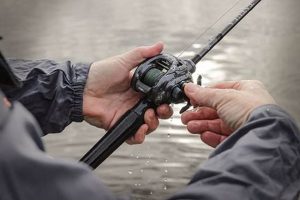
The success of tuna kayak fishing hinges significantly on the selection and utilization of specialized tackle and gear. These specialized tools address the unique challenges posed by pursuing powerful pelagic fish from a small, relatively unstable platform. The connection between appropriate gear and a successful outcome is demonstrably strong. A heavy-duty spinning or conventional reel, spooled with substantial lengths of braided line (often 50-80 lb test), provides the necessary stopping power to control a large tuna’s runs. Rods are typically shorter and stouter than those used for inshore fishing, offering the leverage needed to exert pressure on the fish. For example, a stand-up style rod between 56 and 7 paired with a high-capacity reel loaded with 80lb braid is a common setup.
The choice of terminal tackle also plays a critical role. Heavy-duty fluorocarbon leader material (80-130 lb test) provides abrasion resistance against the tuna’s rough mouth and sharp gill plates. Hooks must be strong and sharp, typically circle hooks in sizes 6/0 to 9/0, chosen for their ability to hook securely in the corner of the tuna’s mouth, minimizing the chance of the hook pulling free during the fight. The use of specific lures or baits, like cedar plugs or live baitfish rigged with specialized skirts, also increases the chances of attracting and hooking tuna. Employing purpose-designed fighting belts and harnesses distributes the strain across the angler’s body, increasing leverage and endurance during prolonged battles.
Effective deployment of specialized tackle and gear significantly enhances the angler’s chances of successfully landing a tuna while minimizing the risk of equipment failure or injury. Understanding the function and application of each component, from the rod and reel to the hooks and leader, contributes directly to a positive outcome. Conversely, inadequate or improperly configured gear significantly reduces the likelihood of success and increases the risk of losing the fish or even compromising the angler’s safety. This knowledge empowers anglers to make informed decisions about their gear, leading to a safer and more rewarding experience on the water.
3. Safety Precautions
Safety precautions are paramount in tuna kayak fishing, forming the bedrock of a responsible and successful experience. The open ocean environment presents inherent risks, amplified by the small size and relative vulnerability of a kayak. Neglecting safety protocols significantly increases the likelihood of incidents, potentially leading to serious injury or even fatality. A comprehensive understanding of these precautions and their meticulous application are non-negotiable for ethical and productive engagement in this demanding sport. For example, venturing offshore without a reliable means of communication, such as a VHF radio or satellite phone, could prove disastrous in an emergency. Similarly, ignoring weather forecasts or venturing out in challenging conditions could expose anglers to dangerous seas and unpredictable weather patterns.
Several key safety precautions warrant particular attention. Wearing a personal flotation device (PFD) is essential at all times. A PFD provides buoyancy in the event of capsize and can be lifesaving, especially in cold water conditions. Carrying a first-aid kit equipped to handle common injuries, including fish hook wounds and lacerations, is also crucial. A signaling device, such as a flare gun, whistle, or personal locator beacon (PLB), should be readily accessible in case of emergency. A PLB can alert rescue services to an angler’s precise location, significantly increasing the chances of a timely rescue. Regularly checking weather forecasts and avoiding conditions beyond one’s skill level are also paramount. Understanding local regulations and obtaining necessary permits ensures legal compliance and contributes to responsible resource management. Sharing float plans with a responsible individual on shore provides an added layer of security, as someone will be aware of the angler’s intended location and expected return time.
Ultimately, the emphasis on safety precautions underscores the inherent risks associated with tuna kayak fishing. While the pursuit offers a thrilling and rewarding experience, meticulous planning and a proactive approach to safety are crucial for mitigating potential hazards. A thorough understanding of these precautions and their diligent implementation are essential for ensuring a safe and enjoyable experience. This proactive approach not only protects the angler but also promotes responsible engagement with the marine environment.
4. Fighting Techniques

Effective fighting techniques are essential in tuna kayak fishing, representing the culmination of preparation and skill in the confrontation with a powerful adversary. These techniques are not merely a set of procedures, but a dynamic interplay of angler, equipment, and fish, where the outcome hinges on strategic decisions and physical resilience. A deep understanding of these techniques significantly increases the likelihood of a successful capture while minimizing risk to both the angler and the fish. For instance, improper rod handling can lead to line breakage or hook pull, while inadequate drag settings can overstress the tackle or exhaust the fish prematurely. Conversely, employing correct techniques allows anglers to exert maximum pressure while maintaining control, minimizing fight time and increasing the chances of landing the tuna.
Several core principles underpin effective fighting techniques. Maintaining proper rod angle is crucial for applying consistent pressure and preventing the line from breaking. Adjusting the drag setting on the reel allows the angler to control the amount of line the fish can take, balancing the need to tire the fish against the risk of line breakage. Using the kayak’s momentum to assist in the fight, by paddling forward or backward, can help maintain tension and control the fish’s movements. Employing a fighting belt or harness distributes the load across the angler’s body, reducing fatigue and allowing for prolonged battles. Recognizing signs of fatigue in the fish, such as slowed movements or surfacing, allows the angler to adjust tactics and prepare for landing. An example of this dynamic interplay is adjusting the drag during a tuna’s powerful initial run, then gradually increasing pressure as the fish tires, while simultaneously maneuvering the kayak to maintain an advantageous position.
Mastery of these techniques is integral to the success and safety of tuna kayak fishing. They represent the critical link between preparation and execution, directly influencing the outcome of the encounter. Proficiency in these techniques not only increases the likelihood of landing a tuna but also minimizes the duration of the fight, reducing stress on both the angler and the fish. This understanding emphasizes the importance of practice and preparation, transforming the angler from a passive participant to an active and informed combatant in the pursuit of these magnificent pelagic predators.
5. Conservation Practices
Conservation practices are integral to the sustainability of tuna kayak fishing, ensuring the longevity of this demanding and rewarding pursuit. These practices represent a commitment to responsible angling, recognizing the delicate balance within marine ecosystems and the potential impact of human activity. Ignoring conservation principles jeopardizes tuna populations and threatens the future of the sport itself. Understanding and implementing these practices is not merely an ethical consideration but a crucial element for preserving this unique form of angling for future generations. For example, indiscriminate harvesting of undersized or breeding-age tuna can have devastating long-term consequences for the overall population, impacting not only the sport but also the broader marine ecosystem.
- Selective Harvest
Selective harvest focuses on targeting specific sizes and quantities of fish, adhering to local regulations and minimizing bycatch. This approach helps maintain healthy fish populations by protecting breeding-age individuals and preventing overfishing. In tuna kayak fishing, selective harvest might involve releasing undersized or over-sized fish, targeting specific species known to be abundant, or limiting the total catch to only what is needed for consumption. This practice contributes directly to the long-term health and sustainability of the targeted species. For instance, releasing a pregnant female tuna ensures future generations and contributes to the overall health of the local population.
- Proper Fish Handling
Proper fish handling minimizes stress and injury to captured tuna, increasing the likelihood of survival upon release. Techniques include using wet hands or a landing net to minimize the removal of the fish’s protective slime layer, avoiding contact with gills, and minimizing the time the fish is out of the water. In tuna kayak fishing, this might involve quickly unhooking and releasing the fish alongside the kayak, reviving it if necessary before releasing it. This practice reduces post-release mortality, a key factor in maintaining healthy fish stocks. For instance, using barbless hooks or crimping down barbs facilitates quicker and less traumatic hook removal.
- Minimizing Environmental Impact
Minimizing environmental impact involves reducing the angler’s footprint on the marine environment. This includes proper disposal of fishing line and other waste, avoiding contact with sensitive habitats like coral reefs, and respecting other marine life. In tuna kayak fishing, this could entail carrying all trash back to shore, avoiding anchoring in sensitive areas, and minimizing disturbance to marine mammals or seabirds. This practice contributes to the overall health of the ocean ecosystem, ensuring a sustainable environment for both fish and other marine organisms. For example, retrieving lost fishing line prevents entanglement and potential harm to other marine creatures.
- Supporting Conservation Initiatives
Supporting conservation initiatives goes beyond individual actions, encompassing advocacy and financial support for organizations dedicated to marine conservation. This can include participating in research projects, donating to conservation organizations, or advocating for responsible fishing regulations. Supporting these initiatives contributes to broader conservation efforts, amplifying the impact of individual actions and contributing to long-term sustainability. For instance, contributing to a tagging program provides valuable data for fisheries management and scientific research, while supporting organizations that advocate for sustainable fishing practices helps create a more responsible and sustainable future for the sport.
These interconnected practices, when adopted collectively, contribute significantly to the long-term health of tuna populations and the overall marine ecosystem. They demonstrate a commitment to responsible angling, ensuring that tuna kayak fishing remains a sustainable and rewarding pursuit for generations to come. By prioritizing these practices, anglers actively participate in the stewardship of marine resources, contributing to a future where both the sport and the species it targets can thrive. This approach recognizes the interconnectedness of human actions and environmental health, underscoring the importance of conservation in preserving the future of this unique angling experience.
Frequently Asked Questions
This section addresses common inquiries regarding the specialized pursuit of tuna from a kayak, offering concise and informative responses.
Question 1: What type of kayak is best suited for targeting tuna?
Kayaks designed specifically for offshore fishing are recommended. These typically feature a sit-on-top design for enhanced stability and self-rescue capability, ample storage for gear, and a length exceeding 12 feet for improved tracking in open water. Consideration should also be given to propulsion methods, with paddle or pedal-powered options available.
Question 2: What essential safety equipment should be carried?
Essential safety equipment includes a personal flotation device (PFD), a VHF radio, a signaling device (e.g., flare gun, personal locator beacon), and a comprehensive first-aid kit. A reliable paddle leash is also crucial.
Question 3: What fishing gear is recommended for tuna kayak fishing?
Heavy-duty rods, reels, and line are necessary. Reels spooled with substantial lengths of braided line (50-80 lb test) provide the necessary stopping power. Stout rods offer the leverage required to exert pressure on the fish. Heavy fluorocarbon leader (80-130 lb test) and strong circle hooks (sizes 6/0 to 9/0) are recommended.
Question 4: How should one prepare for challenging weather conditions?
Meticulous review of weather forecasts is paramount. Avoid venturing out in unfavorable conditions. Understanding currents, tides, and potential hazards is essential. A float plan shared with a responsible individual on shore is a recommended safety measure.
Question 5: What are effective fish fighting techniques from a kayak?
Maintaining proper rod angle, adjusting drag settings, and utilizing the kayak’s momentum are crucial. Employing a fighting belt or harness distributes the strain across the body. Recognizing signs of fatigue in the fish allows for adaptive tactics.
Question 6: Why are conservation practices important in this type of fishing?
Conservation practices, including selective harvest, proper fish handling, and minimizing environmental impact, ensure the sustainability of tuna populations and the future of the sport. These practices contribute to the long-term health of the marine ecosystem.
Careful consideration of these frequently asked questions equips prospective anglers with fundamental knowledge for pursuing tuna from a kayak. This preparation contributes to a safer, more responsible, and potentially more successful experience.
Further sections will delve into specific techniques, regional considerations, and advanced topics related to this exciting and demanding pursuit.
Tuna Kayak Fishing
This exploration of tuna kayak fishing has highlighted the multifaceted nature of this demanding pursuit. From specialized equipment and safety protocols to refined fighting techniques and conservation principles, success hinges on a comprehensive understanding of the interconnected elements that define this unique angling experience. The selection of a suitable kayak, coupled with appropriate tackle and a thorough grasp of safety procedures, forms the foundation for a responsible and productive outing. Effective fighting techniques maximize the angler’s chances of landing a powerful tuna while minimizing the duration of the fight and reducing stress on both the angler and the fish. Adherence to conservation practices ensures the sustainability of this exciting fishery, safeguarding tuna populations and the future of the sport.
Tuna kayak fishing represents a compelling intersection of human ingenuity, physical prowess, and respect for the natural world. It offers a profound connection with the marine environment, challenging anglers to test their skills against some of the ocean’s most formidable predators. The future of this pursuit rests on the continued commitment to responsible angling practices, ensuring that this thrilling and rewarding experience remains accessible for generations to come. This necessitates ongoing education, adaptation to evolving conditions, and unwavering dedication to the principles of conservation. Only through such conscientious engagement can the legacy of tuna kayak fishing be preserved and its inherent challenges and rewards be enjoyed responsibly.