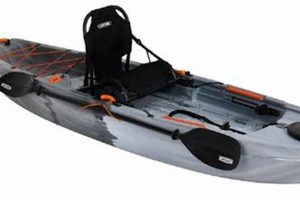
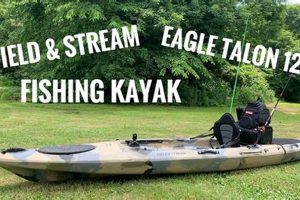
Specialized kayaks designed by Jackson Kayak are crafted for the unique demands of angling on the water with a fly rod. These vessels often feature specialized seating for casting comfort and stability, along with gear tracks and storage solutions tailored for fly fishing equipment. An example would be an angler using a compact, sit-on-top kayak with rod holders and an anchor system to access shallow, calm waters ideal for targeting trout with artificial flies.
This specialized approach to kayak angling offers significant advantages. It grants access to waters often inaccessible by wading or larger boats, allowing anglers to approach fish stealthily. The stable platforms provided by these kayaks facilitate precise casting and line management critical for effective fly presentation. Furthermore, these kayaks contribute to the growth and enjoyment of fly fishing, making the sport accessible to a wider range of individuals and skill levels.
The following sections will delve into specific aspects of this specialized pursuit. Discussions will cover topics such as selecting appropriate kayak models, outfitting choices for specific fisheries, and effective on-the-water techniques for optimizing angling success from a kayak.
Tips for Kayak Fly Fishing
Successful kayak fly fishing requires careful planning and execution. The following tips offer valuable insights for enhancing on-the-water experiences and improving angling success.
Tip 1: Prioritize Stability: Kayak selection hinges on stability, especially for fly fishing. Wider, flatter-bottomed hulls offer a more stable platform for casting and fighting fish, especially in moving water.
Tip 2: Streamline Gear Organization: Efficient gear management is crucial in the confined space of a kayak. Utilize specialized storage solutions and arrange gear for easy access, minimizing clutter and maximizing fishing time.
Tip 3: Master Kayak Control: Proficiency in paddling and maneuvering a kayak is essential for positioning effectively in currents and wind. Practice basic paddling strokes and maneuvering techniques before venturing onto the water.
Tip 4: Employ Stealth Tactics: Approach fishing spots quietly and avoid sudden movements that might spook fish. Consider using a drift sock or anchor to maintain position and control drift speed.
Tip 5: Adapt Casting Techniques: Modify casting strokes to account for the lower casting angle from a kayak. Practice shorter, more compact casts to maintain accuracy and avoid line tangles.
Tip 6: Choose Appropriate Flies and Tackle: Select flies and tackle suited to the target species and water conditions. Consider using heavier lines and shorter leaders to compensate for wind and current.
Tip 7: Practice Catch and Release Techniques: Proper catch-and-release practices ensure the health and sustainability of fish populations. Handle fish gently, minimize air exposure, and use barbless hooks for easy removal.
By implementing these strategies, anglers can significantly enhance their kayak fly fishing experience, improve efficiency on the water, and contribute to the conservation of aquatic resources.
This information serves as a foundation for successful kayak fly fishing. Further exploration of specific techniques and equipment choices will be beneficial for continued development and enjoyment of this specialized angling method.
1. Stable Kayak Platform
A stable kayak platform is fundamental to successful fly fishing from a kayak, particularly those designed by Jackson Kayak. Stability directly influences casting accuracy, line management, and the ability to hook and land fish effectively. A stable platform allows anglers to focus on presentation and technique rather than constantly correcting balance. For example, the Jackson Kilroy, with its wide, flat-bottomed hull, offers exceptional stability, allowing anglers to confidently cast in various conditions, from calm lakes to flowing rivers. Conversely, an unstable platform compromises casting accuracy and increases the risk of capsizing, particularly when fighting a strong fish. This connection is crucial because fly fishing often involves delicate presentations and precise movements, requiring a secure and balanced platform to execute effectively.
Jackson Kayak addresses this need for stability through design features like wider hulls, flat bottoms, and strategically placed seating. These features enhance stability both at rest and during movement, enabling anglers to confidently stand and cast in certain models, further maximizing sight fishing opportunities and casting range. The importance of this stability is magnified when considering the dynamic nature of fly fishing casting, retrieving line, playing fish, and changing positions all require a stable base. Without it, these actions become challenging and potentially dangerous, diminishing the overall fishing experience and success. Consider a scenario where an angler hooks a large fish in windy conditions. A stable platform becomes crucial for maintaining control of the kayak, effectively playing the fish, and ultimately landing it safely.
In conclusion, a stable kayak platform is not merely a desirable feature but a foundational requirement for effective and enjoyable Jackson kayak fly fishing. It directly impacts angling performance, safety, and overall experience. Understanding this connection empowers anglers to choose the right kayak and utilize it effectively, leading to increased success and enjoyment on the water. It also underscores Jackson Kayak’s focus on angler-centric design, creating vessels optimized for the specific demands of this specialized pursuit.
2. Specialized Fly Fishing Features

Specialized fly fishing features distinguish Jackson kayaks from conventional recreational kayaks, optimizing them for the unique demands of this angling method. These features represent a deliberate design philosophy, enhancing angler efficiency, comfort, and overall success on the water. A cause-and-effect relationship exists: the inclusion of these specialized features directly results in improved angling experiences. For instance, integrated rod holders secure rods during paddling or while preparing tackle, preventing loss or damage. Similarly, strategically placed gear tracks accommodate accessories like fish finders and camera mounts, enhancing angling capabilities. Consider the example of an angler navigating a winding river. Recessed rod holders protect rods from overhanging branches, while simultaneously freeing the angler’s hands for paddling. These seemingly small design choices have a significant impact on the overall experience.
These specialized features are not mere add-ons but integral components of the Jackson kayak fly fishing experience. They elevate the kayak from a simple vessel to a dedicated fishing platform. Examples include adjustable seating systems that optimize casting positions and improve comfort during long hours on the water. Furthermore, integrated anchor systems facilitate precise positioning in currents or wind, enabling anglers to effectively target specific areas. Imagine an angler attempting to present a dry fly to a rising trout in a fast-flowing stream. An anchor trolley system allows subtle adjustments to position, maintaining the optimal drift and maximizing the chances of a successful hookup. This level of control and precision would be challenging to achieve without these specialized features.
Understanding the importance of these specialized features provides anglers with practical advantages. Recognizing how each feature contributes to the overall fishing experience informs kayak selection and customization. For example, an angler targeting larger fish in open water might prioritize a kayak with increased storage capacity for larger tackle and landing nets, while an angler fishing smaller streams might prioritize maneuverability and a compact design. Ultimately, the integration of these specialized fly fishing features underscores the value proposition of Jackson kayaks: they are purpose-built tools designed to enhance the angling experience, leading to increased enjoyment and success on the water. This understanding allows anglers to maximize the utility of their equipment and fully appreciate the design considerations behind a Jackson kayak.
3. Efficient Gear Storage

Efficient gear storage is paramount in jackson kayak fly fishing, directly impacting angling success and overall experience. Limited space necessitates organized storage solutions to maintain a clutter-free and functional fishing platform. Optimal gear organization translates to readily accessible tools and tackle, maximizing fishing time and minimizing disruptions.
- Accessibility:
Rapid access to essential gear, such as flies, leaders, and tools, is crucial during active fishing. Jackson kayaks incorporate strategically placed compartments and gear tracks to facilitate quick retrieval, eliminating the need to rummage through storage during critical moments. Imagine needing to change a fly quickly as a fish rises efficient storage allows for a seamless transition, maximizing opportunities. This accessible design minimizes distractions and maintains focus on the task at hand.
- Organization:
Organized storage systems contribute significantly to efficient kayak angling. Designated compartments for specific items, like fly boxes or tools, streamline gear management. This organized approach prevents tangled lines, lost equipment, and wasted time searching for specific items. Consider a scenario where an angler needs to quickly switch from a dry fly to a nymph rig. A well-organized system allows for a smooth and rapid transition, maximizing fishing efficiency.
- Space Optimization:
Maximizing limited space is critical in a kayak. Jackson kayaks are designed with specialized storage solutions to optimize every available area. Recessed compartments, under-seat storage, and strategically placed gear tracks efficiently utilize space, allowing anglers to carry necessary equipment without compromising stability or maneuverability. This efficient use of space creates an uncluttered environment, promoting focus and enhancing the overall fishing experience. For instance, a kayak designed with molded-in tackle trays keeps small items secure and organized within easy reach.
- Security:
Secure storage safeguards valuable equipment from loss or damage. Jackson kayaks feature secure compartments and tie-down points to protect gear during transport and on the water. This protection extends to rods, reels, tackle boxes, and other essential items, ensuring they remain safe and functional throughout the fishing trip. Consider navigating rough water or encountering unexpected weather conditions secure storage prevents gear from shifting or being lost overboard, preserving valuable investments and preventing disruptions during critical fishing moments.
These interconnected facets of efficient gear storage contribute significantly to a positive and productive jackson kayak fly fishing experience. Streamlined gear management enhances angling efficiency, reduces frustration, and allows anglers to fully focus on the intricacies of fly fishing, ultimately maximizing enjoyment and success on the water. This dedicated approach to storage solutions demonstrates how Jackson kayaks are purposefully designed to meet the specific needs of fly anglers, enhancing their connection with the sport.
4. Precise Casting Techniques

Precise casting techniques are essential for successful jackson kayak fly fishing. The confined nature of a kayak, coupled with the dynamic aquatic environment, necessitates adapted casting methods distinct from shore-based angling. A direct correlation exists between casting accuracy and angling success from a kayak. Accurate casts enable precise fly placement, crucial for presenting flies naturally to target species. This cause-and-effect relationship highlights the importance of mastering specialized techniques tailored to the kayak fishing environment. For example, casting from a seated position requires modifications to body mechanics and rod angles, impacting accuracy and distance. Effectively presenting a dry fly to a trout feeding beneath overhanging branches necessitates a precise, sidearm cast, a technique often impractical from shore. Casting accuracy directly influences an angler’s ability to effectively target fish and maximize opportunities.
Adapting casting techniques to the kayak fishing environment presents specific challenges. Limited backcasting space, potential obstructions, and the movement of the kayak itself require adjustments to traditional casting strokes. Shorter, more compact casting strokes often prove more effective, maximizing accuracy while minimizing the risk of tangling line or hooking obstacles. Consider the scenario of fishing in windy conditions from a kayak. Precise casting becomes even more critical to compensate for wind drift and maintain control of the fly line. Understanding these challenges and adapting casting techniques accordingly significantly improves angling success. Practicing roll casts, sidearm casts, and other specialized techniques enhances an angler’s ability to effectively present flies in various situations from the confined space of a kayak. Specialized rods designed for kayak fishing, often shorter and more versatile, further aid in precise casting from a seated position.
Mastery of precise casting techniques translates to enhanced fly presentation, increasing the likelihood of attracting and hooking fish. This proficiency, coupled with the inherent advantages of kayak fishing, such as stealth and access to shallow waters, optimizes angling success. It underscores the importance of viewing casting techniques not merely as a mechanical skill but as a tactical element integral to successful kayak fly fishing. While mastering these techniques requires practice and adaptation, the rewards are substantial, leading to a more engaging and productive experience on the water. Precise casting unlocks the full potential of jackson kayak fly fishing, transforming challenges into opportunities and maximizing the rewards of this specialized angling pursuit.
5. Strategic Water Positioning

Strategic water positioning is integral to successful jackson kayak fly fishing. Kayak maneuverability allows anglers to exploit advantageous locations inaccessible to shore-based anglers or those in larger boats. Effective positioning directly influences angling success, maximizing opportunities and increasing catch rates. This cause-and-effect relationship underscores the importance of understanding water dynamics and utilizing the kayak’s maneuverability for optimal placement. For example, positioning a kayak upstream of a feeding trout allows for a natural drift of the fly, increasing the likelihood of a strike. Conversely, poor positioning, such as directly in the path of feeding fish, can spook them, reducing angling success. Understanding current flows, wind direction, and fish behavior informs strategic positioning decisions, leading to increased effectiveness on the water. Consider a scenario where an angler targets bonefish in shallow flats. Precise kayak positioning allows for stealthy approaches and optimal casting angles, crucial for success in these clear, shallow environments. The kayak’s maneuverability becomes a strategic advantage, allowing anglers to quietly and efficiently access prime fishing locations.
Jackson kayaks, designed with angler-specific features, enhance strategic positioning capabilities. Features like rudder systems and efficient paddling designs contribute to precise boat control, enabling anglers to maintain ideal positions in varying conditions. This control allows anglers to hold position in currents, approach fish from optimal angles, and adjust to changing wind or water conditions. Imagine fishing a river with varying currents and structure. A rudder-equipped kayak enables precise adjustments to drift speed and direction, optimizing fly presentation and maximizing fishing time in productive zones. The ability to maintain subtle control over the kayak’s position translates to increased opportunities and a more refined angling approach. Similarly, a kayak designed for stability in moving water provides a secure platform for casting and fighting fish, even in challenging conditions, further enhancing the effectiveness of strategic positioning.
Mastering strategic water positioning elevates jackson kayak fly fishing from simply casting a line to a calculated and tactical pursuit. It transforms the kayak from a mode of transportation into a strategic angling tool, maximizing access to productive waters and optimizing fly presentation. This understanding, combined with precise boat control and knowledge of fish behavior, significantly enhances angling success. While effective positioning requires observation, experience, and adaptation to specific environments, the rewards are substantial, leading to increased catches and a deeper appreciation for the nuances of fly fishing from a kayak. The ability to strategically position oneself for optimal presentations underscores the advantage of jackson kayak fly fishing, transforming challenges into opportunities and enhancing the connection between angler and environment.
6. Appropriate Fly Selection
Appropriate fly selection is crucial for successful jackson kayak fly fishing. The kayak’s unique mobility and access to diverse aquatic environments necessitate careful consideration of fly choices to match specific conditions and target species. Effective fly selection directly influences angling success, transforming potential opportunities into tangible results. This connection underscores the importance of understanding fly patterns, their intended uses, and how they interact with the target species and environment.
- Matching the Hatch:
Matching the hatch, a fundamental principle in fly fishing, involves selecting flies that imitate the prevalent aquatic insects in a given environment. From a kayak, anglers often gain close proximity to feeding fish, enabling observation of specific insect activity. This close-range observation informs fly selection, allowing anglers to precisely match the size, color, and behavior of the insects fish are actively consuming. For instance, observing trout rising to small mayfly duns necessitates selecting a dry fly that accurately mimics the dun’s appearance and drift. Accurately matching the hatch increases the likelihood of enticing strikes and maximizing catch rates.
- Considering Water Depth and Clarity:
Water depth and clarity influence fly selection from a jackson kayak. In clear, shallow waters, smaller, more subtly colored flies often prove effective, as fish have a clearer view and may be wary of larger, unnatural-looking patterns. Conversely, in deeper or murky water, larger, brighter flies may be necessary to attract attention. For example, when fishing for bass in stained water, a larger, darker streamer pattern might prove more effective than a small nymph. Adapting fly choices to these conditions maximizes visibility and increases the chances of attracting fish.
- Targeting Specific Species:
Different fish species exhibit varying feeding preferences and behaviors. Appropriate fly selection necessitates considering the target species and choosing patterns that effectively imitate their preferred prey. For instance, when targeting trout, flies imitating aquatic insects, such as mayflies, caddisflies, and stoneflies, often prove effective. However, when targeting bass, larger, more aggressive patterns like streamers or poppers might be more suitable. Matching fly selection to the target species’ dietary preferences significantly increases the likelihood of attracting strikes.
- Adapting to Water Conditions:
Water conditions, such as current speed and temperature, also influence fly selection. In fast-flowing water, weighted nymphs or streamers may be necessary to get the fly down to the fish’s feeding zone. Conversely, in slow-moving or still water, dry flies or unweighted nymphs might be more effective. Similarly, water temperature influences insect activity and fish behavior, further impacting fly selection. For example, during colder months, smaller, more subdued patterns may be necessary to entice lethargic fish. Adapting fly selection to these dynamic conditions maximizes presentation effectiveness and increases the likelihood of success.
These interconnected facets of fly selection demonstrate its crucial role in jackson kayak fly fishing. Appropriate fly choices, tailored to the specific environment, target species, and prevailing conditions, significantly enhance angling effectiveness. This informed approach, coupled with the maneuverability and stealth offered by a jackson kayak, transforms potential into success on the water. Mastering the art of fly selection unlocks the full potential of kayak fly fishing, maximizing opportunities and enriching the overall angling experience.
7. Respectful Catch-and-Release
Respectful catch-and-release practices are integral to sustainable jackson kayak fly fishing. Preserving fish populations ensures the longevity of the sport and the health of aquatic ecosystems. The close interaction with fish afforded by kayak angling necessitates a mindful approach to handling and releasing captured fish, minimizing stress and maximizing their chances of survival. This ethical consideration aligns with the broader principles of conservation and responsible angling, contributing to the long-term health and vitality of fisheries.
- Minimizing Air Exposure:
Minimizing air exposure is crucial for fish survival. Keeping fish in the water as much as possible during hook removal reduces stress and prevents damage to sensitive gill tissues. Jackson kayaks, often designed with features like integrated measuring boards and readily accessible tools, facilitate efficient hook removal while minimizing the fish’s time out of water. This practice is particularly important for species susceptible to air exposure, such as trout and salmon. Rapid, in-water releases contribute significantly to post-release survival rates, ensuring healthy fish populations and sustainable angling opportunities.
- Using Appropriate Handling Techniques:
Appropriate handling techniques minimize stress and prevent injury to captured fish. Wet hands, or the use of a rubberized landing net, reduce the removal of the fish’s protective slime coat. Supporting the fish’s body weight during handling prevents internal injuries and reduces stress. Avoiding squeezing or tightly gripping the fish further minimizes potential harm. These practices are particularly important for fish with delicate skin or bony structures. Gentle handling techniques contribute significantly to post-release survival, ensuring the continued health and vitality of fish populations.
- Employing Barbless Hooks:
Employing barbless hooks significantly reduces injury and facilitates quick release. Barbless hooks minimize tissue damage during hook removal, reducing bleeding and infection risk. Quick releases, enabled by the ease of barbless hook removal, minimize stress and maximize post-release survival rates. This practice benefits both the fish and the angler, simplifying the release process and minimizing handling time. The adoption of barbless hooks reflects a commitment to responsible angling and the long-term health of fisheries.
- Reviving Exhausted Fish:
Reviving exhausted fish, particularly after a lengthy fight, promotes post-release survival. Holding the fish upright in the water, facing into the current if present, allows water to flow over its gills, replenishing oxygen levels. Gently moving the fish back and forth encourages water circulation and aids in recovery. This practice is particularly important for larger fish or those caught in warmer water. Proper revival techniques increase the likelihood of successful post-release survival, contributing to sustainable angling practices.
These interconnected practices demonstrate the importance of respectful catch-and-release in jackson kayak fly fishing. A mindful approach to handling and releasing fish aligns with the principles of conservation and ensures the long-term health of aquatic ecosystems. This ethical consideration enhances the overall angling experience, connecting anglers with the environment and promoting the sustainability of the sport. By embracing these practices, kayak anglers actively contribute to the preservation of healthy fish populations and the continued enjoyment of fly fishing for generations to come. This commitment reflects a deeper understanding of the interconnectedness between angler, environment, and the future of the sport.
Frequently Asked Questions
This section addresses common inquiries regarding specialized kayak angling.
Question 1: What advantages do specialized kayaks offer for fly fishing compared to conventional kayaks?
Specialized kayaks offer enhanced stability, optimized storage for fly fishing gear, and features like rod holders and anchor systems, improving casting, line management, and overall angling efficiency compared to conventional kayaks.
Question 2: Are specific Jackson Kayak models recommended for fly fishing?
Several Jackson Kayak models, such as the Kilroy, Cruise, and Coosa, are frequently recommended for fly fishing due to their stability, specialized features, and angler-centric designs. Model selection depends on individual angler preferences and intended fishing environments.
Question 3: How does one choose the appropriate fly rod and reel for kayak fly fishing?
Rod and reel selection depends on the target species and the type of water being fished. Shorter rods often provide advantages in the confined space of a kayak. Weight-forward fly lines generally enhance casting performance in windy conditions commonly encountered on the water. Consulting with experienced anglers or fly shops can provide tailored recommendations.
Question 4: What safety precautions should be taken when fly fishing from a kayak?
Wearing a personal flotation device (PFD) is paramount. Carrying essential safety equipment, including a whistle, signaling device, and first-aid kit, is highly recommended. Checking weather conditions before embarking and informing someone of the intended fishing location and return time are essential safety practices. Understanding self-rescue techniques and practicing basic kayak maneuvers enhances on-the-water safety.
Question 5: What are the essential accessories for kayak fly fishing?
Essential accessories include a well-organized fly box, appropriate leaders and tippet material, nippers, forceps for hook removal, and a landing net. An anchor or drift sock can assist in maintaining position in moving water. A waterproof bag protects valuable items like phones and cameras. Specialized accessories like rod leashes prevent rod loss during unexpected events.
Question 6: How can one improve casting accuracy and efficiency from a kayak?
Practicing shorter, more compact casting strokes tailored to the confined kayak space enhances accuracy. Utilizing the kayak’s stability to maintain balance during casting improves efficiency. Adapting casting techniques to specific conditions, such as wind and current, maximizes fly presentation and control. Professional casting instruction can further refine technique and optimize performance.
This information provides a foundation for understanding specialized kayak angling. Further research and practical experience enhance angling proficiency and enjoyment.
The next section explores advanced techniques for maximizing success on the water.
Conclusion
Jackson kayak fly fishing represents a specialized pursuit within the broader angling landscape. Exploration of this topic reveals the importance of specialized kayak features, efficient gear management, precise casting techniques, and strategic water positioning. Appropriate fly selection and respectful catch-and-release practices further contribute to successful and sustainable angling outcomes. Understanding the interconnectedness of these elements enhances angling effectiveness and promotes responsible engagement with the aquatic environment.
The pursuit of angling from a Jackson kayak offers significant opportunities for connecting with nature and experiencing the rewards of a specialized approach to fly fishing. Continued exploration of advanced techniques, equipment advancements, and conservation practices promises further refinement and enjoyment within this evolving angling discipline. Ultimately, thoughtful consideration of the principles and practices discussed herein fosters a deeper appreciation for the art of Jackson kayak fly fishing and its potential to provide enriching experiences on the water.