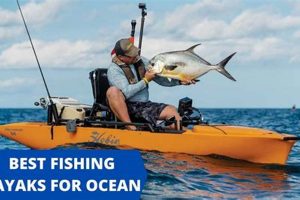
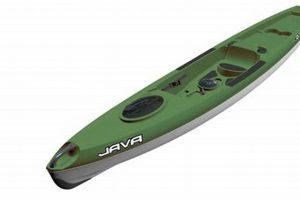
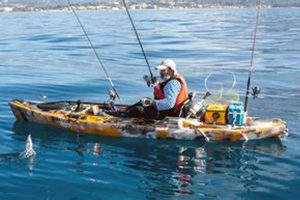
Compact, fishing-oriented watercraft provide anglers with a unique platform for accessing shallow waters and hard-to-reach fishing spots. These vessels are typically designed for stability and maneuverability, often featuring specialized storage for rods, tackle, and other fishing gear. An example would be a sit-on-top kayak under 12 feet in length, equipped with rod holders and a built-in cooler.
The advantages of these smaller vessels include increased portability and affordability compared to larger boats. Their reduced size allows easier transport on vehicle roof racks or even by hand in some cases. This portability opens up fishing opportunities in remote locations, smaller bodies of water, and areas where larger boats are restricted. Historically, smaller watercraft have been utilized for fishing for centuries, demonstrating the enduring practicality of this approach. The modern evolution incorporates advanced materials and design features to maximize efficiency and angler comfort.
Further exploration of this topic will encompass detailed discussions on kayak selection, essential fishing gear, safety considerations, and effective fishing techniques from these specialized platforms.
Tips for Fishing from Compact Kayaks
Effective angling from smaller watercraft requires careful planning and specialized techniques. The following tips offer guidance for maximizing success and safety.
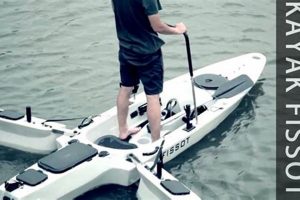
Tip 1: Prioritize Stability: Select a wider, flatter-hulled design for enhanced stability, particularly important when casting and reeling in fish. Consider adding outriggers for increased balance.
Tip 2: Minimize Gear: Pack only essential fishing equipment to avoid overcrowding and maintain maneuverability. Utilize specialized tackle storage systems designed for kayaks.
Tip 3: Plan Fishing Locations: Research accessible launch points and target areas suitable for smaller vessels. Shallow waters, protected coves, and smaller streams are ideal.
Tip 4: Practice Paddling and Casting: Develop proficient paddling and casting techniques from a seated position before venturing into fishing areas. This ensures efficient movement and accurate casts.
Tip 5: Observe Safety Precautions: Always wear a personal flotation device (PFD) and carry essential safety equipment, including a whistle, signaling device, and first-aid kit. Inform someone of your fishing plans and expected return time.
Tip 6: Choose Appropriate Anchoring: Utilize a lightweight anchor suitable for shallow water and varied bottom conditions. A stake-out pole or drift sock can be effective alternatives in certain environments.
Tip 7: Employ Stealth Techniques: Approach fishing spots quietly using paddle strokes that minimize disturbance. Neutral-colored clothing and equipment can further enhance stealth.
Adherence to these guidelines contributes significantly to a safe and productive fishing experience from compact kayaks, maximizing angler enjoyment and success on the water.
By incorporating these tips, anglers can fully appreciate the advantages offered by compact fishing kayaks, gaining access to unique fishing opportunities while prioritizing safety and efficiency.
1. Maneuverability

Maneuverability represents a critical advantage of compact fishing kayaks, directly influencing their effectiveness in accessing productive fishing areas. Shorter hulls and lighter weights contribute to nimble handling, allowing anglers to navigate narrow creeks, shallow backwaters, and areas obstructed by vegetation or other obstacles. This agility provides a distinct advantage over larger vessels restricted by draft or turning radius. Consider, for example, navigating a winding creek choked with fallen branches: a smaller, more responsive kayak can weave through these obstacles, accessing secluded pools teeming with fish, while a larger boat would be unable to penetrate such confined spaces.
The enhanced maneuverability also translates to greater precision in positioning. Anglers can subtly adjust their position to optimize casting angles, presentation of lures, and control of drift fishing techniques. This fine-tuned control is particularly crucial in scenarios requiring precise placement, such as presenting a fly to a specific target or holding position in moving water. Furthermore, the responsive nature of these kayaks facilitates quick adjustments to changing current or wind conditions, maintaining optimal fishing presentation and minimizing angler fatigue.
In summary, maneuverability is an inherent strength of compact fishing kayaks, granting access to prime fishing locations and enabling precise boat control. This attribute significantly contributes to angling success, allowing exploitation of niches inaccessible to larger craft. While stability considerations influence kayak selection, prioritizing maneuverability expands fishing opportunities and enhances on-the-water effectiveness. Understanding this interplay between maneuverability and access underscores the value of compact kayaks in specialized fishing scenarios.
2. Portability
Portability is a defining characteristic of compact fishing kayaks, significantly influencing their appeal and practicality. The ease of transport and deployment expands fishing access to remote or otherwise difficult-to-reach locations, differentiating these smaller craft from larger, less mobile vessels. This advantage encompasses several key facets.
- Transportation Methods:
Compact kayaks offer diverse transportation options. Roof racks on vehicles are commonly used, accommodating kayaks secured with straps or specialized cradles. Smaller, lighter models can even be transported inside larger vehicles or carried short distances by hand. Trailers offer another alternative, particularly for transporting multiple kayaks or longer distances. This flexibility contrasts sharply with larger boats requiring trailers and designated boat ramps, limiting access to certain bodies of water.
- Launch Site Accessibility:
Portability extends beyond transportation to encompass launch site accessibility. Compact kayaks can be launched from virtually any shoreline, eliminating the need for developed boat ramps. This opens up fishing opportunities in remote areas, smaller ponds, and locations inaccessible to trailered boats. For instance, a small kayak can be easily carried down a short embankment to access a secluded cove, a scenario impractical for larger watercraft.
- Storage Considerations:
The compact size of these kayaks simplifies storage. Garages, sheds, or even apartments can accommodate these smaller vessels, unlike larger boats often requiring dedicated outdoor storage or marinas. This ease of storage contributes to their overall convenience and lowers the barrier to entry for individuals with limited storage space.
- Solo Adventures:
Portability directly facilitates solo fishing excursions. The ease of transporting and handling a smaller kayak allows individuals to independently explore remote waters and pursue fishing opportunities without relying on others for assistance with launching, retrieval, or transport. This independence enhances the personal and exploratory aspects of the fishing experience.
The portability of compact kayaks directly enhances their versatility and expands fishing opportunities. By facilitating access to diverse locations and simplifying transport and storage, these kayaks cater to a broader range of anglers and fishing styles, from short trips to local ponds to extended expeditions in remote wilderness areas. This inherent portability underscores their value as a practical and accessible platform for fishing enthusiasts.
3. Stability
Stability forms a cornerstone of effective and safe fishing from compact kayaks. The inherent challenges of angling from a smaller platform necessitate careful consideration of stability factors, impacting both fishing success and angler safety. Balance is paramount when casting, retrieving, and landing fish, particularly in dynamic water conditions or when handling larger species. Compromised stability can lead to capsizing, equipment loss, and potentially dangerous situations. A stable platform allows anglers to focus on fishing techniques rather than constantly battling to maintain balance. For example, an angler attempting a hookset on a strong fish in a wobbly kayak risks losing balance and potentially capsizing, while a stable platform provides the necessary leverage and security to manage the fight effectively.
Several factors influence kayak stability. Hull design plays a crucial role, with wider, flatter hulls generally offering greater initial stability, beneficial for beginners or anglers prioritizing calm water fishing. Longer kayaks tend to track straighter and resist turning, providing directional stability advantageous in windy or current-prone environments. Kayak weight capacity and the angler’s weight distribution also influence stability. Exceeding the recommended weight capacity or unevenly distributing weight within the kayak can compromise balance and increase the risk of capsizing. Consider an angler carrying heavy gear in the stern of a short kayak; this weight imbalance could create instability, particularly when turning or leaning. Understanding these factors allows informed decisions regarding kayak selection and safe operation, optimizing stability for specific fishing scenarios and individual needs.
Ensuring adequate stability involves selecting an appropriate kayak design and adhering to safe operating practices. Choosing a kayak with a wider hull, ample weight capacity, and a design suited to the intended fishing environment provides a solid foundation for stability. Maintaining a low center of gravity by sitting properly and avoiding sudden movements further enhances balance. Additional stability enhancements, such as outriggers or stabilizers, can provide added security, particularly for anglers fishing in challenging conditions or requiring greater platform stability for stand-up fishing. By prioritizing stability considerations, anglers mitigate risks, enhance fishing performance, and maximize enjoyment on the water. Recognizing the dynamic interplay between stability, kayak design, and angler behavior allows informed choices and promotes a safe and productive fishing experience.
4. Storage Capacity

Storage capacity represents a critical consideration in the design and utilization of small kayaks for fishing. Effective organization and sufficient storage of essential gear directly influence fishing success and overall enjoyment on the water. Limited space necessitates careful planning and prioritization of equipment, influencing tackle selection, catch management, and overall fishing strategy.
- Rod and Tackle Storage:
Dedicated rod holders, either flush-mounted or adjustable, are essential for securing rods during paddling and while fighting fish. Tackle storage solutions vary widely, from simple waterproof boxes to integrated compartments designed for specific lures and accessories. Efficient organization within these compartments optimizes access and minimizes time spent searching for specific items. For example, an angler targeting bass might organize tackle boxes with compartments dedicated to various soft plastics, jigs, and topwater lures, allowing rapid selection during changing fishing conditions.
- Gear and Equipment Storage:
Beyond fishing-specific items, additional storage is often needed for safety equipment, personal items, and catch management tools. Dry bags, hatches, and bungee systems provide options for securing these items, protecting them from water and ensuring accessibility when needed. For instance, a dry bag might contain a first-aid kit, extra layers of clothing, and a communication device, while a bungee system could secure a landing net and a small cooler for preserving caught fish.
- Weight Distribution and Balance:
Proper weight distribution within limited storage space impacts both kayak stability and maneuverability. Distributing weight evenly, avoiding excessive weight at either end, maintains balance and prevents sluggish handling. Storing heavier items lower in the kayak improves stability. For example, placing a tackle box near the center of gravity enhances balance compared to storing it at the bow or stern, particularly in smaller kayaks.
- Storage Integration and Accessibility:
Well-designed storage solutions integrate seamlessly with the kayak’s layout, maximizing available space and minimizing interference with paddling and fishing activities. Easy access to frequently used items, such as pliers, line cutters, and lures, enhances efficiency and minimizes disruption during critical fishing moments. For example, a readily accessible tool pouch on the deck within easy reach allows quick line changes or lure adjustments without rummaging through larger storage compartments.
Careful consideration of storage capacity and organization significantly enhances the fishing experience from small kayaks. Efficient storage solutions maximize available space, improve access to essential gear, and contribute to overall kayak stability and maneuverability. By optimizing storage practices, anglers can focus on the core aspects of fishing, unhindered by clutter or difficult-to-access equipment. This strategic approach to storage transforms limited space into a functional asset, maximizing the effectiveness and enjoyment of fishing from compact platforms.
5. Affordability

Affordability frequently motivates the selection of compact fishing kayaks, presenting a lower barrier to entry compared to larger motorized boats or high-end kayak models. Reduced manufacturing costs associated with smaller vessels translate to lower retail prices, making them accessible to a wider range of anglers. This cost-effectiveness extends beyond the initial purchase, encompassing lower expenses related to storage, transportation, and maintenance. For instance, a compact kayak eliminates the need for a boat trailer, significantly reducing associated costs like registration, maintenance, and storage fees. Similarly, fuel costs, a major expense associated with motorized boats, become negligible with human-powered kayaks. This reduced financial burden allows anglers to allocate resources towards other essential fishing gear or more frequent fishing trips.
The affordability of these kayaks broadens access to the sport, enabling individuals with budget constraints to experience the enjoyment and rewards of fishing. This accessibility is particularly important for novice anglers exploring the activity or those seeking a cost-effective means of enjoying the outdoors. Consider a student angler on a limited budget: a small, affordable kayak provides an accessible entry point into fishing, enabling participation without substantial financial investment. This financial accessibility fosters growth within the angling community and promotes outdoor recreation across diverse socioeconomic backgrounds. Furthermore, the lower financial commitment associated with compact kayaks may encourage experimentation with different fishing styles or exploration of new fishing locations, experiences often limited by the higher costs associated with larger boats.
While affordability presents a compelling advantage, it is essential to balance cost considerations with other factors such as desired features, intended use, and safety requirements. Opting for the cheapest available kayak may compromise quality, durability, or essential features, ultimately detracting from the overall fishing experience. Careful evaluation of individual needs and priorities, balanced against budget constraints, leads to informed purchasing decisions that maximize value and long-term satisfaction. Ultimately, understanding the affordability factor within the broader context of kayak selection ensures anglers acquire a suitable vessel that aligns with both financial limitations and fishing aspirations, fostering a sustainable and rewarding pursuit of the sport.
6. Accessibility

Accessibility, in the context of small kayaks for fishing, signifies the ease with which diverse individuals can engage in the sport, encompassing physical access to waterways and the adaptability of these vessels to individual needs and abilities. This consideration expands fishing opportunities beyond the limitations imposed by traditional boat launches and larger watercraft, fostering inclusivity and promoting engagement with the natural environment.
- Physical Access to Waterways:
Compact kayaks facilitate access to smaller, shallower bodies of water often inaccessible to larger boats. This includes ponds, creeks, protected coves, and shallow stretches of rivers, expanding fishing options beyond traditional boat ramps and marinas. Consider a small, secluded pond reachable only by a narrow, overgrown path: a lightweight, portable kayak allows access to this otherwise inaccessible fishing spot, demonstrating the expanded reach afforded by these smaller craft.
- Adaptability to Physical Limitations:
Small kayaks offer adaptability to varying physical abilities. Sit-on-top designs often provide easier entry and exit compared to traditional sit-inside kayaks, benefiting individuals with mobility challenges. Lightweight models further reduce the physical demands of transport and launching. Adaptive modifications, such as specialized seating and outriggers, can further enhance accessibility for individuals with specific needs. For example, an angler with limited lower body mobility might find a sit-on-top kayak with a supportive backrest and outriggers more accessible and stable than a traditional sit-inside model.
- Transportation and Storage Convenience:
The portability of small kayaks simplifies transportation and storage, reducing barriers related to vehicle type and available storage space. Transport on vehicle roof racks or even inside larger vehicles eliminates the need for trailers, expanding accessibility for individuals without trailer access or storage capacity. This ease of transport extends to remote locations or areas with limited parking, enhancing opportunities for wilderness fishing experiences. For instance, an angler living in an apartment without dedicated boat storage can easily store and transport a compact kayak on a car roof rack, expanding access to fishing opportunities despite space limitations.
- Simplified Launch and Retrieval:
The lightweight nature and compact size of these kayaks simplify launching and retrieval processes. Hand-carrying to the water’s edge and launching from virtually any shoreline eliminates the need for developed boat ramps or specialized launching equipment. This ease of launch and retrieval reduces physical strain and expands access to fishing spots with undeveloped shorelines or challenging terrain. An angler fishing a remote river, for example, can easily launch a lightweight kayak from a gravel bar or shallow bank, accessing stretches of river inaccessible to larger, trailered boats requiring designated ramps.
These facets of accessibility underscore the capacity of small kayaks to democratize fishing, expanding participation across diverse demographics and physical abilities. By overcoming barriers related to physical access, transportation, and launch site limitations, these vessels empower individuals to connect with nature and experience the rewards of fishing in previously inaccessible environments. This enhanced accessibility promotes inclusivity within the angling community and fosters a deeper appreciation for the natural world.
7. Specialized Features

Specialized features distinguish fishing kayaks from recreational models, enhancing their functionality and angler effectiveness. These purpose-built additions cater specifically to the demands of angling, improving comfort, efficiency, and overall fishing success. Understanding these specialized features empowers informed kayak selection and maximizes on-the-water performance.
- Rod Holders:
Rod holders, strategically positioned throughout the kayak, secure rods during paddling, trolling, or while managing multiple lines. Flush-mounted rod holders offer a streamlined profile, minimizing interference with paddling, while adjustable rod holders allow customization of rod angles for specific fishing techniques. For example, an angler trolling for trout might position rods at varying angles using adjustable holders to cover a wider area and prevent line tangling. The number and placement of rod holders directly influence fishing versatility and efficiency.
- Tackle Storage:
Specialized tackle storage systems maximize organization and accessibility of essential fishing gear. Integrated compartments within the hull or deck provide designated spaces for tackle boxes, lures, and tools, minimizing clutter and streamlining lure changes. Examples include removable tackle trays, waterproof compartments, and specialized storage for specific lure types. Efficient tackle organization reduces time spent searching for equipment, maximizing fishing time and responsiveness to changing conditions. An angler targeting different species throughout the day, for example, might organize tackle boxes by species or lure type, ensuring rapid access to the appropriate gear without disrupting fishing flow.
- Anchor Trolleys:
Anchor trolleys enable controlled anchoring and precise boat positioning in current or wind. These systems allow adjustment of the anchor point along the kayak’s side, facilitating subtle adjustments to position and drift control. An angler fishing a river, for example, can use an anchor trolley to maintain a desired position relative to the current, optimizing lure presentation and drift speed. This level of control enhances fishing effectiveness, particularly in dynamic environments or when targeting specific structures.
- Paddle Parks and Leashes:
Paddle parks provide secure storage for the paddle during fishing, preventing accidental loss and minimizing interference with casting. Paddle leashes further secure the paddle to the kayak, offering a backup in case of accidental drops or capsizing. These seemingly minor features contribute significantly to angler peace of mind and uninterrupted fishing focus. An angler fighting a fish, for example, can securely stow the paddle in a paddle park, freeing both hands to manage the rod and reel without the distraction of a loose paddle.
These specialized features, while seemingly minor individually, collectively enhance the functionality and effectiveness of small fishing kayaks. By addressing specific angling needs, these features streamline processes, improve safety, and maximize fishing success. The presence and quality of these features significantly influence kayak selection, aligning vessel capabilities with individual fishing styles and target species. Understanding the purpose and application of these specialized features empowers anglers to choose kayaks optimized for their specific fishing requirements, ultimately enhancing their overall experience on the water.
Frequently Asked Questions
This section addresses common inquiries regarding compact fishing kayaks, providing concise and informative responses to facilitate informed decision-making and enhance understanding of these specialized vessels.
Question 1: What size kayak is considered “small” for fishing?
Generally, kayaks under 12 feet in length are considered small for fishing. However, suitability depends on individual angler size, intended fishing environment, and required storage capacity. Smaller kayaks offer enhanced maneuverability in tight spaces, while slightly larger models provide increased stability and storage.
Question 2: Are small fishing kayaks suitable for ocean use?
Certain small fishing kayaks are designed for ocean use, but careful consideration of specific design features, stability, and water conditions is crucial. Look for kayaks with features like scupper holes for drainage, higher weight capacities, and designs optimized for rougher water. Always prioritize safety and adhere to appropriate coastal regulations.
Question 3: What essential safety equipment is recommended for fishing from a small kayak?
Essential safety equipment includes a personal flotation device (PFD), a whistle, a visual signaling device (such as a mirror or flare), a first-aid kit, and a communication device (such as a VHF radio or waterproof cell phone). Informing someone of fishing plans and estimated return time is also crucial.
Question 4: How does one transport a small fishing kayak?
Transport options include roof racks on vehicles, trailers specifically designed for kayaks, and even carrying smaller, lighter models by hand for short distances. Selecting an appropriate transport method depends on kayak size and weight, vehicle type, and transport distance.
Question 5: What are the advantages of fishing from a small kayak compared to a larger boat?
Advantages include enhanced maneuverability in shallow or restricted waters, increased affordability, simplified transport and storage, and reduced environmental impact. Small kayaks access areas unreachable by larger boats, opening unique fishing opportunities.
Question 6: How does one choose the right small fishing kayak?
Consider factors like fishing style, target species, intended fishing environment, budget, and individual angler size and experience level. Research various kayak designs, read reviews, and if possible, test paddle different models before purchasing to ensure a suitable fit and functionality.
Careful consideration of these frequently asked questions empowers informed decisions regarding the selection, use, and enjoyment of compact fishing kayaks. Prioritizing safety, understanding individual needs, and researching available options ensure a rewarding and secure fishing experience.
The subsequent sections will delve deeper into specific aspects of kayak fishing, offering further insights and guidance for optimizing on-the-water performance and safety.
Small Kayaks for Fishing
Compact, fishing-oriented kayaks offer distinct advantages for anglers seeking maneuverability, affordability, and access to shallow or restricted waters. This exploration has highlighted key aspects of these specialized vessels, including design considerations, essential features, safety precautions, and effective fishing techniques. From navigating narrow creeks to accessing secluded ponds, these versatile craft expand fishing opportunities while minimizing environmental impact and financial burden. Understanding factors such as stability, storage capacity, and specialized features empowers informed kayak selection and maximizes on-the-water performance. Prioritizing safety, adhering to best practices, and respecting aquatic ecosystems ensures a sustainable and rewarding angling experience.
The growing popularity of compact fishing kayaks reflects a broader trend toward accessible and environmentally conscious outdoor recreation. As technology advances and design innovations continue, these specialized vessels will likely play an increasingly prominent role in the future of angling. Careful consideration of individual needs, thorough research, and a commitment to responsible angling practices will ensure continued enjoyment and preservation of aquatic resources for generations to come.