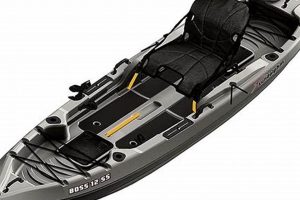
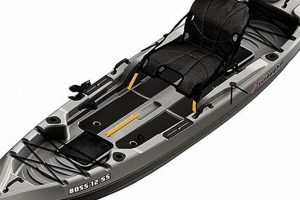
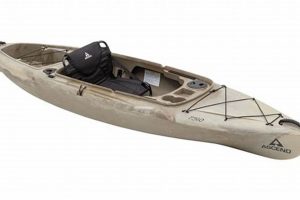
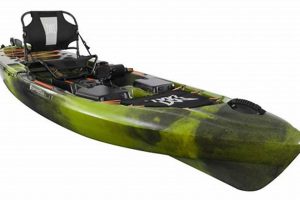
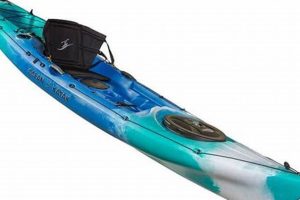
Open-deck kayaks, readily available for purchase, offer a user-friendly design ideal for recreational paddling. Their spacious cockpits allow for easy entry and exit, making them suitable for beginners, anglers, and those who prefer a more stable platform. These vessels are often wider and shorter than traditional closed-deck kayaks, prioritizing stability and comfort over speed and maneuverability.
The accessibility of these kayaks contributes to the sport’s popularity, particularly in calm waters like lakes and slow-moving rivers. Their open design provides ample storage for gear and facilitates activities like fishing or photography. Historically, similar craft have been used for transport and fishing in various cultures, demonstrating the enduring practicality of the design. The modern iteration benefits from advancements in materials and construction, resulting in durable, lightweight, and affordable options for the recreational paddler.
The following sections will delve into selecting the right kayak based on individual needs, including factors like size, material, and features. Further exploration will cover essential safety equipment, basic paddling techniques, and popular destinations for enjoying this accessible and rewarding watersport.
Tips for Selecting an Open-Deck Kayak
Choosing the right kayak requires careful consideration of various factors, ensuring optimal performance and enjoyment on the water.
Tip 1: Consider Intended Use: Evaluate primary paddling environments. Calm lakes and slow rivers necessitate different hull designs than coastal waters or rapids. Fishing requires specific features, such as rod holders and ample storage.
Tip 2: Prioritize Stability and Comfort: Wider kayaks generally offer greater stability, particularly beneficial for beginners. Assess seat design, backrest support, and cockpit dimensions for prolonged paddling comfort.
Tip 3: Evaluate Weight Capacity: Ensure the kayak’s weight capacity accommodates paddler weight, gear, and any additional passengers. Exceeding capacity compromises stability and performance.
Tip 4: Select Appropriate Materials: Common materials include polyethylene, fiberglass, and inflatable options. Each offers distinct advantages in terms of durability, weight, and cost.
Tip 5: Inspect Features and Accessories: Consider integrated features, such as cup holders, dry storage compartments, and paddle holders. Evaluate compatibility with aftermarket accessories, such as fishing gear or mounting systems.
Tip 6: Determine Transportation and Storage: Factor kayak dimensions and weight into transportation and storage logistics. Roof racks, trailers, and dedicated storage solutions might be necessary.
Tip 7: Establish a Budget: Kayak prices vary significantly based on material, features, and brand reputation. Define a realistic budget and explore options within that range.
Adhering to these guidelines enhances the likelihood of selecting a suitable kayak for individual needs and paddling preferences, promoting safety and enjoyment on the water.
Through careful consideration of these factors, one can confidently select a kayak that aligns with individual requirements and enhances the overall paddling experience.
1. Types

Categorizing open-deck kayaks by intended use clarifies selection parameters for potential buyers. Understanding these distinctions facilitates informed purchasing decisions aligned with individual paddling preferences and needs.
- Recreational Kayaks
Designed for calm waters, these prioritize stability and comfort. Shorter lengths and wider beams enhance maneuverability and balance. Often equipped with features like adjustable seats and ample storage, they suit casual paddling and exploration on lakes and slow-moving rivers. Examples include models specifically designed for beginners or families.
- Fishing Kayaks
Built for angling, these kayaks feature specialized accessories like rod holders, tackle storage, and anchor systems. Stability is paramount, allowing anglers to cast and reel comfortably. Examples include models with elevated seating for better visibility and stand-up fishing capabilities.
- Tandem Kayaks
Accommodating two paddlers, these offer shared experiences and increased stability. Longer and wider than solo kayaks, they provide ample space for gear. Examples include models designed for families or couples seeking recreational paddling.
- Inflatable Kayaks
Portable and convenient, these offer a compact storage solution. While typically less durable than hard-shell kayaks, advancements in materials have improved their rigidity and performance. Examples include models suitable for travel or limited storage space.
Selecting the appropriate kayak type hinges on intended use and desired features. Careful consideration of these categories streamlines the purchasing process and ensures a satisfying paddling experience tailored to individual needs. Further research into specific models within each category can provide additional insights into performance characteristics and suitability for specific environments.
2. Sizes

Kayak dimensions directly influence performance, comfort, and suitability for individual paddlers. Length affects tracking and speed, while width dictates stability. Weight capacity ensures safe operation and adequate buoyancy. Selecting an appropriately sized kayak is crucial for an enjoyable and efficient paddling experience. For instance, a shorter kayak offers enhanced maneuverability in tight spaces, while a longer kayak tracks more efficiently over long distances. A wider kayak provides greater stability for beginners or those fishing, while a narrower kayak offers increased speed and responsiveness for experienced paddlers. Understanding the interplay between length, width, and weight capacity empowers informed purchase decisions.
Matching kayak dimensions to paddler size and weight optimizes performance and comfort. A kayak too small can feel cramped and unstable, while a kayak too large may be difficult to control and maneuver. Consider intended use and anticipated cargo weight when selecting a kayak size. Manufacturers provide detailed specifications regarding length, width, weight capacity, and cockpit dimensions. Consulting these specifications and comparing them to individual needs ensures a proper fit. For example, a larger paddler requires a kayak with a higher weight capacity and a more spacious cockpit.
Properly sized kayaks contribute significantly to paddling efficiency and enjoyment. Discomfort or instability detracts from the experience and can compromise safety. Considering size as a key factor in the purchase process ensures optimal performance and promotes a positive on-the-water experience. Therefore, careful evaluation of kayak dimensions in relation to individual needs is paramount when selecting a kayak. This knowledge enables informed decisions and contributes to a safe, comfortable, and rewarding paddling experience.
3. Materials

Material selection significantly impacts the performance, durability, and cost of open-deck kayaks available for purchase. Understanding the properties of common kayak construction materials allows for informed decisions aligned with individual needs and budget constraints. The choice of material influences a kayak’s weight, resistance to impact and abrasion, maintenance requirements, and overall lifespan. For example, polyethylene kayaks offer excellent durability and affordability, while fiberglass kayaks prioritize lighter weight and enhanced performance. Inflatable kayaks utilize durable PVC or other synthetic fabrics for portability and compact storage.
Polyethylene kayaks are widely popular due to their robust construction and resistance to damage. Rotational molding creates a seamless, highly durable hull capable of withstanding impacts and abrasion. This material requires minimal maintenance and offers excellent UV resistance, contributing to a long lifespan. However, polyethylene kayaks tend to be heavier than other options. Fiberglass kayaks provide a significant weight advantage, enhancing paddling efficiency and maneuverability. The layered construction allows for precise shaping, resulting in sleeker hull designs optimized for speed and performance. Fiberglass kayaks require more meticulous care and are generally more expensive than polyethylene counterparts. Inflatable kayaks offer unparalleled portability, deflating to a compact size for easy storage and transport. Modern inflatable kayaks utilize durable, puncture-resistant materials and advanced construction techniques, providing surprisingly rigid and stable paddling platforms.
Careful consideration of material properties is essential when selecting an open-deck kayak. Balancing factors such as durability, weight, performance, and cost ensures a kayak suited to individual paddling preferences and environmental conditions. The material directly influences the kayak’s overall performance, longevity, and maintenance requirements. Therefore, understanding the advantages and disadvantages of each material empowers informed purchasing decisions and contributes to a satisfying paddling experience.
4. Features
Features significantly differentiate open-deck kayaks available for sale, influencing comfort, functionality, and overall paddling experience. Careful consideration of available features allows informed purchasing decisions aligned with individual needs and preferences. Features range from essential components like seating and storage to specialized accessories for fishing or photography. Evaluating these features alongside fundamental aspects like size and material ensures a well-suited kayak selection.
- Seating Systems
Comfort is paramount during extended paddling trips. Adjustable seating systems accommodate varying body types and preferences. Features like padded backrests, adjustable foot braces, and thigh supports enhance comfort and control. Examples include ergonomic seating designs and adjustable straps for personalized fit. Comfortable seating reduces fatigue and enhances overall paddling enjoyment.
- Storage Options
Secure storage accommodates essential gear and personal belongings. Dry storage compartments protect valuables from water damage, while bungee cords secure larger items on deck. Recessed storage wells maximize deck space and minimize interference with paddling. Examples include waterproof hatches, tank wells for coolers, and integrated storage compartments for smaller items. Ample storage capacity enhances versatility and facilitates longer expeditions.
- Rudder and Skeg Systems
Directional control and tracking are crucial, especially in windy conditions or challenging currents. Rudders offer active control, while skegs provide passive tracking assistance. These features enhance paddling efficiency and reduce the need for constant course correction. Examples include retractable rudders controlled by foot pedals and adjustable skegs for varying water conditions. These systems contribute to more efficient and enjoyable paddling experiences.
- Specialized Features
Specific activities benefit from dedicated features. Fishing kayaks often include rod holders, tackle storage, and anchor trolleys. Recreational kayaks might prioritize features like cup holders, paddle parks, and integrated mounts for accessories. Examples include adjustable rod holders, live wells for bait, and camera mounts for capturing on-water experiences. These specialized features enhance functionality and cater to specific paddling interests.
Evaluating available features in conjunction with other key factors, such as kayak type, size, and material, allows for informed purchase decisions. Prioritizing features aligned with individual paddling styles and intended uses ensures a kayak optimized for comfort, performance, and overall satisfaction on the water. Investing time in researching and comparing features across different models leads to a well-suited kayak selection and enhances the overall paddling experience. For example, a recreational paddler might prioritize comfortable seating and ample storage, while an angler prioritizes specialized fishing features and stability.
5. Prices
Price points for open-deck kayaks are influenced by a confluence of factors, including material, size, features, and brand reputation. Understanding these contributing elements allows potential buyers to navigate the market effectively and make informed purchasing decisions aligned with budgetary constraints and desired kayak characteristics. Price often reflects the quality of materials, manufacturing processes, included features, and overall performance capabilities. A comprehensive understanding of price determinants empowers informed consumers and facilitates optimal kayak selection.
- Entry-Level Kayaks
Typically constructed from durable, rotomolded polyethylene, these kayaks offer affordability for recreational paddlers. Basic features and simpler designs contribute to lower price points, making them accessible to a wider audience. While they may lack the advanced features of higher-end models, entry-level kayaks provide a functional and enjoyable paddling experience for casual use. Prices generally range from a few hundred dollars to around a thousand dollars, depending on size and included features.
- Mid-Range Kayaks
Often incorporating higher-quality materials and enhanced features, mid-range kayaks balance performance and affordability. They may include upgraded seating systems, enhanced storage options, and rudder or skeg systems for improved control. These kayaks cater to paddlers seeking a combination of performance, comfort, and value. Prices typically fall between one thousand and two thousand dollars, reflecting the improved materials and added features.
- High-End Kayaks
Utilizing premium materials like fiberglass or carbon fiber, high-end kayaks prioritize performance and lightweight construction. Advanced features, such as adjustable seating systems, integrated fishing accessories, and customizable outfitting options, cater to discerning paddlers seeking optimal performance and comfort. Prices for high-end kayaks can range from two thousand dollars to several thousand dollars, reflecting the advanced materials, construction techniques, and specialized features.
- Inflatable Kayaks
Spanning a broad price range, inflatable kayaks offer portability and convenient storage. Prices vary based on material quality, construction, size, and included accessories. Basic inflatable kayaks provide an affordable entry point, while higher-end models incorporate durable materials and advanced features for enhanced performance. Prices can range from a few hundred dollars for basic models to over a thousand dollars for premium inflatable kayaks with enhanced features and durability.
Navigating the price landscape for open-deck kayaks requires careful consideration of individual paddling needs, desired features, and budgetary limitations. Researching various brands, models, and retailers provides valuable insights into market pricing and available options. Ultimately, selecting a kayak within a designated budget requires balancing desired features, material preferences, and performance expectations. Understanding the interplay between these factors empowers informed purchase decisions and ensures a satisfying paddling experience commensurate with investment. By carefully evaluating price in relation to features, materials, and intended use, consumers can select a kayak that offers optimal value and aligns with their individual paddling goals.
6. Retailers
Retailers play a crucial role in connecting consumers with open-deck kayaks. They provide access to a variety of brands, models, and price points, facilitating informed purchasing decisions. Understanding the retail landscape empowers consumers to navigate available options effectively and select a kayak that aligns with individual needs and preferences. Retailer selection influences access to product expertise, warranty support, and post-purchase services. Careful consideration of retailer characteristics contributes to a positive buying experience and ensures long-term satisfaction with the chosen kayak.
- Specialty Kayak Retailers
These retailers focus exclusively on paddling equipment, offering specialized expertise and a curated selection of kayaks. They often provide personalized guidance, kayak demos, and outfitting advice. Examples include local paddle sports shops and regional chains specializing in watersports equipment. Specialty retailers cater to experienced paddlers and beginners alike, providing valuable insights and product knowledge. Their focused inventory often includes a wide range of open-deck kayak models suited to various paddling disciplines and preferences.
- Outdoor Recreation Retailers
These retailers offer a broader range of outdoor gear, including kayaks alongside camping equipment, hiking gear, and other recreational products. While their kayak expertise may be less specialized than dedicated paddle sports retailers, they often provide competitive pricing and convenient one-stop shopping for outdoor enthusiasts. Examples include national chains and large sporting goods stores. These retailers offer a convenient option for consumers seeking a variety of outdoor equipment. Their kayak selection may focus on popular models and recreational designs.
- Online Retailers
Online platforms offer a vast selection of kayaks from various brands and retailers. Competitive pricing and convenient browsing are key advantages. However, online purchases limit opportunities for in-person inspection and personalized advice. Examples include e-commerce marketplaces and dedicated online watersports retailers. Online retailers provide access to a wider range of models and often offer competitive pricing. However, the absence of in-person interaction necessitates thorough research and reliance on product descriptions and customer reviews.
- Direct-to-Consumer Brands
Some kayak manufacturers sell directly to consumers, bypassing traditional retail channels. This approach can offer competitive pricing and direct access to manufacturer support. However, it limits opportunities for in-person product comparisons and may restrict access to a wider range of brands and models. Examples include kayak manufacturers with dedicated online stores and direct sales programs. This sales model often prioritizes value and direct customer relationships.
Selecting the appropriate retailer for purchasing an open-deck kayak depends on individual needs and priorities. Factors such as desired level of expertise, preferred shopping experience, and access to specific brands or models influence retailer selection. By carefully considering these factors, consumers can identify a retail partner that enhances the purchasing process and ensures a positive experience. The choice of retailer plays a significant role in ensuring access to suitable kayak options, reliable product information, and satisfactory post-purchase support.
7. Maintenance

Maintenance plays a vital role in preserving the longevity, performance, and resale value of open-deck kayaks. Proper care ensures continued enjoyment on the water and minimizes the risk of costly repairs or premature replacement. Neglecting routine maintenance can lead to degraded performance, compromised safety, and diminished aesthetic appeal. A proactive approach to maintenance safeguards the investment and contributes to a positive ownership experience. This section explores key maintenance aspects relevant to open-deck kayaks available for purchase.
- Cleaning
Regular cleaning prevents the buildup of dirt, grime, and algae, which can degrade kayak materials and affect performance. Rinsing the kayak with fresh water after each use removes salt, sand, and other debris. Periodically cleaning with mild soap and water removes stubborn stains and prevents long-term damage. Thorough cleaning is especially important in saltwater environments to prevent corrosion and material degradation. This practice preserves the kayak’s appearance and extends its lifespan.
- Storage
Proper storage protects the kayak from environmental damage and preserves its structural integrity. Storing the kayak out of direct sunlight prevents UV degradation, which can cause fading and material weakening. Storing the kayak in a covered area or utilizing a UV-resistant cover further protects it from the elements. Proper support during storage prevents warping or deformation. Appropriate storage practices safeguard the kayak’s condition and minimize the risk of damage during periods of non-use.
- Inspection and Repair
Regular inspections identify potential issues before they escalate into major problems. Checking for cracks, scratches, and other damage allows for timely repairs, preventing further deterioration. Addressing minor damage promptly minimizes repair costs and preserves the kayak’s structural integrity. Inspecting hardware, such as hatches, rudders, and skegs, ensures proper function and prevents malfunctions on the water. Proactive inspection and repair contribute to safe and reliable performance.
- UV Protection
Ultraviolet radiation from sunlight can degrade kayak materials, causing fading, cracking, and weakening. Applying a UV protectant spray or using a UV-resistant cover helps mitigate these effects. Regularly reapplying UV protectant maintains its effectiveness and prolongs the kayak’s lifespan. Protecting the kayak from excessive sun exposure preserves its appearance and structural integrity, contributing to long-term durability.
Implementing a comprehensive maintenance routine is essential for preserving the condition and value of open-deck kayaks. Regular cleaning, proper storage, timely inspections and repairs, and UV protection contribute to long-term durability and ensure continued enjoyment on the water. A proactive approach to maintenance safeguards the investment and allows owners to maximize the lifespan of their kayaks. Understanding these key maintenance aspects empowers informed purchasing decisions and promotes responsible kayak ownership. By prioritizing maintenance, kayak owners contribute to both the longevity of their equipment and the overall enjoyment of the paddling experience.
Frequently Asked Questions
This section addresses common inquiries regarding open-deck kayaks available for purchase, providing concise and informative responses to facilitate informed decision-making.
Question 1: What are the primary advantages of open-deck kayaks?
Open-deck kayaks offer enhanced stability, ease of entry and exit, and increased comfort, particularly for beginners, anglers, and recreational paddlers. Their open design facilitates water activities like fishing and photography.
Question 2: How does one choose between an open-deck and a closed-deck kayak?
The choice depends on intended use and paddling environment. Open-deck kayaks excel in calm waters and prioritize stability and ease of use. Closed-deck kayaks offer better protection from the elements and are suitable for more challenging conditions.
Question 3: What factors influence the price of an open-deck kayak?
Material, size, features, and brand reputation contribute to price variations. Entry-level models prioritize affordability, while high-end kayaks incorporate premium materials and advanced features, resulting in higher price points.
Question 4: What essential safety equipment should accompany an open-deck kayak purchase?
Essential safety gear includes a personal flotation device (PFD), a whistle, a paddle leash, and appropriate navigation lights if paddling after dark. Additional safety equipment may be required depending on local regulations and paddling conditions.
Question 5: What maintenance is required for an open-deck kayak?
Routine maintenance includes cleaning after each use, proper storage to protect from the elements, regular inspections for damage, and application of UV protectant to prevent material degradation.
Question 6: Where can one purchase an open-deck kayak?
Open-deck kayaks are available from various retailers, including specialty kayak shops, outdoor recreation stores, online retailers, and direct-to-consumer brands. Retailer selection influences access to product expertise, warranty support, and post-purchase services.
Careful consideration of these frequently asked questions, alongside thorough product research and consideration of individual needs, empowers informed purchasing decisions and fosters a positive ownership experience.
The subsequent section offers a comprehensive guide to essential paddling gear and accessories, ensuring safe and enjoyable on-water excursions.
Conclusion
Open-deck kayaks present a compelling option for individuals seeking accessible and enjoyable watercraft. Factors such as intended use, material preferences, size requirements, desired features, and budget constraints inform appropriate selection. Understanding these elements, alongside retailer options and maintenance requirements, empowers informed purchasing decisions. Prioritizing safety considerations and acquiring essential paddling gear ensures a positive and secure on-water experience.
The enduring appeal of open-deck kayaks stems from their versatility, user-friendliness, and adaptability to various paddling environments. Continued advancements in design and materials promise further enhancements to performance, comfort, and accessibility. Exploration of available options, coupled with diligent research and informed decision-making, unlocks the full potential of these versatile watercraft, fostering enriching experiences on the water for years to come.