The decision to purchase a kayak designed for fishing involves careful consideration of individual needs and circumstances. This choice represents a potential investment in a specialized piece of recreational equipment. For example, one might consider this purchase to access remote fishing locations or enjoy a more intimate connection with nature.
Enabling anglers to reach otherwise inaccessible waters, fishing kayaks offer distinct advantages. These vessels provide stability, portability, and stealth, often proving more effective than traditional boats in shallow or heavily vegetated areas. Historically, kayaks have been utilized for fishing and transportation, evolving from simple hunting craft to the sophisticated, purpose-built designs available today. This evolution reflects the growing popularity and specialization of kayak fishing.
This exploration delves into key factors relevant to this decision, including types of fishing kayaks, essential features, budgetary considerations, and necessary safety precautions. By understanding these aspects, individuals can make informed choices aligned with their fishing goals and experience levels.
Tips for Kayak Fishing Considerations
Evaluating the suitability of kayak fishing requires careful consideration of various factors. The following tips provide guidance for prospective buyers.
Tip 1: Assess Fishing Style and Location. Fishing styles and target locations significantly influence kayak selection. Ocean kayaking requires a different vessel than freshwater pond fishing. Consider the typical water conditions, target species, and distances typically covered.
Tip 2: Determine Budgetary Constraints. Kayak prices vary significantly based on features, materials, and propulsion systems. Establishing a budget helps narrow the selection and prevents overspending.
Tip 3: Evaluate Storage and Transportation Needs. Kayak size and weight impact storage and transportation. Consider available storage space and vehicle capacity before purchasing. Inflatable kayaks offer portability advantages.
Tip 4: Research Kayak Features. Features like rod holders, storage compartments, and seating comfort enhance the fishing experience. Consider which features are essential and prioritize accordingly.
Tip 5: Prioritize Safety Equipment. Safety is paramount in kayak fishing. A personal flotation device (PFD), a whistle, and appropriate navigation lights are essential safety items. Consider additional safety gear based on location and conditions.
Tip 6: Consider Propulsion Options. Kayaks utilize paddles, pedals, or motors for propulsion. Paddle kayaks offer simplicity and affordability, while pedal and motor kayaks provide increased speed and range.
Tip 7: Test Kayaks Before Purchasing. If possible, test different kayaks before making a final decision. This allows for evaluation of stability, comfort, and maneuverability.
Careful consideration of these tips enables informed decisions regarding kayak selection. Prioritizing individual needs and circumstances ultimately leads to a more enjoyable and productive fishing experience.
By understanding these factors, prospective buyers can confidently navigate the kayak selection process and find the vessel best suited for their fishing adventures.
1. Fishing Style

Fishing style significantly influences the decision to purchase a fishing kayak and the specific type of kayak chosen. Angling preferences dictate the necessary features and design elements, impacting stability, maneuverability, and storage capacity. Understanding one’s fishing style is crucial for a successful kayak selection.
- Stillwater Angling
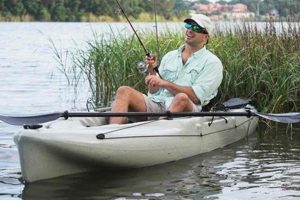
Stillwater angling, practiced on lakes and ponds, often involves casting for bass, panfish, or trout. Kayaks suited for this style prioritize stability for casting and retrieving, ample storage for tackle and equipment, and comfortable seating for extended periods. Anglers focusing on stillwater fishing benefit from wider, more stable platforms. For example, an angler targeting bass in a weedy lake might prefer a sit-on-top kayak with a standing platform for sight fishing.
- River Fishing
River fishing presents unique challenges, including currents, obstacles, and varying depths. Maneuverability and durability become paramount in this environment. Kayaks designed for river fishing often feature shorter lengths, rockered hulls for navigating rapids, and durable construction to withstand impacts. An angler fishing for trout in a fast-flowing river would benefit from a shorter, more agile kayak.
- Ocean Kayak Fishing
Ocean kayak fishing demands speed, stability, and storage capacity for tackling larger species in open water. These kayaks are typically longer and more streamlined, offering efficient paddling or pedaling. Features like rod holders, fish finders, and ample storage for safety gear and larger catches are essential. An angler targeting offshore species requires a seaworthy kayak with ample storage and stability in rough conditions.
- Fly Fishing from a Kayak
Fly fishing from a kayak requires specialized features that accommodate casting techniques and equipment storage. Stability is paramount for standing and casting, while dedicated storage solutions for fly rods and gear are essential. Kayaks designed for fly fishing often feature a higher seat position for better visibility and casting angles. An angler fly fishing for bonefish in shallow flats needs a stable, shallow-draft kayak with easy access to fly fishing gear.
The chosen fishing style ultimately dictates the appropriate kayak features and design. By carefully considering specific angling preferences and target environments, prospective buyers can select a kayak that enhances their fishing experience and optimizes their success on the water.
2. Budget
Budgetary considerations play a crucial role in the decision-making process of acquiring a fishing kayak. The cost of fishing kayaks varies significantly based on features, materials, and propulsion systems. Establishing a realistic budget is essential for narrowing down options and ensuring a purchase aligns with financial capabilities. A well-defined budget prevents overspending and facilitates informed decision-making.
- Entry-Level Kayaks
Entry-level fishing kayaks offer affordability for those new to the sport or seeking basic functionality. These kayaks typically utilize simpler designs and materials, providing a cost-effective entry point. While lacking premium features, they offer adequate performance for casual fishing. For example, a basic sit-on-top kayak with molded-in rod holders and limited storage falls into this category. This option suits beginners or anglers with limited budgets. However, limitations in features and performance may become apparent as experience grows.
- Mid-Range Kayaks
Mid-range fishing kayaks represent a balance between affordability and performance. They incorporate enhanced features like adjustable seating, improved storage solutions, and higher-quality materials. This category caters to anglers seeking versatility and comfort without exceeding budgetary constraints. A kayak with a pedal-drive system, enhanced seating, and integrated fish finder exemplifies this category. This option suits anglers seeking improved performance and comfort. The added features enhance the fishing experience without significant cost escalation.
- High-End Kayaks
High-end fishing kayaks represent the pinnacle of performance and features. These kayaks incorporate premium materials, advanced propulsion systems, and cutting-edge technology. They cater to serious anglers seeking optimal performance and comfort. A top-of-the-line kayak with a powerful motor, integrated GPS and sonar, and premium seating exemplifies this category. This option suits experienced anglers prioritizing performance and advanced features. However, the significant investment requires careful consideration of long-term use and fishing goals.
- Additional Costs
Beyond the initial kayak purchase, additional costs warrant consideration. Essential accessories like paddles, life vests, and safety equipment contribute to the overall expense. Transportation and storage solutions also add to the total cost. Factoring in these additional expenses ensures a realistic budget assessment. For example, roof racks, kayak trailers, and storage fees contribute to the long-term cost of ownership. Understanding these associated costs provides a comprehensive budgetary overview.
By carefully evaluating budgetary constraints and exploring the various kayak categories, individuals can make informed decisions aligned with their financial resources and fishing aspirations. A well-defined budget facilitates selecting a kayak that meets both performance needs and financial limitations, ultimately enhancing the overall fishing experience without incurring unnecessary financial strain. Recognizing the long-term costs associated with ownership further refines the decision-making process.
3. Transportation

Transportation considerations are integral to the decision of kayak acquisition. Kayak size and weight significantly influence transport options, requiring careful evaluation of available vehicle capacity and storage solutions. Transporting longer, heavier kayaks necessitates appropriate roof racks, trailers, or alternative methods. Failure to adequately address transportation logistics can lead to impracticality and limit access to desired fishing locations. For example, a larger, heavier kayak might require a dedicated trailer, impacting transportation costs and storage requirements. Conversely, smaller, lighter kayaks offer increased portability, potentially eliminating the need for specialized transport equipment. Inflatable kayaks provide a further option, facilitating compact storage and transport in standard vehicles.
Practical implications of kayak transportation extend beyond initial purchase. Regular transport to and from fishing destinations requires accessible launch points and suitable vehicle configurations. The distance between storage location and launch sites also influences transport practicality. For instance, living in an apartment with limited storage necessitates convenient access to a vehicle capable of transporting the kayak. Similarly, remote fishing locations require vehicles suited for challenging terrain. Evaluating these logistical factors ensures accessibility and minimizes potential transport-related complications. Overlooking these practicalities can diminish the overall enjoyment and practicality of kayak fishing.
Successful integration of kayak fishing into recreational pursuits hinges on addressing transportation logistics. Careful consideration of kayak dimensions, vehicle capacity, storage solutions, and accessibility of launch sites ensures seamless transport. Failing to address these elements can lead to frustration and limit fishing opportunities. Therefore, evaluating transportation practicality is essential for informed decision-making and long-term enjoyment of kayak fishing. Understanding the interplay between kayak choice and transportation logistics ultimately maximizes accessibility and enjoyment on the water.
4. Storage Space

Storage space availability represents a critical factor in determining the practicality of kayak ownership. Kayak dimensions necessitate adequate storage solutions, whether at home or elsewhere. Limited storage space can restrict kayak choices to smaller, more portable models or necessitate off-site storage arrangements. Evaluating available storage space before purchasing a kayak is crucial for ensuring long-term storage feasibility and avoiding potential complications. Ignoring storage requirements can lead to logistical challenges and diminish the overall enjoyment of kayak fishing.
- Residential Storage
Residential storage options vary widely, influencing kayak selection. Garages, sheds, and basements offer convenient storage solutions for larger kayaks. However, apartments or homes with limited storage may necessitate smaller, inflatable, or collapsible kayaks. For example, a homeowner with ample garage space can accommodate a larger, rigid fishing kayak, while an apartment dweller might opt for an inflatable or modular kayak due to space constraints. Ceiling hoists or wall-mounted racks maximize space utilization in smaller garages or sheds.
- Off-Site Storage
Off-site storage facilities provide alternative solutions for individuals lacking adequate residential storage. These facilities offer secure storage options for kayaks, but incur additional costs and require transportation to and from fishing locations. For example, an individual lacking home storage might utilize a dedicated storage unit or a marina’s kayak storage racks. However, accessing the kayak requires additional planning and travel time, potentially impacting spontaneous fishing trips. Cost considerations for long-term off-site storage are also relevant.
- Kayak Size and Type
Kayak size and type directly impact storage requirements. Longer, heavier kayaks demand more storage space than shorter, lighter, or inflatable models. Folding or modular kayaks offer space-saving advantages for those with limited storage. For example, a 14-foot fishing kayak requires significantly more storage space than a 10-foot model or an inflatable kayak. Choosing a kayak that aligns with available storage space is essential for avoiding storage-related difficulties. The type of kayak, such as sit-on-top versus sit-inside, also influences storage needs due to varying dimensions and hull shapes.
- Transport and Storage Integration
Integrating transport and storage considerations optimizes kayak ownership logistics. Choosing a kayak that fits within available vehicle space and designated storage area streamlines transport and storage processes. For instance, selecting a kayak that fits within a vehicle’s interior eliminates the need for roof racks or trailers, simplifying transport and potentially reducing storage space requirements. Similarly, a kayak compatible with existing storage racks or hoist systems minimizes storage footprint and handling complexities. Aligning kayak choice with transport and storage capabilities enhances overall convenience and accessibility.
Careful evaluation of storage space limitations, coupled with consideration of kayak dimensions and available transport options, informs practical kayak selection. Aligning kayak choice with storage capabilities ensures convenient storage and accessibility, maximizing enjoyment and minimizing logistical challenges associated with kayak ownership. Failure to adequately address storage requirements can lead to impracticality, limiting the overall enjoyment and convenience of kayak fishing.
5. Target Species

Target species significantly influence the decision-making process regarding fishing kayak acquisition. The type of fish pursued directly impacts kayak selection, dictating necessary features, hull design, and overall performance characteristics. Understanding the connection between target species and kayak choice is crucial for optimizing fishing success and ensuring a suitable vessel for specific angling pursuits. Different species inhabit diverse environments and exhibit varying behaviors, necessitating kayaks tailored to these specific requirements. A kayak optimized for pursuing small panfish in calm lakes differs significantly from one designed for battling large pelagic fish in open ocean.
- Species Size and Fighting Ability
The size and fighting ability of target species dictate the required kayak stability and durability. Larger, more powerful fish necessitate a stable platform capable of withstanding aggressive runs and maneuvers. Smaller species, conversely, allow for greater flexibility in kayak choice. For example, targeting large tuna or marlin demands a robust, ocean-worthy kayak with exceptional stability. Conversely, pursuing smaller trout or panfish allows for a wider range of kayak options, including smaller, more agile models. Matching kayak stability and durability to the target species’ size and fighting ability is paramount for safety and angling success.
- Habitat and Fishing Environment
The habitat and fishing environment of target species dictate kayak design and features. Fishing in shallow, vegetated areas requires a kayak with a shallow draft and enhanced maneuverability. Open-water fishing necessitates a kayak designed for speed and stability in rough conditions. For example, pursuing bass in shallow, weedy lakes necessitates a kayak with a shallow draft and the ability to navigate through dense vegetation. Conversely, targeting offshore species like tuna requires a seaworthy kayak capable of handling rough seas and strong currents. Aligning kayak design with the target species’ habitat ensures optimal performance and accessibility in the intended fishing environment.
- Fishing Techniques Employed
Fishing techniques employed for specific species influence kayak features and layout. Trolling requires a kayak with ample storage for tackle and equipment, along with features like rod holders and downriggers. Fly fishing necessitates a stable platform with a higher vantage point for casting. For example, trolling for salmon or trout requires a kayak with rod holders, downrigger mounts, and ample storage for tackle and gear. Conversely, fly fishing for bonefish in shallow flats necessitates a stable, shallow-draft kayak with easy access to fly rods and lines. Matching kayak features and layout to the employed fishing techniques enhances efficiency and overall fishing success.
- Accessibility and Range
The accessibility and range required to reach target species influence kayak choice. Remote fishing locations necessitate kayaks capable of covering longer distances or navigating challenging terrain. Easily accessible areas offer greater flexibility in kayak selection. For instance, accessing remote mountain lakes or rivers may require a lightweight, portable kayak capable of being carried over land. Conversely, fishing in easily accessible lakes or ponds allows for larger, heavier kayaks with more features and storage. Considering the accessibility and range required to reach target species ensures logistical feasibility and expands fishing opportunities.
The interplay between target species and kayak selection is multifaceted, impacting various aspects of the angling experience. Considering the size and fighting ability of the fish, their habitat and preferred fishing environment, the employed fishing techniques, and the accessibility of fishing locations collectively inform appropriate kayak choices. Aligning kayak selection with target species maximizes fishing success, enhances safety, and ensures a suitable vessel for specific angling pursuits. By carefully evaluating these interconnected factors, anglers can choose a kayak that optimizes their fishing experience and caters to their specific target species.
6. Water Conditions

Water conditions represent a critical factor influencing the suitability of kayak fishing and the selection of an appropriate vessel. Varying water conditions, from calm lakes to turbulent oceans, necessitate specific kayak designs and features. Understanding the impact of water conditions on kayak performance and angler safety is paramount for informed decision-making. A kayak designed for tranquil ponds may prove inadequate or even dangerous in rough seas or fast-flowing rivers. Therefore, careful consideration of prevailing water conditions in intended fishing locations is essential.
- Currents and Tidal Flows
Currents and tidal flows significantly impact kayak control and maneuverability. Strong currents necessitate kayaks with excellent tracking and stability. Tidal flows introduce fluctuating water levels and potential hazards, requiring careful planning and navigation. For example, fishing in tidal estuaries requires a kayak capable of handling changing currents and depths. Similarly, navigating rivers with strong currents demands a kayak designed for directional stability and efficient paddling or pedaling. Understanding the influence of currents and tidal flows on kayak handling is essential for safe and effective fishing.
- Wind and Waves
Wind and waves directly influence kayak stability and paddling effort. High winds and choppy water necessitate kayaks with increased stability and wind resistance. Kayak length and hull design play crucial roles in mitigating the effects of wind and waves. For instance, shorter, wider kayaks offer increased stability in windy conditions, while longer kayaks track better in waves. Ocean kayaking requires kayaks specifically designed to handle rough seas and strong winds. Evaluating the impact of wind and waves on kayak performance is crucial for ensuring safety and comfort on the water.
- Water Temperature and Conditions
Water temperature and conditions impact angler comfort and safety. Cold water necessitates appropriate clothing and safety gear, while extremely warm water requires sun protection and hydration strategies. Furthermore, water clarity affects fishing techniques and visibility, influencing kayak selection. For example, fishing in cold water requires a kayak with ample storage for extra clothing and safety equipment. Fishing in murky water might necessitate a kayak equipped with a fish finder or other electronic aids. Considering water temperature and conditions ensures angler comfort and preparedness for various fishing environments.
- Obstacles and Hazards
Obstacles and hazards, such as rocks, submerged logs, and aquatic vegetation, present navigational challenges and potential safety risks. Kayaks designed for navigating these environments often feature durable hulls and enhanced maneuverability. Understanding the presence and nature of potential obstacles and hazards in intended fishing locations informs appropriate kayak selection and safe navigation practices. For example, fishing in rocky rivers or shallow, weedy lakes requires a kayak with a durable hull and excellent maneuverability. Awareness of potential hazards and appropriate kayak selection mitigates risks and enhances safety on the water.
The diverse nature of water conditions necessitates careful consideration when selecting a fishing kayak. Evaluating the potential impact of currents, wind, waves, water temperature, and potential obstacles on kayak performance and angler safety ensures informed decision-making. Choosing a kayak suited for the intended water conditions optimizes fishing success, enhances safety, and ensures a comfortable and enjoyable experience on the water. Ignoring the influence of water conditions can lead to inadequate performance, compromised safety, and diminished enjoyment of kayak fishing.
7. Safety Concerns

Safety concerns are paramount when considering the acquisition of a fishing kayak. A kayak, while offering unique angling opportunities, presents inherent risks requiring careful evaluation. Understanding these risks and implementing appropriate safety measures is crucial for responsible kayak fishing. Neglecting safety considerations can lead to serious consequences, impacting not only personal well-being but also potentially incurring costs associated with rescue operations or medical treatment. A comprehensive assessment of safety concerns is therefore integral to the decision-making process.
Several factors contribute to potential safety risks in kayak fishing. Water conditions, including currents, wind, and waves, can destabilize kayaks, increasing the risk of capsizing. Cold water immersion poses a significant threat, potentially leading to hypothermia or drowning. Collisions with submerged objects or other vessels present additional hazards. Furthermore, inadequate safety equipment or lack of proper training exacerbates these risks. For example, venturing into rough seas without a proper personal flotation device (PFD) or knowledge of self-rescue techniques significantly elevates the risk of a negative outcome. Similarly, ignoring weather forecasts and venturing out in adverse conditions can place an angler in precarious situations. Understanding these potential hazards and mitigating them through appropriate preparation and equipment is essential for safe kayak fishing.
Mitigating safety risks requires proactive measures and responsible decision-making. Wearing a PFD at all times is non-negotiable. Carrying essential safety equipment, such as a whistle, signaling devices, and a first-aid kit, is crucial. Regularly checking weather forecasts and understanding water conditions before embarking on a fishing trip are essential precautions. Acquiring proper paddling and self-rescue techniques through professional instruction significantly enhances safety. Furthermore, informing someone of fishing plans, including intended location and return time, provides an additional layer of security. These proactive measures minimize potential risks and contribute to a safer and more enjoyable kayak fishing experience. Addressing safety concerns comprehensively strengthens the argument for informed and responsible kayak acquisition, promoting safe enjoyment of this rewarding recreational activity.
Frequently Asked Questions
This FAQ section addresses common inquiries regarding the acquisition of a fishing kayak, providing concise and informative responses to facilitate informed decision-making.
Question 1: What are the primary advantages of fishing from a kayak compared to a traditional boat?
Kayaks offer enhanced access to shallow or vegetated areas often inaccessible to larger boats. Their maneuverability, stealth, and affordability provide distinct advantages for anglers seeking a closer connection with nature and diverse fishing opportunities.
Question 2: How much does a fishing kayak typically cost?
Fishing kayak prices range from several hundred dollars for basic models to several thousand dollars for premium, feature-rich options. Budgetary considerations should align with individual needs and desired features.
Question 3: What essential safety equipment is required for kayak fishing?
Essential safety equipment includes a personal flotation device (PFD), a whistle, signaling devices, and a first-aid kit. Additional safety gear may be necessary depending on location and conditions.
Question 4: What are the different types of fishing kayaks available?
Fishing kayaks vary in design, including sit-on-top, sit-inside, inflatable, and pedal-driven models. Each type caters to specific fishing styles and preferences.
Question 5: How is a fishing kayak transported and stored?
Kayak transportation methods include roof racks, trailers, and inside vehicle transport. Storage options include garages, sheds, or specialized kayak storage facilities. Transportation and storage logistics should align with kayak dimensions and available resources.
Question 6: What factors should be considered when choosing a fishing kayak?
Factors influencing kayak selection include fishing style, target species, water conditions, budget, transportation logistics, and storage space availability. Careful consideration of these elements ensures a suitable and practical kayak choice.
Careful consideration of these frequently asked questions facilitates informed decision-making regarding kayak acquisition. Addressing these common concerns ensures a suitable and practical kayak choice aligned with individual needs and fishing aspirations.
For further information and detailed guidance on selecting a fishing kayak, consult specialized retailers, online resources, or experienced kayak anglers.
Should I Buy a Fishing Kayak? A Conclusion
The decision of whether to acquire a fishing kayak represents a significant investment requiring careful deliberation. This exploration has examined key factors influencing this decision, encompassing fishing style, budgetary constraints, transportation logistics, storage solutions, target species considerations, prevalent water conditions, and paramount safety concerns. A comprehensive understanding of these elements provides a framework for informed decision-making, ensuring alignment between individual needs and kayak characteristics. Ultimately, a well-informed choice optimizes the angling experience and ensures responsible kayak ownership.
Kayak fishing offers a unique blend of recreation, sport, and connection with nature. The decision to embrace this activity requires thoughtful consideration of the factors presented. Prospective kayak anglers are encouraged to thoroughly evaluate their individual circumstances and prioritize needs to determine if kayak fishing aligns with their lifestyle and aspirations. A balanced assessment of these elements empowers individuals to make informed choices and embark on rewarding fishing adventures.