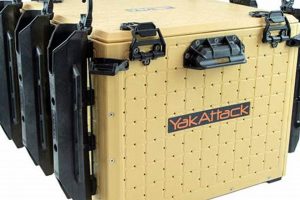
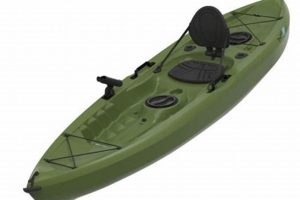
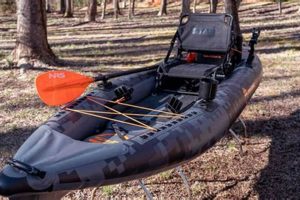
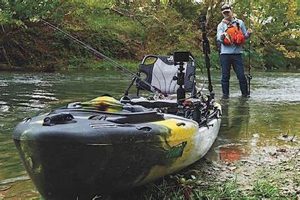
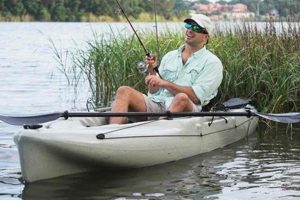
A plastic storage container, originally designed for dairy transport, is frequently employed by anglers to organize and secure gear during kayak excursions. This lightweight, durable, and cost-effective solution offers ample space for tackle boxes, rods, safety equipment, and other essentials, facilitating easy access and preventing items from shifting or getting lost in the kayak’s limited storage areas.
Adaptability is key to successful kayak angling. These readily available containers provide a customizable platform for various fishing styles and preferences. Their open grid structure allows for easy drainage and ventilation, preventing water accumulation and gear damage. Furthermore, they can be easily modified with additions like rod holders, anchor trolleys, and other accessories, enhancing functionality and angler efficiency. This practice has gained popularity among recreational anglers due to its practicality and affordability.
This overview provides a foundation for a deeper exploration of specific modifications, rigging techniques, and popular accessories associated with this versatile storage solution for kayak fishing. Further discussion will cover topics such as choosing the right container, maximizing space utilization, and ensuring stability and safety on the water.
Tips for Optimizing Crate Storage in a Kayak
Effective organization is crucial for a successful kayak fishing trip. Proper crate utilization maximizes storage space, enhances accessibility, and improves overall safety.
Tip 1: Secure the Crate: Ensure the crate is firmly fastened to the kayak using straps, bungee cords, or dedicated mounting hardware. This prevents shifting during movement and potential capsizing.
Tip 2: Prioritize Essential Gear: Store frequently accessed items, such as tackle boxes, pliers, and knives, in the top or easily accessible compartments of the crate.
Tip 3: Utilize Dividers and Organizers: Employ smaller containers, dividers, or foam inserts within the crate to compartmentalize gear and prevent tangling or damage.
Tip 4: Distribute Weight Evenly: Balance the load within the crate and across the kayak to maintain stability and prevent tipping. Avoid overloading one side.
Tip 5: Consider Drainage and Ventilation: Drill drainage holes in the crate’s bottom to prevent water accumulation and promote airflow, particularly for items susceptible to moisture damage.
Tip 6: Customize with Accessories: Utilize rod holders, cup holders, and other attachments to enhance the crate’s functionality and personalize the setup.
Tip 7: Label and Organize: Clearly label compartments and containers to quickly locate specific items and maintain an efficient workflow while on the water.
By implementing these strategies, anglers can transform a simple crate into an invaluable asset, promoting a more organized, efficient, and enjoyable kayak fishing experience.
These practical tips lay the groundwork for a safe and productive outing. The following section will delve into specific crate modifications and rigging techniques.
1. Storage

Effective storage is paramount in kayak fishing due to limited space and the need for readily accessible gear. A properly organized system contributes significantly to efficiency and safety on the water. The milk crate’s inherent structure and adaptability make it a valuable storage solution in this context.
- Capacity and Organization:
Milk crates offer ample storage for essential fishing gear, including tackle boxes, tools, safety equipment, and personal items. Their open design allows for quick visual identification of contents, while the standardized dimensions facilitate stacking and secure placement within the kayak. This inherent organization reduces clutter and search time, crucial for maintaining focus on fishing.
- Customization and Adaptability:
The milk crate’s simple structure allows for extensive customization to suit individual angler needs. Dividers, trays, and smaller containers can be added to compartmentalize items further, preventing tangling and damage. Exterior modifications, such as rod holders and attachment points for other accessories, enhance functionality and maximize space utilization.
- Accessibility and Efficiency:
Strategic placement and organization of gear within a milk crate system allow for rapid retrieval of essential items. Placing frequently used items in top compartments or readily accessible pouches minimizes disruption and maximizes fishing time. This efficient workflow contributes to a more productive and enjoyable experience.
- Security and Stability:
Securing the milk crate to the kayak is essential for preventing shifting and potential loss of gear during movement. Straps, bungee cords, or dedicated mounting hardware ensure the crate remains stable, contributing to the overall safety and balance of the kayak, particularly in challenging conditions.
The integration of a milk crate system addresses the unique storage challenges inherent in kayak fishing. Its adaptability, combined with strategic organization, significantly enhances efficiency and safety, allowing anglers to focus on the primary objective: catching fish. This optimized storage solution transforms the kayak into a well-equipped and organized fishing platform, maximizing both practicality and enjoyment on the water.
2. Customization

Customization plays a pivotal role in adapting milk crates for kayak fishing, transforming a simple storage container into a personalized and highly functional piece of equipment. The crate’s inherent modularity allows anglers to tailor their setup to specific fishing styles, target species, and individual preferences. This adaptability is crucial given the diverse nature of kayak fishing and the limited space available on these vessels.
One key aspect of customization is the addition of accessories. Rod holders can be affixed to the crate’s sides, providing secure storage and quick access to fishing rods. Attaching cutting boards, pliers holders, and other specialized tools facilitates efficient line management and lure changes. Further customization includes incorporating anchor trolleys, fish finders, and even camera mounts, enhancing both functionality and the overall fishing experience. For example, a bass angler might prioritize readily accessible lure storage, while a fly fisherman might focus on incorporating a system for managing flies and leaders. These modifications enhance efficiency and workflow, allowing anglers to focus on fishing rather than managing equipment.
The ability to tailor milk crate setups significantly contributes to both the practicality and enjoyment of kayak fishing. Customization allows anglers to create efficient, personalized workstations on the water, maximizing space utilization and streamlining essential tasks. While pre-fabricated kayak fishing accessories exist, the affordability and adaptability of the milk crate system provide a valuable alternative, especially for anglers seeking cost-effective solutions or those with unique rigging requirements. Ultimately, this customization translates to a more organized, productive, and enjoyable experience on the water, demonstrating the significant role of adaptability in successful kayak angling.
3. Accessibility

Accessibility plays a crucial role in kayak fishing, where limited space and the dynamic nature of the environment necessitate efficient gear management. Utilizing a milk crate system significantly enhances accessibility, directly impacting both angler performance and safety. Rapid access to essential equipment, such as pliers, line cutters, and tackle boxes, becomes paramount when battling a fish or navigating challenging waters. A well-organized crate system keeps these items within easy reach, minimizing time spent searching and maximizing time spent fishing.
Consider a scenario where an angler hooks a fish near a snag. Immediate access to pliers for line management becomes critical to prevent losing the fish or becoming entangled. A milk crate configured with designated compartments for tools ensures quick retrieval, increasing the likelihood of a successful landing. Similarly, in changing weather conditions, readily accessible safety gear, such as a bilge pump or signaling device, stored within the crate can be crucial for maintaining stability and signaling for assistance if needed. These practical examples underscore the direct correlation between accessibility and both successful fishing outcomes and overall safety on the water.
The inherent structure of the milk crate, combined with strategic organization, facilitates this enhanced accessibility. Its open design allows for quick visual identification of contents, while customization options, such as attaching tool holders or utilizing clear storage containers, further enhance efficiency. By prioritizing frequently used items and implementing a logical arrangement within the crate, anglers create a streamlined workflow, reducing distractions and maximizing valuable fishing time. This emphasis on accessibility transforms the milk crate from a simple storage container into an essential component of a safe and efficient kayak fishing setup.
4. Durability

Durability is a critical factor in the efficacy of milk crates as kayak fishing equipment. These containers, originally designed for the rigors of commercial milk delivery, are constructed from high-density polyethylene (HDPE), a plastic known for its impact resistance, strength, and resilience against environmental factors. This inherent durability translates well to the demanding conditions of kayak fishing, where equipment is exposed to saltwater, UV radiation, temperature fluctuations, and potential impacts. A durable storage solution ensures gear remains protected and functional, contributing to a safe and productive fishing experience. For example, a crate’s ability to withstand impacts from rocks or accidental drops protects sensitive fishing gear, preventing costly replacements or disruptions during outings.
The practical implications of crate durability extend beyond simple gear protection. A robust crate maintains its structural integrity even when fully loaded with equipment, providing a stable platform for mounting accessories such as rod holders and fish finders. This stability is crucial for maintaining balance and preventing equipment failure in challenging conditions. Furthermore, HDPE’s resistance to UV degradation and saltwater corrosion ensures the crate remains functional over extended periods, offering a cost-effective storage solution for frequent anglers. The ability to withstand repeated exposure to harsh elements minimizes the need for frequent replacements, reducing overall expenses associated with kayak fishing. Investing in a durable crate contributes to long-term cost savings and ensures reliable performance throughout numerous fishing trips.
The durability of milk crates contributes significantly to their value in kayak fishing. This inherent robustness ensures equipment protection, provides a stable platform for accessories, and withstands harsh environmental conditions, minimizing long-term costs and maximizing the lifespan of the storage solution. Selecting a durable crate enhances the overall safety, efficiency, and enjoyment of kayak fishing, allowing anglers to focus on their pursuit without concerns about equipment failure or gear damage.
5. Affordability

Affordability represents a significant advantage of utilizing milk crates for kayak fishing. Compared to commercially available kayak-specific storage solutions, milk crates offer a considerably less expensive alternative, often costing a fraction of the price. This cost-effectiveness opens up kayak fishing to a broader audience, making it more accessible to individuals with budget constraints. For newcomers to the sport or those exploring its potential without significant financial investment, repurposing milk crates represents a practical and economical entry point. This affordability also allows experienced anglers to allocate their budget towards other essential equipment, such as rods, reels, or safety gear, rather than expensive storage solutions. For instance, an angler can acquire a used milk crate for a minimal cost or even obtain one for free, allowing them to allocate funds towards higher-quality fishing gear.
Beyond initial acquisition costs, the durability and adaptability of milk crates contribute to long-term affordability. Their robust construction minimizes the need for frequent replacements, reducing recurring expenses. Furthermore, the ability to customize milk crates with readily available and inexpensive materials, such as PVC pipes for rod holders or zip ties for securing gear, avoids the need for costly specialized accessories. This inherent adaptability allows anglers to tailor their setups to specific needs without incurring significant additional costs. Consider an angler who wishes to add a rod holder to their kayak. Purchasing a commercial rod holder can cost a substantial amount, while creating a DIY solution using PVC pipe attached to a milk crate offers comparable functionality at a significantly lower price. This resourcefulness extends the practical lifespan of the setup and further reduces the overall cost of kayak fishing.
The affordability of using milk crates for kayak fishing significantly reduces the financial barrier to entry for this popular sport. Lower initial costs, coupled with long-term savings due to durability and adaptability, contribute to an economical and accessible approach. This practicality broadens participation opportunities and allows anglers to prioritize investments in other essential equipment, ultimately enhancing the overall experience without compromising performance or safety. This cost-effective storage solution aligns well with the ethos of resourcefulness often associated with fishing, making it a practical and sustainable choice for anglers of all experience levels and budgets.
Frequently Asked Questions
This section addresses common inquiries regarding the utilization of milk crates for kayak fishing, providing clarity on practical considerations and safety aspects.
Question 1: How can crate stability be ensured in a kayak?
Secure attachment is crucial. Utilize straps, bungee cords, or specialized mounting hardware designed for kayak modifications. Ensure the crate is firmly fixed to prevent shifting or tipping during movement, especially in rough water or when landing fish.
Question 2: What are the best methods for customizing a milk crate for fishing?
Customization options are diverse. Common modifications include adding rod holders using PVC pipe or commercially available mounts, attaching tool holders, and incorporating compartments using smaller containers or dividers. Prioritize modifications based on individual fishing style and gear requirements.
Question 3: Do milk crates impact kayak stability?
Weight distribution is key. While crates themselves are lightweight, the gear stored within them can affect stability. Distribute weight evenly within the crate and across the kayak to maintain balance. Avoid overloading one side and consider the overall weight capacity of the kayak.
Question 4: What are the legal implications of using milk crates in kayaks?
Regulations vary by jurisdiction. While generally permissible, some areas may have specific rules regarding modifications to watercraft or the use of certain equipment. Consult local regulations before modifying a kayak with a milk crate system.
Question 5: How can gear be protected from water damage within a milk crate?
Drainage is essential. Drill holes in the crate’s bottom to allow water to escape and prevent accumulation. Consider using waterproof bags or containers for sensitive items like electronics or tackle boxes. Regularly inspect and clean the crate to prevent mildew or corrosion.
Question 6: What are the alternatives to milk crates for kayak storage?
Various alternatives exist, including purpose-built kayak crates, soft-sided tackle bags, and dry boxes. These options often offer specialized features, but typically come at a higher price point. Evaluate individual needs and budget constraints to determine the most suitable storage solution.
Careful planning and execution are essential for maximizing the benefits of a milk crate system while ensuring safety and compliance with local regulations. Understanding these frequently asked questions allows anglers to make informed decisions about incorporating and customizing milk crates into their kayak fishing setup.
This FAQ section provides a comprehensive overview of key considerations. The following section will explore advanced customization techniques and rigging strategies.
Conclusion
Exploration of milk crate utilization in kayak fishing reveals significant advantages related to storage, customization, accessibility, durability, and affordability. These interconnected factors contribute to enhanced efficiency, safety, and overall enjoyment on the water. Effective implementation hinges on careful planning, secure attachment methods, and strategic organization of essential gear within the crate. Customization through readily available accessories further expands functionality, tailoring the system to individual angler preferences and fishing styles. Durability ensures long-term performance, while affordability broadens access to this practical storage solution.
Strategic integration of milk crates in kayak fishing optimizes available space, simplifies gear management, and enhances the overall angling experience. This adaptable and cost-effective approach empowers anglers to focus on their primary objective the pursuit of fish while promoting responsible and sustainable practices on the water. Continued innovation within the kayak fishing community promises further refinement and exploration of milk crate applications, ensuring its enduring relevance as a versatile and valuable tool for anglers.