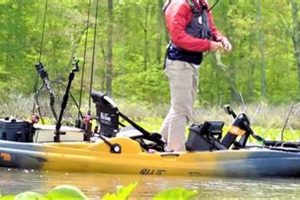
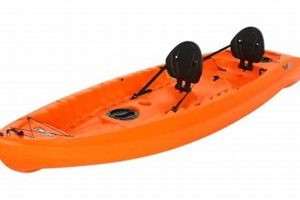
Small, human-powered vessels designed for angling in ocean waters near Santa Cruz, California, offer a unique blend of stability, maneuverability, and specialized features like rod holders, storage compartments, and often, pedal or even motor propulsion. These vessels enable anglers to access nearshore fishing grounds and explore the diverse marine ecosystems around the Monterey Bay area.
This type of watercraft provides a quiet, low-impact approach to fishing, allowing anglers to get closer to fish and explore shallow, protected areas inaccessible to larger boats. The region’s thriving kelp forests, rocky reefs, and sandy beaches offer a diverse range of fishing opportunities, from rockfish and lingcod to halibut and salmon. This style of fishing promotes a connection with the natural environment and contributes to the local economy through tourism and recreational spending.
This discussion will explore topics related to choosing the right vessel for individual needs, including considerations of size, features, propulsion systems, and budget. Safety procedures, responsible angling practices, and the rich biodiversity of the Santa Cruz fishing environment will also be examined.
Tips for Kayak Fishing in Santa Cruz
Successful angling from a small, human-powered vessel in the waters off Santa Cruz requires careful planning and preparation. The following tips offer guidance for a safe and productive experience.
Tip 1: Check Weather and Ocean Conditions: Prior to launching, consult marine forecasts for wind speed, wave height, and swell direction. Postpone trips if conditions are unfavorable. Strong currents and fog are also potential hazards.
Tip 2: Choose Appropriate Safety Gear: Always wear a personal flotation device (PFD). Carry a VHF radio, signaling devices (whistle, flares), and a first-aid kit. A leash connecting the paddle to the vessel prevents loss in rough conditions.
Tip 3: Plan Your Route and Inform Others: Share intended launch and return times, and planned fishing locations with someone on shore. Familiarize oneself with local regulations and marine protected areas. Carry a chart or GPS device.
Tip 4: Select Suitable Tackle and Equipment: Use fishing gear appropriate for targeted species and local conditions. Shorter rods and reels are often preferable in confined spaces. Secure tackle boxes and other equipment to prevent loss or shifting during movement.
Tip 5: Practice Proper Launching and Landing Techniques: Choose calm, shallow areas for launching and landing. Be mindful of tides and currents. Secure the vessel before exiting or entering.
Tip 6: Respect Wildlife and the Environment: Observe local fishing regulations and size limits. Practice catch-and-release whenever possible. Properly dispose of fishing line and other debris.
Tip 7: Be Aware of Other Vessels: Maintain a safe distance from larger boats and motorized craft. Use caution in high-traffic areas. Make oneself visible with bright clothing and appropriate lighting if fishing during low-light conditions.
Adherence to these guidelines promotes safety, conservation, and a rewarding experience on the water. Thorough planning and responsible practices contribute significantly to a successful fishing trip.
These preparatory measures set the stage for a comprehensive understanding of specific fishing techniques and species-specific strategies, which will be explored in the following sections.
1. Kayak Selection

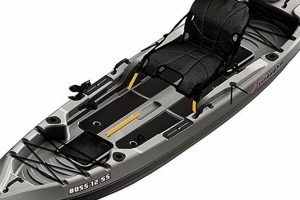
Appropriate kayak selection is crucial for a successful and enjoyable fishing experience in the waters off Santa Cruz. The diverse conditions, ranging from calm bays to open ocean swells, necessitate careful consideration of vessel characteristics. Stability is paramount, especially when casting, reeling, and landing fish. A wider hull generally provides greater stability, while a longer, narrower hull offers better tracking and speed for covering greater distances. Sit-on-top kayaks are generally preferred for fishing due to their self-bailing design and ease of re-entry in the event of a capsize. For example, a shorter, wider sit-on-top kayak is well-suited for fishing in protected bays and estuaries, while a longer, more streamlined design is preferable for navigating open water and challenging conditions further offshore. Specialized fishing kayaks often feature built-in rod holders, storage compartments for tackle and gear, and anchor systems.
The choice between a pedal-powered kayak and a traditional paddle kayak depends on individual preferences and fishing style. Pedal kayaks offer hands-free fishing and increased speed, beneficial when covering larger areas or trolling. However, paddle kayaks are often lighter, more maneuverable in tight spaces, and less expensive. Consideration of storage and transportation is also important. Larger kayaks offer more storage but require a larger vehicle and potentially specialized roof racks for transport. The weight of the kayak also influences ease of launching and landing. For instance, a lighter kayak might be easier to handle for solo anglers launching from a beach, while a heavier, more stable kayak might be preferable for launching from a dock or pier.
Matching kayak characteristics to the intended fishing environment and personal capabilities significantly enhances safety and enjoyment. Careful selection of a suitable vessel contributes directly to a positive and productive fishing experience in the dynamic waters of the Santa Cruz region. This understanding lays the foundation for exploring other critical elements of successful kayak fishing, including safety equipment, fishing techniques, and responsible angling practices.
2. Safety Equipment

Safe and responsible kayak fishing in the Santa Cruz area necessitates specific safety equipment, crucial for mitigating risks inherent in the marine environment. The dynamic conditions of the Monterey Bay, including variable weather, strong currents, and potential fog, require careful preparation and appropriate safety measures. Prioritizing safety ensures not only personal well-being but also responsible engagement with this recreational activity.
- Personal Flotation Device (PFD)
A properly fitted PFD is non-negotiable. It provides essential buoyancy in the event of capsizing or accidental immersion, particularly important in cold water conditions. A Type III PFD, designed for calm, inland waters where rapid rescue is expected, is generally suitable for kayak fishing. Ensuring the PFD is in good condition and worn correctly is vital.
- Communication Devices
Reliable communication is crucial for summoning assistance in emergencies. A waterproof VHF radio allows direct contact with the Coast Guard and other vessels. Mobile phones, while potentially useful, may have limited reception in offshore areas. Carrying a whistle provides an additional means of signaling distress.
- Signaling Devices
Visual signaling devices are essential for attracting attention in emergency situations. Flares, signal mirrors, and strobe lights increase visibility, particularly in low-light or foggy conditions. Knowledge of proper usage procedures maximizes their effectiveness.
- Navigation and Safety Gear
Navigational tools, such as charts, GPS devices, and compasses, facilitate safe navigation and prevent disorientation, especially in foggy conditions or unfamiliar areas. A first-aid kit containing essential supplies for treating minor injuries is crucial. A bilge pump or bailing device helps manage water accumulation in the kayak. Carrying a paddle leash prevents loss of the paddle in rough conditions.
Proper selection and utilization of these safety elements significantly reduce risks associated with kayak fishing near Santa Cruz. These precautions, combined with a thorough understanding of local conditions and responsible angling practices, contribute to a safe and enjoyable experience on the water. Preparedness through appropriate safety measures allows for a more focused and confident approach to fishing while safeguarding against potential hazards.
3. Fishing Gear

Effective fishing from a kayak in the Santa Cruz region necessitates specialized gear tailored to the target species and local environment. The confined space and unique challenges of kayak fishing influence equipment choices, emphasizing portability, efficiency, and durability. Selecting appropriate gear enhances angling success while maintaining safety and balance within the kayak.
- Rods and Reels
Shorter rods, typically between 6 and 7 feet, are ideal for kayak fishing, offering maneuverability within the limited space. Medium-light to medium-heavy power rods are versatile choices for targeting common Santa Cruz species such as rockfish, lingcod, and halibut. Spinning reels are generally preferred for their ease of use and casting performance in saltwater environments. A reliable drag system is crucial for handling larger fish. For example, a 7-foot medium-heavy rod paired with a 4000-size spinning reel provides a balanced setup for a variety of fishing techniques.
- Lines and Leaders
Braided fishing line offers high sensitivity and strength, advantageous for detecting subtle bites and handling strong currents. Fluorocarbon leaders provide abrasion resistance and low visibility, crucial when targeting wary fish in clear water. Line weight selection depends on the targeted species and fishing conditions. For instance, 20-pound braided line with a 30-pound fluorocarbon leader is a suitable combination for targeting rockfish near rocky reefs.
- Terminal Tackle
Terminal tackle choices depend on the specific fishing techniques employed. Jigs, swimbaits, and various soft plastic lures are effective for enticing rockfish and lingcod. Live bait, such as anchovies or squid, can also be productive. Hooks should be sharp and appropriately sized for the target species. The use of circle hooks is encouraged for minimizing injury to fish, particularly when practicing catch-and-release.
- Essential Accessories
Essential accessories for kayak fishing include a tackle box or bag for organizing gear, pliers for removing hooks, a knife for cutting lines, and a fish gripper for handling fish safely. A landing net can be beneficial for landing larger fish, but requires careful storage within the kayak. A fishing rod holder, either integrated into the kayak or mounted as an accessory, secures rods while paddling or maneuvering.
Careful selection of fishing gear tailored to the Santa Cruz environment and target species contributes significantly to a productive and enjoyable kayak fishing experience. Properly matched equipment enhances fishing success while ensuring safety and efficiency within the confines of the kayak. This optimization of gear, combined with knowledge of local fishing techniques and regulations, maximizes the potential for a rewarding outing on the water.
4. Location Scouting

Effective location scouting is paramount for successful kayak fishing in Santa Cruz. The diverse coastline, ranging from sheltered coves to exposed reefs, offers a variety of habitats for different species. Identifying productive fishing grounds beforehand maximizes angling opportunities and contributes to a more rewarding experience. Thorough pre-trip planning allows anglers to focus on fishing rather than searching for potential spots upon arrival.
- Nearshore Reefs and Kelp Beds
Rocky reefs and kelp forests provide essential habitat for rockfish, lingcod, and cabezon. These structures offer shelter and foraging opportunities for these species. Scouting these areas involves identifying prominent reefs using nautical charts or GPS maps and observing kelp bed formations. Accessing these locations during periods of calm seas and favorable tides increases safety and fishing success. For instance, reefs marked on charts near Natural Bridges State Beach are known habitats for these fish.
- Protected Bays and Estuaries
Sheltered bays and estuaries offer calmer waters suitable for halibut and surfperch. These areas often feature sandy bottoms and eelgrass beds, providing ideal foraging grounds for these species. Scouting these locations involves identifying shallow flats and channels within the bay using satellite imagery or local knowledge. Fishing during higher tides allows access to shallow areas where these fish often congregate. Elkhorn Slough, for example, is a productive estuary for halibut fishing.
- Open Ocean Areas
Experienced kayak anglers may venture further offshore to target pelagic species such as salmon and tuna. These areas require careful consideration of weather conditions, currents, and boat traffic. Scouting open ocean locations necessitates utilizing advanced navigational tools and understanding prevailing oceanographic patterns. Fishing during periods of calm seas and favorable currents maximizes safety and success. The Monterey Bay Canyon, accessible beyond the nearshore waters, is a known migration route for pelagic fish.
- Beach Launching Sites
Identifying suitable launch sites is crucial for safe and convenient kayak access. Factors to consider include beach slope, surf conditions, and proximity to target fishing areas. Scouting potential launch sites involves assessing beach accessibility during different tide levels and evaluating potential hazards such as rocks or strong currents. Choosing a launch site with convenient parking and access minimizes logistical challenges. For example, Cowell Beach offers a relatively protected launch site suitable for beginners.
Thorough location scouting, combined with an understanding of fish behavior and seasonal patterns, significantly increases the likelihood of success in Santa Cruz kayak fishing. Pre-trip planning allows anglers to target specific species in their preferred habitats, maximizing fishing time and contributing to a more rewarding experience. Combining location scouting with other elements such as appropriate kayak selection and safety practices leads to a safer and more productive fishing trip.
5. Tidal Planning

Tidal planning is integral to successful kayak fishing near Santa Cruz. Tidal currents significantly influence fish behavior and feeding patterns, impacting optimal fishing times and locations. Understanding tidal cycles and their effects on local waters allows anglers to predict fish movement and position themselves strategically for increased success. For example, halibut often move into shallower flats during rising tides to feed, while rockfish may concentrate near reefs during slack tides when currents are minimal. Ignoring tidal influences can lead to unproductive fishing trips and missed opportunities.
Consulting tide charts specific to the Santa Cruz area provides crucial information on high and low tide times, current strength, and direction. This data enables anglers to plan launch times, target specific areas based on tidal flow, and optimize fishing techniques accordingly. Stronger currents during peak tidal flows might necessitate heavier tackle or adjusted drift fishing techniques, while slack water periods allow for more finesse presentations and easier kayak control. Moreover, understanding tidal changes helps anticipate potential hazards such as strong currents or exposed rocks during low tides. For instance, launching from a specific beach might be straightforward at high tide but challenging or even dangerous during low tide due to exposed rocks or strong outgoing currents.
Integrating tidal planning into pre-fishing preparations significantly enhances efficiency and success in Santa Cruz kayak fishing. Predicting fish behavior based on tidal influences increases catch rates and provides a deeper understanding of the local marine environment. This knowledge, combined with careful location scouting, appropriate gear selection, and adherence to safety procedures, ensures a more rewarding and informed fishing experience. Failing to consider tidal factors can lead to frustration and unproductive outings, while understanding these natural forces empowers anglers to optimize their fishing strategies and connect more deeply with the dynamic coastal ecosystem.
6. Species Knowledge

Possessing a robust understanding of the targeted fish species significantly enhances the effectiveness of kayak fishing excursions near Santa Cruz. This knowledge encompasses various aspects of fish biology and behavior, including preferred habitats, feeding patterns, seasonal movements, and species-specific responses to different lures and baits. Such insights are crucial for selecting appropriate fishing locations, gear, and techniques, thereby maximizing angling success. For instance, knowing that rockfish tend to congregate around rocky reefs and kelp forests during periods of slack tide informs decisions regarding location selection and optimal fishing times. Similarly, understanding that lingcod are ambush predators often found near structure necessitates the use of lures and presentations that mimic their natural prey. Lack of species-specific knowledge often results in inefficient fishing practices, reduced catch rates, and potential frustration.
Practical applications of species knowledge extend beyond simply choosing the right bait or lure. It informs strategic decisions related to fishing depth, retrieval speed, and even the color patterns of lures or jigs. For example, targeting halibut on sandy flats requires using lures that imitate bottom-dwelling prey and employing slow retrieval techniques to entice these ambush predators. Conversely, fishing for salmon in open water necessitates trolling techniques with lures that mimic the appearance and movement of baitfish. Furthermore, understanding the seasonal migrations and spawning behaviors of target species allows anglers to anticipate their presence in specific areas, increasing the likelihood of successful encounters. For instance, knowing that king salmon migrate through the Monterey Bay during specific months directs fishing efforts towards areas known for holding these fish during their migration. This targeted approach reduces wasted time and effort, leading to a more productive and informed fishing experience.
In summary, species knowledge is an essential component of successful kayak fishing in Santa Cruz. This understanding guides anglers toward effective location selection, gear choices, and fishing techniques tailored to the target species. The practical application of this knowledge translates directly into improved catch rates, increased fishing efficiency, and a deeper appreciation for the complex marine ecosystem. This targeted approach not only enhances personal angling success but also promotes responsible fishing practices by minimizing the impact on non-target species and contributing to the sustainability of local fish populations. Continuously expanding one’s knowledge of local species is a crucial investment for any angler seeking to maximize their success and enjoyment on the waters of Santa Cruz.
7. Ethical Practices

Ethical considerations are paramount in ensuring the sustainability and responsible enjoyment of kayak fishing in the Santa Cruz environment. These practices safeguard fish populations, minimize environmental impact, and contribute to the overall health of the marine ecosystem. Adhering to ethical guidelines ensures that future generations can continue to appreciate the diverse and productive waters of this region. Ignoring ethical considerations can lead to detrimental consequences for both the environment and the long-term viability of the sport.
- Catch and Release
Practicing catch and release, whenever appropriate, is a cornerstone of ethical fishing. Returning legally caught fish to the water minimizes stress on fish populations and allows for continued reproduction and growth. Utilizing proper handling techniques, such as minimizing air exposure and supporting the fish horizontally, increases the likelihood of successful release. Using barbless hooks or crushing barbs further reduces injury to released fish. For species particularly vulnerable to barotrauma, such as rockfish caught in deep water, utilizing descending devices can improve survival rates upon release.
- Respecting Marine Protected Areas
Adhering to regulations regarding Marine Protected Areas (MPAs) is essential for preserving sensitive habitats and safeguarding biodiversity. MPAs serve as vital breeding and nursery grounds for various species, contributing to the overall health of the marine ecosystem. Understanding MPA boundaries and respecting fishing restrictions within these zones ensures the long-term viability of these protected areas. Ignoring these regulations undermines conservation efforts and can lead to penalties.
- Minimizing Environmental Impact
Minimizing the environmental footprint of kayak fishing activities is crucial for protecting the pristine waters of Santa Cruz. Proper disposal of fishing line and other debris prevents entanglement of marine life and reduces plastic pollution. Using biodegradable fishing line further mitigates environmental impact. Avoiding anchoring in sensitive habitats, such as kelp forests or seagrass beds, prevents damage to these fragile ecosystems. Respecting wildlife by observing from a distance and minimizing disturbance contributes to their well-being and the overall ecological balance.
- Promoting Responsible Angling
Promoting ethical fishing practices within the kayaking community fosters a culture of stewardship and ensures the long-term health of the marine environment. Educating fellow anglers about responsible angling techniques, sharing information about regulations and best practices, and leading by example contribute to a collective effort towards sustainable fishing. Reporting poaching or illegal fishing activities to the appropriate authorities further strengthens conservation efforts and protects vulnerable fish populations.
Ethical practices are intertwined with the enjoyment and sustainability of kayak fishing in Santa Cruz. Embracing these principles not only benefits the marine environment but also enhances the overall angling experience. Responsible anglers contribute to the preservation of this valuable resource, ensuring its continued enjoyment for future generations. By prioritizing ethical considerations, kayak anglers become active participants in the stewardship of the Santa Cruz marine ecosystem, fostering a harmonious relationship between recreational fishing and environmental conservation.
Frequently Asked Questions about Kayak Fishing in Santa Cruz
This section addresses common inquiries regarding kayak fishing in the Santa Cruz region, providing concise and informative responses to facilitate informed decision-making and enhance the overall fishing experience.
Question 1: What are the primary target species for kayak anglers in Santa Cruz?
Common target species include rockfish, lingcod, cabezon, halibut, surfperch, and seasonally, salmon and tuna. Species availability varies depending on location, season, and prevailing oceanographic conditions.
Question 2: Are there specific regulations or licensing requirements for kayak fishing in Santa Cruz?
A valid California fishing license is required for anglers 16 years of age and older. Specific regulations, including size and bag limits for different species, are subject to change and should be reviewed prior to each fishing trip. Regulations can be found on the California Department of Fish and Wildlife website.
Question 3: What are the recommended safety precautions for kayak fishing in the Santa Cruz area?
Essential safety measures include wearing a personal flotation device (PFD), carrying a VHF radio and signaling devices, checking weather and ocean conditions before launching, informing someone on shore of trip plans, and being aware of other vessels and potential hazards.
Question 4: Where can suitable kayak launch sites be found in Santa Cruz?
Suitable launch sites vary depending on experience level and targeted fishing areas. Popular launch sites include Cowell Beach, Natural Bridges State Beach, and various locations within the Monterey Bay harbor. Conditions at launch sites can vary with tides and swell, so careful assessment prior to launching is essential.
Question 5: What type of kayak is best suited for fishing in the Santa Cruz waters?
Sit-on-top kayaks are generally preferred for fishing due to their stability and self-bailing design. Kayaks equipped with rod holders, storage compartments, and anchor systems further enhance the fishing experience. The choice between pedal and paddle kayaks depends on individual preference and fishing style.
Question 6: Are guided kayak fishing tours available in Santa Cruz?
Several local outfitters offer guided kayak fishing tours, providing expert instruction, equipment rentals, and access to productive fishing grounds. Guided tours can be beneficial for novice anglers or those seeking a more structured and informative fishing experience.
Careful consideration of these frequently asked questions contributes to a safer, more informed, and ultimately more rewarding kayak fishing experience in the unique marine environment surrounding Santa Cruz. Thorough preparation enhances enjoyment and promotes responsible angling practices.
For further exploration of specific fishing techniques and strategies tailored to the Santa Cruz region, consult local fishing reports, engage with experienced kayak anglers, or participate in guided fishing tours. This ongoing learning process enriches the overall fishing experience and fosters a deeper understanding of the dynamic coastal ecosystem.
Conclusion
Exploration of the multifaceted aspects of kayak angling near Santa Cruz reveals the intricate interplay of specialized equipment, informed decision-making, and ethical considerations. Vessel selection, safety protocols, appropriate fishing gear, strategic location scouting, tidal awareness, and species knowledge contribute significantly to successful and responsible fishing practices. Prioritizing safety and adhering to ethical guidelines ensures both angler well-being and the long-term health of the marine environment.
The dynamic coastal waters of Santa Cruz offer a unique and rewarding angling experience. Continued learning, informed preparation, and a commitment to responsible practices ensure the sustainability of this valuable resource for future generations. Engaging with local resources, experienced anglers, and conservation organizations fosters a deeper understanding and appreciation of the intricate marine ecosystem, contributing to a more enriching and sustainable fishing experience.