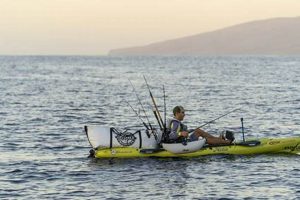
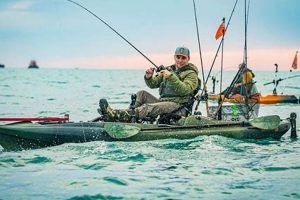
This activity involves pursuing large, pelagic fish known for their speed and power from a small, human-powered vessel. It typically takes place in open ocean environments where these fish are known to congregate. Specialized equipment and techniques are often required to successfully hook, fight, and land these powerful animals from such a small and relatively unstable platform. This pursuit presents a unique set of challenges and rewards for anglers.
Targeting these apex predators from a kayak offers a thrilling and intimate connection with the marine environment. The self-propelled nature of kayaking allows for stealthy approaches and access to areas unreachable by larger vessels. It also provides a physically demanding but rewarding experience that tests an anglers skill, endurance, and strategic thinking. Historically, this type of fishing has evolved from traditional indigenous practices using smaller watercraft, demonstrating a long-standing relationship between humans and the ocean’s resources. The modern iteration employs sophisticated tackle and technologies, emphasizing conservation and sustainable practices.
The following sections will delve into specific aspects of this specialized fishing technique, covering topics such as essential equipment, safety considerations, ethical angling practices, and the biological characteristics of the targeted species. This information aims to provide a complete guide for anglers interested in this challenging and exciting pursuit.
Tips for this Extreme Sport
Successfully targeting large pelagic fish from a kayak requires careful planning, specialized equipment, and a deep understanding of both the target species and the environment. The following tips provide crucial insights for anglers undertaking this demanding pursuit.
Tip 1: Specialized Tackle is Essential: Heavy-duty rods, reels, and lines designed for big-game fishing are crucial. Rods should possess ample lifting power, while reels must hold substantial line capacity with a smooth, high-performance drag system. Braided line is preferred for its strength and sensitivity.
Tip 2: Safety Equipment is Non-Negotiable: A personal flotation device (PFD) is mandatory, and a VHF radio, personal locator beacon (PLB), and signaling devices are highly recommended. A first-aid kit equipped for marine emergencies should also be on board.
Tip 3: Thorough Knowledge of the Target Species is Crucial: Understanding the fish’s behavior, migratory patterns, and preferred feeding areas increases the likelihood of a successful encounter. Research local regulations and best practices for catch-and-release techniques.
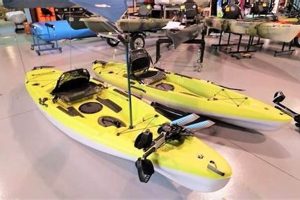
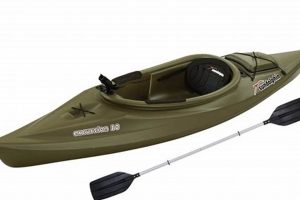
Tip 4: Kayak Selection is Paramount: A stable, ocean-going kayak with ample storage and the ability to handle rough conditions is essential. Sit-on-top kayaks offer better stability and self-bailing capabilities, advantageous in open-water environments.
Tip 5: Weather Monitoring is Critical: Check marine forecasts before embarking on any trip. Avoid venturing out in adverse conditions such as high winds, strong currents, or fog. Be prepared to change plans or return to shore if conditions deteriorate.
Tip 6: Expert Guidance is Invaluable: Consider hiring a local guide experienced in this type of fishing. Guides can provide valuable insights into local conditions, techniques, and safety procedures.
Tip 7: Respect Local Regulations and Conservation Practices: Adhere to all fishing regulations and licensing requirements. Practice catch-and-release techniques whenever possible to ensure the sustainability of the fish population.
By adhering to these guidelines, anglers can maximize their chances of a successful and safe experience while contributing to the responsible management of marine resources.
The information provided in this article aims to equip anglers with the knowledge and tools needed for this demanding but rewarding pursuit. However, experience and continuous learning are essential for success and safety in this extreme sport.
1. Ocean-going Kayak

The selection of an appropriate kayak is paramount for pursuing large pelagic species like salmon sharks. An ocean-going kayak, specifically designed for open water conditions, provides the necessary stability, durability, and storage capacity essential for this demanding type of fishing. The vessel serves as the angler’s primary platform and must withstand the rigors of the marine environment while offering the maneuverability required for engaging powerful fish.
- Stability and Design
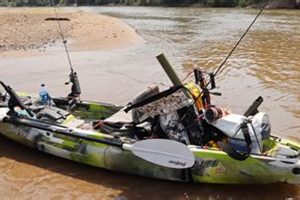
Ocean-going kayaks typically feature a longer, wider hull design compared to recreational kayaks, providing enhanced stability in rough seas. This stability is critical when battling strong currents, waves, and the powerful runs of a hooked salmon shark. Features like a sit-on-top design with self-bailing scupper holes further contribute to stability and safety, enabling the kayak to shed water quickly in challenging conditions.
- Durability and Construction
These kayaks are constructed from robust materials like high-density polyethylene or composite fiberglass, designed to withstand impacts and the abrasive marine environment. Reinforced hulls and decks are essential for handling the stresses exerted by a large fish during a fight. This durability ensures the kayak’s structural integrity in demanding open-ocean conditions.
- Storage Capacity
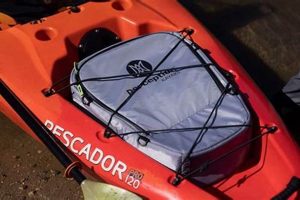
Ample storage space is vital for carrying essential equipment such as rods, reels, tackle boxes, safety gear, and provisions for extended trips. Ocean-going kayaks often feature dedicated storage compartments and rigging points for securing gear, ensuring accessibility and preventing equipment loss in rough conditions.
- Tracking and Maneuverability
While stability is crucial, maneuverability is also essential for following a hooked fish and adjusting positioning in changing sea conditions. A well-designed hull with a defined keel or tracking fin enhances the kayak’s ability to maintain course and respond effectively to angler input. This balance of stability and maneuverability is crucial for a successful and safe fishing experience.
The characteristics of an ocean-going kayak directly impact the angler’s safety and effectiveness when pursuing salmon sharks. Choosing a kayak specifically designed for open-water environments and equipped to handle the unique challenges of this specialized fishing technique contributes significantly to a successful and safe experience. The interplay of stability, durability, storage, and maneuverability offered by these specialized vessels allows anglers to confidently and responsibly engage with these powerful pelagic predators in their natural habitat.
2. Specialized Tackle

The pursuit of salmon sharks from a kayak necessitates specialized tackle capable of withstanding the extreme demands of battling these powerful predators. This specialized equipment plays a crucial role in ensuring both angler safety and the responsible handling of the fish. The connection between specialized tackle and this specific fishing method is inextricably linked; the right gear significantly impacts the outcome of the encounter. Choosing appropriate tackle directly influences the ability to successfully hook, fight, and land these large, powerful fish while minimizing stress on both the angler and the animal.
Heavy-duty rods, reels, and lines engineered for big-game fishing form the core of the required specialized tackle. Rods must possess substantial lifting power to handle the shark’s weight and resistance. High-capacity reels with robust drag systems are essential for managing long runs and powerful bursts of speed. Braided fishing line, known for its high tensile strength and minimal stretch, allows for direct contact and control, crucial when battling a strong fish in a dynamic environment like a kayak. Leaders constructed from heavy monofilament or wire are essential to withstand abrasion from the shark’s rough skin and teeth. Furthermore, specialized hooks designed for large game fish, such as circle hooks, are often employed to minimize injury and facilitate safe release. For example, using a heavy-duty spinning reel with a 50-80 lb braided line paired with a strong rod allows for sufficient line capacity and pulling power to handle a salmon shark’s powerful runs. Employing a wire leader further protects against line breakage from the shark’s teeth or abrasive skin.
The selection and effective utilization of specialized tackle directly contributes to the success and safety of salmon shark kayak fishing. The proper equipment allows anglers to maintain control during the fight, minimizing the risk of equipment failure, injury, or excessive stress on the fish. This approach underscores the importance of understanding the demands of this specialized fishing method and selecting appropriate gear to ensure a responsible and successful experience. The interplay between specialized tackle and the challenging environment of open-ocean kayak fishing emphasizes the need for meticulous preparation and a commitment to ethical angling practices.
3. Safety Equipment
Safety equipment is paramount in salmon shark kayak fishing due to the inherent risks associated with pursuing large pelagic predators in the open ocean from a small, relatively unstable platform. This specialized activity exposes anglers to a unique set of hazards, including unpredictable weather conditions, potential encounters with other marine life, the physical demands of battling a powerful fish, and the possibility of capsizing or equipment failure. The remote nature of offshore kayak fishing further amplifies the importance of safety precautions, as immediate assistance may not be readily available. A comprehensive safety approach mitigates these risks, enhancing angler well-being and promoting responsible engagement with the marine environment.
Essential safety equipment includes a personal flotation device (PFD) designed for open-water conditions, providing buoyancy and increasing survival chances in the event of capsizing or accidental immersion. A VHF radio enables communication with other vessels and shore-based resources, crucial for relaying emergency information or requesting assistance. A personal locator beacon (PLB) serves as an emergency signaling device, transmitting distress signals to search and rescue authorities in the event of a serious incident. Visual signaling devices, such as flares and signal mirrors, provide additional means of attracting attention in emergency situations. Carrying a comprehensive first-aid kit equipped to address marine-specific injuries and ailments is also critical. For example, a VHF radio allows communication with the Coast Guard in case of capsizing, while a PLB can pinpoint the angler’s location for rapid rescue in a remote area. Similarly, a well-stocked first-aid kit can address potential injuries, such as hook wounds or marine stings, until professional medical help is accessible.
Prioritizing safety equipment contributes significantly to risk mitigation in salmon shark kayak fishing. A proactive approach to safety planning and equipment selection equips anglers to respond effectively to unforeseen events, enhancing their well-being and increasing the likelihood of a positive outcome in challenging situations. The connection between safety equipment and this specialized activity emphasizes the inherent responsibilities associated with venturing into remote marine environments and engaging with powerful apex predators. Appropriate safety measures reflect a commitment to responsible angling practices and contribute to a safer and more sustainable approach to interacting with the marine ecosystem.
4. Expert Guidance

Engaging experienced guides significantly enhances both the safety and success of salmon shark kayak fishing expeditions. Their specialized knowledge of local conditions, salmon shark behavior, and effective fishing techniques offers invaluable support for anglers venturing into this demanding pursuit. Expert guidance bridges the gap between theoretical knowledge and practical application, providing real-time insights and support crucial for navigating the challenges of open-ocean kayak fishing and maximizing the chances of a successful and safe encounter.
- Local Expertise
Guides possess intimate knowledge of local waters, including optimal fishing locations, prevalent currents, tidal patterns, and potential hazards. This localized expertise informs strategic decision-making, allowing anglers to efficiently target areas where salmon sharks are most likely to be encountered while avoiding potentially dangerous conditions. For example, a guide can identify areas with favorable upwellings that attract prey species, increasing the likelihood of encountering feeding salmon sharks. This knowledge optimizes fishing time and reduces the risk of venturing into hazardous areas.
- Species-Specific Knowledge
Experienced guides understand salmon shark behavior, including migratory patterns, feeding habits, and typical responses to angling pressure. This knowledge informs effective fishing techniques and strategies. Guides can advise on optimal bait and lure selection, effective retrieval methods, and appropriate responses to a hooked shark’s behavior. This specialized knowledge maximizes the chances of hooking a salmon shark and facilitates a safe and efficient landing and release process. For example, a guide might recommend using specific lures that mimic the movement and appearance of the salmon shark’s preferred prey, increasing the likelihood of attracting a strike.
- Safety Protocols and Emergency Response
Guides prioritize angler safety, implementing established protocols and providing training on appropriate responses to emergency situations. This includes guidance on proper kayak handling techniques, emergency communication procedures, and appropriate responses to encounters with wildlife. Their experience and training equip them to handle unforeseen events, minimizing risks and ensuring angler well-being. For instance, a guide can instruct anglers on how to safely maneuver their kayaks in rough seas or during a salmon shark’s powerful runs, minimizing the risk of capsizing.
- Conservation Practices and Ethical Angling
Guides promote responsible angling practices, adhering to local regulations and emphasizing conservation principles. They educate anglers on proper catch-and-release techniques, minimizing stress on the fish and ensuring its safe return to the ocean. This commitment to ethical angling contributes to the long-term sustainability of the salmon shark population and the health of the marine ecosystem. For example, a guide can demonstrate how to properly handle a salmon shark during the release process, minimizing handling time and avoiding unnecessary stress on the fish.
Expert guidance provides a crucial link between anglers and the challenging environment of salmon shark kayak fishing. The knowledge, experience, and safety protocols provided by guides enhance the overall experience, increasing the likelihood of a successful and ethical encounter while minimizing risks. This approach emphasizes the importance of responsible angling practices and contributes to a more sustainable and rewarding interaction with these remarkable apex predators.
5. Conservation Practices
Conservation practices are integral to the sustainability of salmon shark kayak fishing. This specialized activity, focusing on a large, powerful apex predator, necessitates a responsible approach that minimizes environmental impact and ensures the long-term health of the target species and the broader marine ecosystem. The direct interaction between anglers and these animals requires a deep understanding of conservation principles and a commitment to ethical angling practices. These practices directly influence the future viability of this unique fishing experience and the health of the ocean environment.
Catch-and-release fishing forms a cornerstone of conservation in this context. The careful handling and prompt release of captured salmon sharks minimize stress on the animal and maximize its chances of survival. Utilizing specialized techniques, such as employing circle hooks to reduce injury, and minimizing handling time contribute to successful catch-and-release practices. Furthermore, adhering to local regulations regarding catch limits, size restrictions, and seasonal closures is essential for maintaining a healthy salmon shark population. For example, using barbless circle hooks reduces tissue damage during the hook removal process, improving the chances of a successful release. Similarly, minimizing the time the shark is out of the water reduces physiological stress and improves post-release survival rates.
Responsible angling practices extend beyond catch-and-release techniques. Minimizing environmental impact through proper waste disposal and avoiding disturbance of sensitive habitats contributes to a healthier marine environment. Respectful interaction with other marine life and refraining from targeting vulnerable species are further examples of responsible angling practices. The cumulative effect of these individual actions contributes significantly to the overall health and sustainability of the marine ecosystem. The interconnectedness of conservation practices and salmon shark kayak fishing highlights the responsibility anglers bear in safeguarding these remarkable animals and their environment. A commitment to ethical angling and conservation principles ensures the long-term viability of this specialized activity and contributes to a healthier, more sustainable future for our oceans.
6. Salmon Shark Behavior
Understanding salmon shark behavior is crucial for successful and responsible salmon shark kayak fishing. Their migratory patterns, feeding habits, and responses to angling pressure directly influence fishing strategies and outcomes. Knowledge of these behaviors informs decisions regarding location, bait selection, retrieval techniques, and appropriate responses to a hooked shark, ultimately contributing to both angler safety and fish welfare. For example, knowing that salmon sharks often follow schools of salmon informs location choices, while understanding their aggressive feeding behavior influences bait and lure selection.
Salmon sharks exhibit distinct seasonal migrations, often following prey species like salmon and squid. Anglers who understand these patterns can effectively target specific locations during peak migration periods. Their predatory nature and aggressive feeding behavior influence bait and lure selection; anglers often use lures that mimic the appearance and movement of their preferred prey. Furthermore, knowledge of their strong fighting ability, characterized by powerful runs and acrobatic leaps, allows anglers to anticipate and respond appropriately, minimizing the risk of equipment failure or injury. For instance, anticipating a powerful initial run after hooking a salmon shark allows anglers to adjust drag settings and prepare for the ensuing fight, minimizing the risk of line breakage or losing the fish.
A deep understanding of salmon shark behavior is integral to successful and ethical salmon shark kayak fishing. This knowledge equips anglers to make informed decisions that maximize their chances of a successful encounter while minimizing stress on the fish and promoting its safe release. This approach underscores the importance of responsible angling practices and emphasizes the interconnectedness between angler behavior and the well-being of the target species. The challenges associated with pursuing these powerful predators from a kayak are mitigated through a comprehensive understanding of their behavior, promoting a safer and more sustainable interaction with these remarkable animals and their marine environment.
Frequently Asked Questions
This section addresses common inquiries regarding the specialized activity of salmon shark kayak fishing, providing concise and informative responses to clarify potential concerns and misconceptions.
Question 1: How dangerous is salmon shark kayak fishing?
The inherent risks associated with open-ocean kayaking are amplified when targeting large, powerful predators. Potential hazards include capsizing, equipment failure, adverse weather conditions, and the unpredictable behavior of the targeted species. Rigorous safety precautions, specialized equipment, and expert guidance are crucial for mitigating these risks.
Question 2: What specialized equipment is required for salmon shark kayak fishing?
Specialized tackle designed for big-game fishing is essential, including heavy-duty rods, reels, lines, and leaders. A stable, ocean-going kayak equipped with safety features, such as a VHF radio and PLB, is also crucial. Appropriate safety gear, including a PFD and first-aid kit, is mandatory.
Question 3: Are there specific regulations regarding salmon shark fishing?
Regulations vary by location and may include catch limits, size restrictions, and seasonal closures. Consulting local authorities or experienced guides is essential for ensuring compliance with all applicable regulations and obtaining necessary permits or licenses.
Question 4: What are the best locations for salmon shark kayak fishing?
Salmon sharks inhabit specific regions of the North Pacific Ocean. Areas known for salmon runs or congregations of prey species often provide favorable fishing opportunities. Consulting local guides or experienced anglers can help identify productive and accessible locations.
Question 5: What is the recommended experience level for salmon shark kayak fishing?
Prior experience with open-ocean kayaking and big-game fishing is highly recommended. The physical demands and specialized techniques involved necessitate a high level of proficiency in both kayaking and angling. Engaging experienced guides is strongly advised for those new to this specialized activity.
Question 6: What conservation practices are relevant to salmon shark kayak fishing?
Catch-and-release fishing is a central conservation practice, emphasizing the importance of minimizing handling time and utilizing appropriate techniques to ensure the fish’s safe return. Adhering to local regulations, minimizing environmental impact, and respecting other marine life are further examples of responsible angling practices.
Prioritizing safety, ethical angling practices, and a deep understanding of salmon shark behavior and the marine environment are crucial for a responsible and successful experience. This knowledge equips anglers to make informed decisions that contribute to both personal safety and the long-term sustainability of this unique fishing activity.
This FAQ section provides a foundational understanding of key aspects related to salmon shark kayak fishing. For a more in-depth exploration of specific topics, please refer to the corresponding sections within this comprehensive guide.
Salmon Shark Kayak Fishing
This exploration of salmon shark kayak fishing has highlighted the multifaceted nature of this demanding pursuit. From specialized equipment and safety considerations to the importance of ethical angling practices and a deep understanding of salmon shark behavior, the interconnectedness of these elements is crucial for a successful and responsible experience. The analysis has underscored the significance of expert guidance, conservation principles, and the angler’s role in ensuring the sustainability of this unique activity. Successfully targeting these apex predators from a kayak requires meticulous preparation, a commitment to safety, and a deep respect for the marine environment.
The future of salmon shark kayak fishing hinges on the continued adoption of responsible angling practices and a commitment to conservation. As this specialized activity continues to evolve, prioritizing the well-being of the target species and the health of the marine ecosystem will remain paramount. Anglers bear a significant responsibility in safeguarding these remarkable animals and their environment. The pursuit of these powerful predators offers a unique opportunity to connect with the raw power and beauty of the natural world, demanding respect, meticulous preparation, and a commitment to ethical engagement.