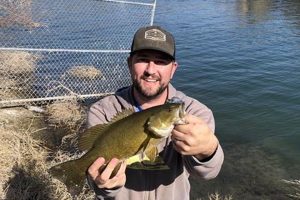
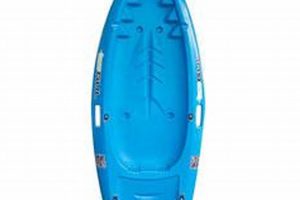
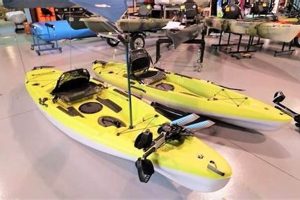
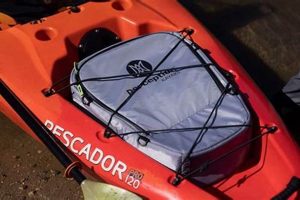
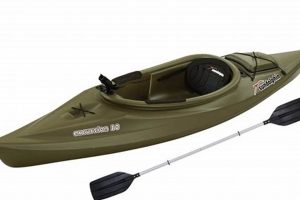
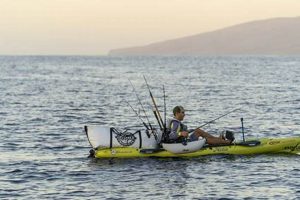
This activity involves angling from a small, human-powered boat on flowing waterways. It combines the quiet, close-to-the-water experience of kayaking with the challenge and reward of angling for freshwater species. A typical setup might include a specialized kayak equipped with rod holders, storage for tackle, and possibly an anchor or drift sock. Anglers often target species such as trout, bass, catfish, and walleye, employing various techniques depending on the specific environment and target fish.
The popularity of this pursuit stems from its accessibility and unique advantages. It allows access to shallow or otherwise difficult-to-reach stretches of water often inaccessible by larger motorized boats. The quiet approach provided by paddling minimizes disturbance to fish, potentially increasing angling success. Additionally, it offers a low-impact, eco-friendly way to experience nature and enjoy the tranquility of river environments. This mode of fishing has evolved alongside advancements in kayak design and fishing equipment, becoming an increasingly specialized and popular activity.
Further exploration of this topic will cover essential equipment choices, effective techniques for various river conditions, safety considerations, and responsible angling practices.
Tips for Successful River Kayaking and Fishing
Preparation and knowledge are crucial for a safe and productive outing. The following tips offer guidance for anglers of all skill levels.
Tip 1: Choose the Right Kayak: Kayak selection depends on the specific river environment. Wider, more stable kayaks are recommended for slower-moving water, while longer, narrower kayaks are better suited to faster currents. Specialized fishing kayaks offer features such as rod holders and storage compartments.
Tip 2: Understand River Dynamics: Current speed, depth, and obstacles like rocks and submerged logs present navigational challenges. Prior research and scouting are essential. River maps and flow rate information are valuable resources.
Tip 3: Master Basic Paddle Strokes: Effective maneuvering requires proficiency in forward paddling, reverse paddling, sweep strokes, and draw strokes. These techniques are crucial for maintaining position and navigating currents.
Tip 4: Prioritize Safety Equipment: A personal flotation device (PFD) is mandatory. A whistle, first-aid kit, and communication device are also recommended. Inform someone of the planned fishing location and estimated return time.
Tip 5: Employ Appropriate Fishing Techniques: Upstream casting allows lures or bait to drift naturally with the current. Downstream presentations can be effective for targeting specific structures. Anchor or drift sock usage can enhance stability while fishing in deeper water.
Tip 6: Respect Wildlife and the Environment: Practice catch-and-release whenever possible. Avoid disturbing nesting areas and sensitive habitats. Pack out all trash and fishing line to minimize environmental impact.
Tip 7: Check Regulations and Obtain Necessary Permits: Fishing licenses and permits are often required. Regulations regarding catch limits and allowed fishing methods vary by location and should be reviewed beforehand.
Adhering to these guidelines promotes safety, enhances fishing success, and ensures a responsible and enjoyable experience on the water.
By combining these practical tips with dedicated practice, anglers can maximize their chances of a rewarding and memorable fishing trip.
1. River Selection

River selection is paramount for a successful and safe kayak fishing experience. The character of the river, including its flow rate, depth, width, and presence of obstacles, directly influences kayak choice, fishing techniques, and overall safety. A slow-moving, shallow river with minimal obstacles allows for a wider, more stable kayak and easier maneuverability. Conversely, a fast-flowing, deep river with numerous obstacles necessitates a longer, narrower kayak designed for speed and maneuverability in challenging conditions. For example, a small creek meandering through a meadow presents a different set of challenges and opportunities compared to a large, swiftly flowing river.
Choosing an appropriate river involves careful consideration of the target fish species. Different species inhabit specific river environments. Trout, for instance, often prefer colder, clearer, faster-flowing streams, while catfish and bass might thrive in warmer, slower-moving waters. Understanding the target species’ habitat preferences is crucial for effective river selection. Access points, parking availability, and potential hazards like dams or rapids also factor into the decision-making process. Consulting river maps, online resources, and local fishing reports provides valuable information on river conditions, access points, and fish populations.
Appropriate river selection mitigates risks and enhances the overall fishing experience. Selecting a river that matches skill level and kayak type ensures safety and increases the likelihood of a successful outing. Neglecting proper river assessment can lead to hazardous situations, especially for inexperienced kayakers. Thorough pre-trip planning, including researching river characteristics and understanding potential hazards, is essential for a safe and productive kayak fishing trip.
2. Kayak Choice
Kayak selection significantly impacts the effectiveness and safety of river fishing excursions. The chosen vessel must align with the specific river environment and the angler’s skill level. River characteristics such as current speed, water depth, and the presence of obstacles like rocks or rapids dictate the necessary kayak features. For instance, a slow-moving, shallow river allows for a wider, more stable sit-on-top kayak, offering ample storage and ease of entry/exit. Conversely, navigating a fast-flowing river with technical rapids requires a longer, narrower kayak with enhanced maneuverability and tracking capabilities, often a whitewater or crossover design. Choosing a kayak that doesn’t match the river’s demands compromises both safety and fishing effectiveness. A short, recreational kayak in fast currents risks capsizing, while a long, touring kayak in shallow, obstacle-filled waters becomes cumbersome and difficult to maneuver.
Specialized fishing kayaks offer distinct advantages in river environments. Features like rod holders, integrated tackle storage, and anchor trolleys streamline the fishing process and enhance angler efficiency. Sit-on-top kayaks are favored for their self-bailing capacity and ease of re-entry after an accidental capsize, crucial in moving water. Stability is paramount, especially when casting, landing fish, or navigating challenging currents. Wider kayaks offer increased stability, while narrower kayaks provide superior maneuverability and speed. Weight capacity is another crucial consideration, as it must accommodate the angler, fishing gear, and potential catch. Exceeding the weight capacity compromises stability and performance. Examples of suitable kayak types include inflatable kayaks for portability and access to remote locations, and pedal-driven kayaks for hands-free fishing and navigating strong currents.
Ultimately, careful kayak selection tailored to the specific river environment optimizes fishing success and ensures angler safety. Considering factors like river characteristics, angler experience, and intended fishing style guides informed decision-making. Prioritizing stability, maneuverability, and specialized features enhances the overall river fishing experience, enabling anglers to effectively and safely target their desired species. Neglecting proper kayak selection can lead to hazardous situations and diminish fishing success. Therefore, researching kayak types and matching them to the intended fishing location is essential for a safe and rewarding river angling experience.
3. Essential Gear

Appropriate gear is crucial for a safe and productive river kayak fishing experience. Equipment selection must consider the specific river environment, target species, and the duration of the outing. From fundamental safety items to specialized fishing accessories, each component plays a vital role in ensuring angler preparedness and maximizing fishing success.
- Personal Flotation Device (PFD)
A properly fitted PFD is non-negotiable. It provides essential buoyancy in case of capsizing, a critical safety precaution in dynamic river environments. PFDs designed for paddling offer unrestricted arm movement for casting and paddling. Inflatable PFDs provide a less bulky option but require regular maintenance and inspection. Choosing a brightly colored PFD enhances visibility in case of emergencies.
- Paddle
A durable and appropriately sized paddle is essential for maneuvering the kayak effectively in river currents. Paddle length depends on factors like kayak width, angler height, and paddling style. Lightweight paddles reduce fatigue during long outings. A spare paddle secured to the kayak provides a backup in case of loss or breakage, a critical precaution in remote locations.
- Fishing Tackle
Tackle selection depends on the target fish species. This includes rods, reels, lines, lures, and bait appropriate for the expected river conditions and fish behavior. A tackle box or bag keeps equipment organized and accessible. Rod holders mounted on the kayak provide secure storage and easy access while fishing. Leader material appropriate for the target species and potential obstacles is crucial.
- Safety and Navigation Tools
Essential safety equipment includes a whistle for signaling, a first-aid kit for minor injuries, and a waterproof communication device for emergencies. A river map, compass, or GPS unit aids navigation, particularly in unfamiliar waters. A dry bag protects essential items like phones and wallets from water damage. A throw rope can assist in rescuing a capsized kayaker.
Careful consideration of essential gear ensures preparedness for various situations encountered during river kayak fishing. Prioritizing safety equipment alongside appropriate fishing gear contributes to a more secure and successful angling experience. Proper gear selection, combined with knowledge of river conditions and fishing techniques, significantly enhances the overall enjoyment and productivity of river kayak fishing trips. Prior preparation and a comprehensive understanding of essential gear requirements contribute significantly to angler safety and fishing success.
4. Safety Procedures
Safety procedures are paramount in river kayak fishing due to the inherent risks associated with moving water environments. Neglecting these procedures can lead to accidents, injuries, or even fatalities. Understanding and implementing appropriate safety measures significantly mitigates these risks, ensuring a more enjoyable and secure fishing experience. The dynamic nature of rivers, with fluctuating water levels, currents, and potential obstacles like submerged debris or rocks, necessitates a proactive approach to safety. For example, failing to wear a personal flotation device (PFD) can have dire consequences in the event of a capsize, especially in cold water or strong currents. Similarly, ignoring weather forecasts and venturing out in thunderstorms or high winds exposes anglers to dangerous conditions, increasing the risk of lightning strikes or being swamped by waves.
Several key safety procedures are crucial for river kayak fishing. Checking weather conditions and water levels before embarking on a trip is fundamental. Informing someone of the planned fishing location and estimated return time allows for prompt assistance in case of an emergency. Carrying essential safety equipment, including a PFD, whistle, first-aid kit, and communication device, enhances preparedness for unforeseen circumstances. Understanding basic paddling techniques and self-rescue procedures empowers anglers to navigate challenging currents and recover from capsizes safely. Furthermore, recognizing and avoiding potential hazards like strainers (partially submerged objects that allow water to pass through but trap solid objects) and low-head dams is critical for preventing serious accidents. Regularly inspecting kayak equipment for wear and tear and ensuring its proper functioning further minimizes risks.
Ultimately, prioritizing safety procedures fosters a culture of responsible angling and contributes significantly to accident prevention. Consistent adherence to these procedures, combined with a thorough understanding of river dynamics and potential hazards, empowers anglers to enjoy the sport safely and responsibly. Continuously evaluating and refining safety practices based on experience and evolving conditions further enhances risk management and promotes a safer river kayak fishing environment for all. Integrating safety awareness into every aspect of river kayak fishing, from pre-trip planning to on-the-water practices, ensures a more secure and rewarding experience.
5. Fishing Techniques

Effective fishing techniques in river kayak fishing necessitate adaptation to the dynamic nature of flowing water. Unlike stillwater fishing, river currents, depth variations, and structure placement influence lure or bait presentation and retrieval. Understanding these dynamics and employing appropriate techniques significantly enhances angling success. Strategic positioning within the river current maximizes presentation effectiveness and allows anglers to target specific holding areas where fish are likely to reside.
- Drift Fishing
Drift fishing involves allowing the current to carry the bait or lure downstream naturally, mimicking the movement of aquatic insects or other prey. This technique is particularly effective for targeting species like trout or smallmouth bass that often hold near the bottom in feeding lanes. Weight adjustments ensure the bait remains at the desired depth. A drift sock or anchor can control the kayak’s drift speed, maintaining optimal presentation within the target zone. Manipulating rod position and line tension further refines drift control.
- Eddy Fishing
Eddies, areas of slower or reversed current formed downstream of obstacles like rocks or bends, provide prime ambush points for predatory fish. Casting lures or bait into these calmer zones allows for a more controlled presentation and increased dwell time in productive areas. Working lures slowly through the eddy can entice strikes from fish waiting in ambush. Understanding eddy formation and current dynamics is crucial for effective eddy fishing. Kayak positioning upstream or alongside the eddy maximizes casting accuracy and presentation control.
- Upstream Casting
Casting lures or bait upstream and retrieving them with the current’s flow presents a natural presentation, mimicking the movement of dislodged insects or other food sources. This technique is effective for targeting fish facing into the current, waiting for drifting prey. Adjusting retrieval speed to match the current’s pace ensures a lifelike presentation. Upstream casting can be particularly productive in shallower riffles or along the edges of faster currents. Kayak positioning and precise casting accuracy are essential for maximizing upstream presentation effectiveness.
- Stillwater Techniques in Slack Water
Areas of calm or slow-moving water within a river system, such as backwaters or protected coves, allow for the application of stillwater techniques. These techniques, including sight fishing, flipping, and pitching, can be highly effective for targeting species like bass or panfish that inhabit these calmer environments. Kayak stability in slack water allows for precise casting and manipulation of lures, mimicking the movements of insects or small prey. Adapting these stillwater techniques to riverine slack water environments requires careful observation of fish behavior and habitat structure.
Mastery of these techniques, combined with an understanding of river dynamics and fish behavior, significantly enhances angling success in river kayak fishing. The ability to adapt these techniques to varying river conditions and target species differentiates proficient river anglers. Continuously refining these techniques through observation and experience elevates angling prowess and maximizes opportunities for success on the water. By strategically employing these methods, anglers can effectively exploit the diverse feeding opportunities presented by river environments.
6. Environmental Awareness
Environmental awareness is integral to responsible river kayak fishing. The practice inherently connects anglers with fragile riparian ecosystems, necessitating a mindful approach to minimize impact and preserve these environments for future generations. Direct contact with the river and its inhabitants fosters a deeper understanding of the interconnectedness of aquatic life and the surrounding landscape. This understanding translates into responsible angling practices that prioritize conservation and sustainability. Disposing of fishing line properly, for example, prevents entanglement of wildlife and maintains the aesthetic integrity of the river. Leaving no trace of presence beyond ripples on the water demonstrates respect for the natural environment and ensures minimal disturbance to both flora and fauna.
The impact of human activity on river ecosystems underscores the importance of environmental awareness. Pollution from runoff, habitat degradation, and invasive species pose significant threats to aquatic life. Kayak anglers, through their direct interaction with these environments, can play a crucial role in mitigating these threats. Participating in river cleanups, advocating for responsible land use practices, and educating fellow anglers about conservation principles amplify the positive impact of environmental awareness. Observing and reporting signs of pollution or habitat degradation to relevant authorities contributes valuable data for conservation efforts. Choosing biodegradable fishing lines and lures further minimizes environmental impact. Supporting organizations dedicated to river conservation through donations or volunteer work demonstrates a commitment to preserving these valuable resources.
Ultimately, integrating environmental awareness into river kayak fishing elevates the activity beyond mere recreation. It fosters stewardship of natural resources and contributes to the long-term health and viability of river ecosystems. Recognizing the interconnectedness between angling practices and environmental well-being ensures the sustainability of the sport and the preservation of these invaluable natural treasures. Embracing responsible angling principles not only benefits the environment but also enhances the overall fishing experience, fostering a deeper appreciation for the natural world and the delicate balance within these aquatic ecosystems.
7. Regulations/Licensing
Regulations and licensing requirements are integral components of responsible river kayak fishing. These frameworks, established by local, regional, or national governing bodies, serve to protect fish populations, maintain healthy aquatic ecosystems, and ensure equitable access to these resources. Regulations often specify catch limits, size restrictions, permitted fishing methods, and designated fishing seasons. Licensing requirements generate revenue that supports conservation efforts, habitat restoration projects, and enforcement of regulations. Ignoring these stipulations can lead to fines, legal penalties, and contribute to the depletion of fish stocks or damage to sensitive habitats. For example, exceeding catch limits for a particular species can negatively impact its population dynamics, while using prohibited fishing methods, such as certain types of nets, can indiscriminately harm non-target species and disrupt the ecological balance.
Understanding and complying with regulations is crucial for ethical and sustainable river kayak fishing. Prior to fishing in any river, anglers must research and familiarize themselves with the specific regulations in place. This information is typically available through local fish and wildlife agencies, online resources, or licensed bait and tackle shops. Obtaining the necessary fishing licenses and permits demonstrates a commitment to responsible angling and supports the management of these valuable natural resources. Regulations may also stipulate specific access points, designated no-fishing zones, and restrictions on the use of motorized vessels. Adhering to these rules ensures minimal disturbance to wildlife, protects sensitive habitats, and promotes fair access for all anglers. For instance, respecting closures during spawning seasons safeguards vulnerable fish populations and contributes to their long-term sustainability. Furthermore, regulations often address the disposal of fishing line and other waste materials, minimizing environmental impact and preserving the aesthetic quality of the river.
In conclusion, regulations and licensing requirements are not merely bureaucratic hurdles but essential tools for the sustainable management of river ecosystems and the preservation of fishing opportunities. Compliance with these frameworks safeguards fish populations, protects habitats, and ensures the equitable and responsible use of these valuable natural resources. By prioritizing compliance and actively participating in conservation efforts, kayak anglers contribute to the long-term health and viability of river ecosystems, ensuring their enjoyment for current and future generations. Disregarding these regulations undermines conservation efforts and jeopardizes the future of river kayak fishing.
Frequently Asked Questions
This section addresses common inquiries regarding river kayak fishing, providing concise and informative responses to facilitate informed decision-making and enhance understanding of the activity.
Question 1: What are the essential safety precautions for river kayak fishing?
Essential safety precautions include wearing a personal flotation device (PFD), checking weather and water conditions beforehand, informing someone of the planned fishing location and return time, carrying a first-aid kit and communication device, and understanding basic paddling and self-rescue techniques. Knowledge of river dynamics and potential hazards like strainers and low-head dams is crucial.
Question 2: How does one choose an appropriate kayak for river fishing?
Kayak selection depends on river characteristics and angler experience. Slow-moving rivers permit wider, more stable kayaks, while faster currents necessitate longer, narrower designs for enhanced maneuverability. Specialized fishing kayaks offer features like rod holders and storage compartments. Weight capacity and stability are crucial considerations.
Question 3: What fishing techniques are effective in river environments?
Effective techniques include drift fishing, eddy fishing, upstream casting, and stillwater techniques in slack water areas. Adapting techniques to river conditions and target species is essential. Drift fishing involves allowing bait or lures to drift naturally with the current. Eddy fishing targets calmer zones behind obstacles. Upstream casting presents lures against the current. Stillwater techniques apply in slow-moving sections.
Question 4: What are the licensing and regulation requirements?
Licensing and regulation requirements vary by location. Anglers must obtain necessary licenses and familiarize themselves with specific regulations regarding catch limits, size restrictions, permitted fishing methods, and designated seasons. Information is available through local fish and wildlife agencies or online resources. Compliance is crucial for ethical and sustainable angling.
Question 5: How can anglers minimize their environmental impact?
Minimizing environmental impact involves practicing catch-and-release whenever possible, properly disposing of fishing line and other waste, avoiding disturbance of nesting areas and sensitive habitats, and adhering to Leave No Trace principles. Using biodegradable fishing line and supporting river conservation organizations further reduces impact.
Question 6: What are the advantages of kayak fishing in rivers compared to other fishing methods?
Kayak fishing provides access to shallow or difficult-to-reach areas inaccessible by larger boats. The quiet approach minimizes disturbance to fish, potentially increasing angling success. It offers a low-impact, eco-friendly way to experience nature and enjoy the tranquility of river environments, combined with exercise and a close connection to nature.
Understanding these fundamental aspects of river kayak fishing enhances safety, promotes responsible angling practices, and contributes to a more rewarding experience on the water.
For further information on specific techniques, equipment recommendations, or regional regulations, consult local fishing resources or experienced kayak anglers.
River Kayak Fishing
River kayak fishing presents a unique blend of angling challenge, connection with nature, and opportunity for exploration. This exploration has highlighted the importance of careful planning, equipment selection, and adherence to safety procedures. From understanding river dynamics and choosing the appropriate kayak to mastering effective fishing techniques and practicing environmental stewardship, each aspect contributes to a successful and responsible angling experience. Regulations and licensing requirements underscore the importance of conservation and the angler’s role in preserving these valuable aquatic ecosystems.
The future of river kayak fishing hinges on the continued commitment to responsible angling practices and the preservation of healthy river ecosystems. Through informed decision-making, respect for natural resources, and ongoing education, anglers can ensure the sustainability of this rewarding pursuit for generations to come. The challenge lies not merely in catching fish, but in fostering a deeper appreciation for the intricate balance of these environments and actively participating in their protection. Ultimately, river kayak fishing offers a pathway to connect with nature, experience the thrill of the catch, and contribute to the preservation of these invaluable waterways.