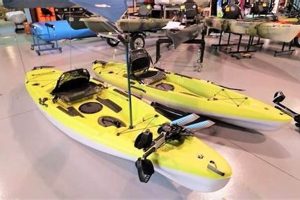
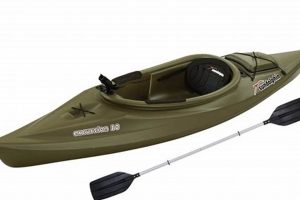
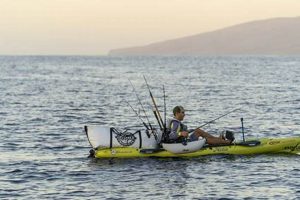
This specialized approach to angling involves the use of small, stable watercraft characterized by inflatable tubes on either side, similar to pontoons on larger vessels. These tubes provide enhanced stability and buoyancy, allowing anglers to access shallower waters and cast lines with greater ease and confidence than in traditional kayaks. A common example is an angler using such a craft to fish in a calm lake, leveraging the vessel’s platform for stability while casting for bass.
The inherent stability of these watercraft offers several advantages. Anglers can stand and cast, offering improved visibility and leverage. The wider platform allows for the installation of accessories like rod holders, fish finders, and even small anchoring systems, enhancing the overall fishing experience. Furthermore, the increased buoyancy contributes to a safer experience, especially in calmer waters. While relatively recent, this method has quickly gained popularity due to its adaptability and ease of use, particularly among anglers seeking a comfortable and stable platform for fishing in diverse environments.
This exploration will delve into the key aspects of selecting, outfitting, and effectively using these specialized vessels. Topics to be covered include choosing the correct size and style, essential accessories, safety considerations, and optimal fishing techniques for various species and conditions.
Tips for Enhanced Stability and Fishing Success
Maximizing the inherent advantages of this fishing method requires careful consideration of several key factors. The following tips offer guidance for improved stability, safety, and overall fishing success.
Tip 1: Weight Distribution: Proper weight distribution is crucial for maintaining balance. Gear should be evenly distributed throughout the vessel, avoiding excessive weight at either end. Centering heavier items near the angler’s position enhances stability.
Tip 2: Anchor Positioning: Strategic anchor placement prevents drifting and maintains optimal fishing position. Using a lightweight anchor system allows for quick adjustments and minimizes disruption to the fishing environment.
Tip 3: Calm Water Selection: These vessels excel in calmer waters such as lakes, ponds, and slow-moving rivers. Avoiding strong currents or rough conditions ensures optimal stability and safety.
Tip 4: Low-Profile Casting: Maintaining a low center of gravity while casting enhances stability and reduces the risk of tipping. Smooth, controlled casting motions are recommended.
Tip 5: Safety Gear: Wearing a personal flotation device (PFD) is paramount regardless of water conditions. Carrying a whistle, signaling device, and basic first aid kit is also advisable.
Tip 6: Appropriate Clothing: Dressing in layers allows for adaptation to changing weather conditions. Non-slip footwear enhances stability while moving around on the vessel’s platform.
Tip 7: Respectful Angling Practices: Adhering to catch-and-release guidelines and minimizing environmental impact contribute to the sustainability of fisheries.
By implementing these tips, anglers can fully leverage the stability and versatility offered by this unique fishing approach, leading to a more enjoyable and productive experience on the water.
The insights provided throughout this discussion aim to equip anglers with the knowledge necessary to make informed decisions regarding equipment selection, safety procedures, and fishing techniques.
1. Stability

Stability forms the cornerstone of the pontoon kayak fishing experience. The twin pontoon design inherent to these vessels provides a significantly wider and more stable platform than traditional kayaks. This enhanced stability allows anglers to stand comfortably while casting and reeling, offering improved leverage and visibility. The ability to stand also facilitates sight fishing, a valuable advantage in clear, shallow waters. Furthermore, this inherent stability reduces the likelihood of capsizing, increasing angler safety, particularly in challenging conditions such as windy days or when landing larger fish. For example, an angler battling a strong fish can maintain balance and control more effectively on a pontoon kayak compared to a traditional sit-on-top kayak. This stability promotes more confident and controlled fishing techniques.
The practical significance of this stability extends beyond casting and fighting fish. It allows for easier movement within the vessel, whether retrieving dropped gear or adjusting fishing positions. The stable platform also provides a secure base for mounting accessories like rod holders, fish finders, and even small grills or coolers. This added stability expands the possibilities for customization and enhances the overall fishing experience. For instance, an angler fishing in deeper water can confidently stand to operate a fish finder transducer, ensuring accurate readings without compromising balance.
In summary, the enhanced stability provided by the pontoon design fundamentally differentiates this fishing method from traditional kayaking. It allows for stand-up fishing, improves casting control, increases safety, and facilitates the use of accessories, ultimately offering a more versatile and comfortable angling experience. While stability is inherently advantageous, anglers should still exercise caution and adhere to safety guidelines to minimize risks, particularly in changing weather or water conditions.
2. Adaptability

Adaptability represents a significant advantage in pontoon kayak fishing. These versatile vessels function effectively in diverse aquatic environments, from calm lakes and ponds to slow-moving rivers and sheltered coastal areas. Their inherent stability allows for fishing in various water depths, enabling anglers to target species inhabiting shallow flats or deeper channels within the same outing. This versatility extends to fishing styles. The stable platform accommodates both spin casting and fly fishing techniques, expanding angling opportunities. For example, an angler might begin the day targeting panfish in shallow weeds using a spinning rod, then transition to fly fishing for trout in deeper pools later in the afternoon, all within the same vessel. This adaptability also simplifies transportation. Pontoon kayaks are typically inflatable or easily disassembled, making them readily portable to remote fishing locations or easily stored in smaller spaces. This feature allows anglers to explore a wider range of waterways without the constraints of transporting larger, more cumbersome boats.
The practical implications of this adaptability are substantial. Anglers can customize their setups based on the specific fishing conditions. The addition of accessories like rod holders, anchor systems, and depth finders further enhances versatility. For instance, an angler targeting larger fish in deeper water can equip a pontoon kayak with downriggers and heavier tackle, effectively transforming it into a compact offshore fishing platform. Conversely, the same vessel can be stripped down to a minimalist setup for navigating shallow creeks or accessing secluded ponds, providing a lightweight and efficient approach to exploring diverse fishing habitats. This inherent adaptability reduces the need for multiple specialized watercraft, offering a cost-effective and versatile solution for anglers targeting various species and environments.
In conclusion, adaptability is a defining characteristic of pontoon kayak fishing. The ability to function effectively in various water conditions, accommodate different fishing techniques, and be easily transported and customized opens up a broader spectrum of angling opportunities. While adaptability provides significant advantages, anglers should still carefully assess water conditions and personal skill levels to ensure safe and responsible fishing practices. The ability to adapt to changing conditions is key to maximizing success and enjoyment in this versatile fishing discipline.
3. Equipment Choices

Appropriate equipment selection significantly impacts the safety and effectiveness of pontoon kayak fishing. Choosing gear tailored to the specific fishing environment and target species enhances both comfort and angling success. Careful consideration of rod and reel combinations, appropriate tackle, essential safety gear, and optional accessories contributes to a more productive and enjoyable experience.
- Rods and Reels:
Shorter rods, typically between 5 and 7 feet, are ideal for maneuverability within the confined space of a pontoon kayak. Medium-light to medium-heavy power rods offer versatility for targeting a range of species. Spinning reels are generally preferred for their ease of use and compatibility with various line types. A balanced rod and reel combination provides optimal casting control and sensitivity, crucial for detecting subtle bites and effectively fighting fish. For example, a 6-foot medium-light spinning rod paired with a 2500 size reel provides a balanced setup suitable for targeting species like bass, trout, or panfish.
- Tackle and Bait:
Tackle choices depend on the target species and fishing environment. Live bait, lures, and artificial flies are all viable options. A selection of hooks, weights, and swivels allows for adapting to different fishing conditions and presentations. Carrying a well-organized tackle box streamlines the process of changing lures or rigs, maximizing fishing time. For instance, when fishing for bass in weedy areas, weedless lures and heavier line help prevent snags and ensure efficient retrieval. Conversely, lighter lines and smaller hooks might be preferred when targeting panfish with delicate baits.
- Safety Equipment:
Prioritizing safety is paramount. A personal flotation device (PFD) is essential equipment for any angler. Additional safety gear includes a whistle, signaling device, first-aid kit, and a waterproof bag for electronics and valuables. Regularly inspecting equipment and ensuring its proper function enhances safety and preparedness. For example, checking the inflation level of the pontoons before each outing and carrying a repair kit ensures readiness for unexpected punctures.
- Optional Accessories:
Accessories enhance the functionality and comfort of pontoon kayak fishing. Anchor systems help maintain position in desired fishing locations. Rod holders free up hands for other tasks, like landing fish or adjusting equipment. Fish finders assist in locating fish and identifying underwater structures. Dry bags protect valuables from water damage. While optional, these accessories can significantly improve the overall fishing experience. For instance, a GPS-enabled fish finder allows anglers to mark productive fishing spots and navigate safely in unfamiliar waters.
The considered selection of equipment directly influences the success and enjoyment of pontoon kayak fishing. By carefully choosing rods, reels, tackle, safety gear, and optional accessories tailored to the specific fishing environment and target species, anglers can maximize their time on the water and create a more comfortable and productive experience. Prioritizing safety equipment and ensuring its proper function underscores a commitment to responsible angling practices.
4. Fishing Techniques
Effective fishing techniques in the context of pontoon kayak fishing leverage the platform’s stability and maneuverability to optimize angling success. Understanding how specific techniques interact with the unique characteristics of these vessels is crucial for maximizing catch rates and overall fishing enjoyment. The following facets explore key techniques and their application in this specialized fishing discipline.
- Still Fishing:
The inherent stability of pontoon kayaks makes them ideal for still fishing. Anchoring in a promising location and presenting bait or lures allows for a relaxed and focused approach. This technique is particularly effective in calmer waters such as lakes and ponds, targeting species like panfish, catfish, or carp. For example, an angler might anchor near a submerged structure or weed bed and present live bait on the bottom, patiently waiting for a bite. The stability of the platform allows for comfortable, extended periods of waiting and minimizes fatigue.
- Drift Fishing:
Drift fishing allows anglers to cover more water, effectively searching for active fish. By allowing the wind or current to slowly propel the pontoon kayak, anglers can present bait or lures to a wider area. This technique is well-suited for rivers or larger lakes, targeting species like trout, walleye, or bass. Maintaining a controlled drift, often using a drogue or drift sock, ensures proper presentation and coverage of the chosen fishing area. For example, drifting along a river channel while casting jigs or spinners allows for exploring different depths and structures, increasing the chances of locating active fish.
- Casting and Retrieving:
The stable platform of a pontoon kayak provides an excellent base for casting and retrieving lures. Anglers can stand and cast with greater accuracy and distance, covering more water and targeting specific structures. This technique is effective for various species and environments, from bass fishing in shallow weed beds to targeting inshore saltwater species along coastal areas. Varying retrieve speeds and lure actions entice strikes from predatory fish. For example, casting crankbaits or topwater lures along the edges of submerged vegetation allows for targeting ambush predators.
- Trolling:
While less common than other techniques, slow trolling can be effective from a pontoon kayak, particularly in larger lakes or reservoirs. Trolling allows for covering substantial distances while presenting lures at a consistent depth and speed. Using a small electric motor or even relying on wind or current can effectively troll lures for species like trout, salmon, or crappie. Maintaining a slow and controlled trolling speed maximizes lure action and increases the likelihood of attracting fish. For example, trolling small spoons or crankbaits behind a pontoon kayak can be an effective method for locating schools of open-water fish.
These techniques, adapted to the specific characteristics of pontoon kayaks, provide anglers with a versatile toolkit for targeting a wide range of species in diverse environments. The inherent stability of these vessels enhances the effectiveness of each technique, providing a comfortable and productive fishing experience. Understanding the nuances of each technique in relation to the pontoon kayak platform allows for a more informed and strategic approach to angling, maximizing the chances of success on the water.
5. Safety Precautions
Safety precautions are paramount in pontoon kayak fishing. While these vessels offer enhanced stability, understanding and mitigating potential risks is crucial for a secure and enjoyable experience. Neglecting safety protocols can lead to accidents, injuries, or other undesirable outcomes. The following facets detail essential safety considerations for anglers.
- Personal Flotation Devices (PFDs):
Wearing a properly fitted PFD is non-negotiable. A PFD provides essential buoyancy in the event of capsizing or accidental submersion, significantly increasing the chances of survival. Choosing a PFD specifically designed for kayaking or paddling offers optimal comfort and freedom of movement. For example, an angler fishing in cold water might choose a PFD with added insulation for enhanced protection against hypothermia. Regularly inspecting PFDs for wear and tear and ensuring proper fit are crucial for maximizing their effectiveness.
- Weather Awareness:
Checking weather forecasts before embarking on a fishing trip is essential. Sudden changes in weather conditions, such as strong winds, storms, or rapid temperature drops, can create hazardous situations on the water. Postponing trips in unfavorable conditions prioritizes safety. For instance, an angler aware of an approaching storm front should postpone their outing to avoid the risk of lightning strikes or strong winds that could capsize the vessel. Carrying a waterproof pouch for a mobile phone allows for checking updated weather reports while on the water.
- Navigation and Communication:
Carrying a map, compass, or GPS device facilitates navigation, especially in unfamiliar waters. A charged mobile phone provides a means of communication in case of emergencies. Informing someone of the planned fishing location and estimated return time adds an extra layer of safety. For example, an angler exploring a new river system should carry a waterproof map and compass to maintain orientation and avoid getting lost. Sharing this information with a friend or family member ensures that someone knows their whereabouts and expected return time.
- Responsible Angling Practices:
Respecting wildlife and minimizing environmental impact contribute to a safe and sustainable fishing environment. Properly disposing of fishing line and other waste prevents entanglement hazards for wildlife and preserves the natural beauty of waterways. Adhering to catch-and-release guidelines for certain species helps maintain healthy fish populations. For instance, an angler practicing catch-and-release should handle fish gently and use barbless hooks to minimize injury, promoting their survival upon release. Carrying a small trash bag or container ensures responsible waste disposal.
Implementing these safety precautions significantly reduces risks associated with pontoon kayak fishing. A comprehensive approach to safety, encompassing personal preparedness, environmental awareness, and responsible angling practices, enhances the overall fishing experience, promoting both enjoyment and well-being on the water. Prioritizing safety not only protects individual anglers but also contributes to the preservation of aquatic environments for future generations.
6. Location Selection

Optimal location selection is integral to successful pontoon kayak fishing. The inherent characteristics of these vessels, namely their stability and maneuverability, influence location suitability. Calm, protected waters, such as small lakes, ponds, slow-moving rivers, and sheltered bays, generally provide the most favorable conditions. These environments minimize the risk of capsizing due to wind or waves, allowing anglers to fully leverage the stability advantages of pontoon kayaks. For example, a shallow, weedy pond offers excellent opportunities for targeting panfish or bass from a pontoon kayak, providing easy access and stable casting platforms. Conversely, attempting to navigate open ocean or fast-flowing rivers in a pontoon kayak presents significant safety risks and diminishes the vessel’s performance advantages. Consideration of water depth, clarity, and current strength further refines location appropriateness. Shallow, clear water allows for sight fishing and enhances the effectiveness of topwater lures, while deeper water may require downriggers or other specialized techniques. Strong currents necessitate careful anchor placement and drift control to maintain desired fishing positions.
Access points also influence location selection. Locations with easy launch and landing sites simplify entry and exit, particularly when transporting heavier gear or navigating challenging terrain. Accessibility considerations extend beyond physical access to the water. Factors such as parking availability, permit requirements, and local regulations influence the practicality and legality of fishing in specific locations. For instance, a remote mountain lake accessible only by a long hike might be an ideal fishing spot, but the logistical challenges of transporting a pontoon kayak and gear could limit its feasibility. Conversely, a local park with designated kayak launch areas and ample parking provides convenient access, enhancing the overall fishing experience. Researching local fishing regulations, including catch limits and permitted fishing methods, ensures compliance and contributes to responsible angling practices.
Strategic location selection maximizes the advantages of pontoon kayak fishing. Matching the vessel’s capabilities to the specific characteristics of the chosen fishing location enhances safety, improves angling success, and promotes a more enjoyable experience. Careful evaluation of water conditions, access points, and local regulations ensures responsible and productive fishing practices. Adapting location choices based on target species and desired fishing techniques further refines the selection process, optimizing the potential for a successful outing. Understanding the interplay between location characteristics and vessel capabilities empowers anglers to make informed decisions, contributing to a more rewarding and sustainable fishing experience.
7. Environmental Impact

Minimizing environmental impact is a crucial aspect of responsible pontoon kayak fishing. While generally considered a low-impact activity, certain practices can negatively affect aquatic ecosystems if not carefully managed. Understanding potential environmental consequences and adopting sustainable fishing techniques ensures the preservation of these valuable natural resources for future generations. The following facets explore the relationship between pontoon kayak fishing and its potential environmental impact.
- Disturbance of Aquatic Habitats:
Pontoon kayaks, due to their shallow draft, can access areas inaccessible to larger vessels. While this offers advantages for anglers, it also presents the risk of disturbing sensitive habitats. Shallow-water areas, such as spawning beds or nursery grounds, are particularly vulnerable to disruption. Dragging a pontoon kayak over vegetation or disturbing bottom sediments can damage aquatic plants, displace invertebrates, and negatively impact fish spawning success. For example, repeated passage over a shallow gravel bed used by trout for spawning can dislodge eggs and reduce reproductive success. Careful navigation and avoidance of sensitive areas minimizes habitat disturbance. Using a push pole instead of a motor in shallow water further reduces potential impacts.
- Pollution from Fishing Tackle and Waste:
Discarded fishing line, hooks, and other tackle pose significant threats to aquatic life. Animals can become entangled in fishing line, leading to injury or death. Ingestion of lead weights or plastic lures can cause poisoning and internal injuries. Improperly disposed of bait containers or food wrappers contribute to water pollution and degrade the aesthetic quality of fishing environments. For example, discarded fishing line can entangle birds, turtles, and other aquatic animals, restricting movement and potentially leading to drowning or starvation. Carrying a small trash bag or container and properly disposing of all waste minimizes pollution and protects wildlife. Using biodegradable fishing line and lead-free weights further reduces environmental impact.
- Introduction of Invasive Species:
Pontoon kayaks can inadvertently transport invasive species between different water bodies. Aquatic plants or invertebrates clinging to the vessel or trapped in bilge water can be introduced to new environments, where they may outcompete native species and disrupt ecological balance. Thoroughly cleaning and drying kayaks and gear after each outing prevents the spread of invasive species. For instance, an angler fishing in a lake infested with zebra mussels might unknowingly transport these invasive mollusks to another lake on their kayak, leading to a new infestation. Inspecting and cleaning the vessel after each use prevents the spread of these harmful organisms.
- Erosion and Bank Degradation:
Repeated launching and landing of pontoon kayaks in the same location can contribute to bank erosion and habitat degradation. Concentrated foot traffic compacts soil, damages vegetation, and destabilizes shorelines, increasing the risk of erosion. Utilizing designated launch areas and minimizing disturbance to riparian vegetation helps protect shoreline integrity. For example, repeatedly launching a kayak from the same unvegetated section of a riverbank can contribute to soil erosion and loss of riparian habitat. Using established launch sites or accessing the water from stable docks or piers minimizes disturbance to sensitive shoreline areas.
Minimizing the environmental impact of pontoon kayak fishing requires a conscious effort and responsible angling practices. By understanding the potential consequences of careless actions and adopting sustainable fishing techniques, anglers contribute to the long-term health and preservation of aquatic ecosystems. Respecting wildlife, minimizing disturbance to habitats, and properly disposing of waste are essential components of responsible pontoon kayak fishing. These practices ensure that future generations can continue to enjoy the recreational and ecological benefits of healthy waterways. The integration of environmentally conscious practices into every aspect of pontoon kayak fishing, from equipment selection to location choice and fishing techniques, promotes a sustainable and rewarding angling experience.
Frequently Asked Questions
This section addresses common inquiries regarding pontoon kayak fishing, offering concise and informative responses to facilitate informed decision-making and enhance understanding of this specialized angling method.
Question 1: What are the primary advantages of using a pontoon kayak for fishing?
Enhanced stability, enabling stand-up casting and improved visibility, is a key advantage. Increased platform space accommodates additional gear and accessories. Improved accessibility to shallow waters expands fishing opportunities.
Question 2: Are pontoon kayaks suitable for all water types?
Pontoon kayaks perform optimally in calm waters such as lakes, ponds, and slow-moving rivers. Strong currents, rough conditions, or open ocean environments are generally not recommended due to safety concerns and potential performance limitations.
Question 3: How does the maneuverability of a pontoon kayak compare to a traditional kayak?
While generally less maneuverable than traditional kayaks, pontoon kayaks still offer reasonable maneuverability, particularly in calmer waters. The use of a double-bladed paddle or a small electric motor can enhance maneuverability when needed.
Question 4: What safety precautions are essential for pontoon kayak fishing?
Wearing a personal flotation device (PFD) is paramount. Checking weather forecasts before embarking on a fishing trip is crucial. Carrying a communication device and informing someone of the planned fishing location and return time enhances safety.
Question 5: What essential gear is recommended for pontoon kayak fishing?
Essential gear includes appropriately sized rods and reels, suitable tackle and bait based on target species, a PFD, signaling devices, and basic safety equipment. Optional accessories, such as anchors, rod holders, and fish finders, can enhance the fishing experience.
Question 6: What environmental considerations should anglers keep in mind when pontoon kayak fishing?
Minimizing disturbance to aquatic habitats, avoiding sensitive areas like spawning beds, and properly disposing of all fishing line and waste are crucial for minimizing environmental impact. Cleaning kayaks and gear after each use helps prevent the spread of invasive species.
Understanding these key aspects of pontoon kayak fishing contributes to a safer, more productive, and environmentally responsible angling experience. Careful consideration of equipment, location selection, safety precautions, and environmental impact ensures a sustainable and rewarding pursuit of this specialized fishing method.
Further exploration of specific techniques and advanced considerations can enhance proficiency and maximize enjoyment of this unique approach to angling.
Pontoon Kayak Fishing
This exploration has provided a comprehensive overview of pontoon kayak fishing, encompassing key aspects from equipment selection and fishing techniques to safety considerations and environmental responsibility. The inherent stability offered by these specialized vessels allows for unique angling opportunities, including stand-up casting and enhanced access to shallow waters. Adaptability to various fishing styles and environments further distinguishes this approach, while the importance of safety and environmental stewardship underscores its responsible practice. The examination of appropriate equipment choices, including rods, reels, tackle, and safety gear, emphasizes the importance of preparedness and informed decision-making. Furthermore, the discussion of effective fishing techniques, such as still fishing, drift fishing, casting and retrieving, and trolling, highlights the versatility of pontoon kayak fishing in targeting diverse species. The emphasis on safety precautions, including the mandatory use of personal flotation devices and responsible angling practices, underscores a commitment to angler well-being and environmental preservation.
Pontoon kayak fishing represents a distinct and evolving approach to angling, offering unique advantages for those seeking a stable and versatile platform. Continued exploration of advanced techniques, responsible environmental stewardship, and ongoing advancements in vessel design promise further refinement and expansion of this specialized fishing discipline. Careful consideration of the insights presented within this discourse will empower anglers to make informed decisions, optimize their fishing experiences, and contribute to the sustainable enjoyment of aquatic resources.