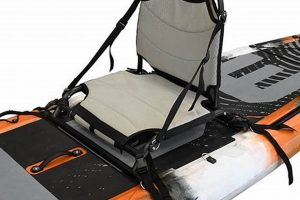
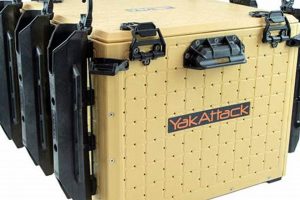
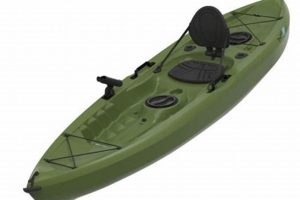
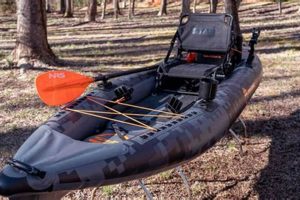
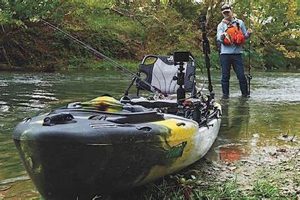
This innovative, sectional watercraft offers anglers a unique blend of portability and performance. Its modular design allows for easy transportation and storage, breaking down into smaller, manageable sections. This characteristic distinguishes it from traditional single-piece kayaks, which can be cumbersome to move and store, especially for those with limited space or smaller vehicles. The modularity also facilitates customization, as sections can be added or removed to adjust the kayak’s length and carrying capacity.
The portability and adaptability of this type of kayak open up new possibilities for fishing enthusiasts. Its compact, disassembled form simplifies transport to remote fishing locations, even those inaccessible to larger, less portable vessels. The ability to tailor its length allows anglers to optimize their kayak for different water conditions and fishing styles. Furthermore, the modular design often contributes to enhanced stability and tracking, important factors for a successful fishing experience. This innovation represents a significant advancement in kayak design, addressing the challenges of portability and storage while maintaining on-the-water performance.
The following sections will delve deeper into the specific features, benefits, and potential drawbacks of this modular kayak design. Topics covered will include material construction, assembly and disassembly processes, performance characteristics, and comparisons with traditional kayaks. Further exploration will also address the various models and configurations available to cater to diverse angler needs and preferences.
Tips for Utilizing Modular Kayaks
Proper utilization of a modular kayak enhances on-water performance and longevity. Adherence to these guidelines ensures a safe and rewarding experience.
Tip 1: Master Assembly and Disassembly: Thorough familiarity with the connection system is crucial. Practice assembly and disassembly several times before reaching the water. This ensures efficient setup and minimizes potential issues at the launch site.
Tip 2: Securely Fasten Sections: Double-check all connections to guarantee a rigid and stable vessel. Loose connections compromise performance and can lead to separation during use.
Tip 3: Distribute Weight Evenly: Balance gear and equipment throughout the kayak to maintain optimal stability and tracking. Uneven weight distribution can negatively impact maneuverability and increase the risk of capsizing.
Tip 4: Choose Appropriate Paddle Length: Paddle length should correlate with torso height and kayak width. A properly sized paddle maximizes efficiency and minimizes strain.
Tip 5: Dress for the Conditions: Water temperature and weather conditions can change rapidly. Dressing in layers and wearing appropriate safety gear, including a personal flotation device (PFD), is essential.
Tip 6: Plan Your Route and Inform Others: Prior to launching, research the area, plan a route, and inform someone of your intended destination and estimated return time. This enhances safety and provides a point of contact in case of emergencies.
Tip 7: Respect Wildlife and the Environment: Maintain a safe distance from wildlife and avoid disturbing natural habitats. Pack out all trash and leave the area as you found it.
Following these tips ensures a safer, more enjoyable, and environmentally responsible kayaking experience. Careful preparation and responsible practices contribute to a positive interaction with the natural world.
These guidelines offer a starting point for maximizing the benefits of a modular kayak. Further research and experience will enhance one’s understanding of these versatile vessels and their potential for exploration and recreation.
1. Modular Design
Modular design is the defining characteristic of the Point 65 Kingfisher and distinguishes it from traditional kayaks. This design philosophy centers around the ability to assemble and disassemble the kayak into smaller, interlocking sections. This innovative approach directly addresses the inherent challenges of transporting and storing longer kayaks, especially within confined spaces like apartments or smaller vehicles. For example, a three-section Kingfisher can be easily broken down and transported in the trunk of a standard car, eliminating the need for roof racks or trailers. This ease of transport significantly expands accessibility to diverse waterways, including those unreachable with bulkier, single-piece vessels. The modularity not only facilitates transport but also contributes to adaptable kayak configurations. Anglers can adjust the length and capacity of the kayak by adding or removing sections, optimizing it for solo trips, tandem paddling, or carrying additional gear.
The practical implications of this modular design extend beyond portability. The ability to disassemble the kayak simplifies cleaning and maintenance. Individual sections can be easily rinsed and dried, preventing the accumulation of dirt, debris, and mildew that often plagues traditional kayaks. Furthermore, the modular design allows for potential repairs or replacements of individual sections rather than the entire kayak, potentially lowering long-term maintenance costs. The interlocking connection system, typically utilizing a snap-tap mechanism, ensures a secure and rigid structure when assembled, maintaining on-water performance comparable to single-piece kayaks. This balance of portability, maintainability, and performance establishes modular design as a pivotal innovation in kayak engineering.
In conclusion, the modular design of the Point 65 Kingfisher represents a significant advancement in kayak technology. It addresses practical challenges of transport and storage while enhancing user experience through adaptable configurations and simplified maintenance. This innovation opens up new possibilities for kayaking enthusiasts, allowing for greater access to a variety of waterways and fishing experiences while retaining the core performance characteristics expected from a quality kayak. This design principle highlights the shift towards user-focused innovation within the paddlesports industry.
2. Portability

Portability stands as a defining characteristic of the Point 65 Kingfisher, significantly influencing its appeal and practicality. Unlike traditional single-piece kayaks, the Kingfisher’s modular design allows for convenient disassembly into smaller, manageable sections. This unique feature directly addresses the common transportation and storage challenges associated with longer kayaks.
- Reduced Transportation Constraints
The disassembled Kingfisher easily fits within most standard vehicles, eliminating the need for specialized roof racks or trailers. This significantly broadens accessibility to various launch points, including those inaccessible with traditional kayaks. Transporting the kayak becomes akin to carrying luggage, simplifying logistical planning and reducing reliance on specialized equipment.
- Simplified Storage Solutions
The modular design also alleviates storage concerns. The compact, disassembled sections require significantly less space than a full-length kayak. This makes storage feasible in smaller residences, apartments, or garages, removing the need for dedicated outdoor storage areas or cumbersome maneuvering of larger vessels.
- Enhanced Access to Remote Locations
Portability extends the Kingfisher’s reach beyond easily accessible waterways. The ability to transport it in smaller vehicles, or even carry sections short distances, opens up opportunities to explore remote lakes, rivers, and coastal areas previously out of reach for traditional kayak users. This expanded access enhances exploration possibilities and allows anglers to reach secluded fishing spots.
- Ease of Handling and Maneuverability
The reduced size and weight of individual sections simplify handling, especially during launch and retrieval. This ease of maneuverability is particularly advantageous in challenging terrain or shallow water conditions where navigating a full-length kayak could prove difficult. The lighter sections also lessen the physical strain associated with kayak transport.
The portability of the Point 65 Kingfisher underscores its suitability for diverse paddling scenarios. From urban waterways to remote wilderness areas, the modular design facilitates access and expands opportunities for recreational and fishing pursuits. This enhanced portability, coupled with performance-oriented design features, positions the Kingfisher as a versatile and practical option for kayaking enthusiasts.
3. Fishing Features

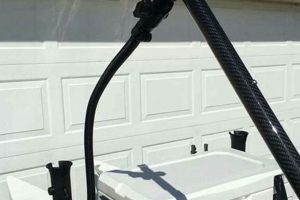
Fishing features integrated into the Point 65 Kingfisher modular fishing kayak significantly enhance its utility for angling. These features cater specifically to the needs of anglers, transforming the kayak from a simple mode of water transportation into a specialized fishing platform. Rather than requiring aftermarket modifications or makeshift solutions, the Kingfisher incorporates purpose-built design elements that streamline the fishing experience. These features often include integrated rod holders, strategically placed storage compartments for tackle and gear, and adjustable track systems for mounting fish finders and other accessories. For example, flush-mounted rod holders secure fishing rods while paddling or trolling, while dedicated storage compartments keep tackle organized and readily accessible. These integrated features minimize clutter, maximize efficiency, and allow anglers to focus on the task at hand.
The impact of these fishing features extends beyond convenience. They directly contribute to improved angling success. Rod holders positioned for optimal casting angles and readily accessible tackle storage reduce response time to bites and facilitate efficient lure changes. Furthermore, the stability provided by the kayak’s design, coupled with features like anchor trolleys, allows for precise positioning in desired fishing locations. For instance, an angler can quietly anchor in a prime spot using the integrated anchor trolley system and maintain a stable fishing platform while targeting specific structures or depths. This enhanced stability and control maximize fishing opportunities and increase the likelihood of a successful outing.
The thoughtful integration of fishing features within the Point 65 Kingfisher highlights its design focus on practicality and performance. These features are not merely add-ons but rather integral components that enhance the overall fishing experience. By incorporating specialized design elements, the Kingfisher caters directly to the needs of anglers, maximizing efficiency, improving fishing success, and reinforcing the kayak’s value as a dedicated fishing platform. This integration demonstrates a clear understanding of angling requirements and translates into a tangible advantage for those who choose this modular kayak for their fishing pursuits.
4. Stability
Stability is a critical performance attribute of the Point 65 Kingfisher modular fishing kayak, directly influencing its suitability for angling. Kayak stability refers to its resistance to tipping or capsizing, crucial for maintaining a secure and balanced platform, especially during fishing activities. Several design elements contribute to the Kingfisher’s stability. Its relatively wide hull provides a broader base of support, enhancing primary stability, which refers to the initial resistance to tipping. The modular design itself plays a role, with the interlocking sections contributing to overall hull rigidity and minimizing flex, which can compromise stability. Furthermore, the placement of the seat and the distribution of weight within the kayak influence its center of gravity, affecting both primary and secondary stability (the ability to recover from a tilt). For example, a lower center of gravity, achieved through a well-designed hull and proper weight distribution, generally enhances stability. The Kingfisher’s design often incorporates these principles to optimize stability for fishing scenarios.
The practical significance of stability in a fishing kayak becomes evident when considering the dynamic nature of angling. Casting, reeling, and landing fish, especially larger species, can shift weight distribution and create destabilizing forces. A stable kayak provides a secure platform, allowing anglers to perform these actions without compromising balance or risking capsize. Enhanced stability translates to increased angler confidence, particularly in challenging conditions such as wind, waves, or currents. This confidence allows anglers to focus on fishing rather than constantly compensating for instability. Furthermore, stability is crucial for sight fishing or stand-up fishing, techniques often employed in calmer waters where the Kingfisher excels. The ability to stand and cast provides a significant advantage for sight fishing, expanding visibility and casting range. Without adequate stability, these techniques would be impractical and potentially dangerous.
In summary, stability is an essential performance characteristic of the Point 65 Kingfisher, directly influencing its effectiveness as a fishing platform. Design elements such as hull width, modular construction, and weight distribution contribute to its inherent stability. This stability enhances angler confidence, improves fishing performance, and enables specialized techniques like stand-up fishing. The focus on stability within the Kingfisher’s design underscores its suitability for a wide range of fishing scenarios and reinforces its value as a specialized angling kayak.
5. Durability

Durability represents a critical factor in the overall value proposition of the Point 65 Kingfisher modular fishing kayak. Kayak durability directly relates to its ability to withstand the rigors of regular use, including impacts, abrasion, UV exposure, and varying environmental conditions. This resilience translates into a longer lifespan, reduced maintenance requirements, and sustained performance over time. The Kingfisher’s construction materials play a crucial role in determining its durability. High-density polyethylene (HDPE) is frequently employed due to its impact resistance, UV stability, and overall robustness. Furthermore, the modular design itself can contribute to enhanced durability. In the event of damage to a specific section, only that section requires repair or replacement, rather than the entire kayak, potentially reducing repair costs and downtime.
The practical significance of durability becomes evident when considering the demanding environments kayaks often encounter. Rocky shorelines, submerged debris, and transport-related impacts can all contribute to wear and tear. A durable kayak, like the Kingfisher, withstands these challenges, minimizing the risk of punctures, cracks, or structural damage. This robustness ensures the kayak remains functional and safe throughout its lifespan, providing a reliable platform for fishing expeditions. For example, an angler navigating shallow, rocky waters benefits from the Kingfisher’s durable HDPE hull, which resists abrasion and impacts, preserving the kayak’s structural integrity and preventing leaks. This resilience allows anglers to confidently explore diverse waterways without excessive concern for damaging their equipment.
In conclusion, durability significantly influences the long-term value and performance of the Point 65 Kingfisher. The selection of robust materials, coupled with the inherent advantages of the modular design, contributes to the kayak’s ability to withstand challenging conditions and maintain its functionality over time. This durability translates into a reliable and dependable platform for fishing, ensuring anglers can confidently pursue their passion without compromise. Investing in a durable kayak ultimately minimizes long-term costs and maximizes enjoyment on the water.
6. Performance
Performance represents a critical aspect of the Point 65 Kingfisher modular fishing kayak, encompassing its on-water handling characteristics, efficiency, and overall suitability for intended use. Performance considerations include tracking (the kayak’s ability to maintain a straight course), maneuverability, speed, and stability. These factors are influenced by hull design, length, width, and the modular construction itself. The interlocking connection system of the Kingfisher is designed to minimize flex and maintain hull rigidity, preserving performance characteristics comparable to traditional single-piece kayaks. For example, a well-designed Kingfisher model exhibits efficient tracking, minimizing the need for constant corrective strokes, thus conserving energy and enhancing paddling efficiency over longer distances. Furthermore, its maneuverability allows for navigating tight turns and shallow areas often encountered in fishing environments. This combination of tracking and maneuverability contributes significantly to the kayak’s effectiveness as a fishing platform.
The practical significance of performance becomes evident when considering the diverse demands placed upon a fishing kayak. Paddling efficiency is crucial for covering distances and reaching desired fishing locations, particularly in larger bodies of water or against currents. Maneuverability allows anglers to navigate complex shorelines, shallows, and weed beds, accessing prime fishing spots often inaccessible to larger vessels. Stability, as a component of performance, ensures a secure and balanced platform for casting, reeling, and landing fish. Furthermore, the kayak’s speed influences its ability to cover ground efficiently and respond to changing fishing conditions or opportunities. For example, an angler pursuing fast-moving pelagic fish benefits from a kayak that offers both speed and maneuverability, allowing them to keep pace with their target and react quickly to its movements. The interplay of these performance characteristics directly impacts the overall fishing experience and contributes to angling success.
In summary, performance is a multifaceted attribute encompassing various handling characteristics crucial for the Point 65 Kingfisher’s effectiveness as a fishing kayak. Hull design, modular construction, and overall dimensions contribute to its performance profile. Understanding these factors and their influence on tracking, maneuverability, speed, and stability allows anglers to select the most appropriate Kingfisher model for their specific needs and fishing style. The balance of these performance characteristics ultimately dictates the kayak’s suitability for different water conditions, fishing techniques, and overall on-the-water experience. A kayak’s performance directly impacts its utility, versatility, and contribution to a successful and enjoyable fishing outing.
Frequently Asked Questions
This section addresses common inquiries regarding the Point 65 Kingfisher modular fishing kayak, providing concise and informative responses to clarify potential uncertainties and misconceptions.
Question 1: How durable is the connection system between the modular sections?
The connection system typically utilizes a robust snap-tap mechanism designed to create a rigid and secure bond between sections. This system is engineered to withstand the stresses of regular use and maintain hull integrity during paddling and fishing activities.
Question 2: Does the modular design compromise the kayak’s performance compared to a traditional single-piece kayak?
While slight differences may exist depending on specific models and configurations, the modular design is engineered to minimize performance compromises. The rigid connection system maintains hull integrity, preserving tracking, stability, and maneuverability comparable to traditional kayaks.
Question 3: How much time is required to assemble and disassemble the kayak?
Assembly and disassembly typically require only a few minutes once familiarity with the connection system is established. Practice significantly reduces setup time, allowing for quick and efficient transitions on and off the water.
Question 4: What weight capacity can a Point 65 Kingfisher modular fishing kayak typically handle?
Weight capacity varies depending on the specific model and configuration. Consult manufacturer specifications for precise weight limits to ensure safe and optimal performance. Exceeding weight capacity can compromise stability and safety.
Question 5: What materials are commonly used in the construction of Point 65 Kingfisher kayaks?
High-density polyethylene (HDPE) is frequently used due to its durability, impact resistance, and UV stability. This material contributes to the kayak’s robust construction and ability to withstand various environmental conditions.
Question 6: Are replacement parts readily available for Point 65 Kingfisher kayaks?
Replacement parts, including individual sections, are typically available through authorized dealers and the manufacturer. The modular design facilitates section-specific repairs, potentially minimizing repair costs compared to traditional kayaks. Contacting a dealer or the manufacturer directly confirms parts availability and ordering procedures.
Understanding these key aspects of the Point 65 Kingfisher modular fishing kayak facilitates informed decision-making for prospective buyers. Consulting manufacturer specifications and authorized dealers provides further clarification and addresses specific requirements.
Further sections will explore specific model comparisons, user reviews, and recommended accessories to enhance the kayaking experience. This comprehensive overview aims to equip readers with the necessary knowledge to evaluate the suitability of the Point 65 Kingfisher for their individual paddling and fishing needs.
Conclusion
The Point 65 Kingfisher modular fishing kayak presents a compelling option for anglers seeking a blend of portability, performance, and specialized features. Its modular design addresses transportation and storage challenges, while integrated fishing features enhance on-the-water angling effectiveness. Durability ensures long-term value, and stability provides a secure platform for various fishing techniques. Performance characteristics, including tracking and maneuverability, contribute to its versatility in diverse aquatic environments. The Kingfisher’s modularity offers distinct advantages over traditional kayaks, particularly for those with limited storage space or seeking access to remote fishing locations.
The innovative design of the Point 65 Kingfisher reflects an evolving landscape within the paddlesports industry, where portability and specialized functionality increasingly influence product development. Further exploration of specific models and user experiences can provide valuable insights for prospective buyers seeking a kayak tailored to their individual fishing needs and preferences. Careful consideration of these factors empowers informed decisions and contributes to a more rewarding and efficient fishing experience.