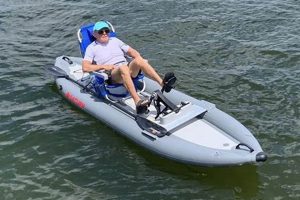
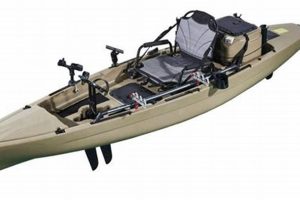
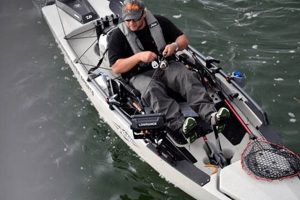
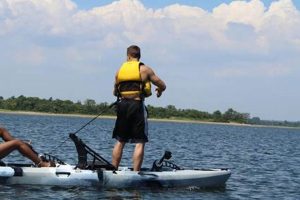
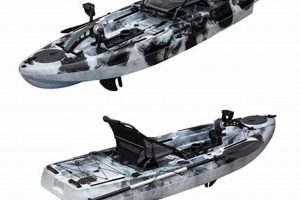
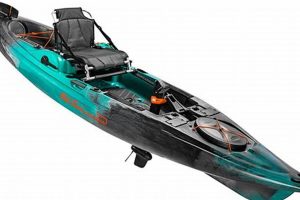
Hands-free propulsion kayaks designed for angling and priced for affordability represent a significant development in the fishing kayak market. These vessels typically utilize either a propeller or fin system powered by pedaling, allowing anglers to navigate waters efficiently while keeping their hands free for fishing. This price point opens up the possibility of kayak fishing to a wider audience.
The ability to maintain position and traverse distances without paddling offers substantial advantages for fishing. Anglers gain enhanced control, especially in challenging conditions like currents or wind. Freeing hands allows for more efficient lure retrieval, line management, and ultimately, increases the chances of a successful catch. The relatively lower cost compared to higher-end pedal kayaks makes this category particularly attractive to budget-conscious anglers or those new to the sport. This segment of the market reflects the growing demand for kayaks tailored to the specific needs of fishing, combining functionality and affordability.
This discussion will explore key considerations for selecting such a kayak, including drive systems, hull design, features, and popular models available. Furthermore, it will address factors like stability, speed, maintenance, and transportation to provide a comprehensive understanding of this increasingly popular segment of the fishing kayak market.
Tips for Selecting a Pedal Fishing Kayak Under $1000
Choosing a pedal-powered fishing kayak requires careful consideration of various factors to ensure the vessel aligns with individual needs and preferences. The following tips offer guidance for making an informed decision.
Tip 1: Prioritize Stability: Hull design significantly impacts stability. Wider, flatter hulls offer greater initial stability, ideal for calmer waters and stand-up fishing. Longer, narrower hulls tend to track better and handle chop more effectively but offer less initial stability.
Tip 2: Evaluate Drive Systems: Assess the pros and cons of propeller and fin drives. Propeller systems offer speed and efficiency in open water but can be susceptible to damage in shallow, weedy environments. Fin drives excel in shallow water and over obstacles but might sacrifice some top-end speed.
Tip 3: Consider Weight Capacity: Factor in the combined weight of the angler, gear, and potential catch. Exceeding the specified weight capacity compromises stability and performance.
Tip 4: Inspect Seating and Comfort: A comfortable seat is crucial for extended fishing trips. Look for adjustable seating systems with ample back support and breathable fabric.
Tip 5: Assess Storage Options: Ample, strategically placed storage compartments are essential for organizing tackle, gear, and catches. Consider dedicated rod holders, dry storage hatches, and accessible storage wells.
Tip 6: Research Transportation and Storage: Evaluate the kayak’s weight and dimensions to ensure compatibility with available transportation and storage solutions.
Tip 7: Read Reviews and Compare Models: Consult online reviews and compare different models to gain insights into real-world performance, durability, and user satisfaction.
By carefully considering these factors, prospective buyers can select a kayak that optimizes their fishing experience while staying within a defined budget.
These tips provide a solid foundation for navigating the market. The following section will delve into specific models and recommendations based on these considerations.
1. Pedal Propulsion System

The pedal propulsion system forms the core differentiating feature of a pedal fishing kayak, separating it from traditional paddle-powered options. Within the context of kayaks priced under $1000, understanding the nuances of these systems is crucial for making informed purchasing decisions. Propulsion systems directly impact maneuverability, speed, and overall fishing effectiveness.
- Propulsion Type (Fin vs. Propeller)
Two primary propulsion types dominate the market: fin drives and propeller drives. Fin drives, utilizing a rotating pedal-powered fin under the hull, excel in shallow water and navigate vegetation effectively, minimizing the risk of entanglement. Propeller systems, akin to those found on outboard motors, generate higher speeds in open water and offer greater efficiency over longer distances. However, they are more vulnerable to damage from underwater obstacles and vegetation. Choosing the right system depends on the intended fishing environment.
- Maintenance and Durability
Durability and ease of maintenance are paramount considerations, especially in the under $1000 price range. Fin drives, though generally robust, require periodic maintenance, including cleaning and occasional fin replacement. Propeller systems, while often more easily serviced, can be susceptible to damage requiring more frequent repairs. Understanding the potential maintenance needs of each system is crucial for long-term cost-effectiveness.
- Impact on Fishing Experience
The hands-free nature of pedal propulsion significantly enhances the fishing experience. Anglers can maintain position and navigate effortlessly, freeing their hands for casting, retrieving lures, and landing fish. This advantage is particularly valuable in challenging conditions such as currents or wind. The choice of propulsion system will influence how anglers interact with their environment, impacting stealth and overall fishing success.
- Performance Characteristics (Speed, Maneuverability)
Performance characteristics vary significantly between fin and propeller systems. Propeller drives generally offer superior speed, making them ideal for covering larger distances. Fin drives prioritize maneuverability and shallow water performance, making them well-suited for navigating tight spaces and exploring shallow flats. Selecting the appropriate system depends on individual fishing styles and target locations.
The pedal propulsion system ultimately dictates the functionality and effectiveness of a pedal fishing kayak. Understanding the trade-offs between fin and propeller drives, considering maintenance requirements, and evaluating performance characteristics are essential for maximizing fishing success within a budget. A well-chosen propulsion system enhances an angler’s ability to navigate, position, and ultimately, land their target catch.
2. Hull Design and Stability

Hull design significantly influences the stability and performance of a pedal fishing kayak, especially within the context of affordability. Understanding the interplay between hull shape, stability, and intended use is crucial for selecting a kayak under $1000 that maximizes fishing effectiveness. Different hull designs cater to varying water conditions and fishing styles, necessitating careful consideration of individual needs and preferences.
- Hull Types (Pontoon, Tunnel, Displacement)
Various hull types exist, each with distinct characteristics. Pontoon hulls, featuring two separate hulls connected by a platform, provide exceptional stability, ideal for stand-up fishing and calmer waters. Tunnel hulls, with a recessed channel running the length of the hull, offer a balance of stability and maneuverability, suitable for a wider range of conditions. Displacement hulls, characterized by a V-shaped or rounded bottom, prioritize tracking and speed but may sacrifice some stability. Selecting the appropriate hull type depends on the angler’s primary fishing environment and desired level of stability.
- Stability Considerations (Primary vs. Secondary)
Stability is categorized as primary (initial stability at rest) and secondary (stability when leaned or in motion). Wider, flatter hulls generally offer higher primary stability, making them ideal for beginners or those preferring to stand while fishing. Kayaks with a narrower waterline and more rounded hulls tend to have higher secondary stability, offering greater resistance to tipping in rougher conditions. Balancing primary and secondary stability is crucial for a safe and comfortable fishing experience.
- Impact on Performance (Tracking, Speed, Maneuverability)
Hull design influences performance characteristics such as tracking (ability to maintain a straight course), speed, and maneuverability. Longer, narrower hulls typically track better and achieve higher speeds but may be less maneuverable. Shorter, wider hulls enhance maneuverability but can compromise tracking and speed. Anglers should prioritize the performance characteristics most relevant to their fishing style and target locations. For example, those fishing in open water might prioritize speed and tracking, while those fishing in tight quarters might favor maneuverability.
- Considerations for Pedal Kayaks
The integration of a pedal drive system further influences hull design considerations. Pedal kayaks often require specific hull characteristics to optimize propulsion efficiency and stability. For example, a kayak designed for a fin drive might feature a shallow draft to maximize fin performance in shallow water. Understanding the interplay between hull design and the chosen pedal drive system is essential for achieving optimal performance.
The hull design of a pedal fishing kayak plays a critical role in determining its stability, performance, and overall suitability for specific fishing environments. Carefully evaluating the various hull types, stability considerations, and performance characteristics is essential for anglers seeking a kayak under $1000 that effectively balances stability, maneuverability, and speed. Ultimately, selecting a hull design aligned with individual needs and preferences contributes significantly to a positive and productive fishing experience.
3. Weight Capacity and Storage

Weight capacity and storage space are critical factors influencing the practicality and effectiveness of a pedal fishing kayak, especially in the under $1000 price segment. The ability to carry necessary gear, combined with the angler’s weight, directly impacts safety and performance. Insufficient weight capacity can lead to instability, reduced freeboard (the distance between the waterline and the gunwale), and potential swamping. Adequate storage, conversely, allows for organized transport of fishing tackle, safety equipment, and personal items, enhancing efficiency and enjoyment on the water.
Kayaks in this price range often face design trade-offs to balance affordability with functionality. Manufacturers must optimize material usage and construction techniques to achieve target weight capacities without exceeding cost constraints. This can influence storage space, potentially limiting the volume and accessibility of compartments. For example, a kayak designed for a higher weight capacity might utilize thicker hull materials, potentially reducing internal storage volume. Conversely, maximizing storage space might necessitate lighter materials, potentially lowering the overall weight capacity. Understanding this interplay is crucial for prospective buyers. Anglers carrying heavier gear, including larger tackle boxes or specialized fishing equipment, must prioritize kayaks with sufficient weight capacity, potentially compromising on storage space. Those prioritizing lighter setups can opt for kayaks with maximized storage options, even if the overall weight capacity is slightly lower. Real-world scenarios, such as extended fishing trips requiring more gear or fishing in areas requiring specialized equipment, highlight the practical significance of this balance.
Careful consideration of weight capacity and storage requirements is essential for informed purchasing decisions. Evaluating manufacturer specifications, comparing models, and considering individual fishing needs allows anglers to select a kayak that effectively balances carrying capacity and storage functionality without compromising safety or performance. This ensures a positive and productive fishing experience, even within budget constraints. Failure to adequately assess these factors can negatively impact on-the-water performance and safety.
4. Fishing-Specific Features
Fishing-specific features distinguish pedal kayaks designed for angling from recreational models. These features directly impact functionality, efficiency, and overall fishing success. Within the context of a sub-$1000 budget, the inclusion and quality of these features become crucial considerations. Cost constraints can influence the availability and sophistication of these features, requiring careful evaluation of their value proposition.
Examples include rod holders, often integrated into the kayak’s design for convenient access and secure rod storage. Flush-mounted rod holders minimize line entanglement and offer a streamlined profile. Track systems provide mounting points for accessories like fish finders, GPS units, and camera mounts. Storage solutions, such as tackle compartments, dry hatches, and bungee cords, facilitate organized gear management. These features enhance efficiency by keeping essential equipment within easy reach, minimizing distractions and maximizing fishing time. A well-designed pedal fishing kayak incorporates these features strategically, enhancing functionality without compromising stability or performance. The presence and quality of these features often correlate with price, requiring anglers to balance desired functionality with budget constraints.
Practical significance is readily apparent. Dedicated rod holders prevent rod loss and facilitate quick transitions between fishing techniques. Integrated track systems allow customization, enabling anglers to personalize their setup with essential electronics and accessories. Ample storage keeps gear organized and protected, minimizing clutter and maximizing space. While higher-priced kayaks may offer more advanced or specialized features, careful selection within the under $1000 range still provides substantial fishing-specific advantages. Understanding the trade-offs between cost and functionality empowers informed decision-making, maximizing fishing utility within budget limitations. Ultimately, the strategic integration of these features contributes significantly to a more productive and enjoyable fishing experience.
5. Durability and Maintenance
Durability and maintenance requirements are critical considerations when evaluating pedal fishing kayaks, particularly in the under $1000 price bracket. The longevity of a kayak and the associated costs of upkeep directly impact the overall value proposition. Construction materials, hardware quality, and drive system design influence a kayak’s resilience against wear and tear, impacting long-term performance and cost-effectiveness.
Kayaks in this price range often utilize a combination of materials to balance durability and affordability. High-density polyethylene (HDPE) is common due to its impact resistance and UV stability, but its susceptibility to scratches and abrasion necessitates careful handling. Lower-priced models might incorporate less robust components, potentially increasing the risk of damage and requiring more frequent repairs or replacements. For example, a kayak with stainless steel hardware will typically offer greater corrosion resistance compared to one with plated steel hardware, ultimately influencing long-term maintenance costs. The pedal drive system, a key component of these kayaks, also requires regular maintenance, including lubrication, cleaning, and occasional part replacement. Fin drives, for instance, require periodic inspection and potential replacement of the fin itself due to wear or damage. Propeller systems, while generally robust, can be susceptible to damage from submerged obstacles, leading to repair costs. Diligent maintenance practices, such as regular rinsing after use and proper storage, can mitigate wear and tear, extending the lifespan of the kayak.
Understanding the balance between initial investment and long-term maintenance costs is crucial for informed purchasing decisions. While a lower initial price point might seem attractive, higher maintenance requirements or premature component failure can negate any perceived savings. Careful consideration of construction materials, hardware quality, and drive system design empowers consumers to evaluate long-term durability and anticipate potential maintenance needs. This proactive approach ensures a cost-effective investment and maximizes the lifespan of the pedal fishing kayak, enhancing overall value and enjoyment on the water.
6. Price and Value
Price and value represent intertwined yet distinct concepts, particularly relevant when considering pedal fishing kayaks priced under $1000. Price reflects the monetary outlay required for acquisition, while value encompasses the overall benefit derived from the purchase, considering factors like features, performance, durability, and longevity. Navigating the market effectively requires a nuanced understanding of this relationship, recognizing that the lowest price doesn’t necessarily equate to the best value.
- Component Quality and Material Selection
Component quality directly impacts both performance and longevity. Higher-quality materials and robust construction typically translate to greater durability and reduced maintenance needs, contributing to long-term value. Kayaks in the sub-$1000 range may utilize more affordable materials to maintain price competitiveness. For example, a kayak with reinforced seat fittings and higher-grade plastics will likely offer greater longevity compared to one with less robust components, potentially justifying a slightly higher price. Scrutinizing component quality helps discern genuine value from superficial cost savings.
- Features and Functionality
The inclusion of fishing-specific features, such as integrated rod holders, adjustable seating, and ample storage, enhances functionality and contributes to overall value. However, feature-rich kayaks often come with a higher price tag. Evaluating the practical utility of these features against individual fishing needs and budget constraints is essential. A kayak with numerous features might offer less value to an angler who utilizes only a few, compared to a simpler, more affordable model that meets their essential requirements.
- Brand Reputation and Warranty
Brand reputation often reflects consistent quality, customer service, and warranty support. Established brands with positive reputations might command higher prices, but this can signify greater reliability and peace of mind, contributing to long-term value. A comprehensive warranty provides recourse against manufacturing defects and can minimize future repair costs. Researching brand reputations and warranty terms helps assess the potential long-term costs and benefits associated with different kayak models.
- Resale Value
Resale value, while not immediately apparent at the time of purchase, contributes to the overall value proposition. Kayaks from reputable brands, constructed with durable materials and featuring desirable features, tend to retain their value better over time. This factor becomes relevant for anglers who anticipate upgrading or selling their kayak in the future. Considering potential resale value can influence purchasing decisions, particularly when comparing models within a similar price range.
Discerning value within the pedal fishing kayak market under $1000 requires careful evaluation of component quality, features, brand reputation, and potential resale value. Balancing these factors against price allows for informed purchasing decisions, maximizing long-term satisfaction and minimizing potential regrets. Prioritizing value over simply the lowest price ensures a worthwhile investment that aligns with individual fishing needs and budget constraints, contributing to enjoyable and productive fishing experiences.
Frequently Asked Questions
This section addresses common inquiries regarding pedal fishing kayaks priced under $1000. Understanding these key aspects facilitates informed decision-making and ensures realistic expectations.
Question 1: Are pedal fishing kayaks under $1000 suitable for ocean use?
While some models might handle calm nearshore ocean conditions, kayaks in this price range are generally designed for lakes, rivers, and protected bays. Ocean use requires careful consideration of stability, seaworthiness, and safety precautions. Always check manufacturer recommendations regarding intended usage environments.
Question 2: How does the speed of a pedal kayak compare to a paddle kayak?
Pedal kayaks generally offer higher sustained speeds and reduce fatigue compared to paddling, particularly over longer distances. However, top-end sprint speeds achievable with paddling might surpass those of pedal drives.
Question 3: What maintenance is required for a pedal drive system?
Regular rinsing with fresh water after each use, especially in saltwater environments, is essential. Periodic lubrication of moving parts and inspection for wear and tear are also necessary. Specific maintenance requirements vary depending on the drive system (fin or propeller).
Question 4: Are pedal kayaks more difficult to transport than paddle kayaks?
Pedal kayaks can be slightly heavier and bulkier due to the drive system. Transportation requires appropriate roof racks or trailers. Proper securing and weight distribution are essential for safe transport.
Question 5: What safety precautions should be considered when using a pedal fishing kayak?
Standard safety practices, including wearing a personal flotation device (PFD), carrying a whistle, and informing someone of planned fishing locations, apply. Understanding local regulations and navigational hazards is crucial.
Question 6: Can a pedal kayak be used in shallow water?
Fin-driven kayaks generally perform well in shallow water due to their minimized draft. Propeller-driven kayaks require greater depth to avoid propeller damage. Always assess water depth and potential obstacles before deploying a pedal kayak.
Understanding these common concerns empowers informed purchasing decisions and fosters realistic expectations regarding the capabilities and limitations of pedal fishing kayaks in this price range.
The next section will delve into specific model recommendations, providing further guidance for selecting the ideal kayak based on individual needs and preferences.
Pedal Fishing Kayak Under $1000
Careful consideration of factors such as propulsion type, hull design, weight capacity, fishing-specific features, durability, maintenance requirements, and price allows for informed decisions within this specialized market segment. Balancing desired features with budget constraints empowers consumers to select a kayak that optimizes fishing effectiveness without exceeding financial limitations. Prioritizing stability, maneuverability, and propulsion efficiency ensures a positive and productive on-the-water experience. Understanding the nuances of pedal drive systems, hull characteristics, and available features enables informed assessments of value and long-term performance potential.
The evolution of affordable pedal-powered fishing kayaks continues to enhance accessibility to this specialized segment of the angling community. As technology advances and manufacturing processes become more efficient, consumers can expect further improvements in features, performance, and durability within this price range. Diligent research, combined with a clear understanding of individual needs and priorities, remains essential for navigating this dynamic market and maximizing the value proposition offered by pedal fishing kayaks under $1000.