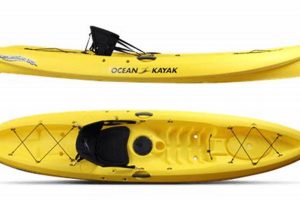
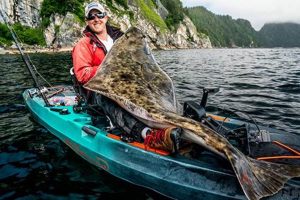
Specialized storage containers designed for kayak anglers offer organized stowage for tackle, rods, and other essential equipment. These containers are typically crafted from durable, weather-resistant materials and often feature specialized compartments, rod holders, and attachment points for secure integration with a kayak’s deck or hull.
Enhanced organization and accessibility of gear contribute significantly to a more efficient and enjoyable fishing experience. A well-organized system allows anglers to quickly locate necessary items, minimizing distractions and maximizing time spent fishing. Durable construction protects valuable equipment from the elements and potential damage during transport. Historically, kayak anglers relied on less specialized storage solutions, but the increasing popularity of kayak fishing has driven innovation in dedicated storage systems, leading to the development of purpose-built containers that optimize space and functionality.
This discussion will further explore the diverse types of kayak angling storage solutions available, including an analysis of materials, features, mounting options, and selection criteria to help anglers choose the optimal setup for their needs.
Tips for Selecting and Utilizing Kayak Fishing Storage
Optimal organization is crucial for a successful kayak fishing excursion. These tips offer guidance on choosing and using storage solutions effectively.
Tip 1: Prioritize Stability: Select a storage solution that maintains kayak stability. Consider the size, weight, and distribution of loaded containers to prevent tipping or imbalance.
Tip 2: Secure Attachment: Ensure containers are securely fastened to the kayak to prevent loss or shifting during movement. Utilize appropriate straps, tie-downs, or integrated mounting systems.
Tip 3: Weather Resistance: Opt for containers constructed from durable, waterproof materials to protect gear from the elements and potential submersion.
Tip 4: Accessibility: Position frequently accessed items within easy reach to minimize disruption during fishing. Less frequently used gear can be stored in less accessible areas.
Tip 5: Compartmentalization: Utilize containers with compartments or dividers to organize tackle and prevent tangling or damage.
Tip 6: Rod Management: Select containers or accessories with integrated rod holders or mounts to secure rods safely and prevent loss or breakage.
Tip 7: Weight Capacity: Consider the weight capacity of both the kayak and the chosen storage solution to avoid overloading and ensure safe operation.
Tip 8: Practice Rigging: Before embarking on a fishing trip, practice rigging the kayak with the chosen storage solution to ensure familiarity and efficient deployment on the water.
By adhering to these guidelines, anglers can enhance their fishing experience through improved organization, efficiency, and safety on the water.
These considerations contribute significantly to a more productive and enjoyable kayak fishing experience. The following section will offer concluding thoughts on optimizing gear storage for kayak angling.
1. Durability

Durability is paramount for fishing crates designed for kayak use. These crates face constant exposure to harsh conditions including saltwater, UV radiation, and physical impacts. A durable crate safeguards stored equipment and ensures long-term functionality, contributing significantly to a successful and enjoyable fishing experience.
- Material Selection
Crate material directly impacts durability. High-density polyethylene (HDPE) is a popular choice due to its impact resistance, UV stability, and resistance to saltwater corrosion. Other suitable materials include polypropylene and ABS plastics. A crate constructed from inferior materials may crack, warp, or degrade over time, compromising its structural integrity and potentially leading to equipment damage or loss.
- Construction Quality
Robust construction techniques are essential for long-term durability. Reinforced corners, sturdy hinges and latches, and thick wall construction contribute to a crate’s ability to withstand impacts and heavy loads. Poorly constructed crates may fail prematurely, particularly under the stresses of repeated use and exposure to the elements. For example, reinforced corners prevent damage during loading, unloading, and transport, while robust latches ensure the crate remains securely closed even in rough conditions.
- UV Resistance
Prolonged exposure to sunlight can degrade certain plastics, leading to brittleness and cracking. UV-resistant materials and additives are crucial for maintaining the structural integrity of the crate over time, especially in sunny climates. A crate lacking UV resistance may become brittle and prone to cracking after extended sun exposure, potentially jeopardizing its ability to protect stored equipment.
- Water Resistance
Water resistance is vital for protecting stored gear from moisture damage. Well-sealed crates with tight-fitting lids prevent water intrusion, even in the event of splashing or submersion. Non-water-resistant crates risk exposing stored tackle and equipment to moisture, potentially leading to corrosion, mildew, or electronic malfunction.
Investing in a durable fishing crate is an investment in the longevity of both the crate itself and the valuable equipment it protects. Selecting a crate constructed from robust materials, featuring high-quality construction, and designed with UV and water resistance ensures long-term performance and reliability in demanding kayak fishing environments.
2. Capacity

Adequate capacity is a critical consideration when selecting fishing crates for kayaks. Limited storage space on kayaks necessitates careful selection of a crate that balances storage needs with the constraints of the kayak’s size and weight capacity. Insufficient capacity can limit the amount of gear carried, potentially hindering fishing success, while excessive capacity can lead to overloading, compromising stability and safety.
- Storage Volume
Storage volume directly dictates the amount of gear a crate can hold. This is typically measured in liters or quarts. Anglers carrying a large volume of tackle, such as those targeting multiple species or using diverse techniques, require crates with a larger storage volume. For example, an angler targeting both bass and trout might need a larger crate to accommodate different rod and reel setups, along with species-specific lures and terminal tackle. Conversely, an angler focused on a single species with a minimalist approach could manage with a smaller crate.
- Dimensions and Kayak Compatibility
External dimensions determine a crate’s fit within the kayak’s limited space. Crates should fit comfortably within designated storage areas without obstructing paddling or other essential functions. For instance, a large crate might offer ample storage but prove impractical on a smaller kayak, hindering maneuverability and potentially impacting stability. Careful consideration of crate dimensions relative to kayak size is crucial for optimal fit and functionality.
- Weight Capacity of the Crate
The crate’s own weight capacity limits the total weight of gear it can safely hold. Exceeding this limit can damage the crate or compromise its structural integrity. Heavy-duty crates with higher weight capacities are necessary for anglers carrying heavier gear, such as large tackle boxes, multiple rods and reels, or substantial quantities of lead weights. Ignoring weight capacity can lead to crate failure, potentially resulting in gear loss or damage.
- Organization and Accessibility
While overall volume is important, internal organization contributes significantly to usable capacity. Compartments, dividers, and trays maximize space utilization and prevent gear from shifting or tangling. A well-organized crate allows anglers to carry more gear effectively by maximizing usable space and ensuring easy access. For instance, a crate with dedicated compartments for lures, hooks, and other small items prevents tangling and facilitates quick retrieval, effectively increasing the amount of usable gear that can be carried comfortably.
Careful consideration of these capacity-related factors ensures that the chosen fishing crate meets the specific needs of the angler and the limitations of the kayak. Balancing storage volume with kayak compatibility, weight capacity, and internal organization optimizes gear storage and contributes to a more efficient and enjoyable fishing experience. A properly sized and organized crate maximizes available space, allowing anglers to carry the necessary gear without compromising kayak stability or maneuverability.
3. Security
Security, in the context of fishing crates for kayaks, encompasses both the secure attachment of the crate to the kayak and the safeguarding of the gear stored within. Secure attachment prevents loss or displacement of the crate during paddling, maneuvering, or encountering rough water conditions. Safeguarding gear within the crate protects valuable equipment from theft, loss overboard, and environmental damage. Loss of a crate containing essential fishing gear can prematurely end a fishing trip and incur significant financial replacement costs. For example, a crate inadequately secured to a kayak might be dislodged during a rapid turn or in choppy water, resulting in the loss of tackle, rods, reels, and other essential equipment.
Several factors contribute to crate security. Robust attachment points integrated into the crate’s design are crucial. These points should interface effectively with the kayak’s deck or hull using appropriate straps, tie-down systems, or specialized mounting hardware. The strength and durability of these attachment mechanisms are paramount. A crate with weak attachment points or secured with inadequate straps risks detachment, particularly under stress. Furthermore, the crate’s lid should feature a secure latching mechanism to prevent accidental opening and subsequent gear loss. For instance, a high-quality latch resists unintentional opening due to impacts or vibrations encountered during paddling, while a flimsy latch might fail, allowing the crate’s contents to spill into the water. In areas where theft is a concern, lockable latches provide an additional layer of security, deterring opportunistic theft from unattended kayaks.
Prioritizing crate security is essential for preserving valuable equipment and ensuring a successful fishing excursion. A securely attached crate with a robust latching mechanism minimizes the risk of gear loss due to accidental displacement or environmental factors. This contributes to peace of mind, allowing anglers to focus on fishing rather than worrying about the security of their equipment. Thorough consideration of attachment methods and latching mechanisms is crucial when selecting a fishing crate for a kayak. Furthermore, understanding the specific security challenges of the fishing environment, such as potential theft or rough water conditions, informs appropriate preventative measures. By addressing these security considerations, anglers can protect their investment in fishing gear and ensure a more enjoyable and productive experience on the water.
4. Accessibility
Accessibility in kayak fishing refers to the ease and speed with which anglers can retrieve necessary gear from their storage solutions. Efficient access to tackle, tools, and other equipment directly impacts fishing efficiency and overall enjoyment. Fumbling through cluttered storage or reaching awkwardly for essential items disrupts fishing flow and can lead to missed opportunities or even safety hazards. Well-designed storage solutions prioritize accessibility, allowing anglers to quickly locate and deploy necessary gear without compromising balance or focus.
- Placement and Positioning of Crates
Strategic crate placement within the kayak cockpit is paramount for accessibility. Positioning crates within easy reach minimizes stretching, bending, and awkward movements that can compromise balance and stability. For example, positioning a frequently accessed tackle crate directly in front of the angler allows for quick retrieval of lures and terminal tackle without requiring excessive movement. Conversely, placing essential gear in difficult-to-reach locations hinders efficient fishing and increases the risk of capsizing, particularly in challenging conditions.
- Crate Design and Features
Crate design features significantly influence accessibility. Open-top designs or those with readily accessible lids facilitate quick retrieval of items. Features like integrated tackle trays, compartments, and dividers maintain organization and prevent gear from becoming buried or tangled. For instance, a crate with a flip-open lid and built-in tackle trays allows anglers to quickly locate and select specific lures without having to rummage through a cluttered container. Conversely, a crate with a cumbersome latch or lacking internal organization can impede access to essential gear.
- Ergonomic Considerations
Ergonomic principles play a crucial role in accessibility. Crates should be positioned and designed to minimize strain and maximize efficiency during gear retrieval. Handles, latches, and other interactive elements should be easy to grip and operate, even with wet hands or while wearing gloves. A crate with comfortable handles and a smooth-operating lid minimizes strain and facilitates quick access, while a crate with awkward handles or a stiff lid can hinder efficient operation and potentially lead to injuries.
- Kayak Compatibility and Customization
Accessibility is also influenced by the interplay between the crate and the kayak itself. Customizable mounting systems, adjustable straps, and other adaptable features allow anglers to fine-tune crate placement for optimal accessibility based on their individual needs and kayak configuration. For example, adjustable mounting tracks or straps enable precise positioning of the crate within the cockpit, tailoring accessibility to the angler’s reach and preferences. This customization ensures that the crate is positioned for maximum efficiency and minimal disruption to paddling and other essential kayak operations.
Prioritizing accessibility in the selection and placement of fishing crates significantly enhances kayak fishing efficiency and enjoyment. A well-placed and designed crate facilitates seamless gear retrieval, allowing anglers to focus on fishing rather than struggling with storage. By considering placement, crate features, ergonomics, and kayak compatibility, anglers can optimize their setup for maximum accessibility and create a more streamlined and rewarding fishing experience. This attention to accessibility translates directly to more time fishing and less time managing gear, ultimately leading to increased success and overall satisfaction on the water.
5. Portability

Portability is a critical factor influencing the practicality of fishing crates for kayaks. Kayak anglers frequently transport their equipment across varying terrainoften uneven, sandy, or rockyto reach launch sites. A portable crate simplifies this process, reducing strain and facilitating efficient transitions between transport and on-water fishing. Crate weight, dimensions, and carrying features directly impact portability. For example, a lightweight crate constructed from high-density polyethylene (HDPE) is easier to carry than a heavier, comparably sized crate made from a denser material. Integrated handles, shoulder straps, or backpack-style carrying systems further enhance portability, especially when traversing longer distances or challenging terrain. Conversely, a bulky, heavy crate lacking comfortable carrying features becomes cumbersome and fatiguing, potentially discouraging anglers from accessing more remote or challenging launch locations.
The portability of a fishing crate influences not only transport to and from the launch site but also on-water practicality. Kayak anglers often reposition their vessels throughout a fishing trip, navigating shallows, portages, or changing fishing locations. A portable crate facilitates these transitions, allowing for easy loading and unloading of gear. Furthermore, portability can be crucial in emergency situations, such as a capsize or the need to quickly exit the kayak. A lightweight, easily manageable crate is less likely to hinder escape or complicate self-rescue. For instance, in the event of a capsize, a heavy, cumbersome crate could obstruct access to essential safety gear or impede the angler’s ability to right the kayak. Therefore, portability contributes significantly to both convenience and safety in kayak fishing.
In summary, portability is an essential consideration when selecting a fishing crate for kayak use. Lightweight construction, compact dimensions, and integrated carrying features enhance portability, simplifying transport and facilitating on-water maneuverability. Prioritizing portability contributes to a more efficient, enjoyable, and safer kayak fishing experience. Choosing a crate that balances storage capacity with portability ensures anglers can carry essential gear without compromising mobility or safety. This balance allows for greater access to diverse fishing locations and contributes to a more versatile and rewarding experience on the water.
Frequently Asked Questions about Fishing Crates for Kayaks
This section addresses common inquiries regarding the selection and utilization of fishing crates designed for kayak angling.
Question 1: What materials are best suited for kayak fishing crates?
Durable, weather-resistant materials are essential. High-density polyethylene (HDPE) is a popular choice due to its strength, UV resistance, and resistance to saltwater corrosion. Other suitable options include polypropylene and ABS plastics.
Question 2: How does one ensure crate stability on a kayak?
Proper weight distribution and secure attachment are crucial for maintaining kayak stability. Distribute weight evenly within the crate and secure it firmly to the kayak using appropriate straps, tie-downs, or integrated mounting systems. Consider the kayak’s weight capacity and avoid overloading.
Question 3: What features should one look for in a kayak fishing crate?
Desirable features include rod holders, tackle compartments, integrated trays, and secure latches. Consider the specific fishing style and gear requirements when selecting features. Ergonomic handles and portability features are also beneficial.
Question 4: How does crate size impact kayak performance?
Crate size should be proportionate to the kayak’s size and the angler’s storage needs. Oversized crates can hinder maneuverability and stability. Choose a crate that fits comfortably within the kayak without obstructing paddling or other essential functions.
Question 5: Are there specific safety considerations regarding crate usage?
Secure attachment is paramount for safety. Ensure the crate is firmly secured to prevent shifting or loss during paddling or rough water conditions. Avoid overloading the crate or the kayak, as this can compromise stability and increase the risk of capsizing.
Question 6: How does one maintain a fishing crate?
Regular cleaning with mild soap and water helps prevent saltwater corrosion and buildup of dirt and grime. Rinse the crate thoroughly after each use, especially in saltwater environments. Inspect latches, hinges, and straps for wear and tear and replace them as needed.
Careful consideration of these frequently asked questions ensures informed decisions regarding crate selection and promotes safe and efficient kayak fishing practices.
The next section will provide concluding remarks and summarize key takeaways regarding the optimization of gear storage for kayak angling.
Fishing Crates for Kayaks
Effective gear management is paramount for successful kayak angling. Fishing crates designed specifically for kayak use offer a significant advantage in organizing and securing essential equipment. This discussion explored crucial aspects of crate selection, including durability, capacity, security, accessibility, and portability. Durable construction ensures long-term performance in harsh marine environments. Adequate capacity accommodates necessary gear without compromising kayak stability. Secure attachment mechanisms prevent loss or damage during transit and on-water activity. Accessibility features streamline gear retrieval, maximizing fishing efficiency. Portability considerations simplify transport and facilitate maneuverability both on and off the water. Addressing these factors ensures optimal crate selection, contributing significantly to a more productive and enjoyable kayak fishing experience.
Strategic gear organization empowers anglers to focus on the art of fishing rather than the challenges of managing equipment. Investing in appropriate storage solutions, such as purpose-built fishing crates, enhances safety, efficiency, and overall enjoyment on the water. As kayak fishing continues to grow in popularity, advancements in crate design and functionality will further refine the angling experience, enabling anglers to pursue their passion with greater ease and effectiveness. Choosing the right fishing crate becomes an investment in the long-term success and enjoyment of kayak angling.