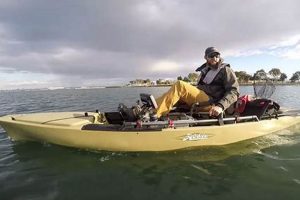
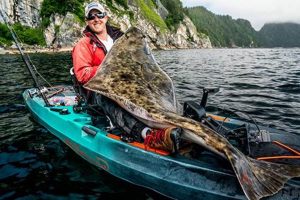
This activity involves angling from a small, human-powered vessel within the rich marine environment of Monterey Bay, California. It offers a unique blend of recreation and engagement with the natural world. Anglers utilize specialized kayaks equipped for stability and gear storage to pursue various fish species.
This method provides an intimate, close-to-the-water experience, allowing anglers to access shallow areas and navigate quietly through kelp forests, enhancing fishing success. Historically, small boats have played a crucial role in fishing practices within the bay, demonstrating a long-standing connection between humans and the ocean. The modern adaptation with specialized kayaks offers a sustainable and accessible way to continue this tradition while minimizing environmental impact.
The following sections will explore specific aspects of this topic, covering essential considerations such as necessary equipment, local regulations, common target species, ethical fishing practices, and potential safety concerns.
Tips for Kayak Fishing in Monterey Bay
Careful planning and preparation are essential for a successful and safe fishing excursion on Monterey Bay. The following tips offer valuable guidance for anglers.
Tip 1: Check Weather and Sea Conditions: Prior to launching, consult marine forecasts for wind speed, wave height, and swell direction. Postpone trips if conditions are unfavorable.
Tip 2: Dress Appropriately: Water temperatures can be significantly colder than air temperatures. Dress in layers of non-cotton clothing and consider wearing a wetsuit or drysuit.
Tip 3: File a Float Plan: Inform someone on shore of the intended fishing location, launch time, and expected return time. This crucial safety measure ensures assistance can be summoned if needed.
Tip 4: Carry Essential Safety Equipment: A personal flotation device (PFD), a whistle, a VHF radio, and a signaling device are mandatory. A first-aid kit, a bilge pump, and a paddle leash are also highly recommended.
Tip 5: Observe Local Regulations: Familiarize oneself with fishing license requirements, size and catch limits, and any area closures. Carry the necessary documentation and adhere to all regulations.
Tip 6: Practice Kayak Handling Skills: Develop proficiency in paddling, maneuvering, and self-rescue techniques in calm waters before venturing into the bay. Consider taking a kayaking safety course.
Tip 7: Respect Wildlife and the Environment: Maintain a safe distance from marine mammals and seabirds. Dispose of all trash properly and avoid disturbing sensitive habitats.
Tip 8: Pack Light and Secure Gear: Distribute weight evenly in the kayak to maintain stability. Secure all equipment to prevent loss in the event of a capsize.
Adherence to these guidelines will contribute significantly to a safe and rewarding experience on the water.
By following these preparatory steps and safety precautions, anglers can maximize their enjoyment and ensure a successful trip on Monterey Bay.
1. Kayak Selection

Appropriate kayak selection is fundamental to a successful and enjoyable fishing experience in Monterey Bay. The chosen vessel significantly influences stability, maneuverability, and the ability to transport essential gear. Careful consideration of various kayak types and features is crucial for optimizing performance and safety on the water.
- Hull Design:
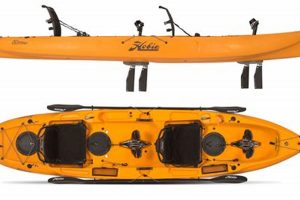
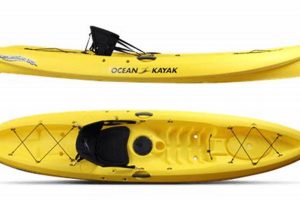
Hull design directly impacts stability and tracking in varying water conditions. Sit-on-top kayaks offer inherent stability and self-bailing capabilities, making them suitable for beginners and calmer waters. Sit-in kayaks provide better protection from the elements and enhanced paddling efficiency, often preferred by experienced anglers in more challenging conditions. A wider, flatter hull increases stability while a longer, narrower hull improves speed and tracking.
- Length and Weight Capacity:
Kayak length and weight capacity influence maneuverability and storage space. Longer kayaks track better in open water but are less agile in tight spaces, such as kelp forests. Weight capacity dictates the amount of gear and angler weight the kayak can safely support. Selecting a kayak with adequate capacity prevents instability and ensures efficient handling.
- Features and Accessories:
Specialized features enhance the fishing experience. Rod holders, storage compartments, and anchor trolleys contribute to organization and efficiency on the water. Paddle holders and comfortable seating improve comfort during long fishing trips. Adding features such as fish finders and GPS systems enhances navigational and fishing capabilities.
- Material and Durability:
Kayak construction materials influence durability and maintenance requirements. Polyethylene kayaks offer excellent impact resistance and affordability. Composite materials, such as fiberglass or carbon fiber, provide lighter weight and enhanced performance but require more careful handling. Considering the potential exposure to saltwater and UV radiation, choosing durable materials prolongs the kayak’s lifespan.
Matching kayak characteristics to individual needs and the specific conditions of Monterey Bay ensures a safe and productive fishing experience. The chosen kayak directly impacts the ability to navigate the bay’s diverse environments, from calm estuaries to open ocean waters, and ultimately contributes to angling success and overall enjoyment.
2. Safety Equipment

Prioritizing safety is paramount when kayak fishing in Monterey Bay. The dynamic marine environment, characterized by changing weather patterns, cold water temperatures, and diverse marine life, necessitates comprehensive safety precautions. Utilizing appropriate safety equipment significantly mitigates potential risks and ensures a secure and enjoyable experience.
- Personal Flotation Device (PFD):
A properly fitted PFD is the most crucial piece of safety equipment. It provides buoyancy and keeps the angler afloat in the event of a capsize or unexpected immersion in cold water. Selecting a PFD specifically designed for kayaking, with unrestricted arm movement, ensures comfort and mobility while fishing.
- Signaling Devices:
Carrying multiple signaling devices increases the likelihood of attracting attention in an emergency. A whistle, readily accessible and attached to the PFD, provides a simple and effective means of signaling distress. A VHF radio allows direct communication with the Coast Guard and other vessels. Flares or a strobe light provide visual signals, particularly useful in low-light conditions.
- Navigation and Communication:
A compass and nautical charts aid navigation, especially in foggy conditions or when exploring unfamiliar areas of the bay. A GPS device provides precise location information and assists in tracking routes and marking fishing spots. A fully charged mobile phone in a waterproof case provides an additional communication option, although cellular coverage may be limited in certain areas.
- Additional Safety Gear:
A bilge pump quickly removes water from the kayak in the event of flooding. A paddle leash prevents losing the paddle after a capsize. A first-aid kit addresses minor injuries. A knife, readily accessible, assists with cutting fishing lines or other entanglements. Carrying these items enhances preparedness and self-sufficiency on the water.
Careful consideration and proper utilization of safety equipment are essential for mitigating inherent risks associated with kayak fishing in Monterey Bay. Equipping oneself with the appropriate gear and understanding its function contributes significantly to a safe and successful fishing experience. By prioritizing safety, anglers can focus on enjoying the unique challenges and rewards of fishing in this dynamic environment.
3. Fishing Gear

Specialized fishing gear enhances angling success and enjoyment in the unique environment of Monterey Bay. Kayak fishing necessitates compact, efficient equipment tailored to the specific target species and the challenges of fishing from a small vessel. Appropriate gear selection considers factors such as the target species, fishing techniques employed, and the dynamic conditions of the bay.
- Rods and Reels:
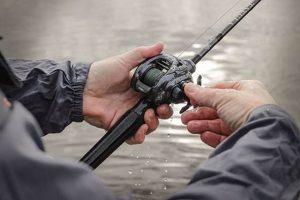
Shorter, lighter rods (6-7 feet) are ideal for kayak fishing, offering maneuverability within the confined space of the kayak. Spinning reels or baitcasting reels, spooled with appropriate line weight and type, match the target species and fishing techniques. For example, lighter lines are suitable for rockfish, while heavier lines are necessary for larger species like halibut. Rod and reel selection impacts casting distance, accuracy, and the ability to effectively fight and land fish from a kayak.
- Terminal Tackle:
Terminal tackle includes hooks, weights, swivels, and leaders, selected based on the target species and fishing method. Using circle hooks minimizes injury to released fish, promoting conservation. Weights ensure lures or bait reach the desired depth. Swivels prevent line twist, and leaders, made of fluorocarbon or steel, provide abrasion resistance and enhance stealth. Appropriate terminal tackle increases hook-up rates and minimizes lost gear.
- Lures and Bait:
Monterey Bay supports diverse fish species, each responding to different lures and bait. Artificial lures, such as jigs, plugs, and soft plastics, imitate the movement and appearance of prey fish. Live bait, like anchovies or sardines, attracts larger predators. Matching lure or bait selection to the target species increases fishing success. Carrying a variety of options allows anglers to adapt to changing conditions and fish behavior.
- Essential Accessories:
Essential accessories enhance organization and efficiency on the water. A tackle box or bag stores and organizes lures, hooks, and other small items. A landing net assists in safely landing fish. Pliers or multi-tools cut lines, remove hooks, and perform other essential tasks. A fish finder helps locate fish and identify underwater structures. These accessories streamline the fishing process and contribute to a more productive and enjoyable experience.
Careful selection and organization of fishing gear contribute significantly to a successful kayak fishing trip in Monterey Bay. Adapting gear choices to the specific conditions and target species maximizes fishing opportunities and enhances the overall experience. By optimizing their gear, anglers can effectively target a variety of species and enjoy the diverse fishing opportunities this unique environment offers.
4. Target Species

The diverse marine ecosystem of Monterey Bay supports a rich variety of fish species, making it a prime location for kayak anglers. Understanding the specific target species inhabiting the bay is crucial for effective fishing strategies and contributes to a more rewarding experience. Target species selection influences gear choices, fishing locations, and techniques employed. The connection between target species and kayak fishing within Monterey Bay rests on matching angling practices to the behavior and habitat preferences of the desired fish.
Rockfish, including various species like black rockfish, blue rockfish, and olive rockfish, represent a popular target for kayak anglers. These fish inhabit rocky reefs and kelp forests, accessible to kayaks due to their maneuverability in shallow waters. Anglers often employ bottom fishing techniques with live bait or jigs to target rockfish. Halibut, another prized game fish, prefer sandy bottom areas. Drift fishing with live bait or lures proves effective for halibut. Lingcod, often found near reefs and wrecks, respond well to heavier jigs and live bait. California halibut, another flatfish species, offers a challenging target in sandy areas near kelp beds. These examples highlight the importance of understanding species-specific habitat preferences for successful kayak fishing in Monterey Bay.
Knowledge of target species’ feeding habits, preferred depths, and seasonal movements further refines fishing strategies. Matching fishing techniques and bait or lure selection to the specific target species maximizes angling success. Understanding these nuances enables anglers to effectively target their desired species, promoting ethical fishing practices and a deeper appreciation for the bay’s ecological diversity. This knowledge also contributes to conservation efforts by reducing bycatch and minimizing the impact on non-target species. Ultimately, the connection between target species and kayak fishing in Monterey Bay hinges on informed decision-making, leading to a more rewarding and sustainable angling experience.
5. Local Regulations

Adherence to local regulations is essential for responsible and sustainable kayak fishing in Monterey Bay. These regulations aim to conserve fish populations, protect sensitive habitats, and ensure the safety of all bay users. Understanding and complying with these rules contributes to the long-term health of the bay’s ecosystem and allows for continued enjoyment of this valuable resource.
- Fishing Licenses and Permits:
A valid California fishing license is required for anyone 16 years of age or older engaging in recreational fishing. Specific permits may be required for certain species or fishing methods. Carrying the necessary documentation ensures compliance and avoids penalties. Information on licensing requirements and permit applications is available through the California Department of Fish and Wildlife.
- Size and Catch Limits:
Regulations dictate the minimum and maximum size limits for various fish species, as well as the daily bag and possession limits. These restrictions help maintain healthy fish populations by protecting juveniles and breeding adults. Adhering to these limits prevents overfishing and ensures the sustainability of the bay’s fisheries. Specific size and catch limits for different species are outlined in the California sport fishing regulations.
- Seasonal Closures and Restricted Areas:
Certain areas within Monterey Bay may be subject to seasonal closures or restrictions to protect sensitive habitats or spawning grounds. These closures play a vital role in the lifecycle of various species and contribute to the overall health of the ecosystem. Respecting these closures ensures minimal disturbance to vulnerable marine life. Information on current closures and restricted areas is available through the California Department of Fish and Wildlife.
- Equipment Restrictions:
Regulations may restrict specific fishing gear or methods in certain areas. For instance, certain types of nets or traps may be prohibited. These restrictions aim to minimize bycatch, the unintentional capture of non-target species. Understanding and following these regulations contributes to responsible fishing practices and minimizes environmental impact. Information on equipment restrictions is available through the California Department of Fish and Wildlife.
Compliance with these regulations fosters a sustainable and ethical approach to kayak fishing in Monterey Bay. By understanding and adhering to these rules, anglers contribute to the preservation of the bay’s resources, ensuring future generations can continue to enjoy this unique and valuable environment. Responsible fishing practices, guided by local regulations, are crucial for maintaining the health and biodiversity of Monterey Bay’s marine ecosystem.
6. Launch Points
Launch point selection significantly influences kayak fishing success and safety in Monterey Bay. Appropriate launch sites facilitate efficient access to desirable fishing grounds while minimizing exposure to potentially hazardous conditions. Factors such as tides, currents, prevailing winds, and proximity to target species habitats should inform launch point decisions. Choosing a suitable location simplifies kayak deployment and retrieval, maximizing fishing time and enhancing overall safety.
Several public access points facilitate kayak launching within Monterey Bay. Monterey Harbor offers convenient access to protected waters and nearby kelp forests, suitable for targeting rockfish and other near-shore species. The calmer waters within Elkhorn Slough provide an ideal environment for less experienced kayakers, with opportunities to fish for halibut and other species inhabiting the estuary. Further south, launch sites near Moss Landing offer access to deeper waters and potentially larger game fish. Evaluating launch point options based on prevailing conditions and target species optimizes fishing potential. For instance, launching near a kelp forest during an incoming tide allows anglers to drift through productive fishing grounds with minimal paddling effort. Conversely, launching in a protected cove during strong winds minimizes exposure to potentially dangerous conditions.
Careful consideration of launch point characteristics is integral to a successful and safe kayak fishing experience in Monterey Bay. Matching launch site selection to prevailing conditions, target species, and angler experience maximizes fishing opportunities while mitigating potential risks. Understanding the influence of tides, currents, and proximity to fishing grounds enables informed decision-making, contributing to a more productive and enjoyable outing. Failure to select an appropriate launch point may result in challenging paddling conditions, limited access to desired fishing areas, and potential safety hazards. Proper planning and selection of a suitable launch site are therefore crucial components of successful kayak fishing in Monterey Bay.
7. Environmental Awareness

Environmental awareness plays a crucial role in ensuring the sustainability and continued enjoyment of kayak fishing in Monterey Bay. The bay’s delicate ecosystem, teeming with diverse marine life and sensitive habitats, requires mindful interaction from all users, particularly anglers. Understanding the potential impacts of fishing activities on the environment and adopting responsible practices are essential for preserving the bay’s health and biodiversity.
Kayak fishing, by its nature, offers a relatively low-impact approach to angling. However, certain practices can still negatively affect the environment if not conducted responsibly. Discarded fishing line poses a significant threat to marine wildlife, causing entanglement and ingestion. Improper disposal of hooks, weights, and other tackle can pollute the water and harm marine organisms. Disturbing sensitive habitats, such as kelp forests or seagrass beds, can disrupt the delicate balance of the ecosystem. For example, anchoring directly on kelp forests can damage these vital habitats, which provide shelter and food for numerous species. Similarly, disturbing nesting seabirds can negatively impact their breeding success. By understanding these potential impacts, kayak anglers can adopt practices that minimize their environmental footprint. Using biodegradable fishing line, properly disposing of all trash and fishing gear, and avoiding sensitive habitats are essential steps towards responsible kayak fishing. Practicing catch and release fishing, using circle hooks to reduce injury to released fish, and adhering to size and catch limits further contribute to conservation efforts.
The long-term viability of kayak fishing in Monterey Bay depends on the collective commitment of anglers to environmental stewardship. Minimizing environmental impact through responsible fishing practices ensures the bay’s resources remain healthy and productive for future generations. Environmental awareness is not merely an abstract concept but a practical necessity for the continued enjoyment of this unique and valuable resource. The interconnectedness of the bay’s ecosystem necessitates a proactive approach to conservation, recognizing that even seemingly small actions can have significant cumulative effects. By prioritizing environmental awareness, kayak anglers can contribute to the long-term health and sustainability of Monterey Bay and ensure future generations have the opportunity to experience the rewards of fishing in this exceptional environment.
Frequently Asked Questions
This section addresses common inquiries regarding kayak fishing in Monterey Bay, providing concise and informative responses to facilitate informed decision-making and enhance the overall experience.
Question 1: What are the typical costs associated with kayak fishing in Monterey Bay?
Costs vary depending on kayak rental or ownership, fishing gear, licenses, and transportation. Renting a kayak typically ranges from $50 to $100 per day. Purchasing a new fishing kayak can range from $500 to over $2000. Fishing licenses, gear, bait, and transportation contribute additional expenses.
Question 2: Are there guided kayak fishing tours available in Monterey Bay?
Several reputable outfitters offer guided kayak fishing tours in Monterey Bay. Guided tours provide expert instruction, local knowledge, and access to productive fishing areas. Costs typically range from $150 to $300 per person, depending on tour duration and inclusions.
Question 3: What are the primary safety concerns specific to kayak fishing in Monterey Bay?
Cold water temperatures, changing weather conditions, and potential encounters with marine life present inherent risks. Wearing a personal flotation device (PFD), carrying appropriate safety equipment, and checking weather forecasts before embarking are crucial safety measures.
Question 4: What are the most common fish species targeted by kayak anglers in Monterey Bay?
Rockfish, halibut, lingcod, and California halibut are among the most frequently targeted species. Species availability varies seasonally, influencing fishing strategies and gear selection.
Question 5: Where can one find information on current fishing regulations and license requirements?
The California Department of Fish and Wildlife (CDFW) website provides comprehensive information on current fishing regulations, license requirements, and area closures. Consulting the CDFW website before fishing ensures compliance and promotes responsible angling practices.
Question 6: What is the best time of year for kayak fishing in Monterey Bay?
Fishing conditions vary seasonally, influencing target species availability and overall fishing success. Spring through fall generally offers favorable conditions, with calmer seas and warmer water temperatures. Specific target species may exhibit peak activity during certain months, impacting optimal fishing times.
Careful consideration of these frequently asked questions enhances preparedness, promotes safety, and contributes to a more rewarding kayak fishing experience in Monterey Bay.
For further information or specific inquiries, consulting local outfitters or the California Department of Fish and Wildlife is recommended.
Conclusion
This exploration has highlighted the multifaceted nature of this activity, encompassing equipment selection, safety considerations, fishing techniques, target species, local regulations, and environmental stewardship. Each element contributes significantly to a successful and responsible angling experience within the unique marine environment of Monterey Bay.
The convergence of preparation, knowledge, and respect for the environment fosters a rewarding and sustainable approach to this pursuit. Continued emphasis on ethical practices and adherence to regulations will ensure the preservation of this valuable resource for future generations of anglers.