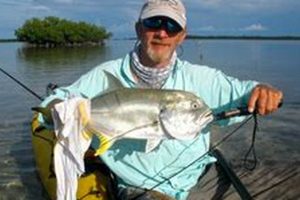
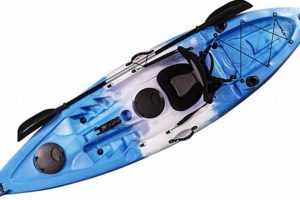
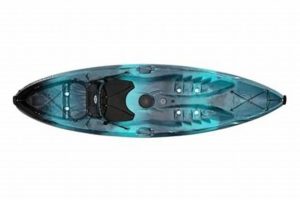
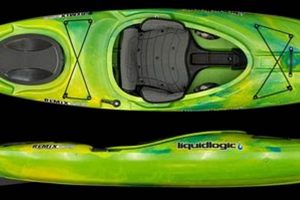
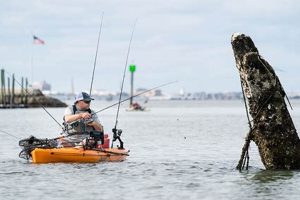
Stand-up paddleboarding (SUP) and kayaking offer distinct approaches to angling. SUP fishing involves standing on a large, buoyant board and casting lines while maintaining balance. Kayak fishing, conversely, utilizes a small, seated vessel propelled by a double-bladed paddle. Each method presents unique advantages and disadvantages regarding stability, mobility, gear storage, and angler experience.
The rising popularity of both activities stems from the enhanced access they provide to shallow waters and diverse fishing environments often inaccessible by larger boats. This closer connection to the water offers a unique angling perspective and often leads to exciting fishing opportunities. Choosing the right platform hinges on individual preferences, fishing style, and target species. Factors such as the angler’s physical condition, desired fishing location (calm lakes vs. flowing rivers), and the need for carrying capacity influence this decision significantly.
This exploration will delve into the specific characteristics of each approach, comparing stability and maneuverability, equipment considerations, fishing techniques suited to each platform, and species-specific advantages. Ultimately, the goal is to provide a thorough understanding of each option, enabling anglers to make informed choices aligned with their individual needs and fishing goals.
Tips for Choosing Between a Paddle Board and Kayak for Fishing
Selecting between a paddle board and a kayak for fishing requires careful consideration of various factors. The following tips offer guidance for making an informed decision based on individual needs and preferences.
Tip 1: Evaluate Physical Condition and Balance: Anglers with excellent balance and core strength might prefer the freedom and maneuverability of a paddle board. Kayaks offer greater stability for those less confident in their balance or seeking a more relaxed experience. Consider physical limitations and comfort levels for extended periods on the water.
Tip 2: Consider the Fishing Environment: Calm lakes and slow-moving rivers are generally suitable for both paddle boards and kayaks. However, kayaks provide greater stability and control in choppy waters or stronger currents. Paddle boards offer superior access to shallow, vegetated areas.
Tip 3: Assess Gear Storage Needs: Kayaks typically offer more storage space for tackle, coolers, and other fishing gear. Paddle boards often necessitate minimalist packing and specialized gear attachments. Evaluate the amount of equipment typically carried on fishing trips.
Tip 4: Analyze Target Fish Species: The target species can influence platform choice. Paddle boards offer a sight-fishing advantage for species like bonefish and redfish in shallow flats. Kayaks might be preferable for larger species or fishing in deeper water requiring downriggers or other specialized equipment.
Tip 5: Consider Transportation and Storage: Kayaks can be bulkier and require roof racks or trailers for transport. Inflatable paddle boards offer greater portability and easier storage. Factor in transportation limitations and available storage space.
Tip 6: Prioritize Comfort and Stability: Extended fishing trips require comfort. Kayaks offer back support and a seated position. Paddle boards require standing for extended durations. Consider individual comfort preferences and physical capabilities.
Careful consideration of these factors will lead to a more informed decision, resulting in a more enjoyable and productive fishing experience. The optimal platform maximizes angler comfort, effectively addresses the demands of the chosen fishing environment, and aligns with individual fishing styles and target species.
Ultimately, the best approach involves trying both paddle board and kayak fishing if possible, to gain firsthand experience and make a personalized assessment.
1. Stability

Stability plays a crucial role in angling success and overall safety on the water, particularly in the context of paddle board versus kayak fishing. A stable platform allows anglers to cast lines, fight fish, and manage gear effectively, minimizing the risk of capsizing. Choosing between a paddle board and a kayak requires careful consideration of stability factors influencing fishing experience and safety.
- Center of Gravity
A lower center of gravity inherently enhances stability. Kayaks, with the angler seated closer to the waterline, possess a lower center of gravity compared to stand-up paddleboards. This lower position contributes significantly to increased stability, particularly in challenging conditions such as wind or choppy water. The higher center of gravity on a paddle board requires more core strength and balance, making it potentially less stable, especially for beginners.
- Hull Design
Hull design directly impacts stability. Wider kayak hulls generally offer greater initial stability, resisting tipping. Paddle boards, while typically wider than kayaks, are also thinner, providing less resistance to rolling motion. Specialized hull designs in both kayaks and paddle boards, such as pontoon-style hulls or wider SUPs designed for fishing, can enhance stability. Understanding the relationship between hull design and stability is crucial for choosing the appropriate vessel for specific fishing environments.
- Water Conditions
Calm, flat water presents fewer stability challenges for either platform. However, in wind, currents, or choppy conditions, the inherent stability advantages of a kayak become more pronounced. Paddle boards, while maneuverable, require significantly more effort to maintain balance in rough water. Anglers should carefully assess anticipated water conditions when choosing between a paddle board and a kayak for fishing.
- Angler Experience and Skill
An angler’s experience and comfort level on the water influence perceived stability. Experienced paddle boarders with strong core balance may find SUP fishing quite stable in moderate conditions. However, novice anglers or those less confident in their balance might find kayaks significantly more stable and easier to manage, particularly when learning to fish from a watercraft.
The stability differences between paddle boards and kayaks significantly impact fishing effectiveness and safety. While kayaks generally offer greater inherent stability due to their lower center of gravity and hull design, skilled anglers can successfully fish from paddle boards, particularly in calm conditions. Ultimately, selecting the appropriate platform requires careful consideration of individual skill level, anticipated water conditions, and desired fishing style. Choosing a stable platform enhances angling success by allowing anglers to focus on fishing rather than maintaining balance.
2. Maneuverability

Maneuverability represents a critical differentiator between paddle boards and kayaks for fishing. It dictates how easily and efficiently an angler can navigate various water environments and position themselves for optimal casting. Understanding the nuances of maneuverability for each vessel type is essential for informed decision-making.
Paddle boards, propelled by a single long paddle, offer exceptional maneuverability in shallow water and tight spaces. Their shallow draft allows access to areas often inaccessible to kayaks, providing an advantage when pursuing species inhabiting shallow flats or navigating through dense vegetation. The standing position on a paddle board also offers a broader viewing angle, aiding in spotting fish and navigating complex waterways. However, this maneuverability comes at the cost of reduced tracking and susceptibility to wind drift. Kayaks, with their double-bladed paddles and deeper drafts, excel in tracking and maintaining course, especially in windy or current-prone environments. Turning a kayak requires more effort and space compared to a paddle board, potentially limiting access to very shallow or confined areas. Specific kayak hull designs, such as shorter, wider hulls, can enhance maneuverability, though often at the expense of tracking performance. Choosing between the nimble maneuverability of a paddle board and the directional stability of a kayak depends on the specific fishing environment and target species.
Ultimately, the optimal choice depends on the specific fishing environment and angler priorities. Navigating tight mangrove tunnels or shallow flats favors the agility of a paddle board. Covering longer distances in open water or contending with currents and wind benefits from the tracking capabilities of a kayak. Recognizing these distinct maneuverability characteristics allows anglers to select the platform best suited to their individual fishing styles and target locations. This understanding enhances fishing efficiency by enabling strategic positioning and maximizing access to productive fishing zones.
3. Storage Capacity

Storage capacity represents a critical consideration when choosing between a paddle board and a kayak for fishing. The ability to transport essential gear, including tackle boxes, rods, safety equipment, and potentially even fish or game, directly impacts fishing effectiveness and overall trip enjoyment. Understanding the storage limitations and opportunities of each vessel type is crucial for informed decision-making.
- Integrated Storage Compartments
Kayaks often feature built-in storage compartments, including hatches, tank wells, and dedicated rod holders. These compartments offer secure and organized storage for fishing gear, protecting items from water and allowing for efficient access. Paddle boards typically lack integrated storage, requiring the use of external gear attachment systems. While some fishing-specific paddle boards offer integrated cooler tie-downs or small storage areas, their capacity remains significantly less than that of most kayaks.
- Deck Space and Gear Attachment Systems
Kayak decks provide ample space for mounting rod holders, fish finders, and other accessories, enhancing fishing functionality. Paddle board decks, while generally wider, necessitate careful gear placement to maintain balance and avoid interference with paddling. Utilizing dry bags, bungee cords, and specialized paddle board fishing accessories maximizes gear storage on SUPs, albeit with more limited capacity compared to kayaks.
- Carrying Capacity and Weight Limitations
Kayaks generally possess higher weight capacities than paddle boards, allowing for more gear and potentially larger catches. Exceeding the recommended weight capacity of either vessel compromises stability and performance. Anglers must consider the combined weight of their body, gear, and potential catch when evaluating storage capacity and platform suitability.
- Impact on Maneuverability and Stability
Excessive gear on either a paddle board or kayak negatively impacts maneuverability and stability. Overloaded kayaks become sluggish and difficult to turn, while overloaded paddle boards become unstable and prone to tipping. Balancing storage needs with performance considerations is crucial for a safe and enjoyable fishing experience.
The differing storage capacities of paddle boards and kayaks directly influence fishing practices and overall trip logistics. Kayaks, with their integrated compartments and higher weight capacities, accommodate more gear and larger catches. Paddle boards, prioritizing portability and maneuverability, necessitate a minimalist approach to gear selection and storage. Understanding these storage dynamics empowers anglers to choose the platform best suited to their individual fishing styles and target species, optimizing both efficiency and enjoyment on the water.
4. Accessibility
Accessibility, in the context of paddle board versus kayak fishing, encompasses the ease with which diverse fishing locations can be reached and explored. This includes considerations of launch points, portability, and the ability to navigate varying water conditions and depths. Choosing between a paddle board and a kayak often hinges on accessibility factors specific to target fishing environments.
- Launch Site Variety
Paddle boards offer greater flexibility regarding launch sites. Their lightweight and portable nature allows launching from virtually any shoreline, including those with limited access or shallow entry points. Kayaks, often heavier and bulkier, may require more developed launch sites or specialized equipment like trailers or roof racks for transport. This difference in launch site accessibility significantly impacts the range of fishable waters for each vessel type.
- Shallow Water Navigation
Paddle boards excel in shallow water navigation. Their minimal draft allows access to extremely shallow areas, including flats, creeks, and backwater channels often inaccessible to kayaks. This advantage provides access to prime fishing grounds for species inhabiting these shallow environments. Kayaks, with their deeper drafts, face limitations in extremely shallow water, restricting access to certain fishing zones.
- Portability and Transportation
Inflatable paddle boards offer superior portability, deflating to a compact size for easy transport and storage. This portability expands fishing opportunities in remote locations or areas with limited vehicle access. Hard paddle boards and kayaks generally require roof racks or trailers for transport, potentially limiting accessibility depending on vehicle availability and storage capacity.
- Navigating Obstacles
Paddle boards, with their maneuverability and shallow draft, navigate obstacles like submerged logs or dense vegetation more easily than kayaks. This agility expands fishing opportunities in complex environments where kayaks may encounter limitations. However, kayaks offer greater stability when navigating currents or choppy water, potentially providing safer passage through challenging open-water conditions.
The accessibility afforded by paddle boards and kayaks directly impacts the range of fishing opportunities available to anglers. Paddle boards prioritize shallow water access and portability, while kayaks offer greater stability in challenging conditions and increased storage capacity. Considering these accessibility factors, alongside individual fishing preferences and target species, enables informed decisions, maximizing fishing potential and overall enjoyment on the water.
5. Cost
Cost represents a significant factor influencing the decision between paddle board and kayak fishing. Budget considerations extend beyond the initial purchase price to encompass accessories, safety gear, and potential maintenance or repair expenses. Understanding the cost landscape for each option is crucial for making informed choices aligned with individual financial constraints and fishing goals.
- Initial Purchase Price
Entry-level paddle boards and kayaks can be relatively affordable, while high-end models with advanced features command significantly higher prices. Inflatable paddle boards generally offer a lower initial cost compared to hard boards or comparable kayaks. Material, construction quality, and brand reputation contribute to price variations within both categories.
- Essential Accessories
Both paddle board and kayak fishing necessitate specific accessories, impacting overall cost. Paddle boards require a paddle, leash, personal flotation device (PFD), and potentially specialized fishing gear mounts. Kayaks often require paddles, PFDs, rod holders, and potentially anchors or other specialized equipment depending on the fishing style. Factoring in these accessory costs provides a more realistic assessment of overall investment.
- Maintenance and Repairs
Hard paddle boards and kayaks are susceptible to damage requiring repairs, potentially adding to long-term costs. Inflatable paddle boards, while generally more resistant to impact damage, can still puncture or require fin replacements. Regular maintenance, including cleaning and proper storage, minimizes repair needs and extends the lifespan of both paddle boards and kayaks.
- Transportation and Storage
Transporting and storing kayaks often involves additional costs, such as roof racks, trailers, or storage fees. Inflatable paddle boards, due to their portability, generally require less specialized transport or storage solutions, potentially reducing associated costs.
The overall cost of paddle board versus kayak fishing varies significantly depending on individual choices and needs. While initial purchase prices offer a starting point, considering accessory costs, potential maintenance expenses, and transportation/storage requirements provides a more comprehensive financial picture. Evaluating these cost factors alongside performance characteristics and fishing preferences enables anglers to make informed decisions that align with both their budgetary constraints and their pursuit of angling enjoyment.
Frequently Asked Questions
This section addresses common inquiries regarding paddle board and kayak fishing, offering concise and informative responses to aid decision-making.
Question 1: Which option offers greater stability, a paddle board or a kayak?
Kayaks generally provide greater stability due to their lower center of gravity and wider hull designs. This makes them suitable for less experienced anglers or those fishing in rougher conditions.
Question 2: Which is more maneuverable in tight spaces and shallow water?
Paddle boards excel in maneuverability within confined areas and shallows due to their shallower draft and responsiveness to paddle strokes. This allows access to areas often unreachable by kayak.
Question 3: Which option offers more storage capacity for fishing gear?
Kayaks typically offer significantly more storage space, with dedicated compartments and deck space for mounting gear. Paddle boards require a more minimalist approach to gear storage.
Question 4: Which is easier to transport and store?
Inflatable paddle boards offer superior portability and ease of storage compared to both hard paddle boards and kayaks, deflating to a compact size easily transportable in most vehicles.
Question 5: Which is better suited for beginners?
Kayaks often provide a more stable and comfortable starting point for beginners due to their inherent stability and seated position. Paddle boards require greater balance and core strength.
Question 6: Which is more cost-effective?
Cost varies significantly within both categories depending on features and materials. Generally, inflatable paddle boards offer a lower entry point compared to kayaks, while high-end models in either category can be substantial investments. Overall cost also depends on necessary accessories and potential maintenance expenses.
Careful consideration of these frequently asked questions, alongside individual fishing preferences and target environments, enables informed choices leading to enhanced angling experiences. No single option universally surpasses the other; the optimal choice depends on specific needs and priorities.
For further exploration, detailed comparisons of specific paddle board and kayak models, along with expert reviews and angler testimonials, offer valuable insights for informed purchasing decisions.
Paddle Board vs Kayak Fishing
The choice between paddle board and kayak fishing hinges on a nuanced understanding of individual needs and fishing preferences. This exploration has highlighted key differentiators, including stability, maneuverability, storage capacity, accessibility, and cost. Kayaks offer enhanced stability and storage, proving advantageous in challenging conditions and for anglers prioritizing gear capacity. Paddle boards excel in maneuverability and shallow-water access, benefiting anglers targeting specific species or navigating confined waterways. Cost considerations vary widely within both categories, influenced by material, features, and brand reputation.
Ultimately, selecting the optimal fishing platform requires careful evaluation of these factors in relation to individual fishing styles, target species, and budgetary constraints. Direct experience with both paddle board and kayak fishing provides invaluable insights for personalized decision-making. Continued advancements in design and technology within both domains promise further enhancements to angling experiences, offering exciting prospects for the future of paddle board and kayak fishing.