Adaptive paddling sports, such as angling from specialized kayaks, offer a unique avenue for former military personnel to reconnect with nature and experience the therapeutic benefits of outdoor recreation. This activity allows individuals to enjoy the tranquility of waterways while engaging in a challenging and rewarding pursuit.
Participation in such activities can contribute to both physical and mental well-being. The physical demands of paddling and fishing provide low-impact exercise, promoting strength and cardiovascular health. Simultaneously, the serene environment and focus required can alleviate stress, improve mental clarity, and foster a sense of camaraderie among participants. These opportunities are particularly valuable for those transitioning back to civilian life, offering a healthy outlet and a supportive community. The growing popularity of adaptive watersports reflects increasing awareness of the unique challenges faced by former service members and the potential of these activities to facilitate healing and reintegration.
This article will explore the various aspects of adapted kayaking for former military service members, including equipment modifications, specialized instruction programs, accessible locations, and the growing network of organizations dedicated to supporting this beneficial activity.
Tips for Adapted Kayak Angling
Careful planning and preparation are essential for a safe and enjoyable experience on the water. The following tips offer guidance for individuals adapting kayaks for fishing.
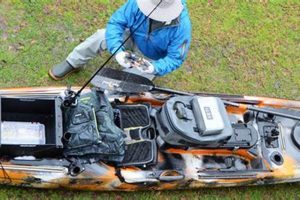
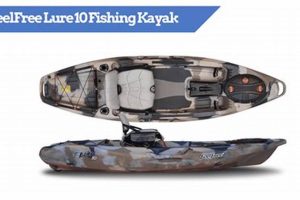
Tip 1: Choose the Right Kayak: Sit-on-top kayaks are generally recommended for stability and ease of entry and exit. Consider models specifically designed for fishing, which often feature built-in rod holders and other convenient accessories. Wider kayaks provide increased stability, while longer kayaks track better in open water. Individual physical needs and intended fishing locations should influence kayak selection.
Tip 2: Adapt for Accessibility: Modifications may be necessary to accommodate individual needs. These could include outriggers for added stability, specialized seating systems for comfort and support, and adaptive paddle grips for easier handling. Consult with adaptive sports specialists to determine the most suitable modifications.
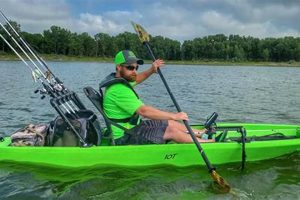
Tip 3: Prioritize Safety: Always wear a personal flotation device (PFD) and carry essential safety equipment, including a whistle, signaling mirror, and first-aid kit. Check weather conditions before heading out and inform someone of your planned location and return time. Be aware of potential hazards such as boat traffic, changing tides, and submerged obstacles.
Tip 4: Learn Basic Kayak Handling: Practice basic paddling techniques, including forward and reverse strokes, turning, and bracing, in a calm and controlled environment before venturing into open water. Consider taking lessons from a certified instructor with experience in adaptive paddling techniques.
Tip 5: Use Appropriate Fishing Gear: Opt for shorter fishing rods and reels designed for kayak fishing. Use tackle appropriate for the target species and the fishing location. Secure all fishing gear properly to prevent loss or entanglement.
Tip 6: Respect the Environment: Practice Leave No Trace principles. Pack out all trash and fishing line. Avoid disturbing wildlife and sensitive habitats. Be mindful of local fishing regulations.
Tip 7: Connect with a Community: Joining a local paddling club or online forum can provide valuable information, support, and camaraderie. Sharing experiences and learning from others can enhance the overall experience.
By following these guidelines, individuals can maximize safety, enjoyment, and therapeutic benefits while engaging in this rewarding outdoor activity.
This information serves as a foundation for a more detailed exploration of the benefits and resources available for adapted kayak angling.
1. Therapeutic Recreation

Therapeutic recreation plays a vital role in the overall well-being of veterans, and kayak fishing offers a unique avenue for achieving these benefits. The inherent qualities of the activity align with core principles of therapeutic recreation, creating a powerful synergy. The gentle, rhythmic motion of paddling can be meditative, promoting relaxation and reducing stress. The focus required for fishing encourages mindfulness, shifting attention away from anxieties and towards the present moment. Furthermore, the natural environment provides a sense of tranquility and escape, fostering a connection with the outdoors that can be profoundly restorative.
The potential therapeutic benefits extend beyond the individual level. Shared experiences in a supportive environment can foster camaraderie and reduce feelings of isolation. Organized kayak fishing trips for veterans create opportunities for peer interaction, facilitating social reintegration and the development of support networks. This shared activity provides common ground, encouraging communication and mutual understanding among participants. For example, veterans who have experienced similar challenges may find solace and connection through shared stories and mutual support while on the water. The combination of physical activity, mental engagement, and social interaction contributes to a holistic approach to well-being.
Integrating kayak fishing into therapeutic recreation programs for veterans offers substantial benefits. The accessibility of the activity, adaptability of equipment, and the inherent therapeutic qualities of being on the water create a powerful tool for supporting veterans’ physical and mental health. Understanding the connection between therapeutic recreation and kayak fishing allows for the development of targeted programs that address specific needs and maximize positive outcomes. While challenges such as access to appropriate equipment and trained instructors may exist, the potential positive impact underscores the importance of continued development and support for such initiatives. Further research into the specific benefits of kayak fishing for veterans can inform best practices and strengthen the integration of this activity into therapeutic recreation programs.
2. Physical Rehabilitation

Kayak fishing offers significant potential as a complementary activity within physical rehabilitation programs for veterans. The low-impact nature of paddling engages multiple muscle groups, promoting strength and endurance development without placing excessive stress on joints. This can be particularly beneficial for individuals recovering from musculoskeletal injuries, promoting flexibility, range of motion, and cardiovascular health. The adjustable nature of kayak equipment allows for customization based on individual physical limitations and progressive adaptation as strength and mobility improve. For example, adaptive paddles and specialized seating systems can accommodate various levels of functional capacity, allowing participation at different stages of recovery. Furthermore, the balance and coordination required for paddling can enhance proprioception and stability, contributing to functional improvements in daily life.
The inherent challenges of kayak fishing provide opportunities for graded exercise and goal-oriented activity. Navigating varying water conditions and maneuvering the kayak can enhance core strength and overall body control. The act of casting and reeling in fish further engages upper body muscles, promoting strength and endurance gains. Setting personal goals, such as paddling a certain distance or catching a specific type of fish, can provide motivation and a sense of accomplishment, contributing to psychological well-being alongside physical progress. The social aspect of group kayak fishing trips can further enhance motivation and adherence to rehabilitation programs, fostering a sense of community and shared purpose. For instance, participating in a fishing tournament designed for veterans can provide a challenging yet achievable goal, fostering teamwork and friendly competition while supporting physical rehabilitation.
Integrating kayak fishing into physical rehabilitation programs necessitates careful consideration of individual needs and limitations. Collaboration between healthcare professionals, adaptive sports specialists, and experienced kayaking instructors is crucial for developing safe and effective exercise programs. Proper assessment, individualized adaptation of equipment, and progressive increases in activity levels are essential for optimizing outcomes and minimizing risks. While kayak fishing holds significant promise as a complementary rehabilitation modality, further research is needed to fully understand its efficacy and develop evidence-based guidelines for implementation. Continued exploration of the potential benefits, combined with a focus on safety and accessibility, can further enhance the role of kayak fishing in supporting veterans’ physical recovery and overall well-being.
3. Community Building

Community building plays a crucial role in supporting veterans transitioning back to civilian life, and kayak fishing provides a unique platform for fostering these connections. Shared experiences in the outdoors can create a sense of belonging and camaraderie, mitigating feelings of isolation and facilitating social reintegration. The activity itself provides common ground, encouraging interaction and mutual support among participants.
- Shared Experience and Camaraderie
The shared experience of kayak fishing creates a natural bond among participants. Facing challenges together, celebrating successes, and sharing stories on the water fosters camaraderie and mutual respect. This shared activity provides a foundation for building deeper connections and developing lasting friendships. For example, veterans who have experienced similar challenges during their service may find comfort and understanding in sharing their stories with others in a supportive environment. The shared activity of kayak fishing provides a natural context for these interactions.
- Peer Support and Mentorship
Kayak fishing groups can provide valuable peer support and mentorship opportunities. More experienced veterans can offer guidance and support to those new to the activity or those struggling with the transition to civilian life. This mentorship can extend beyond the water, providing a network of support for navigating challenges and celebrating achievements. For instance, a veteran skilled in kayak fishing can teach another veteran how to adapt their equipment or improve their paddling technique, creating a bond based on shared knowledge and experience.
- Social Reintegration and Reduced Isolation
For veterans experiencing social isolation or difficulty reintegrating into civilian communities, kayak fishing groups can offer a welcoming and inclusive environment. The shared activity provides a natural focus for interaction, reducing social anxiety and facilitating connections. Regular participation in group outings can build a sense of belonging and provide a framework for social interaction. For example, a veteran who feels isolated after returning from service may find a sense of community and belonging through regular participation in kayak fishing outings, fostering connections with others who understand their experiences.
- Skill Development and Empowerment
Learning new skills and mastering the challenges of kayak fishing can contribute to a sense of empowerment and self-efficacy. Sharing knowledge and teaching others reinforces these skills while fostering a sense of purpose and contribution within the group. This dynamic strengthens the community by creating opportunities for both giving and receiving support. For instance, a veteran who learns how to navigate a kayak in challenging conditions can then share that knowledge with others, building confidence and empowering both the mentor and the mentee.
These facets of community building contribute significantly to the positive impact of kayak fishing on veterans’ well-being. The social connections forged through shared experience, peer support, and skill development create a supportive network that facilitates healing, reintegration, and a renewed sense of purpose. The sense of community fostered through kayak fishing extends beyond the water, providing a valuable resource for veterans navigating the challenges and opportunities of civilian life.
4. Accessible Equipment

Specialized equipment plays a crucial role in enabling veterans to participate in kayak fishing, regardless of physical limitations. Adaptive modifications transform this recreational activity into an inclusive and accessible pursuit, promoting physical and mental well-being for a wider range of individuals. The availability of such equipment directly impacts participation rates and the overall effectiveness of therapeutic kayaking programs. For example, customized seating systems with enhanced back support and adjustable positioning can accommodate veterans with mobility impairments, ensuring comfort and stability on the water. Similarly, adaptive paddles with modified grips or extended handles address limitations in upper body strength or range of motion, allowing individuals to effectively propel and control the kayak.
The impact of accessible equipment extends beyond mere physical accessibility. It fosters a sense of empowerment and independence, enabling veterans to actively engage in a challenging and rewarding activity. The ability to independently navigate waterways and participate alongside others contributes to increased self-esteem and social integration. Consider a veteran with a lower limb amputation utilizing a kayak with a specialized transfer seat and hand-controlled steering system. This adaptation allows independent access and control, fostering a sense of self-reliance and accomplishment. Furthermore, accessible equipment contributes to a more inclusive environment, fostering camaraderie and mutual support among participants with varying abilities.
While the availability of accessible equipment is paramount, ensuring proper training and instruction is equally critical. Veterans must receive comprehensive instruction on the safe and effective use of adapted kayaks and related gear. This includes training on proper launching and landing techniques, navigation skills, and emergency procedures. Skilled instructors familiar with adaptive paddling techniques can provide personalized guidance, maximizing safety and enjoyment on the water. Furthermore, ongoing maintenance and repair of adaptive equipment are essential for ensuring long-term accessibility and safety. Addressing these practical considerations reinforces the commitment to inclusive participation and maximizes the therapeutic benefits of kayak fishing for all veterans.
5. Skill Development

Skill development forms an integral component of veterans kayak fishing, contributing significantly to both the practical application and therapeutic benefits of the activity. Acquiring and refining specific skills empowers veterans, fosters self-efficacy, and enhances the overall experience. These skills extend beyond the basic mechanics of paddling and casting, encompassing a range of competencies that contribute to safety, enjoyment, and personal growth.
- Paddling and Boat Control
Mastering fundamental paddling strokes, maneuvering techniques, and boat control are essential for safe and efficient navigation. Learning to execute efficient forward and reverse strokes, turning maneuvers, and bracing techniques provides the foundation for confident and controlled movement on the water. These skills empower veterans to explore different waterways, navigate varying conditions, and respond effectively to unexpected situations. For example, learning to execute a draw stroke allows for precise maneuvering in tight spaces, while practicing bracing techniques enhances stability in choppy water.
- Casting and Fishing Techniques
Developing effective casting techniques, knot-tying skills, and fish handling practices enhances angling success and promotes responsible fishing. Learning to cast accurately and efficiently maximizes opportunities to catch fish. Understanding different knot-tying methods ensures secure connections between line and tackle. Proper fish handling techniques minimize stress on the fish and contribute to conservation efforts. For instance, mastering a roll cast allows for accurate casting in confined spaces, while learning to tie a clinch knot secures the fishing hook to the line. Practicing catch-and-release techniques minimizes the impact on fish populations.
- Navigation and Safety Procedures
Acquiring navigational skills, understanding water safety protocols, and possessing knowledge of emergency procedures are critical for safe and responsible kayak fishing. Learning to read nautical charts, use a compass, and interpret weather forecasts enhances navigational competence. Understanding water safety guidelines, including proper use of personal flotation devices and emergency signaling techniques, promotes safe practices. Knowing how to respond to unexpected situations, such as capsizing or encountering adverse weather conditions, enhances preparedness and minimizes risk. For example, learning to recognize signs of changing weather conditions allows for proactive decision-making, while practicing self-rescue techniques prepares individuals for potential capsizing events.
- Adaptation and Problem-Solving
Developing adaptability and problem-solving skills enhances resilience and self-reliance on the water. Kayak fishing often presents unexpected challenges, requiring individuals to adapt to changing conditions and find solutions to unforeseen problems. Learning to adjust fishing techniques based on water conditions, making equipment repairs in the field, or navigating unexpected obstacles builds confidence and resourcefulness. For example, adapting lure choices based on water clarity or adjusting paddling techniques to compensate for changing currents demonstrates adaptability. Improvising a temporary paddle repair using available materials illustrates problem-solving skills.
These interconnected skill sets contribute to a more enriching and empowering experience for veterans engaging in kayak fishing. The development of these competencies enhances not only the practical aspects of the activity but also fosters self-confidence, promotes resilience, and contributes to a greater sense of independence and accomplishment on and off the water. Furthermore, the process of skill development often occurs within a social context, fostering camaraderie and mutual support among participants, further enhancing the therapeutic benefits of the activity.
6. Natural Connection

The inherent connection with nature fostered by kayak fishing provides a significant therapeutic benefit for veterans. Immersing oneself in natural surroundingsthe tranquility of water, the sounds of wildlife, the feel of the sun and fresh aircan promote relaxation, reduce stress, and enhance mental clarity. This direct interaction with the natural world offers a respite from the pressures of daily life and fosters a sense of peace and tranquility often disrupted by the experiences of military service. Consider a veteran experiencing post-traumatic stress finding solace in the quiet rhythm of paddling, surrounded by the serene beauty of a pristine lake. This connection with nature can offer a sense of grounding and renewal, facilitating emotional processing and healing.
The restorative power of nature extends beyond simple relaxation. The natural environment offers opportunities for contemplation and self-reflection. The quiet solitude of kayak fishing provides space for introspection, allowing veterans to process experiences, reconnect with inner values, and rediscover a sense of purpose. The challenges of navigating waterways and engaging with the elements can foster resilience and adaptability, mirroring the challenges faced and overcome during military service. For example, a veteran struggling with feelings of loss or disconnection might find renewed purpose in learning to navigate a new waterway, mastering the skills of paddling and fishing, and connecting with a community of fellow veterans who share a passion for the outdoors.
The combination of physical activity, mental engagement, and immersion in nature creates a powerful synergy that contributes to overall well-being. While the specific benefits of this natural connection may vary among individuals, the consistent themes of stress reduction, enhanced mental clarity, and improved emotional regulation underscore the importance of incorporating nature-based activities into therapeutic programs for veterans. Promoting access to natural spaces and facilitating opportunities for veterans to engage in activities like kayak fishing can contribute significantly to their physical and mental health, supporting successful reintegration into civilian life. Addressing potential barriers to access, such as financial constraints or lack of transportation, remains a crucial element in maximizing the therapeutic potential of this natural connection.
7. Mental Well-being

Kayak fishing offers significant potential for enhancing mental well-being in veterans. The combination of physical activity, engagement with nature, and the development of new skills creates a positive feedback loop that can contribute to improved mental health and overall quality of life. This activity provides a unique opportunity to address the specific challenges often faced by veterans, such as post-traumatic stress, anxiety, depression, and social isolation.
- Stress Reduction and Emotional Regulation
The rhythmic nature of paddling and the tranquil environment of the water can promote relaxation and reduce stress levels. The focus required for fishing can serve as a form of mindfulness, diverting attention away from anxieties and promoting a sense of calm. The physical exertion involved in paddling releases endorphins, which have mood-boosting effects. For example, a veteran experiencing hypervigilance might find that the repetitive motion of paddling and the focus required for fishing helps regulate their nervous system and reduce anxiety symptoms. The serene environment of the water can further contribute to a sense of peace and relaxation, promoting emotional regulation.
- Cognitive Function and Mindfulness
The cognitive demands of kayak fishing, such as navigating waterways, planning fishing strategies, and adapting to changing conditions, can enhance cognitive function and promote mental clarity. The focus required for fishing encourages mindfulness, directing attention to the present moment and reducing rumination on past experiences or worries about the future. This mindful engagement can improve focus, concentration, and decision-making abilities. For instance, a veteran struggling with intrusive thoughts might find that the mental engagement required for navigating and fishing helps redirect their attention away from distressing thoughts and towards the present moment, promoting mental clarity.
- Social Connection and Community Integration
Participating in group kayak fishing trips or joining fishing clubs can foster social connections and reduce feelings of isolation. Sharing experiences, learning new skills together, and supporting each other creates a sense of community and belonging. This social interaction can be particularly beneficial for veterans experiencing social isolation or difficulty reintegrating into civilian life. For example, a veteran who feels disconnected from civilian society might find a sense of community and purpose through participation in a veterans kayak fishing group, fostering social connections and reducing feelings of loneliness.
- Self-Efficacy and Resilience
Learning new skills, overcoming challenges, and achieving personal goals in kayak fishing can enhance self-efficacy and resilience. Mastering the techniques of paddling, casting, and landing fish builds confidence and fosters a sense of accomplishment. The ability to adapt to changing weather conditions and navigate unfamiliar waterways promotes resilience and problem-solving skills. For instance, a veteran struggling with low self-esteem might experience a boost in confidence by learning to navigate a kayak, mastering a new fishing technique, or successfully landing a challenging fish. These experiences can contribute to a sense of mastery and self-efficacy, promoting resilience in the face of adversity.
These interconnected facets of mental well-being highlight the therapeutic potential of kayak fishing for veterans. The activity offers a multifaceted approach to improving mental health, addressing cognitive, emotional, and social dimensions of well-being. While individual experiences may vary, the consistent themes of stress reduction, enhanced cognitive function, increased social connection, and improved self-efficacy underscore the value of incorporating kayak fishing into programs designed to support veterans’ mental health and overall well-being. Further research exploring the long-term impacts of kayak fishing on veterans’ mental health could provide valuable insights for optimizing program development and maximizing therapeutic benefits.
Frequently Asked Questions
This section addresses common inquiries regarding adapted kayak angling for veterans.
Question 1: What types of adaptations are available for kayaks to accommodate veterans with disabilities?
Numerous adaptations exist, including specialized seating systems for enhanced support and stability, outriggers for increased balance, adaptive paddles with modified grips, and hand-controlled steering mechanisms. Specific adaptations depend on individual needs and physical limitations.
Question 2: Are there specific programs or organizations that offer kayak fishing opportunities for veterans?
Yes, numerous organizations, both national and local, offer adaptive paddling programs and guided fishing trips specifically designed for veterans. Researching local resources and contacting veterans’ service organizations can provide information on available programs.
Question 3: What safety precautions should veterans consider when participating in kayak fishing?
Prioritizing safety is paramount. Wearing a personal flotation device (PFD) at all times is crucial. Checking weather conditions, informing someone of planned location and return time, and carrying essential safety equipment, such as a whistle and first-aid kit, are also essential precautions.
Question 4: What are the potential therapeutic benefits of kayak fishing for veterans?
Kayak fishing can contribute to both physical and mental well-being. Physical benefits include improved strength, balance, and cardiovascular health. Mental health benefits may include stress reduction, improved mood, and enhanced cognitive function. Social interaction during group outings can further enhance overall well-being.
Question 5: How can veterans get started with kayak fishing if they have no prior experience?
Begin by researching local adaptive paddling programs and certified instructors experienced in working with veterans. Introductory courses and guided trips offer a safe and supportive environment to learn basic skills and gain confidence on the water. Consulting with adaptive sports specialists can provide guidance on equipment selection and modifications.
Question 6: Are there financial assistance programs available to help veterans cover the costs associated with adaptive kayak fishing?
Several organizations offer financial assistance or grants to support veterans’ participation in recreational activities, including adaptive sports. Researching these resources and contacting local veterans’ organizations can provide information on available funding opportunities.
Understanding these common concerns facilitates informed decision-making and encourages participation in the enriching experience of adapted kayak angling.
For further exploration, the following section offers additional resources and contact information for organizations supporting veterans in adaptive paddling and fishing programs.
Conclusion
Adapted kayak angling provides a multifaceted approach to supporting veterans’ well-being. This article explored the diverse benefits, encompassing physical rehabilitation, mental health improvement, and community building. The adaptability of equipment, coupled with specialized instruction and supportive programs, creates inclusive opportunities for participation, regardless of physical limitations. The inherent therapeutic qualities of connecting with nature, combined with the challenge and reward of angling, contribute significantly to overall quality of life.
Continued development and expansion of accessible kayak fishing programs are crucial for maximizing positive outcomes within the veteran community. Increased awareness, dedicated resources, and ongoing research are essential to ensuring widespread availability and long-term sustainability of these valuable initiatives. Empowering veterans through adapted kayak angling offers a tangible pathway toward healing, reintegration, and a renewed sense of purpose.