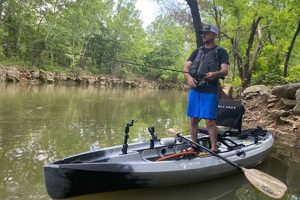
Competitive angling from human-powered vessels is a popular sport throughout the Badger State. These events offer diverse formats, from catch-photograph-release tournaments emphasizing conservation to traditional weigh-ins. They typically target various game fish species, depending on the season and location, including bass, walleye, musky, and panfish. These competitions often take place on Wisconsin’s numerous lakes and rivers, showcasing the state’s abundant aquatic resources.
Such events foster camaraderie among anglers, promote ethical fishing practices, and contribute to the local economies of the communities where they are held. They provide a platform for skill development and friendly competition, attracting participants of varying experience levels, from novices to seasoned professionals. Historically, fishing has held a significant place in Wisconsin’s cultural heritage, and these modern competitions reflect the continuing evolution of this tradition.
This article will explore various aspects of competitive kayak angling in Wisconsin, covering topics such as popular tournament destinations, specific rules and regulations, essential gear and equipment, effective fishing techniques, and profiles of successful anglers. It will also examine the growing popularity of this sport and its impact on conservation efforts within the state.
Tips for Competitive Kayak Angling
Success in competitive kayak angling requires a combination of skill, strategy, and preparation. The following tips offer guidance for anglers seeking to improve their performance and enjoyment of these events.
Tip 1: Pre-Fishing Scouting: Thoroughly research the tournament waters beforehand. Identifying key fish-holding structures, such as weed beds, drop-offs, and submerged timber, significantly increases the likelihood of locating target species. Utilizing mapping tools and online resources can provide valuable insights.
Tip 2: Kayak Control Mastery: Efficient kayak maneuvering is crucial for precise casting and maintaining optimal position in changing wind and current conditions. Practice paddle strokes and anchoring techniques to minimize disturbance and maximize fishing time.
Tip 3: Tackle and Equipment Optimization: Select rods, reels, lines, and lures specifically tailored to the target species and fishing environment. Ensure all equipment is in optimal working order and readily accessible during the tournament.
Tip 4: Efficient Time Management: Develop a strategic plan for covering the chosen fishing areas within the allotted time. Minimize wasted time by streamlining tackle changes and promptly releasing non-target species.
Tip 5: Weather Awareness: Monitor weather forecasts closely and adapt strategies accordingly. Wind speed, direction, and temperature fluctuations can significantly impact fish behavior. Dress appropriately for changing conditions to maintain comfort and focus.
Tip 6: Rules and Regulations Compliance: Thoroughly understand all tournament rules and regulations, including size and bag limits, permitted fishing methods, and boundaries. Adherence to these guidelines ensures fair competition and promotes ethical fishing practices.
Tip 7: Safety First: Prioritize safety by wearing a personal flotation device, carrying a whistle, and informing someone of fishing plans. Be prepared for unexpected situations and carry a basic first-aid kit.
By incorporating these tips into pre-tournament preparation and on-the-water strategies, anglers can enhance their competitive performance and overall experience.
These strategies contribute not only to tournament success but also to a deeper appreciation for the sport and the aquatic environment. The following section will conclude this exploration of competitive kayak angling in Wisconsin.
1. Competition

Competition serves as a central driving force in Wisconsin kayak fishing tournaments. It provides the structure and motivation for anglers to test their skills, knowledge, and strategic thinking against one another. This competitive element pushes participants to refine their techniques, explore new fishing locations, and adapt to changing conditions. The pursuit of victory, whether for personal satisfaction or recognition within the angling community, fuels dedication and preparation. For instance, anglers often invest considerable time pre-fishing potential tournament waters, identifying productive areas and refining their approaches based on anticipated fish behavior and environmental factors.
The structure of competition varies across tournaments. Some emphasize total weight, while others focus on the length of specific target species. Catch-photograph-release formats prioritize conservation and minimize stress on fish populations. These diverse formats cater to different angling preferences and promote ethical practices. The competitive landscape also influences tackle choices, with anglers selecting equipment optimized for specific target species and tournament regulations. This dynamic interplay between competition and angler strategy contributes to the overall complexity and engagement of these events. A real-world example is the increased use of advanced electronics like fish finders and GPS units in competitive kayak fishing, demonstrating the impact of competition on technological adoption within the sport.
Understanding the role of competition within Wisconsin kayak fishing tournaments offers insights into the dynamics of this growing sport. It highlights the dedication, skill, and strategic thinking required for success. While competitive angling requires individual effort, it also fosters a sense of community among participants. The shared pursuit of a common goal, even within a competitive framework, can create camaraderie and mutual respect. This competitive spirit contributes to the continued evolution of kayak fishing techniques, equipment, and conservation practices within Wisconsin’s angling community.
2. Kayak Angling

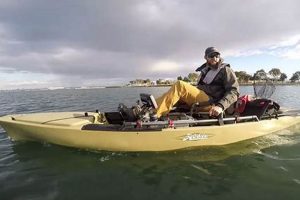
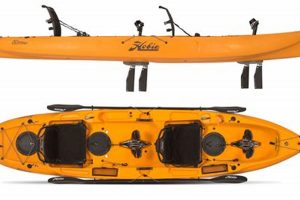
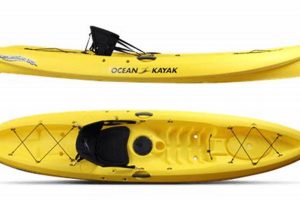
Kayak angling forms the foundational element of Wisconsin kayak fishing tournaments. The sport’s increasing popularity stems from its unique blend of accessibility, affordability, and close-to-nature experience. A kayak provides anglers with maneuverability in shallow waters and hard-to-reach areas inaccessible to larger motorized boats, offering a distinct advantage when targeting specific species or exploring diverse habitats within Wisconsin’s extensive waterways. This accessibility contributes directly to the growth of tournament participation, as anglers of varying skill levels and budgets can readily engage. The physical exertion involved in paddling also adds a fitness component, appealing to those seeking an active outdoor pursuit. For example, the rise in kayak-specific fishing gear, such as specialized rod holders and anchor systems, demonstrates the sport’s growing influence on the fishing industry.
The intimate connection with the water afforded by kayak angling enhances the overall fishing experience. Anglers are positioned closer to the water’s surface, providing a unique perspective and heightened sensitivity to fish behavior. This close proximity requires specialized techniques and equipment, further distinguishing kayak angling from traditional boat-based fishing. Lightweight rods and reels, along with specialized lures designed for shallow water presentations, are commonly employed. The focus on stealth and precise casting becomes paramount, requiring anglers to develop refined skills to succeed in tournaments. The growth of online forums and social media groups dedicated to kayak angling reflects the increasing demand for information sharing and community building within this specialized niche.
Kayak angling’s accessibility and unique challenges contribute significantly to the appeal and growth of Wisconsin kayak fishing tournaments. The sport’s emphasis on skill, strategy, and intimate interaction with nature positions it for continued expansion within the broader angling community. Addressing challenges such as water safety and responsible angling practices remains crucial for the long-term sustainability and positive impact of this evolving sport. This understanding fosters appreciation for the unique attributes of competitive kayak angling and its growing influence on Wisconsin’s recreational fishing landscape.
3. Wisconsin Waters

Wisconsin, renowned for its abundant lakes, rivers, and diverse aquatic ecosystems, provides an ideal setting for kayak fishing tournaments. The state’s varied waters offer unique challenges and opportunities for anglers, shaping tournament strategies and influencing outcomes. Understanding the characteristics of these waters is crucial for competitive success and appreciating the sport’s connection to Wisconsin’s natural resources.
- Lake Variability
Wisconsin’s lakes vary significantly in size, depth, and water clarity, influencing fish habitat and angler approaches. Large lakes like Winnebago present open-water challenges, requiring anglers to navigate vast areas and locate fish using advanced electronics. Smaller lakes, often characterized by abundant vegetation and shallower depths, demand finesse and precise casting techniques. Tournament organizers select locations based on factors such as target species, accessibility, and the desired level of angling challenge. For example, tournaments targeting musky often take place on lakes known for their healthy musky populations and suitable habitats, like the Chippewa Flowage.
- River Dynamics
River systems, such as the Wisconsin and Mississippi Rivers, introduce current, depth fluctuations, and diverse structural elements to tournament fishing. Anglers must adapt to these dynamic conditions, adjusting tackle and techniques accordingly. Current breaks, eddies, and submerged logs become prime fishing locations, requiring precise boat control and understanding of riverine fish behavior. Tournaments held on rivers demand a different skill set compared to lake-based competitions, rewarding anglers proficient in reading water flow and adapting to changing current patterns. The annual Mississippi River Rumble, a popular kayak fishing tournament, exemplifies the challenges and rewards of river-based competition.
- Species Diversity
Wisconsin’s waters support a diverse range of game fish species, influencing tournament targets and attracting anglers with varying preferences. Bass, walleye, musky, northern pike, and panfish are common targets, each requiring specialized techniques and equipment. Tournament organizers often tailor events to specific species, allowing anglers to focus their skills and compete against others with similar interests. For instance, a tournament targeting smallmouth bass might focus on rocky shorelines and deep-water structures, while a panfish tournament could take place in shallow, weedy bays. This species diversity contributes to the variety and appeal of kayak fishing tournaments across the state.
- Seasonal Influences
Seasonal changes significantly impact fish behavior and tournament strategies in Wisconsin waters. Water temperature, oxygen levels, and spawning cycles influence fish location and feeding patterns. Spring tournaments often focus on pre-spawn fish actively feeding in shallow waters, while summer events may require anglers to target deeper, cooler areas or adjust their techniques to account for changing fish activity. Understanding these seasonal nuances is essential for successful tournament participation. For example, fall tournaments targeting musky capitalize on the fish’s aggressive feeding patterns before winter, resulting in dynamic and often rewarding fishing opportunities.
The diverse characteristics of Wisconsin waters contribute significantly to the variety and challenge of kayak fishing tournaments held across the state. Understanding these nuances, from lake variability and river dynamics to species diversity and seasonal influences, provides anglers with a competitive edge and a deeper appreciation for the connection between the sport and Wisconsins rich aquatic ecosystems. This interconnectedness emphasizes the importance of conservation and responsible angling practices to ensure the continued health and enjoyment of these valuable resources for future generations.
4. Regulations and Rules

Regulations and rules form an integral framework for Wisconsin kayak fishing tournaments, ensuring fair competition, promoting ethical angling practices, and contributing to the long-term health of aquatic ecosystems. These guidelines, established by tournament organizers and often aligned with state fishing regulations, govern various aspects of tournament participation, from permissible fishing methods and equipment to size and bag limits for target species. Understanding these regulations is crucial for all participants, contributing to the integrity of the competition and fostering a culture of responsible angling. For example, regulations dictating lure restrictions, such as prohibiting live bait, aim to level the playing field and promote specific angling techniques. Similarly, size limits ensure the protection of younger fish, allowing them to contribute to future breeding populations.
The enforcement of regulations and rules within tournaments maintains a level playing field and fosters a sense of fairness among competitors. Tournament officials typically conduct pre-tournament briefings to clarify rules and address participant questions. During the competition, officials may monitor angler activities, ensuring compliance with established guidelines. Penalties for rule infractions, such as disqualification or point deductions, underscore the seriousness of adherence to these regulations. Real-world examples include penalties assessed for exceeding bag limits or using prohibited fishing methods. These enforcement mechanisms protect the integrity of the competition and reinforce the importance of ethical angling practices.
A clear understanding of tournament regulations and rules is essential for all participants. This understanding not only ensures compliance and avoids penalties but also contributes to the broader goals of conservation and responsible angling within Wisconsin’s kayak fishing community. Adhering to established guidelines demonstrates respect for the aquatic environment and ensures the sustainability of fish populations for future generations. This commitment to ethical practices reinforces the positive impact of kayak fishing tournaments on Wisconsin’s natural resources. Ultimately, the framework of regulations and rules supports the growth and integrity of competitive kayak angling in Wisconsin.
5. Community and Camaraderie

Community and camaraderie play a significant role in Wisconsin kayak fishing tournaments, extending beyond the competitive aspects of the sport. These events foster a sense of belonging among participants, creating a supportive environment where anglers share knowledge, experiences, and a mutual passion for kayak fishing. This social dimension contributes significantly to the overall enjoyment and growth of the sport, enriching the tournament experience beyond the pursuit of individual achievement. This sense of community often extends beyond the tournaments themselves, creating lasting connections and fostering a supportive network within the broader kayak angling community.
- Shared Experiences
Participating in kayak fishing tournaments creates shared experiences that bond anglers together. The challenges of navigating specific waters, adapting to weather conditions, and targeting particular species create a common ground for conversation and mutual understanding. These shared experiences foster a sense of camaraderie, even among competitors. For example, anglers often share tips and techniques during pre-tournament preparations or discuss successful strategies after the event concludes. These interactions build relationships and contribute to the overall positive atmosphere of the tournament.
- Mentorship and Learning
Kayak fishing tournaments provide opportunities for mentorship and learning. Experienced anglers often share their knowledge with newcomers, offering guidance on fishing techniques, equipment choices, and water navigation. This exchange of information benefits both the mentor and the mentee, strengthening the community and fostering a culture of continuous learning. For instance, seasoned anglers might offer advice on effective lure presentations or share insights into local fish behavior patterns. This mentorship aspect enhances the overall tournament experience, fostering growth and development within the kayak angling community.
- Conservation Efforts
A shared commitment to conservation often unites participants in kayak fishing tournaments. Many tournaments emphasize catch-photograph-release practices, minimizing the impact on fish populations and promoting responsible angling. This shared focus on environmental stewardship strengthens the community’s connection to Wisconsin’s natural resources. Anglers often participate in lake or river cleanup events organized in conjunction with tournaments, further demonstrating their commitment to conservation. This collective effort reinforces the importance of protecting aquatic ecosystems and ensures the sustainability of kayak fishing for future generations.
- Social Connections
Wisconsin kayak fishing tournaments provide a platform for building social connections. Pre- and post-tournament gatherings, social media groups, and online forums dedicated to kayak angling facilitate communication and interaction among participants. These social connections extend beyond the tournaments themselves, fostering a sense of community that persists throughout the year. Anglers often organize informal fishing trips or social events outside of the competitive setting, strengthening bonds and creating lasting friendships. This vibrant social network contributes significantly to the overall appeal and growth of kayak angling in Wisconsin.
Community and camaraderie are integral aspects of Wisconsin kayak fishing tournaments, enriching the overall experience and fostering a strong sense of belonging among participants. The shared experiences, mentorship opportunities, commitment to conservation, and social connections built through these events contribute to the growth and vitality of the kayak angling community in Wisconsin. These social elements strengthen the sport’s foundation and ensure its continued positive impact on both anglers and the aquatic environment.
Frequently Asked Questions
This section addresses common inquiries regarding competitive kayak angling in Wisconsin, providing concise and informative responses.
Question 1: What types of fish are typically targeted in these tournaments?
Target species vary depending on the tournament and location, but commonly include bass, walleye, musky, northern pike, and panfish. Tournament specifics will outline eligible species.
Question 2: Are there specific equipment requirements for participation?
While specific equipment requirements vary by tournament, all require a kayak suitable for fishing, appropriate safety gear (such as a personal flotation device), and fishing tackle appropriate for the target species. Regulations regarding permitted fishing methods and tackle may also apply.
Question 3: How are tournament winners determined?
Winning criteria differ depending on the tournament format. Some tournaments emphasize total weight, others measure length, and catch-photograph-release formats prioritize conservation while determining winners based on photographic evidence. Specific scoring systems are detailed in tournament rules.
Question 4: How can one find information about upcoming tournaments?
Information regarding upcoming tournaments can be found through online search engines, social media groups dedicated to kayak fishing, local bait and tackle shops, and Wisconsin fishing organizations’ websites.
Question 5: What are the typical costs associated with participating in a tournament?
Costs include tournament entry fees, travel expenses, potential lodging costs, and any necessary fishing equipment or tackle upgrades. Entry fees vary depending on the tournament’s scale and duration.
Question 6: Are there specific regulations regarding fishing licenses and permits?
A valid Wisconsin fishing license is required for participation. Additional permits may be necessary depending on the specific waters being fished and the target species. Consulting the Wisconsin Department of Natural Resources website provides comprehensive information regarding licensing requirements.
Reviewing these frequently asked questions provides a general understanding of competitive kayak angling within Wisconsin. Further inquiries can be directed to specific tournament organizers or relevant angling organizations.
Further exploration of specific tournament formats, angler profiles, and advanced techniques provides a deeper understanding of this growing sport.
Wisconsin Kayak Fishing Tournaments
This exploration of competitive kayak angling in Wisconsin has highlighted key aspects of the sport, from the diverse challenges presented by the state’s waters to the importance of regulations, the specialized techniques employed, and the strong sense of community fostered among participants. The growth and popularity of these tournaments reflect a broader trend toward accessible and engaging outdoor recreation, combining the thrill of competition with a deep connection to nature. The examination of tournament formats, equipment considerations, and angler strategies underscores the dedication and skill required for success in this demanding yet rewarding pursuit.
Competitive kayak fishing in Wisconsin stands poised for continued growth, offering a unique blend of challenge, camaraderie, and connection with the natural world. The future of this sport relies on the responsible stewardship of Wisconsin’s aquatic ecosystems, promoting ethical angling practices and ensuring the sustainability of fish populations for generations to come. Engaging with local angling communities and supporting conservation initiatives will contribute to the long-term health and vibrancy of competitive kayak fishing throughout the state. The pursuit of excellence in this sport extends beyond individual achievement, encompassing a collective responsibility to protect and preserve the valuable resources that make it possible.