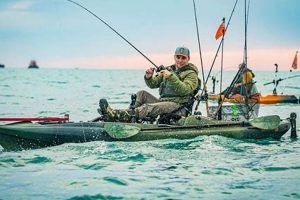
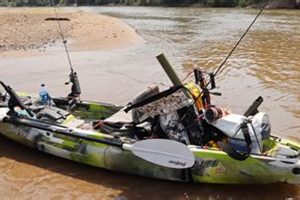
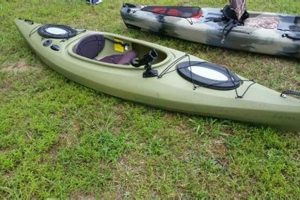
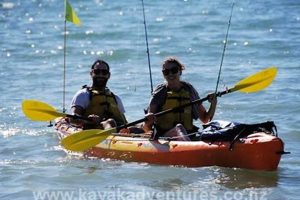
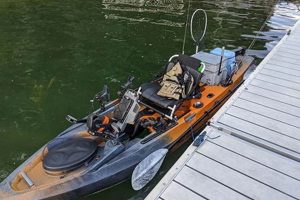
A small, maneuverable vessel designed for angling in the lakes and rivers of the Ozark region typically features specialized seating, storage for tackle and equipment, and often incorporates features like rod holders and anchor trolleys. Such watercraft provide anglers with access to shallow waters and secluded fishing spots, enhancing their experience in this popular recreational area.
These specialized boats offer significant advantages for anglers, enabling them to explore diverse waterways effectively. Their compact size allows navigation through narrow channels and shallows inaccessible to larger boats. The stability and design contribute to a more comfortable and productive fishing experience, particularly in the varied conditions often encountered in the Ozarks. Historically, smaller, human-powered watercraft have been used for fishing in the region, but modern designs incorporating advanced materials and features represent a significant evolution in functionality and angler comfort.
Further exploration will cover topics including selecting the appropriate vessel based on individual needs and preferences, essential safety considerations for navigating Ozark waterways, and recommended fishing techniques suited to this type of angling.
Tips for Ozark Angling from a Kayak
Effective angling from a kayak in the Ozark region requires preparation and understanding of specific techniques. The following tips offer guidance for a safe and productive experience.
Tip 1: Research and Plan: Thoroughly research potential fishing locations, considering water conditions, access points, and species targeted. Checking weather forecasts and flow rates is crucial for safety and success.
Tip 2: Prioritize Safety: Always wear a personal flotation device (PFD). Carry a whistle, signaling device, and communication tools. Inform someone of your fishing plans and estimated return time.
Tip 3: Choose Appropriate Gear: Select fishing tackle and equipment suited to the target species and the specific conditions of the Ozark waterways. Lightweight and compact gear is preferable in a kayak environment.
Tip 4: Master Kayak Control: Practice maneuvering the kayak efficiently using paddles or a pedal drive system. Understanding how to position the vessel for optimal casting and fish retrieval is essential.
Tip 5: Respect the Environment: Adhere to “Leave No Trace” principles. Pack out all trash and avoid disturbing natural habitats. Handle fish carefully and practice catch-and-release whenever appropriate.
Tip 6: Learn Local Regulations: Familiarize oneself with fishing regulations specific to the Ozark region, including licensing requirements, catch limits, and permitted fishing methods.
Tip 7: Adapt to Conditions: Be prepared to adjust fishing strategies based on weather changes, water clarity, and fish behavior. Flexibility enhances the likelihood of a successful outing.
By adhering to these guidelines, anglers can maximize their chances of a rewarding and safe fishing experience in the Ozark region’s diverse waterways. Preparation, informed decision-making, and respect for the environment contribute significantly to a successful outing.
This information provides a foundation for planning an Ozark kayak fishing trip. Subsequent sections will offer detailed guidance on gear selection, specific fishing techniques, and advanced kayaking skills.
1. Stable Hull Design
Stable hull design is paramount for Ozark fishing kayaks due to the diverse water conditions encountered in the region. Ozark streams range from placid lakes to swift-flowing rivers, often presenting unpredictable currents and obstacles. A stable hull minimizes the risk of capsizing, ensuring angler safety and facilitating effective fishing. Wider, flatter hulls provide enhanced primary stability, resisting initial tipping, which is crucial when casting, reeling, or landing fish in calmer waters. For example, a kayak angler navigating the currents near a shoal or fallen tree benefits significantly from a stable platform. This stability allows focus on fishing technique rather than maintaining balance, crucial for a successful and enjoyable experience.
Beyond primary stability, secondary stabilitythe hull’s resistance to further tipping once leanedis also critical in the Ozark environment. Maneuvering through tight turns, navigating shallow riffles, or encountering unexpected waves demands a hull that recovers quickly from leans, minimizing the chance of capsize. A kayak with strong secondary stability enables anglers to confidently explore diverse areas of Ozark waterways. For instance, a kayak designed for river fishing often features a rounded or shallow-V hull, promoting maneuverability and secondary stability crucial for navigating swift currents and rocky areas common in Ozark rivers.
Ultimately, a stable hull design contributes significantly to safety and fishing efficacy in Ozark fishing kayaks. Understanding the nuances of hull design empowers anglers to select the appropriate craft for their chosen fishing location and style. Prioritizing stability enhances both performance and enjoyment, allowing anglers to focus on the experience rather than battling instability. This informed selection process significantly contributes to a positive and safe Ozark kayak fishing adventure.
2. Compact Size

Compact size is a defining characteristic of Ozark fishing kayaks, directly influencing their suitability for navigating the region’s unique waterways. This characteristic offers distinct advantages in maneuvering through tight spaces and accessing secluded fishing areas, contributing significantly to the overall angling experience. The following facets explore the relationship between compact size and Ozark fishing kayak functionality.
- Navigating Narrow Waterways
Ozark rivers and streams often feature narrow channels, overhanging branches, and submerged obstacles. A compact kayak allows anglers to navigate these confined spaces effectively, accessing areas unreachable by larger vessels. This maneuverability opens up opportunities to explore secluded pools, riffles, and backwater areas where fish may concentrate. For instance, a shorter kayak can easily turn in tight bends and navigate through fallen logs, granting access to prime fishing spots otherwise inaccessible.
- Transport and Portability
Compact dimensions simplify transport and storage. Smaller kayaks are easier to load onto vehicles, requiring less effort and specialized equipment. This ease of transport expands fishing location options, allowing anglers to explore a wider range of Ozark waterways. Moreover, compact size facilitates storage in garages, sheds, or even apartments, minimizing space requirements. The portability extends accessibility, allowing anglers with limited storage or vehicle capacity to enjoy kayak fishing.
- Shallow Water Access
Many Ozark streams feature shallow sections, especially during drier periods. Compact kayaks, with their shallower draft, enable navigation in these areas, maximizing fishing opportunities. This advantage allows anglers to reach areas inaccessible to deeper-hulled boats, potentially leading to productive fishing in shallow-water habitats preferred by certain species. The ability to navigate shallows extends the fishable range, opening up new possibilities within the Ozark waterways.
- Maneuverability and Control
The reduced length and lighter weight of compact kayaks enhance maneuverability and control, particularly in moving water. Anglers can quickly adjust position and react to changing currents or fish behavior, contributing to a more dynamic and responsive fishing experience. This agility is advantageous when fishing in windy conditions or maneuvering around obstacles. The responsiveness of compact kayaks enhances precision casting and fish fighting, maximizing angling success in Ozark environments.
The compact size of Ozark fishing kayaks is integral to their functionality and effectiveness in the region’s diverse waterways. This attribute facilitates exploration, enhances maneuverability, simplifies transport, and expands access to shallow water habitats. By understanding the advantages of compact size, anglers can select the most appropriate vessel for their individual needs and fishing style, ultimately maximizing their enjoyment and success on the water. This awareness contributes significantly to a fulfilling and productive Ozark kayak fishing experience.
3. River Maneuverability

River maneuverability is a critical aspect of Ozark fishing kayaks, directly impacting their effectiveness in navigating the region’s diverse waterways. The Ozark region presents a variety of river conditions, from slow-moving, meandering streams to swifter, more technical stretches. A kayak’s ability to navigate these varied environments effectively influences fishing success and overall enjoyment. The following facets delve into the components and implications of river maneuverability for Ozark fishing kayaks.
- Tracking and Stability
Tracking, a kayak’s ability to maintain a straight course, is essential for efficient paddling and precise positioning in river currents. A kayak that tracks well requires less corrective paddling, conserving energy and allowing anglers to focus on fishing. Stability, both primary (initial resistance to tipping) and secondary (resistance to further tipping once leaned), contributes significantly to maneuverability, particularly in moving water. A stable kayak provides a secure platform for casting, reeling, and landing fish, even in challenging currents or when encountering unexpected obstacles like submerged rocks or logs. For instance, a kayak with a longer keel line will typically track better in straight sections of a river, while a wider, flatter hull provides enhanced stability in turbulent waters. The interplay between tracking and stability directly influences the angler’s ability to control the kayak and maintain an optimal fishing position.
- Turning Performance
Efficient turning is crucial for navigating winding Ozark streams and maneuvering around obstacles. A kayak’s turning performance is influenced by hull design, length, and rudder or skeg systems. Shorter kayaks generally turn more quickly, while longer kayaks offer better tracking. Rudders and skegs enhance directional control, particularly in moving water, allowing for precise turns and adjustments to maintain desired positioning. For example, a shorter kayak with a rockered hull (curved upward at the bow and stern) will turn more easily in tight bends common in Ozark streams, while a rudder system allows for course correction in windy conditions or swift currents.
- Obstacle Navigation
Ozark rivers often present obstacles such as downed trees, rocks, and shallow riffles. A maneuverable kayak enables anglers to navigate these obstacles effectively, minimizing the risk of grounding or capsizing. Kayak features like rockered hulls, elevated seats, and skeg systems contribute to obstacle avoidance and safe passage through challenging sections of river. For instance, a kayak with a rockered hull is less likely to catch on submerged logs or rocks, while an elevated seat provides better visibility for spotting and avoiding obstacles ahead. Skillful maneuvering around obstacles is essential for accessing productive fishing areas and ensuring a safe and enjoyable experience.
- Current Management
Effectively managing river currents is paramount for successful Ozark kayak fishing. Understanding how currents interact with the kayak’s hull and utilizing appropriate paddling techniques enables anglers to maintain position, approach fishing spots effectively, and navigate varying flow rates. Factors like hull design, kayak length, and angler experience influence current management capabilities. For instance, a longer, narrower kayak will typically perform better in faster currents, while a shorter, wider kayak offers more stability in slower, more technical sections. Experience in reading water and employing appropriate paddling strokes enhances the angler’s ability to utilize currents effectively and maintain control.
River maneuverability is intrinsically linked to the effectiveness and enjoyment of Ozark fishing kayaks. The ability to track efficiently, turn precisely, navigate obstacles, and manage currents contributes significantly to angler success and safety. Selecting a kayak with appropriate maneuverability characteristics for the intended fishing environment is crucial. Understanding the interplay between kayak design, river conditions, and angler skill enhances the overall Ozark fishing experience. By prioritizing river maneuverability, anglers can confidently explore the region’s diverse waterways and maximize their fishing opportunities.
4. Storage Capacity

Storage capacity is a crucial factor influencing the functionality and practicality of ozark fishing kayaks. The ability to carry essential gear, tackle, and safety equipment directly impacts angler preparedness and overall fishing success. Limited storage can restrict the range of fishing techniques employed, the duration of outings, and the ability to respond to changing conditions. Conversely, ample storage facilitates a more versatile and self-sufficient approach to kayak angling in the Ozark region. For instance, sufficient storage enables anglers to carry a variety of lures and tackle, adapting to different target species or changing water conditions throughout the day. Carrying essential safety gear, such as a first-aid kit, extra layers of clothing, and signaling devices, also depends on adequate storage capacity. These items become particularly critical during longer trips or when navigating remote sections of Ozark waterways.
Several design features contribute to optimized storage in ozark fishing kayaks. Dedicated compartments for tackle boxes, waterproof hatches for electronics and valuables, and bungee systems for securing gear on deck exemplify effective storage solutions. The strategic placement and accessibility of storage compartments further influence their practicality. Rear storage wells offer ample space for larger items like coolers or dry bags, while smaller compartments within reach of the angler accommodate frequently used items like pliers, line cutters, and sunscreen. Understanding the interplay between storage capacity, organization, and accessibility allows anglers to select a kayak equipped for their specific fishing needs. For example, an angler targeting multiple species might prioritize a kayak with dedicated compartments for different lure types, while a photographer might prioritize a waterproof hatch for camera equipment.
Sufficient storage capacity in an ozark fishing kayak empowers anglers to carry essential gear and provisions comfortably and securely. This preparedness translates to enhanced versatility, safety, and overall fishing success. Careful consideration of storage design features when selecting a kayak contributes significantly to a positive and productive experience on the water. Practical application of storage management techniques further optimizes space utilization and ensures readily accessible gear throughout the fishing trip. This understanding enables anglers to approach Ozark kayak fishing with confidence and preparedness, maximizing their enjoyment and success in the region’s diverse waterways.
5. Comfortable Seating

Comfortable seating is integral to the overall experience of ozark fishing kayak angling. Extended periods on the water, often in varied weather conditions, necessitate a supportive and adjustable seating system. An uncomfortable seat can lead to fatigue, discomfort, and even pain, detracting significantly from the enjoyment and focus required for successful fishing. Conversely, a well-designed seating system enhances endurance, promotes proper posture, and allows anglers to concentrate on the task at hand. The following facets explore the key elements of comfortable seating in ozark fishing kayaks.
- Adjustability and Customization
Adjustable seating systems allow anglers to customize the seat position to their individual body type and preferences. Features like adjustable backrests, seat height adjustments, and leg length adjustments accommodate diverse physiques and ensure optimal comfort. For example, an angler with a longer torso might benefit from a higher backrest setting, while someone with shorter legs might prefer a lower seat height. The ability to fine-tune the seating position contributes significantly to long-term comfort and reduces the risk of strain or discomfort during extended fishing trips.
- Material and Construction
The materials used in kayak seat construction directly impact comfort and durability. Breathable, moisture-wicking fabrics enhance comfort in warm weather, preventing overheating and perspiration buildup. Durable, UV-resistant materials ensure long-term performance and resist wear and tear from sun exposure and water contact. High-density foam padding provides cushioning and support, minimizing pressure points and enhancing comfort during long hours on the water. For example, a mesh seat back allows for airflow and prevents overheating, while a padded seat bottom cushions the angler from impacts and vibrations encountered in Ozark waterways. The choice of materials influences both comfort and longevity.
- Back Support and Posture
Adequate back support is essential for maintaining proper posture and preventing back pain, especially during long fishing trips. Ergonomically designed seats with lumbar support and adjustable backrests promote a healthy posture and minimize strain on the back muscles. Proper posture contributes not only to comfort but also to balance and stability while casting and reeling. For example, a kayak seat with adjustable lumbar support allows anglers to customize the level of back support based on their individual needs. This feature enhances comfort and reduces the risk of back fatigue during extended fishing outings. Proper back support is crucial for sustained comfort and overall physical well-being.
- Stability and Security
A stable and secure seating system enhances angler confidence and control, particularly in moving water or when encountering unexpected obstacles. A secure seat base prevents sliding or shifting during movement, ensuring the angler maintains a stable platform for casting and reeling. Secure attachment points and straps further reinforce stability and prevent the seat from detaching in rough conditions. For example, a kayak seat with adjustable straps or integrated thigh braces enhances stability, allowing anglers to maintain a secure and balanced position even when navigating rough water or leaning forward to retrieve a fish. This stability contributes significantly to angler confidence and control.
Comfortable seating is a crucial factor influencing the overall enjoyment and effectiveness of ozark fishing kayak angling. A well-designed seating system contributes significantly to angler comfort, endurance, and focus, allowing for longer, more productive fishing trips. Prioritizing comfortable seating when selecting an ozark fishing kayak enhances the overall experience and contributes to a positive and successful outing on the water. Understanding the elements that contribute to comfortable seating empowers anglers to make informed decisions and choose a kayak suited to their individual needs and preferences. This informed selection contributes significantly to a positive and rewarding Ozark kayak fishing experience.
6. Rod Holder Integration

Rod holder integration is a crucial design element in Ozark fishing kayaks, directly influencing angling efficiency and safety. Securely storing fishing rods while navigating the diverse waterways of the Ozark region is essential for preventing rod loss or damage and freeing the angler’s hands for other tasks, such as paddling, maneuvering, and landing fish. Integrated rod holders offer significant advantages over makeshift or aftermarket solutions, contributing to a more streamlined and productive fishing experience. For example, navigating narrow, obstacle-laden Ozark streams requires precise paddle control and often necessitates quick maneuvering. Securely stored rods prevent entanglement with overhanging branches or submerged logs, reducing the risk of breakage or loss. Furthermore, having rods readily accessible in designated holders streamlines the fishing process, allowing for quick transitions between paddling and casting.
Several factors contribute to effective rod holder integration in Ozark fishing kayaks. Strategic placement allows for easy access without compromising paddling efficiency or stability. Adjustable rod holders accommodate various rod lengths and angling styles, catering to diverse fishing techniques. Secure locking mechanisms prevent rods from dislodging during transport or while navigating rough water. Durable, corrosion-resistant materials withstand the rigors of the Ozark environment, ensuring long-term functionality. Consider an angler targeting smallmouth bass in a swift Ozark river. Flush-mounted rod holders positioned behind the seat provide easy access without interfering with paddle strokes, while adjustable holders accommodate different rod lengths used for various lure presentations. Secure locking mechanisms ensure rods remain in place during river navigation, minimizing the risk of loss or damage. The practical application of these design considerations enhances both efficiency and enjoyment.
Effective rod holder integration enhances the overall functionality and safety of Ozark fishing kayaks. Securely storing rods contributes to a more organized and efficient angling experience, allowing anglers to focus on fishing rather than managing equipment. Careful consideration of rod holder placement, adjustability, and security when selecting a kayak significantly impacts on-the-water performance and enjoyment. Understanding the practical implications of rod holder integration empowers anglers to make informed decisions and optimize their Ozark kayak fishing experience. This informed approach enhances both safety and efficiency, contributing to a more productive and rewarding time on the water.
7. Durable Construction

Durable construction is paramount for Ozark fishing kayaks given the demanding conditions encountered in the region’s waterways. These kayaks frequently navigate shallow, rocky streams, encounter submerged obstacles like logs and branches, and endure fluctuating water levels and temperatures. A robust construction safeguards against damage, ensuring longevity and maintaining performance over time. Impact-resistant hulls, reinforced seams, and UV-resistant materials contribute to a kayak’s ability to withstand these challenges. For example, a kayak constructed with high-density polyethylene (HDPE) can withstand impacts from rocks and logs, while reinforced seams prevent leaks and maintain structural integrity even under stress. This durability translates to a reliable and dependable vessel capable of navigating the diverse Ozark environments.
The practical implications of durable construction extend beyond mere longevity. A robust kayak provides a stable and safe platform for anglers, minimizing the risk of structural failure in challenging situations. This reliability instills confidence, allowing anglers to focus on fishing rather than worrying about potential damage. Furthermore, durable construction minimizes maintenance requirements, reducing the need for frequent repairs and maximizing time on the water. Consider a scenario where an angler encounters a submerged log in a fast-flowing Ozark stream. A durable kayak hull withstands the impact, preventing damage and ensuring the angler’s safety. This resilience allows for continued fishing without interruption, highlighting the practical significance of durable construction in real-world scenarios.
Durable construction represents a crucial investment for Ozark fishing kayaks. The ability to withstand the rigors of the region’s waterways ensures longevity, enhances safety, and minimizes maintenance requirements. Prioritizing durable construction when selecting a kayak translates to a more reliable, dependable, and ultimately more rewarding fishing experience. This understanding empowers anglers to make informed decisions, selecting kayaks built to withstand the challenges of the Ozark environment and provide years of reliable service. The long-term benefits of durability outweigh the initial investment, contributing to a more satisfying and sustainable approach to Ozark kayak fishing.
Frequently Asked Questions about Ozark Fishing Kayaks
This section addresses common inquiries regarding the selection, use, and maintenance of fishing kayaks specifically for Ozark waterways. Clear and concise answers provide practical information to assist anglers in making informed decisions.
Question 1: What type of kayak is best suited for fishing in Ozark rivers?
The optimal kayak for Ozark rivers depends on the specific river characteristics and the angler’s preferences. Shorter, more maneuverable kayaks are ideal for navigating tight turns and shallow riffles common in smaller Ozark streams. Longer kayaks with better tracking capabilities are suited for larger rivers and lakes. Sit-on-top kayaks are generally preferred for fishing due to their stability and ease of entry and exit.
Question 2: What essential safety gear should be carried on an Ozark kayak fishing trip?
Essential safety gear includes a personal flotation device (PFD), a whistle, a signaling device (such as a mirror or flare), a first-aid kit, and a communication device (like a waterproof cell phone or VHF radio). Informing someone of the trip plan and estimated return time is also crucial.
Question 3: How does one choose the right paddle for an Ozark fishing kayak?
Paddle selection depends on kayak width and angler height. Wider kayaks require longer paddles. Anglers should also consider paddle material and blade shape. Lightweight, durable paddles with efficient blade designs are recommended for extended paddling and maneuvering in Ozark currents.
Question 4: What fishing techniques are effective in Ozark waterways from a kayak?
Effective techniques include casting lures near shorelines, submerged structures, and riffles; drifting bait through deeper pools; and trolling along river channels. Adapting techniques to specific water conditions and target species is essential for success.
Question 5: How should one transport and store an Ozark fishing kayak?
Kayaks can be transported using roof racks, trailers, or truck beds. Securely strapping the kayak to the vehicle is crucial. Storing the kayak in a shaded area, protected from excessive sunlight and temperature fluctuations, helps prevent material degradation and prolongs its lifespan.
Question 6: What maintenance is required for an Ozark fishing kayak?
Regular cleaning with mild soap and water removes dirt and grime. Inspecting for damage, such as cracks or scratches, and addressing them promptly is important. Storing the kayak properly, as mentioned previously, also contributes to its long-term maintenance.
Understanding these fundamental aspects of Ozark fishing kayaks empowers anglers to prepare effectively and enhance their on-the-water experience. Careful consideration of kayak selection, safety precautions, and appropriate techniques contributes significantly to successful and enjoyable fishing trips.
The following section will delve into specific recommendations for Ozark fishing kayak models based on various fishing styles and preferences.
Ozark Fishing Kayaks
Exploration of vessels designed for angling within Ozark waterways reveals the importance of specialized features tailored to the region’s unique characteristics. Hull design emphasizing stability and maneuverability, compact size for navigating narrow streams, ample storage capacity for essential gear, comfortable seating for prolonged outings, integrated rod holders for efficient fishing, and durable construction for withstanding demanding conditions all contribute significantly to a successful and enjoyable experience. Understanding the interplay of these elements empowers anglers to make informed decisions regarding kayak selection and utilization.
Investing in appropriate equipment and prioritizing safety considerations enhances angler preparedness and promotes responsible enjoyment of Ozark waterways. Continued exploration of advanced techniques, respect for the environment, and adherence to local regulations contribute to the long-term preservation of these valuable resources for future generations of anglers. Successful Ozark kayak fishing necessitates a thoughtful and informed approach, combining appropriate equipment selection with responsible angling practices.