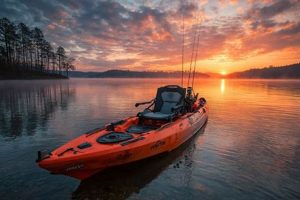
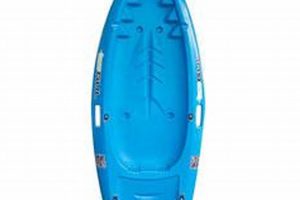
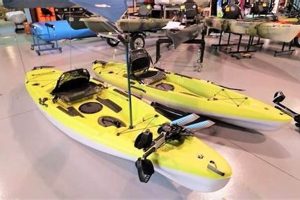
This exciting pursuit combines the thrill of angling with the maneuverability and accessibility of kayaks in the vast expanse of the ocean. Imagine paddling through coastal waters, surrounded by marine life, and casting a line for prized game fish. This activity offers anglers a unique perspective and close-to-the-water experience, distinct from shore-based fishing or larger vessels.
Saltwater kayak angling offers significant advantages. It grants access to shallow waters and secluded fishing grounds unreachable by larger boats, increasing the likelihood of encountering diverse species. The quiet approach of a kayak minimizes disturbance to fish, enhancing fishing success. Additionally, the physical exercise involved provides a healthy and engaging way to connect with nature. While traditional fishing methods have existed for millennia, the rise of purpose-built fishing kayaks in recent decades has significantly popularized this sport, making it more accessible to a wider audience.
The following sections will delve into essential aspects of this stimulating sport, including recommended gear, safety precautions, popular target species, and sustainable fishing practices. This information aims to equip both novice and experienced anglers with the knowledge necessary to safely and responsibly enjoy this growing pastime.
Essential Tips for Open-Water Kayak Angling
Preparation and awareness are crucial for a successful and safe experience on the water. The following tips offer guidance for anglers venturing into the ocean environment.
Tip 1: Prioritize Safety Equipment: Always wear a personal flotation device (PFD). Carry a whistle, signaling mirror, and VHF radio for emergencies. A first-aid kit, including seasickness medication, should be readily available.
Tip 2: Check Weather and Tide Conditions: Consult marine forecasts before embarking. Avoid venturing out in strong winds, rough seas, or fog. Understanding tidal currents is crucial for navigation and fishing effectiveness.
Tip 3: Plan a Float Plan: Inform someone on shore of the intended fishing location, departure and return times, and emergency contacts. This ensures prompt assistance if needed.
Tip 4: Choose the Right Kayak and Gear: Opt for a stable, sit-on-top kayak designed for fishing. Essential gear includes a paddle leash, rod holders, anchor, and appropriate tackle for target species.
Tip 5: Practice Kayak Handling Skills: Develop proficiency in paddling, maneuvering, and self-rescue techniques in calm waters before venturing into open ocean conditions. Consider taking a kayaking safety course.
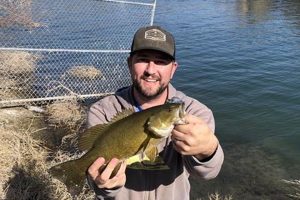
Tip 6: Respect Marine Wildlife: Observe wildlife from a safe distance and avoid disturbing their natural habitat. Practice catch-and-release whenever possible to conserve fish populations.
Tip 7: Stay Aware of Your Surroundings: Be mindful of boat traffic, changing weather conditions, and potential hazards like rocks or reefs. Carry a chart or GPS device for navigation.
Tip 8: Pack Essentials for Comfort: Sun protection, including sunscreen, hat, and sunglasses, is vital. Hydration is key, so bring plenty of water. Appropriate clothing layers can provide comfort in changing weather.
Adhering to these guidelines significantly enhances safety and enjoyment while pursuing this exhilarating sport. Careful planning and responsible practices ensure a rewarding experience for all anglers.
By implementing these strategies, anglers can confidently explore the ocean environment and fully appreciate the unique rewards of this demanding but exciting activity.
1. Ocean Conditions
Ocean conditions exert a profound influence on the feasibility and success of kayak fishing excursions. Swell height, wave period, wind speed, and current direction all play crucial roles in determining suitable launch locations, navigable areas, and overall safety. For instance, strong offshore winds can quickly carry a kayaker far from shore, while large swells and breaking waves pose capsizing risks. Conversely, calm seas and favorable currents facilitate effortless paddling and access to prime fishing grounds. Understanding these dynamics is essential for planning safe and productive trips.
Tidal flows significantly impact fish behavior and feeding patterns. Incoming tides often bring baitfish closer to shore, attracting larger predatory species, creating optimal fishing opportunities. Outgoing tides can concentrate fish in channels and near structures, providing strategic ambush points for anglers. Water temperature also influences fish distribution and activity levels. Certain species prefer specific temperature ranges, impacting their availability at different depths and locations. Integrating knowledge of these factors into fishing strategies significantly improves the chances of a successful catch.
Careful assessment of ocean conditions is paramount before embarking on any kayak fishing trip. Consulting marine forecasts, tide charts, and local knowledge enhances situational awareness and reduces potential risks. Adaptability is also key; changing conditions may necessitate adjustments to planned routes or fishing locations. Prioritizing safety and exercising sound judgment based on prevailing ocean conditions ensures a more rewarding and safe experience on the water.
2. Specialized Kayaks

Specialized kayaks play a crucial role in the pursuit of ocean kayak fishing, offering enhanced performance, stability, and features tailored to the demands of the open water environment. Their design and construction directly impact angler safety, fishing effectiveness, and overall enjoyment of the experience. Understanding the key features of these specialized vessels is essential for selecting the right kayak for individual needs and target species.
- Hull Design and Stability:
Kayak hull design directly influences stability, maneuverability, and tracking in ocean conditions. Wider, flatter hulls provide enhanced primary stability, reducing the likelihood of tipping, especially when casting or fighting fish. Longer kayaks with a defined keel track more efficiently in a straight line, conserving energy during longer paddles. Specialized fishing kayaks often incorporate a combination of these features, balancing stability and maneuverability for optimal performance.
- Propulsion Systems:
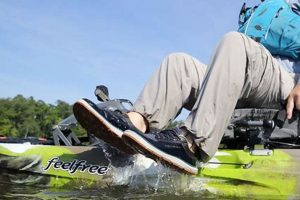
Paddle propulsion remains the most common method for kayak fishing, requiring upper body strength and endurance. However, pedal-powered kayaks and those equipped with electric motors offer alternatives, allowing anglers to cover greater distances and conserve energy for fishing. These systems also free up hands for fishing-related tasks. Selecting a propulsion system depends on individual preferences, physical capabilities, and the intended fishing range.
- Fishing-Specific Features:
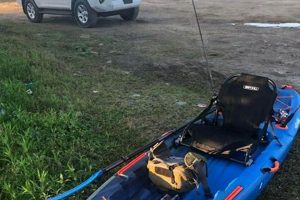
Specialized fishing kayaks often integrate features designed to enhance angling efficiency and convenience. Rod holders, tackle storage compartments, anchor trolleys, and fish finders are common additions. These features streamline fishing operations, allowing anglers to focus on the pursuit of their target species. Some kayaks even incorporate live wells for keeping bait or caught fish fresh.
- Construction and Materials:
Kayaks constructed from durable, UV-resistant materials are essential for withstanding the harsh marine environment. Rotational molding and thermoforming are common manufacturing techniques, producing robust kayaks capable of handling the rigors of open-water fishing. Consideration of weight capacity is also crucial, ensuring the kayak can accommodate the angler, gear, and potential catch.
The selection of a specialized kayak significantly impacts the overall experience of ocean kayak fishing. Careful consideration of hull design, propulsion system, fishing-specific features, and construction materials ensures optimal performance, safety, and enjoyment on the water. By understanding the nuances of these specialized vessels, anglers can confidently choose a kayak that aligns with their individual needs and enhances their pursuit of prized game fish in the challenging yet rewarding ocean environment.
3. Targeted Fishing Techniques

Targeted fishing techniques are integral to successful ocean kayak fishing, maximizing catch rates while minimizing environmental impact. Matching techniques to specific species and prevailing conditions requires knowledge of fish behavior, preferred habitats, and effective lure presentations. This specialized approach enhances efficiency and promotes responsible angling practices.
For example, trolling artificial lures or live bait along reef edges or drop-offs proves effective for pelagic species like mackerel or wahoo. Bottom fishing with weighted rigs and natural baits targets groundfish such as snapper or grouper. Similarly, sight casting with surface lures or flies entices predatory fish like tuna or dorado near the surface. Understanding tidal influences, water temperature, and baitfish activity further refines these techniques, increasing the likelihood of successful hookups. Employing appropriate tackle and line strength is crucial for landing powerful fish in the challenging ocean environment.
Choosing the right technique based on target species and environmental factors significantly increases fishing success and minimizes wasted effort. This targeted approach not only improves catch rates but also reduces bycatch and promotes conservation. Furthermore, it allows anglers to adapt to changing conditions and explore diverse fishing opportunities, enriching the overall experience. Mastering targeted fishing techniques is essential for maximizing the rewards and minimizing the environmental footprint of ocean kayak fishing, ensuring the sustainability of this exciting sport.
4. Essential Safety Gear
Safety remains paramount in the demanding environment of ocean kayak fishing. The inherent risks associated with open water necessitate meticulous preparation and a comprehensive understanding of essential safety equipment. Proper gear selection and utilization significantly mitigate potential hazards, ensuring angler well-being and fostering a responsible approach to this exhilarating sport.
- Personal Flotation Device (PFD):
A properly fitted PFD is non-negotiable. It provides essential buoyancy in the event of capsizing or accidental immersion, significantly increasing survival chances. PFDs designed specifically for kayaking offer enhanced comfort and mobility while paddling and fishing. Regular inspection and proper maintenance ensure optimal performance in critical situations.
- Communication Devices:
Reliable communication is crucial for summoning assistance in emergencies. A waterproof VHF radio enables direct contact with the Coast Guard and other vessels. Carrying a whistle and signaling mirror provides additional means of attracting attention. A charged mobile phone in a waterproof case can serve as a backup communication tool, though cellular coverage may be limited offshore.
- Navigation and Signaling Equipment:
Navigational tools are essential for maintaining bearings and avoiding hazards. A chart plotter or GPS device provides accurate location information and assists in route planning. Carrying a compass and nautical charts serves as a backup in case of electronic device failure. A waterproof flashlight or headlamp facilitates navigation in low-light conditions.
- Safety and Rescue Gear:
Additional safety equipment enhances preparedness for unforeseen circumstances. A first-aid kit containing essential medical supplies addresses minor injuries or ailments. A bilge pump or bailing device helps remove water from the kayak in the event of swamping. Carrying a paddle leash prevents loss of the paddle in rough conditions. A knife, readily accessible, proves invaluable for cutting lines or tackling other emergencies.
Careful consideration and appropriate utilization of essential safety gear are integral to responsible ocean kayak fishing. This proactive approach minimizes risks and ensures angler well-being, allowing for a more focused and enjoyable experience on the water. Prioritizing safety fosters confidence and promotes a sustainable approach to this challenging yet rewarding pursuit. Regularly inspecting and maintaining safety equipment ensures optimal performance when needed most, contributing significantly to a safe and successful outing.
5. Respectful Wildlife Interaction

Respectful wildlife interaction forms a cornerstone of sustainable and ethical ocean kayak fishing. Minimizing disturbance to marine ecosystems ensures the long-term health and viability of fish populations and their surrounding environments. Kayak anglers occupy a privileged position, observing marine life in close proximity. This proximity necessitates responsible behavior, minimizing stress on animals and preserving the integrity of their natural habitats.
Consider the impact of close approaches to marine mammals. Disturbing resting seals or pursuing dolphins can disrupt their natural behaviors, causing unnecessary stress and potentially impacting their feeding or breeding patterns. Similarly, improper handling of caught fish can cause injury or mortality. Practicing catch-and-release whenever possible, using appropriate handling techniques, and minimizing air exposure contribute significantly to fish welfare and conservation. Furthermore, avoiding anchoring in sensitive habitats like seagrass beds or coral reefs protects these vital ecosystems from damage.
Respectful wildlife interaction translates into practical actions that safeguard marine ecosystems. Maintaining a safe distance from animals, minimizing noise pollution, and refraining from feeding wildlife are crucial steps. Proper disposal of fishing line and other debris prevents entanglement and pollution. Adhering to catch limits and size regulations ensures sustainable harvesting practices. By embracing these principles, kayak anglers contribute to the preservation of ocean biodiversity and the long-term health of marine environments. This responsible approach not only benefits wildlife but also enhances the quality of the fishing experience, fostering a deeper appreciation for the natural world.
6. Sustainable Fishing Practices
Sustainable fishing practices are inextricably linked to the long-term viability of ocean frenzy kayak fishing. This pursuit, offering immersive experiences in marine environments, relies on healthy fish populations and thriving ecosystems. Sustainable practices ensure the responsible management of these resources, safeguarding their availability for future generations of anglers. Ignoring these principles jeopardizes the very foundation of this exciting sport, potentially leading to depleted fish stocks, habitat degradation, and diminished fishing opportunities. Sustainable practices encompass a range of actions, from adhering to catch limits and size regulations to minimizing bycatch and employing selective fishing gear. For instance, using circle hooks reduces injury to released fish, promoting their survival. Similarly, avoiding fishing in spawning aggregation areas protects breeding populations and contributes to long-term stock health.
The practical significance of sustainable fishing extends beyond resource management. It directly impacts the quality of the fishing experience. Healthy ecosystems support diverse and abundant fish populations, increasing the likelihood of successful catches and enhancing the thrill of the pursuit. Moreover, sustainable practices foster a sense of stewardship among anglers, promoting a deeper appreciation for the marine environment and a commitment to its preservation. This responsible approach generates positive feedback loops, contributing to both the ecological and recreational sustainability of ocean frenzy kayak fishing. For example, participating in local conservation initiatives, like habitat restoration projects or fish tagging programs, directly benefits the ecosystems anglers rely on.
In conclusion, sustainable fishing practices are not merely an optional component of ocean frenzy kayak fishing; they represent a fundamental requirement for its continued existence. The choices anglers makefrom the gear they use to the fish they keepdirectly impact the health of marine ecosystems and the future of the sport. Embracing sustainable principles ensures the long-term viability of this exhilarating pursuit, allowing future generations to experience the thrill of connecting with nature and pursuing prized game fish in thriving ocean environments. The challenge lies in integrating these principles into every aspect of kayak fishing, fostering a culture of responsibility and ensuring a sustainable future for this exciting sport.
Frequently Asked Questions
This section addresses common inquiries regarding the specialized pursuit of ocean kayak fishing, providing concise yet comprehensive responses to enhance understanding and promote safe, responsible practices.
Question 1: What inherent dangers should one be aware of when kayak fishing in the ocean?
Ocean conditions can change rapidly, presenting risks such as strong currents, offshore winds, and unpredictable wave patterns. Encounters with marine life, including sharks or jellyfish, pose potential hazards. Capsizing and subsequent hypothermia are also serious concerns.
Question 2: What essential safety precautions minimize risks associated with this activity?
Wearing a personal flotation device (PFD) is paramount. Carrying communication devices, like a VHF radio and whistle, enables summoning assistance. Checking weather forecasts and tide charts prior to departure informs decision-making. Informing someone on shore of intended fishing locations and estimated return times ensures prompt response in case of emergencies.
Question 3: What specialized equipment enhances the experience and safety of ocean kayak fishing?
A sit-on-top kayak designed for stability in open water conditions is recommended. Essential gear includes a paddle leash, rod holders, an anchor, and appropriate tackle for target species. Navigation tools such as a GPS or chart plotter aid in maintaining bearings and avoiding hazards. Safety equipment like a first-aid kit, signaling mirror, and bilge pump further enhance preparedness.
Question 4: How do prevailing weather and tidal conditions impact fishing success and safety?
Wind direction and speed influence kayak control and drift. Swell height and wave period affect stability and paddling effort. Tidal currents impact fish behavior and feeding patterns, influencing optimal fishing locations and times. Understanding these factors significantly enhances safety and fishing effectiveness.
Question 5: What conservation-minded practices should anglers observe to minimize environmental impact?
Practicing catch-and-release whenever possible, using appropriate handling techniques, and minimizing air exposure reduces stress on caught fish. Proper disposal of fishing line and other debris prevents marine pollution. Adhering to catch limits and size regulations ensures sustainable harvesting. Respecting marine wildlife by observing from a safe distance and avoiding disturbance minimizes stress on animals and preserves their natural behaviors.
Question 6: What resources provide further guidance for safe and responsible ocean kayak fishing practices?
Local kayak fishing clubs and outfitters offer valuable insights into regional conditions and best practices. Organizations like the American Canoe Association provide safety courses and educational resources. Consulting local fishing regulations and marine forecasts prior to each trip ensures compliance and enhances situational awareness.
Careful consideration of these frequently asked questions enhances angler preparedness, promoting safe and responsible practices within the dynamic ocean environment. This informed approach contributes to both personal safety and the long-term health of marine ecosystems.
For a deeper exploration of specific techniques and recommended equipment, please consult dedicated resources on kayak fishing gear and methodologies.
Ocean Frenzy Kayak Fishing
This exploration has highlighted the multifaceted nature of ocean frenzy kayak fishing, encompassing essential aspects such as specialized equipment, targeted techniques, and paramount safety considerations. The interplay of ocean conditions, specialized kayaks, and angler expertise dictates the success and safety of each excursion. Respectful wildlife interaction and adherence to sustainable fishing practices underscore the ethical responsibilities inherent in this demanding pursuit. From understanding tidal influences to mastering appropriate fish handling techniques, informed preparation and responsible execution are crucial for maximizing both the rewards and the sustainability of this exhilarating sport.
Ocean kayak fishing offers a unique pathway to connect with the raw power and delicate balance of marine ecosystems. However, this privilege carries a significant responsibility to minimize environmental impact and prioritize safety. The future of this exhilarating pursuit hinges on the collective commitment of anglers to embrace sustainable practices and cultivate a deep respect for the ocean environment. Through continued education, responsible decision-making, and unwavering dedication to conservation, the thrill of ocean frenzy kayak fishing can be preserved for generations to come.