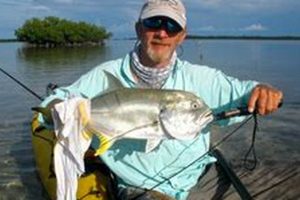
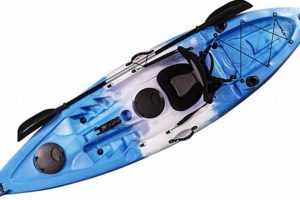
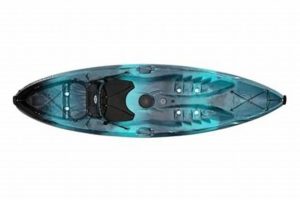
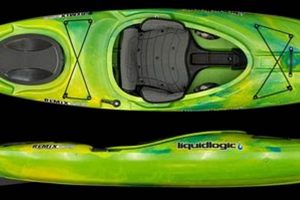
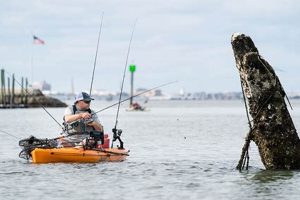
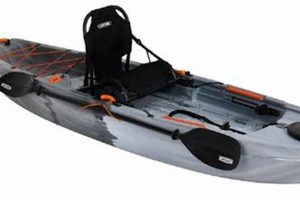
Advanced fishing kayaks represent a significant evolution in angling. These vessels incorporate cutting-edge technologies and design features for enhanced performance, stability, and angler comfort. Imagine a kayak equipped with integrated fish finders, GPS navigation, and pedal-powered propulsion systems, all seamlessly blended into a lightweight, durable hull.
Such advancements offer significant advantages. Improved stability and maneuverability allow anglers to access previously unreachable fishing grounds. Integrated technology provides real-time data for informed decision-making, potentially increasing catch rates. Ergonomic designs and enhanced comfort features enable longer fishing trips with reduced physical strain. This evolution builds upon decades of kayak design, incorporating feedback from anglers and advancements in materials science to create a superior on-the-water experience.
This discussion will delve further into the specific features, benefits, and different types of advanced fishing kayaks available, offering prospective buyers valuable information for selecting the perfect vessel for their individual needs.
Tips for Selecting an Advanced Fishing Kayak
Choosing the right advanced fishing kayak requires careful consideration of individual needs and preferences. These tips offer guidance for navigating the selection process.
Tip 1: Prioritize Stability and Hull Design: Consider the intended fishing environment. A wider, flatter hull provides greater stability in calm waters, while a longer, V-shaped hull offers better performance in rough conditions.
Tip 2: Evaluate Propulsion Systems: Pedal-powered kayaks offer hands-free fishing and increased speed, while paddle kayaks offer a traditional experience and greater portability. Motorized options provide the greatest range but may require additional licensing or registration.
Tip 3: Assess Integrated Technology: Examine the types and quality of integrated technology, including fish finders, GPS, and sonar. Ensure compatibility with preferred devices and software.
Tip 4: Consider Storage Capacity: Evaluate the available storage for tackle, gear, and personal items. Ensure sufficient space for intended fishing trips and target species.
Tip 5: Examine Comfort and Ergonomics: Assess the seat design, adjustability, and overall comfort. A comfortable kayak allows for longer fishing sessions with reduced fatigue.
Tip 6: Factor in Weight and Portability: Consider the kayak’s weight and transport options. Lighter kayaks are easier to transport and launch, especially for solo anglers.
Tip 7: Research Brands and Reviews: Thoroughly research reputable brands and read reviews from other anglers. This provides valuable insights into performance, durability, and customer satisfaction.
By carefully evaluating these factors, anglers can select an advanced fishing kayak that optimizes their on-the-water experience and enhances fishing success.
This information provides a solid foundation for making an informed purchasing decision. The subsequent sections will offer a detailed analysis of specific models and features.
1. Advanced Hull Designs

Advanced hull designs represent a cornerstone of next-generation fishing kayaks, directly influencing performance, stability, and overall angling experience. Traditional kayak hulls often compromise speed for stability or vice-versa. Modern designs leverage hydrodynamic principles and innovative materials to optimize both. Tunnel hulls, for instance, enhance stability by reducing water displacement, while allowing for shallow-water access crucial for inshore fishing. Catamaran-style hulls provide exceptional stability combined with efficient tracking, beneficial for offshore angling. Furthermore, the integration of features like chines and displacement hulls further refines performance characteristics, catering to specific fishing styles and environments.
Consider the example of a fishing kayak designed for river angling. A multi-chine hull allows for precise maneuvering in currents and rapids, while maintaining stability for casting. Conversely, an offshore fishing kayak benefits from a displacement hull designed for speed and efficiency in open water, coupled with a pronounced keel for enhanced tracking in challenging conditions. These examples illustrate the direct correlation between advanced hull design and the kayak’s intended purpose. Understanding these design principles empowers anglers to select vessels tailored to their specific fishing requirements.
In conclusion, the evolution of hull design significantly contributes to the overall advancement of fishing kayaks. Matching hull characteristics to specific fishing needs optimizes performance, enhances safety, and ultimately improves the angling experience. Future developments in materials science and hydrodynamic modeling promise further advancements, continually refining the relationship between hull design and on-the-water performance.
2. Integrated Technology

Integrated technology distinguishes next-generation fishing kayaks, transforming them into versatile, data-rich platforms. This integration seamlessly blends electronics and digital tools to enhance angling effectiveness, navigation, and safety. The following facets illustrate the scope and impact of this technological advancement.
- Fish Finders and Sonar:
Modern fish finders utilize sonar technology to provide real-time underwater imagery, revealing fish location, depth, bottom structure, and water temperature. Transducers integrated into the kayak’s hull offer unobtrusive operation. This information empowers anglers to make informed decisions about lure selection, retrieval techniques, and fishing location, significantly increasing the probability of success.
- GPS and Chartplotters:
Integrated GPS and chartplotters offer precise navigation and mapping capabilities. Anglers can mark waypoints for productive fishing spots, navigate safely in unfamiliar waters, and track their routes. Real-time location data enhances safety and allows for efficient coverage of target areas. Compatibility with mobile devices further extends functionality.
- Motorized and Pedal-Powered Propulsion:
Integrated propulsion systems revolutionize kayak fishing by providing efficient, hands-free movement. Pedal drives allow anglers to maintain a natural fishing posture while propelling the kayak, leaving hands free for casting and reeling. Motorized systems offer increased speed and range, particularly beneficial in larger bodies of water or against strong currents. Integrated controls simplify operation and enhance maneuverability.
- Connectivity and Mobile Integration:
Wireless connectivity and mobile device integration represent another significant advancement. Kayaks equipped with Bluetooth or Wi-Fi connectivity enable data transfer between onboard electronics and smartphones or tablets. Anglers can access real-time weather information, share fishing locations, and control integrated systems remotely. This seamless integration of digital tools enhances the overall fishing experience and expands possibilities for data analysis and sharing.
These integrated technologies transform the fishing kayak from a simple vessel into a sophisticated angling platform. This synergistic combination of digital tools and physical design significantly enhances fishing efficiency, safety, and enjoyment. As technology continues to evolve, further integration promises even greater advancements in the future, continually redefining the possibilities of kayak fishing.
3. Enhanced Propulsion

Enhanced propulsion systems represent a defining characteristic of next-generation fishing kayaks, fundamentally changing how anglers approach on-the-water mobility. These systems offer significant advantages over traditional paddling, impacting speed, efficiency, and overall fishing effectiveness. Exploration of the key facets below illuminates the transformative nature of these advancements.
- Pedal-Powered Propulsion:
Pedal drives provide a hands-free propulsion method, allowing anglers to maintain a natural fishing posture while simultaneously maneuvering the kayak. This biomechanically efficient system utilizes leg muscles, generally stronger than arm muscles, reducing fatigue and enabling longer fishing sessions. Examples include rotational pedal drives mimicking cycling and fin-based systems emulating swimming motions. The implications for fishing are substantial: increased speed and range, enhanced maneuverability in challenging environments, and the ability to fish continuously without pausing to paddle.
- Motorized Propulsion:
Electric motors offer the greatest power and range of current propulsion systems. Integrated trolling motors provide variable speed control and directional steering, allowing anglers to cover large distances quickly and efficiently. This proves particularly advantageous in vast bodies of water, strong currents, or when targeting specific locations rapidly. Considerations include battery life, weight capacity, and potential regulations regarding motorized watercraft. The added speed and range significantly expand fishing possibilities.
- Hybrid Systems:
Emerging hybrid propulsion systems combine the benefits of pedal and motor power. These systems allow anglers to switch seamlessly between human-powered and electric propulsion based on need and environmental conditions. For example, an angler might use pedal power for quiet maneuvering in shallows, then engage the motor for traversing open water or combating strong currents. This adaptable approach maximizes efficiency and expands the kayak’s operational versatility.
- Impact on Fishing Techniques:
Enhanced propulsion systems directly impact fishing techniques and strategies. Hands-free operation allows for techniques like trolling, where multiple lines are trailed behind the moving kayak. Increased maneuverability enables precise positioning for casting in tight spots or navigating complex waterways. The ability to cover greater distances efficiently expands access to previously unreachable fishing grounds, increasing the potential for success.
These advancements in propulsion technology significantly redefine the capabilities of fishing kayaks. By increasing speed, range, and maneuverability while simultaneously reducing angler fatigue, these systems elevate the fishing experience and expand access to a wider range of angling opportunities. The ongoing development and refinement of propulsion technologies promise further advancements, continuing to shape the future of kayak fishing.
4. Increased Stability

Increased stability represents a critical advancement in next-generation fishing kayaks, directly impacting angler safety, comfort, and fishing effectiveness. Traditional kayak designs often presented a trade-off between stability and maneuverability. However, advancements in hull design, construction materials, and outrigger systems now deliver significantly greater stability without compromising performance. This enhanced stability allows anglers to confidently stand and cast, fight larger fish, and navigate challenging water conditions. Consider the example of sight fishing in shallow water. The ability to stand provides a superior vantage point for spotting fish and making accurate casts, a significant advantage unattainable in less stable kayaks. Similarly, increased stability enhances safety when landing large fish or navigating rough water, mitigating the risk of capsizing. The practical implications of this enhanced stability are substantial, transforming the kayak into a more versatile and secure fishing platform.
Several factors contribute to increased stability. Wider hulls and flatter bottoms provide a larger surface area in contact with the water, enhancing primary stability. Multi-chine hulls improve secondary stability, resisting tipping when leaning or turning. Outrigger systems, either integrated or removable, further augment stability by extending the kayak’s lateral support. Advanced materials like high-density polyethylene contribute to overall structural rigidity, enhancing stability and durability. Understanding these design principles allows anglers to select kayaks optimized for their specific needs and fishing styles. For instance, an angler targeting large game fish in offshore waters prioritizes maximum stability, while an angler fishing in protected bays might opt for a slightly less stable design prioritizing maneuverability.
In conclusion, increased stability stands as a defining characteristic of next-generation fishing kayaks. This advancement results from a confluence of design innovations and material advancements, significantly enhancing angler safety, comfort, and fishing effectiveness. The ability to stand, cast, and fight fish from a stable platform opens up new possibilities for fishing techniques and expands access to diverse fishing environments. This enhanced stability translates to a more confident, comfortable, and ultimately more successful angling experience. Continued development in hull design and stability systems promises further refinements, solidifying the crucial role of stability in the evolution of fishing kayaks.
5. Improved Comfort
Improved comfort represents a significant advancement in next-generation fishing kayaks, directly impacting angler endurance, focus, and overall enjoyment. Traditional fishing kayaks often prioritized functionality over comfort, leading to fatigue and discomfort during long fishing trips. Next-generation designs, however, prioritize ergonomic principles and innovative materials to enhance comfort and reduce physical strain, allowing anglers to fish longer and more effectively. This focus on comfort translates to a more enjoyable and productive on-the-water experience.
- Adjustable Seating Systems:
Advanced seating systems offer a range of adjustability options to accommodate individual body types and preferences. Features like adjustable backrests, lumbar support, and leg rests provide customized comfort and reduce strain on the back, neck, and legs. High-quality padding and breathable materials enhance comfort in varying weather conditions. The ability to fine-tune seating position optimizes posture and reduces fatigue, allowing anglers to remain comfortable and focused throughout extended fishing sessions. Examples include adjustable high-low seating systems that provide varying vantage points and ergonomic designs that conform to the body’s natural contours.
- Ergonomic Design Features:
Ergonomic design principles are integrated throughout next-generation fishing kayaks. Features like padded armrests, adjustable foot braces, and strategically placed rod holders minimize strain and maximize efficiency. Recessed areas for tackle storage and easy-to-reach accessory mounts further enhance convenience and reduce unnecessary movement. These design considerations promote a natural and comfortable fishing posture, allowing anglers to focus on the task at hand without physical distractions. Examples include integrated thigh braces that provide additional support and stability while paddling or pedaling and contoured footwells that accommodate various foot sizes and positions.
- Advanced Materials and Construction:
Advanced materials and construction techniques contribute significantly to comfort. Lightweight yet durable materials reduce overall kayak weight, making transport and launching easier. Impact-resistant hulls and decks provide a stable and secure platform, enhancing confidence and reducing fatigue. High-quality padding and breathable fabrics in seating systems enhance comfort and regulate temperature. These material advancements combine to create a more comfortable and user-friendly experience. Examples include the use of rotomolded polyethylene for durability and UV resistance and the incorporation of lightweight composites for enhanced performance and reduced weight.
- Stand-Up Assist Straps and Features:
Many next-generation kayaks feature integrated stand-up assist straps and features, further enhancing comfort and versatility. These features allow anglers to transition smoothly from a seated to a standing position, providing a different perspective for sight fishing, casting, and landing fish. Stable standing platforms and strategically placed grab handles ensure safety and stability while standing. This added versatility reduces fatigue associated with prolonged sitting and allows anglers to adapt to different fishing situations and preferences. Examples include integrated deck padding for secure footing while standing and retractable stand-assist straps for easy deployment and storage.
These advancements in comfort features collectively enhance the overall fishing experience. By reducing fatigue, improving posture, and providing customized support, next-generation kayaks allow anglers to focus on fishing, maximizing enjoyment and success on the water. The ongoing integration of ergonomic principles and innovative materials promises further enhancements in comfort, continually refining the relationship between angler and kayak. This focus on comfort not only improves the fishing experience but also contributes to angler safety and long-term well-being, emphasizing the importance of ergonomic design in the evolution of fishing kayaks.
6. Superior Durability

Superior durability represents a crucial attribute of next-generation fishing kayaks, directly impacting vessel lifespan, performance, and overall value. These kayaks are subjected to harsh marine environments, including UV exposure, saltwater corrosion, and impacts from rocks, submerged debris, and aggressive fish. Enhanced durability ensures long-term performance, minimizes maintenance requirements, and maximizes return on investment. Robust construction and advanced materials safeguard against wear and tear, allowing anglers to confidently navigate challenging environments and focus on fishing.
- Advanced Materials:
Next-generation kayaks utilize advanced materials engineered for exceptional durability. Rotomolded high-density polyethylene (HDPE) provides a seamless, impact-resistant hull and deck, resistant to punctures, abrasion, and UV degradation. Thermoformed ABS and ASA plastics offer increased rigidity and impact resistance, particularly beneficial in rocky environments or when encountering submerged obstacles. These materials ensure structural integrity and long-term performance in demanding conditions. Examples include multi-layer HDPE construction with added UV inhibitors and impact-modified ABS formulations designed for extreme durability.
- Reinforced Construction Techniques:
Reinforced construction techniques further enhance durability. Strategic reinforcement in high-stress areas, such as the keel, chines, and seating areas, adds structural integrity and prevents cracking or deformation. Reinforced seams and joints prevent water intrusion and ensure a watertight seal. Examples include rib-reinforced hulls for added stiffness and impact resistance and reinforced deck hatches for enhanced load-bearing capacity.
- UV Resistance and Colorfastness:
UV resistance plays a critical role in kayak longevity. Prolonged exposure to sunlight degrades plastics, causing fading, cracking, and reduced structural integrity. Next-generation kayaks incorporate UV inhibitors and stabilizers into the construction materials, protecting against sun damage and ensuring long-lasting colorfastness. This protection maintains the kayak’s aesthetic appeal and extends its functional lifespan, minimizing the need for frequent replacements. Examples include UV-resistant coatings applied to the hull and deck and the use of pigments designed for long-term color stability in harsh sunlight.
- Corrosion-Resistant Hardware:
Corrosion-resistant hardware is essential for long-term performance in saltwater environments. Stainless steel fasteners, marine-grade aluminum components, and corrosion-resistant coatings protect against rust and degradation, ensuring smooth operation and extended lifespan of critical components like hatches, rudder systems, and seat mounts. This attention to detail minimizes maintenance requirements and ensures reliable performance over time. Examples include stainless steel fasteners used throughout the kayak and anodized aluminum components for enhanced corrosion resistance.
These facets of superior durability collectively contribute to the long-term value and performance of next-generation fishing kayaks. By utilizing advanced materials, reinforced construction techniques, and corrosion-resistant hardware, these kayaks withstand the rigors of the marine environment, minimizing maintenance and maximizing lifespan. This robust construction empowers anglers to confidently explore diverse fishing environments, knowing their equipment can withstand the challenges. The investment in superior durability ultimately translates to a more reliable, long-lasting, and cost-effective ownership experience.
Frequently Asked Questions
This section addresses common inquiries regarding advanced fishing kayaks, providing concise and informative responses.
Question 1: What differentiates advanced fishing kayaks from traditional designs?
Advanced fishing kayaks incorporate cutting-edge technologies, materials, and design features for enhanced performance, stability, comfort, and fishing effectiveness. Key differentiators include integrated electronics, advanced propulsion systems, specialized hull designs, and enhanced ergonomics.
Question 2: Are advanced fishing kayaks suitable for beginners?
While some advanced features benefit experienced anglers, many models cater to beginners. Factors like stability, ease of use, and simplified propulsion systems contribute to beginner-friendliness. Selecting a model appropriate for skill level and intended fishing environment is crucial.
Question 3: How does hull design impact performance?
Hull design significantly influences stability, speed, maneuverability, and tracking. Wider, flatter hulls provide greater stability, while longer, V-shaped hulls enhance speed and tracking. Specialized designs like tunnel hulls and catamaran hulls cater to specific fishing environments and styles.
Question 4: What are the advantages of pedal-powered propulsion?
Pedal-powered propulsion systems offer hands-free operation, increased speed and range compared to paddling, and enhanced maneuverability. This allows anglers to focus on fishing while maintaining precise boat control, particularly beneficial for techniques like trolling or fishing in currents.
Question 5: How important is integrated technology in a fishing kayak?
Integrated technology significantly enhances fishing effectiveness. Fish finders provide real-time underwater insights, GPS and chartplotters aid navigation, and integrated connectivity enables data sharing and access to real-time information. The level of technological integration depends on individual needs and preferences.
Question 6: What factors should be considered when choosing an advanced fishing kayak?
Key considerations include intended fishing environment, skill level, desired features, budget, transportation and storage logistics, and brand reputation. Careful evaluation of these factors ensures selection of a kayak optimized for individual needs and preferences.
Understanding these key aspects of advanced fishing kayaks facilitates informed decision-making. Prospective buyers should carefully evaluate their individual needs and priorities to select the most suitable vessel.
The following section will delve into specific model comparisons and recommendations based on various fishing styles and budgets.
Next-Gen Fishing Kayaks
This exploration of next-gen fishing kayaks reveals a significant evolution in angling technology and design. Advanced hull designs, integrated technology, enhanced propulsion systems, increased stability, improved comfort, and superior durability collectively redefine the on-the-water experience. These advancements empower anglers to fish more effectively, explore new waters with confidence, and enjoy extended time on the water in greater comfort.
The future of fishing kayaks promises continued innovation, driven by advancements in materials science, electronics integration, and a deeper understanding of angler needs. As technology continues to evolve, next-gen fishing kayaks will undoubtedly play an increasingly prominent role in shaping the future of angling, offering unparalleled opportunities for exploration, connection with nature, and the pursuit of trophy catches.