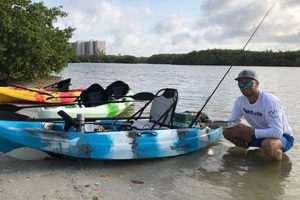
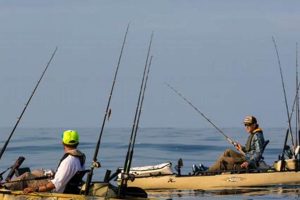
Essential gear for anglers embarking on kayak fishing trips encompasses a range of items, from fundamental safety equipment to specialized fishing tools. For example, a personal flotation device (PFD) is non-negotiable, while a fishing rod and appropriate lures are critical for the targeted pursuit of fish. Other items such as a dry bag for personal belongings, a paddle leash, and a bilge pump can significantly enhance safety and convenience on the water.
Having the proper equipment contributes significantly to both safety and fishing success. A well-chosen life vest provides essential buoyancy in case of capsize, while a reliable paddle and appropriate clothing allow for comfortable maneuvering and thermoregulation in varying weather conditions. Specialized fishing gear, such as rod holders and fish finders, enhances efficiency and the overall fishing experience. The evolution of kayak fishing reflects a growing appreciation for the sport’s unique blend of accessibility and adventure, with specialized equipment continually developing to improve safety and optimize angling opportunities.
The following sections will delve deeper into specific equipment categories crucial for kayak fishing, offering detailed guidance on selection, usage, and maintenance. Topics covered will include personal safety equipment, essential kayak accessories, fishing-specific gear, and recommended clothing and footwear.
Essential Kayak Fishing Tips
Careful planning and preparation are crucial for a safe and successful kayak fishing excursion. The following tips offer valuable guidance for anglers of all experience levels.
Tip 1: Prioritize Safety Equipment: Always wear a properly fitted personal flotation device (PFD). Carry a whistle for signaling, a first-aid kit for minor injuries, and a communication device in case of emergencies. Consider a float plan, informing someone of your intended route and return time.
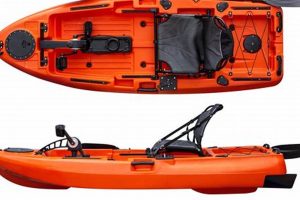
Tip 2: Choose the Right Kayak: Select a kayak designed for stability and fishing, offering ample storage for gear. Sit-on-top kayaks are generally preferred for their self-bailing capabilities and ease of re-entry after a capsize.
Tip 3: Pack Essential Fishing Gear: Rods, reels, lines, lures, and tackle should be chosen based on the target species. A tackle box or bag keeps equipment organized and accessible. Rod holders and fish finders enhance efficiency.
Tip 4: Dress Appropriately: Wear quick-drying clothing suitable for varying weather conditions. Consider a wide-brimmed hat for sun protection and polarized sunglasses to reduce glare and spot fish in the water. Water shoes are recommended for comfort and grip.
Tip 5: Check Weather Conditions: Always consult weather forecasts before embarking on a fishing trip. Avoid strong winds, lightning storms, and extreme temperatures. Be aware of changing tides and currents.
Tip 6: Practice Kayak Handling: Familiarize oneself with basic paddling techniques and maneuvering skills before venturing into open water. Practice self-rescue techniques in a controlled environment.
Tip 7: Respect the Environment: Adhere to local fishing regulations and practice catch-and-release whenever possible. Pack out all trash and minimize disturbance to wildlife and their habitats.
Implementing these strategies enhances safety and increases the likelihood of a successful and enjoyable fishing experience. Careful preparation allows anglers to focus on the sport and appreciate the natural surroundings.
By following these recommendations and adapting them to individual needs and specific fishing locations, anglers can enhance their kayak fishing endeavors significantly.
1. Safety Gear (PFD, Whistle)

Safety equipment stands as a cornerstone of responsible kayak fishing. Prioritizing safety enhances not only personal well-being but also the overall enjoyment of the experience. Understanding the role and application of essential safety gear is crucial for mitigating potential risks inherent in the aquatic environment.
- Personal Flotation Devices (PFDs)
PFDs are non-negotiable for kayak fishing. They provide essential buoyancy in the event of capsize or unexpected immersion, significantly increasing chances of survival. Selecting a comfortable, well-fitting PFD designed for paddling is crucial. Inflatable PFDs offer greater freedom of movement, while inherently buoyant PFDs provide immediate flotation. Regular inspection and proper maintenance ensure continued effectiveness.
- Whistles
A whistle serves as a compact, effective signaling device in emergencies. Its high-pitched sound carries over distances, alerting others to potential distress situations. Attaching the whistle to the PFD ensures accessibility in critical moments. Regularly testing the whistle verifies functionality. A whistle proves especially valuable in conditions of limited visibility or when separated from the kayak.
- Visual Distress Signals
Visual distress signals supplement auditory signals, increasing the likelihood of attracting attention. Items such as flares, signal mirrors, or strobe lights provide visual cues during daylight or nighttime emergencies. Understanding the proper use and limitations of these devices is essential for effective deployment. Checking expiration dates and storing signals in a waterproof container ensures readiness.
- Communication Devices
Carrying a waterproof communication device, such as a VHF radio or a satellite messenger, allows for contact with emergency services or shore-based support in case of unforeseen circumstances. Familiarization with proper radio protocols and emergency procedures is paramount. Ensuring adequate battery charge and protection from the elements maintains reliable functionality.
Investing in and utilizing appropriate safety gear directly contributes to a secure and positive kayak fishing experience. Careful consideration of these elements allows anglers to focus on the enjoyment of the sport while mitigating potential risks. Prioritizing safety underscores a commitment to responsible angling practices.
2. Stable Kayak

Kayak stability forms a cornerstone of successful and safe fishing excursions. A stable platform allows anglers to focus on casting, retrieving, and landing fish without the constant concern of capsizing. This stability is particularly crucial during critical moments, such as battling strong currents, hooking a large fish, or navigating challenging water conditions. A less stable kayak increases the likelihood of tipping, potentially leading to gear loss, injury, or even more serious consequences. For example, an angler attempting to net a fish from a wobbly kayak significantly increases the risk of capsize compared to performing the same action from a stable platform. Choosing a kayak with inherent stability, considering factors like width, hull design, and weight capacity, is essential for maximizing both safety and fishing effectiveness.
Several factors contribute to kayak stability. Wider kayaks generally offer greater initial stability, resisting tipping when at rest. Hull design also plays a critical role, with flatter hulls providing more initial stability, while more rounded or v-shaped hulls excel in tracking and maintaining stability in rougher waters. The kayak’s weight capacity should be matched to the angler’s weight and the combined weight of all gear to maintain optimal performance and stability. Adding features like outriggers can further enhance stability, especially for anglers who prioritize standing while fishing. Understanding these factors enables anglers to select a kayak that best suits their individual needs and fishing style, contributing to a safer and more productive on-the-water experience. Consider a scenario where an angler needs to make a quick maneuver to avoid an obstacle; a stable kayak allows for swift, confident adjustments, whereas an unstable kayak might react unpredictably, potentially resulting in capsize.
Selecting a stable kayak profoundly influences the overall kayak fishing experience. Enhanced stability translates to increased confidence, allowing anglers to focus on fishing rather than constantly battling for balance. This enhanced confidence enables exploration of more challenging fishing locations, access to previously unreachable waters, and ultimately, a more productive and enjoyable angling experience. Prioritizing stability as a key criterion when choosing a kayak significantly contributes to both safety and fishing success, laying the foundation for rewarding excursions on the water. Ignoring the importance of stability can lead to frustration, compromised safety, and ultimately, a diminished enjoyment of the sport.
3. Appropriate Paddle

Paddle selection significantly impacts kayak fishing effectiveness and overall enjoyment. An appropriate paddle enhances maneuverability, conserves energy, and reduces strain, allowing anglers to focus on fishing rather than strenuous paddling. Incorrect paddle choices can lead to fatigue, discomfort, and reduced fishing time. Optimizing paddle selection contributes directly to a more productive and enjoyable experience on the water.
- Paddle Length
Paddle length is determined by factors including kayak width, paddler height, and paddling style. A paddle that is too short requires excessive effort and reduces efficiency, while a paddle that is too long can be cumbersome and difficult to control. Proper length facilitates efficient, comfortable paddling strokes, maximizing power transfer and minimizing strain on joints and muscles. For instance, a taller paddler in a wider kayak requires a longer paddle than a shorter paddler in a narrower kayak. Using an appropriately sized paddle contributes to energy conservation, allowing for longer fishing sessions without undue fatigue.
- Blade Shape and Size
Blade shape and size influence paddling efficiency and performance. Larger blades provide more power per stroke, but require greater effort, while smaller blades offer more control and are better suited for longer periods of paddling. Blade shape also affects performance; symmetrical blades offer versatility, while asymmetrical blades are designed to reduce flutter and enhance efficiency. Choosing between high-angle and low-angle blades depends on paddling style and kayak type. For example, a high-angle paddle is suitable for short, powerful strokes in a sit-on-top kayak, while a low-angle paddle is more efficient for longer touring paddles in a sea kayak. Appropriate blade selection directly impacts paddling efficiency, reducing fatigue and maximizing time spent fishing.
- Shaft Material and Construction
Paddle shaft materials affect weight, durability, and performance. Aluminum shafts are durable and affordable, while fiberglass and carbon fiber shafts are lighter and offer increased performance but come at a higher cost. Shaft construction also varies; one-piece paddles are durable and efficient, while two-piece or four-piece paddles offer portability and storage convenience. For instance, a carbon fiber paddle is ideal for long-distance paddling or situations where weight is a critical factor, while an aluminum paddle offers a robust and cost-effective option for recreational use. Choosing the appropriate shaft material and construction balances performance, durability, and budget considerations.
- Paddle Feathering
Paddle feathering refers to the angle between the blades. Feathered blades reduce wind resistance on the blade out of the water, improving efficiency, particularly in windy conditions. The degree of feathering can be adjusted to suit individual paddling styles and preferences. While feathered paddles offer efficiency benefits, they require more wrist rotation and can be challenging for beginners. Unfeathered paddles are simpler to use but may be less efficient in windy conditions. Understanding the advantages and disadvantages of feathered versus unfeathered paddles allows anglers to make informed choices based on their skill level and paddling environment.
Choosing the right paddle directly contributes to an angler’s effectiveness and enjoyment on the water. A well-chosen paddle allows for efficient maneuvering, conserves energy, and enhances overall fishing performance. By considering factors like paddle length, blade shape and size, shaft material, and feathering, anglers can optimize their paddling experience and focus on what matters most: catching fish. This reinforces the importance of the “appropriate paddle” as a crucial component within the broader context of “necessities for kayak fishing.”
4. Fishing Tackle (Rod, Reel)
Specialized fishing tackle represents a critical component within the broader context of kayak fishing necessities. Rod and reel selection directly influences an angler’s ability to effectively target specific species, handle varying fishing conditions, and ultimately, achieve angling success. Consider the cause-and-effect relationship: an angler targeting large saltwater species from a kayak requires heavier tackle than someone pursuing panfish in a calm freshwater lake. Choosing inappropriate tackle can lead to lost fish, broken lines, and damaged equipment. For instance, using a lightweight freshwater rod and reel for offshore saltwater fishing would likely result in equipment failure and an unsuccessful outing. The importance of appropriate tackle becomes readily apparent in such scenarios, highlighting its crucial role in the overall kayak fishing experience. Choosing the right tackle ensures a balanced and effective setup, maximizing the angler’s chances of success.
Practical application of this understanding involves careful consideration of target species, fishing environment, and desired fishing techniques. Anglers targeting larger, more powerful fish require heavier rods, stronger reels, and higher test lines. Conversely, finesse fishing for smaller species necessitates lighter, more sensitive tackle. The fishing environment also dictates tackle choices; saltwater fishing demands corrosion-resistant gear, while freshwater fishing offers more flexibility in material selection. Fishing techniques further refine tackle choices; trolling requires different rods and reels than casting or jigging. For example, an angler trolling for salmon needs a sturdy rod and reel with a high line capacity, while someone casting for bass might opt for a shorter, more sensitive rod and reel. Understanding these nuances allows anglers to tailor their tackle selection to specific needs and maximize their chances of a successful fishing trip.
In summary, effective kayak fishing hinges on appropriate tackle selection. The relationship between target species, fishing environment, and fishing techniques directly dictates rod and reel choices. Careful consideration of these factors, informed by an understanding of the practical implications, empowers anglers to make informed decisions, optimize their fishing setups, and enhance their overall experience on the water. Challenges may include budgetary constraints or limited storage space on the kayak, necessitating careful prioritization and potentially multi-purpose tackle choices. Ultimately, aligning tackle selection with specific fishing goals contributes significantly to successful kayak angling within the framework of essential necessities.
Effective navigation and the strategic use of electronics play a crucial role in successful kayak fishing. These tools enhance safety, improve fishing efficiency, and contribute to a more informed and enjoyable experience on the water. From basic navigational aids to advanced fish-finding technology, understanding the role and application of these tools is essential for any serious kayak angler. Neglecting these aspects can limit fishing success and potentially compromise safety, especially in unfamiliar waters or challenging conditions. The following facets explore the connection between navigation/electronics and the essential requirements for kayak fishing.
- GPS and Chartplotters
GPS units and chartplotters provide precise location data and navigational guidance, crucial for safe and efficient kayak fishing. They enable anglers to mark waypoints, track routes, and navigate to specific fishing spots, especially in larger bodies of water or areas with complex shorelines. For example, marking a productive reef or a submerged structure allows for easy return on subsequent trips. Chartplotters provide detailed maps of waterways, including depth contours, navigation hazards, and other relevant information. This knowledge enhances situational awareness and allows anglers to make informed decisions about where to fish and how to navigate safely. Integrating GPS technology with other electronics, such as fish finders, creates a powerful tool for locating and targeting fish.
- Fish Finders
Fish finders utilize sonar technology to locate fish and map underwater structures. They provide real-time information about water depth, bottom contours, and the presence of fish, enabling anglers to identify promising fishing locations and adjust their techniques accordingly. For instance, identifying a school of baitfish near a drop-off can guide lure selection and presentation. Different types of fish finders offer varying features and capabilities, from basic depth sounders to advanced units with side-scanning and down-scanning sonar. Understanding the capabilities and limitations of different fish finders allows anglers to choose the most suitable model for their specific needs and fishing style. The strategic use of fish finders significantly improves fishing efficiency and increases the likelihood of success.
- VHF Radios
VHF radios provide essential communication capabilities for kayak anglers. They enable communication with other boaters, marinas, and, critically, emergency services. In situations of distress, a VHF radio can be a lifeline, allowing anglers to call for assistance. Regularly monitoring weather channels provides crucial updates on changing conditions, enhancing safety and allowing anglers to make informed decisions about continuing or altering their fishing plans. Knowing proper radio protocols and emergency procedures is paramount for effective communication in critical situations. While mobile phones can sometimes serve as a backup communication method, their reliability in remote areas or during emergencies can be limited compared to a dedicated VHF radio.
- Other Electronic Devices: Compasses/Smartphones with Apps
Compasses provide a basic but reliable means of navigation, particularly as a backup to electronic systems. Understanding compass use and interpreting bearings remains a valuable skill, especially in situations where electronic navigation systems fail. Smartphones equipped with GPS and specialized fishing apps offer additional tools for navigation, tide charts, weather forecasts, and even fish identification. These apps can complement dedicated electronic devices, providing valuable information and enhancing the overall fishing experience. However, relying solely on smartphones for navigation carries risks due to battery life limitations and potential signal loss. Carrying a waterproof case or pouch protects these devices from the elements and ensures their functionality.
The strategic integration of navigation and electronic devices enhances safety, improves fishing efficiency, and contributes significantly to a successful kayak fishing experience. From basic navigational tools like compasses and maps to advanced electronics like GPS/chartplotters and fish finders, these tools empower anglers to make informed decisions, navigate safely, and locate fish effectively. By carefully considering their specific needs and fishing environment, anglers can select the most appropriate combination of navigation and electronic tools to enhance their time on the water within the larger context of essential kayak fishing necessities. Understanding the functionalities and limitations of each tool allows for informed decision-making and contributes to a safer and more productive angling experience.
6. Weather-Appropriate Clothing

Appropriate attire plays a crucial role in kayak fishing, impacting safety, comfort, and overall performance. Protection from the elements, including sun, wind, rain, and cold water, is paramount for maintaining focus and maximizing fishing time. Incorrect clothing choices can lead to discomfort, hypothermia, sunburn, or other adverse conditions that compromise both safety and enjoyment. Understanding the connection between weather-appropriate clothing and essential kayak fishing needs allows anglers to make informed decisions and prioritize both comfort and safety.
- Layering for Variable Conditions
Layering clothing provides adaptability to changing weather conditions throughout the day. Multiple thin layers offer better insulation and temperature regulation than a single thick layer, allowing anglers to adjust to fluctuating temperatures and activity levels. A base layer of moisture-wicking material draws sweat away from the skin, keeping the angler dry and comfortable. Mid-layers provide insulation, while an outer layer protects against wind and rain. For example, an angler might start with a lightweight base layer, add a fleece jacket as a mid-layer, and finish with a waterproof and breathable outer shell. This adaptable system allows for comfortable fishing in a range of conditions, from cool mornings to warmer afternoons.
- Protection from Sun and Water
Protection from the sun’s harmful ultraviolet (UV) rays is essential for kayak anglers who spend extended periods on the water. Long-sleeved shirts, wide-brimmed hats, and sunglasses with UV protection minimize sun exposure and reduce the risk of sunburn and long-term skin damage. Waterproof and breathable outerwear shields against rain and spray, keeping the angler dry and comfortable even in wet conditions. For instance, choosing a lightweight, breathable rain jacket allows for comfortable movement while providing protection from unexpected showers. These preventative measures enhance comfort and allow anglers to focus on fishing without the distraction of sun or water exposure.
- Footwear for Traction and Comfort
Proper footwear enhances both comfort and safety on a kayak. Water shoes or sandals designed for aquatic environments provide secure footing on wet surfaces, reducing the risk of slips and falls. They also offer quick-drying capabilities and drainage, crucial for maintaining comfort and preventing blisters or other foot problems. For example, non-marking rubber soles provide excellent grip on wet kayak decks and rocks, enhancing stability while entering or exiting the kayak. Choosing appropriate footwear contributes to overall comfort and safety, allowing anglers to move confidently and focus on their fishing technique.
- Cold-Weather Gear for Extreme Conditions
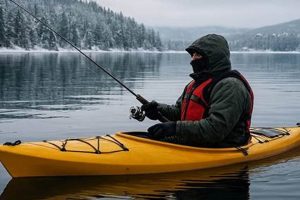
In colder climates or during winter months, specialized cold-weather gear is crucial for maintaining core body temperature and preventing hypothermia. Insulated and waterproof jackets, pants, and gloves protect against wind, rain, and cold water immersion. Dry suits offer the highest level of protection in extreme conditions, providing full-body insulation and preventing water entry. Layering principles still apply in cold weather, allowing anglers to adjust to changing conditions. For instance, an angler fishing in icy conditions might wear a thermal base layer, insulated mid-layers, and a waterproof and breathable outer shell, along with insulated gloves and a hat. Prioritizing warmth and dryness in cold conditions is essential for safety and ensures a more comfortable and productive fishing experience.
Weather-appropriate clothing directly impacts the safety, comfort, and overall success of kayak fishing excursions. By carefully considering layering strategies, sun and water protection, appropriate footwear, and cold-weather gear, anglers can mitigate potential risks, enhance comfort, and maximize fishing time. These considerations, integrated with other essential kayak fishing necessities, contribute to a more enjoyable and productive experience on the water. Investing in suitable clothing prepares anglers for varied conditions, allowing them to focus on fishing rather than battling the elements. This underscores the important connection between weather-appropriate attire and the broader framework of essential kayak fishing necessities.
Frequently Asked Questions
This section addresses common inquiries regarding essential equipment for kayak fishing, providing concise and informative responses to facilitate informed decision-making and enhance on-the-water preparedness.
Question 1: What type of kayak is best suited for fishing?
Sit-on-top kayaks are generally preferred for their stability, self-bailing capabilities, and ease of re-entry after a capsize. Specific features like rod holders, tackle storage, and anchor trolleys further enhance their suitability for fishing.
Question 2: Is a specific type of fishing rod and reel required for kayak fishing?
Rod and reel selection depends on the target species and fishing techniques employed. Shorter rods are generally preferred for maneuverability within the confines of a kayak. Reels should be appropriately sized and matched to the rod and target species.
Question 3: What safety equipment is essential for kayak fishing?
A personal flotation device (PFD) is paramount. A whistle, visual distress signals, a first-aid kit, and a communication device (VHF radio or satellite messenger) are also highly recommended.
Question 4: How does one choose the right paddle for kayak fishing?
Paddle length is determined by factors such as kayak width and paddler height. Blade shape and size influence paddling efficiency. Lightweight materials like fiberglass or carbon fiber reduce fatigue during longer paddling sessions.
Question 5: What are the essential clothing considerations for kayak fishing?
Weather-appropriate clothing is crucial. Layering allows for adaptability to changing conditions. Protection from sun, wind, and rain enhances comfort and safety. Appropriate footwear provides traction and protects feet.
Question 6: What electronic devices enhance kayak fishing?
Fish finders assist in locating fish and underwater structures. GPS units and chartplotters aid navigation. VHF radios enable communication in emergencies. Smartphones with relevant apps provide supplementary information.
Careful consideration of these frequently asked questions enhances angler preparedness, contributing to a safer and more successful kayak fishing experience. Understanding equipment choices, safety considerations, and appropriate attire empowers anglers to make informed decisions and optimize their time on the water.
Further exploration of specific equipment categories and advanced techniques can enhance kayak fishing proficiency. Consult specialized resources and connect with experienced anglers for continued learning and skill development.
Essential Gear for Kayak Angling
Careful consideration of essential equipment significantly impacts kayak fishing outcomes. Prioritizing safety through appropriate personal flotation devices, signaling tools, and communication devices ensures angler well-being. Kayak selection, informed by stability and fishing-specific features, establishes a secure and functional platform. Optimized fishing tackle, including appropriate rods, reels, and line, directly influences angling success. Navigation and electronic devices, from basic compasses to advanced fish finders and GPS systems, enhance both safety and fishing efficiency. Finally, weather-appropriate clothing, chosen for comfort and protection against the elements, allows anglers to maintain focus and maximize time on the water. Each element plays a crucial, interconnected role in successful kayak angling.
Mastery of essential equipment selection and utilization empowers anglers to pursue their passion safely and effectively. Continuous learning, informed by experience and adaptation to specific fishing environments, further refines angling proficiency. Thoughtful preparation and a focus on essential gear contribute significantly to rewarding and safe kayak fishing experiences.