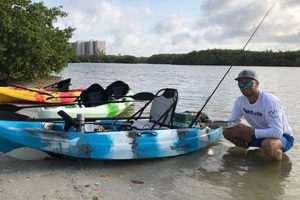
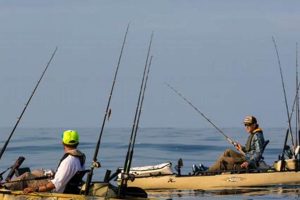
The confluence of a vibrant urban center with readily accessible waterways makes the metropolitan area an ideal location for this increasingly popular sport. Quiet, human-powered vessels allow anglers to explore diverse aquatic environments, from the Chattahoochee River to smaller lakes and ponds, targeting species such as bass, trout, catfish, and bream. This approach provides a unique perspective on the area’s natural resources, offering a close-to-nature experience within a major city.
This activity promotes a sustainable form of recreation that minimizes environmental impact while providing physical exercise and stress relief. It offers a cost-effective alternative to motorized boating, requiring less specialized equipment and lower operating expenses. Historically, small boats have been used for fishing on local waterways, but the recent surge in popularity reflects a broader societal shift towards eco-conscious outdoor pursuits. This renewed focus aligns with conservation efforts to preserve the region’s natural beauty and biodiversity.
This exploration will further delve into relevant aspects, including optimal locations, recommended equipment, necessary licenses and permits, seasonal variations in fish behavior, and responsible angling practices to ensure the long-term health of the ecosystem.
Tips for Kayak Fishing in Atlanta
Careful planning and preparation contribute significantly to a successful and enjoyable outing. The following recommendations offer guidance for anglers of all skill levels.
Tip 1: Research Suitable Locations: Investigating potential fishing spots beforehand allows for efficient use of time on the water. Online resources, local bait shops, and fishing forums can provide valuable insights into productive areas and species distribution.
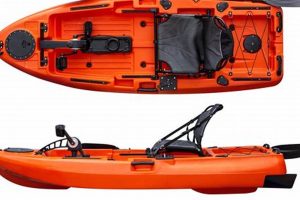
Tip 2: Choose Appropriate Gear: Selecting a kayak designed for stability and fishing features, such as rod holders and storage compartments, enhances comfort and functionality. Essential equipment includes appropriately sized rods, reels, lines, and lures tailored to target species.
Tip 3: Prioritize Safety: Wearing a personal flotation device (PFD) is paramount for safety. Carrying a whistle, signaling device, and first-aid kit is also recommended. Checking weather forecasts before embarking ensures preparedness for changing conditions.
Tip 4: Obtain Necessary Licenses and Permits: Anglers must possess valid fishing licenses and adhere to all applicable regulations governing specific waterways. Information regarding license requirements and permitted fishing methods can be obtained from the Georgia Department of Natural Resources.
Tip 5: Understand Seasonal Patterns: Fish behavior varies with water temperature and seasonal changes. Researching the preferred habitats and feeding patterns of target species during specific times of year increases the likelihood of success.
Tip 6: Practice Responsible Angling: Practicing catch-and-release conservation methods, properly disposing of fishing line and tackle, and respecting the natural environment contribute to the sustainability of the fishery and the enjoyment of future generations.
Tip 7: Learn Basic Kayak Handling Skills: Familiarizing oneself with basic paddling techniques and maneuvering skills before venturing onto the water promotes safety and confidence. Consider taking a beginner’s kayak lesson or practicing in calm waters.
Adherence to these guidelines enhances safety, increases the likelihood of a successful fishing trip, and promotes responsible stewardship of the natural environment.
These preparatory measures pave the way for a rewarding experience on the water, fostering a deeper appreciation for the sport and its surrounding ecosystem.
1. Location Selection

Strategic location selection is paramount for successful kayak fishing within the Atlanta metropolitan area. The diverse waterways offer a range of angling opportunities, each with distinct characteristics impacting species accessibility and overall experience. Careful consideration of factors such as target species, water conditions, and accessibility requirements informs optimal location choices.
- River Systems:
The Chattahoochee River, a prominent waterway traversing the region, provides diverse habitats for various species, including trout, bass, and catfish. Sections flowing through urban areas offer convenient access points, while more remote stretches upstream present a wilder angling experience. River flow rates, water clarity, and surrounding vegetation influence fish behavior and dictate suitable angling techniques.
- Lakes and Reservoirs:
Lake Lanier, Lake Allatoona, and smaller reservoirs within the metropolitan area offer expansive stillwater environments. These locations often hold populations of bass, crappie, and bream. Water depth, temperature gradients, and the presence of submerged structures like docks and brush piles impact fish distribution and angling strategies.
- Small Ponds and Urban Lakes:
Numerous smaller ponds and urban lakes scattered throughout the city provide accessible fishing opportunities closer to residential areas. These locations may contain panfish, bass, and catfish. Regulations and access limitations may apply, requiring prior research.
- Accessibility Considerations:
Evaluating access points, parking availability, and launch facilities streamlines the logistical aspects of kayak fishing. Some locations offer dedicated kayak launches, while others require carrying the kayak short distances. Considering these factors ensures a smooth and efficient start to the fishing trip.
By analyzing these location-specific factors, anglers can tailor their approach to maximize success and enjoyment. Matching target species to appropriate habitats, understanding prevailing water conditions, and utilizing suitable angling techniques contribute significantly to a productive and rewarding experience on Atlanta’s diverse waterways.
2. Kayak Choice
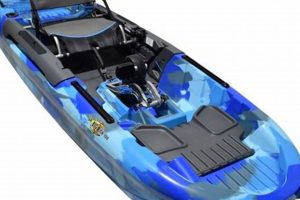
Kayak selection significantly impacts the effectiveness and enjoyment of fishing in the Atlanta area. The diverse waterways, ranging from the Chattahoochee River’s currents to the calmer waters of Lake Lanier, necessitate careful consideration of kayak characteristics. Stability, maneuverability, storage capacity, and compatibility with fishing accessories influence angling success and overall comfort. Choosing a kayak suited to the intended fishing environment and personal preferences is crucial.
For river fishing, where currents and potential obstacles exist, a shorter, wider kayak enhances stability and maneuverability. These designs facilitate navigating shallow areas and negotiating faster-moving water. Conversely, longer, narrower kayaks excel in larger, calmer bodies of water like Lake Lanier, providing increased speed and tracking efficiency for covering greater distances. Sit-on-top kayaks offer advantages for fishing, allowing for easier entry and exit, improved stability, and often integrated features like rod holders and storage compartments. Sit-in kayaks provide better protection from the elements and a drier ride but can be more challenging to re-enter after a water exit.
Integrating specialized features enhances the kayak’s fishing functionality. Built-in rod holders secure rods while paddling or tending to other tasks. Storage compartments accommodate tackle boxes, gear, and personal items. Anchor trolleys assist in maintaining position in current or wind. Considerations like weight capacity and portability also influence practicality, especially when transporting the kayak to and from launch sites. A well-chosen kayak complements the angler’s skill level and the specific demands of the chosen fishing environment, optimizing performance and comfort throughout the outing. Prioritizing these selection criteria contributes significantly to a successful and enjoyable experience on Atlanta’s waters.
3. Essential Gear

Effective angling in the Atlanta area requires a carefully curated selection of essential gear, tailored to the specific challenges and opportunities presented by the diverse local waterways. This equipment directly impacts an angler’s safety, comfort, and likelihood of success. The connection between appropriate gear and positive outcomes forms a cornerstone of productive kayak fishing experiences.
Fundamental equipment includes a properly fitted personal flotation device (PFD), a critical safety component mandated by law and essential for personal well-being. Navigation tools such as GPS devices and waterproof charts aid in efficient movement and location awareness, particularly on larger bodies of water like Lake Lanier. Communication devices, including VHF radios and mobile phones stored in waterproof cases, provide a vital link to emergency services if needed. Appropriate clothing, including sun protection, rain gear, and layers for temperature fluctuations, ensures comfort throughout the outing.
Fishing-specific gear plays a pivotal role in angling success. Rods and reels selected for target species and fishing techniques form the core of the angling setup. Lines, lures, and bait appropriate for the prevalent fish species in the chosen waterway increase the likelihood of attracting and landing fish. Tackle storage systems, such as waterproof boxes and organizers, maintain order and accessibility within the limited space of a kayak. Landing nets facilitate safe and efficient retrieval of hooked fish. These equipment choices, informed by the specific conditions of Atlanta’s diverse waterways, represent the critical link between angler preparedness and successful fishing outcomes. The thoughtful selection and proper utilization of essential gear contribute significantly to both safety and angling proficiency.
4. Safety Precautions

Safeguarding well-being while kayak fishing in the Atlanta area requires diligent attention to precautionary measures. The inherent risks associated with aquatic environments necessitate proactive planning and adherence to established safety guidelines. Implementing appropriate safety protocols ensures enjoyable and incident-free outings on the water.
- Personal Flotation Devices (PFDs):
Wearing a properly fitted PFD is paramount. PFDs provide buoyancy and support in the event of capsizing or accidental entry into the water. Georgia law mandates PFD usage for all kayak occupants. Selecting a comfortable, well-maintained PFD and ensuring proper fit enhances both safety and compliance.
- Weather Awareness:
Checking weather forecasts before embarking on a fishing trip is crucial. Sudden changes in weather conditions, including strong winds, thunderstorms, and temperature fluctuations, can create hazardous situations on the water. Postponing trips during adverse weather prioritizes safety. Monitoring real-time weather updates while on the water allows for timely responses to changing conditions.
- Communication Devices:
Carrying a waterproofed mobile phone or VHF radio enables communication in case of emergencies. Informing someone on shore of planned fishing locations and estimated return times provides an additional layer of safety. Regular communication updates ensure prompt assistance if needed. Waterproof cases protect devices from accidental submersion.
- Navigation and Awareness:
Familiarizing oneself with the chosen waterway, including potential hazards like currents, submerged obstacles, and boat traffic, promotes safe navigation. Carrying navigational aids like GPS devices and charts enhances situational awareness, particularly on larger bodies of water. Understanding local boating regulations and right-of-way rules minimizes the risk of collisions.
These precautions, when consistently applied, create a foundation for safe and enjoyable kayak fishing experiences in the Atlanta area. Prioritizing safety fosters a responsible approach to the sport, allowing anglers to appreciate the region’s waterways while mitigating potential risks. Adherence to these guidelines underscores a commitment to personal well-being and responsible recreation.
5. Fishing Regulations
Adherence to fishing regulations is essential for the sustainability of aquatic ecosystems and the continued enjoyment of kayak fishing within the Atlanta metropolitan area. These regulations, established by the Georgia Department of Natural Resources (GDNR), govern aspects such as licensing, catch limits, size restrictions, and permitted fishing methods. Understanding and complying with these rules ensures responsible angling practices that preserve fish populations and protect the environment.
- Licensing Requirements:
Obtaining a valid fishing license from the GDNR is mandatory for all anglers engaging in recreational fishing in Georgia, including those fishing from kayaks. Licenses are categorized by residency status and duration, with options available for daily, annual, and multi-year periods. Failure to possess a valid license can result in fines and penalties. License fees contribute to conservation efforts and the management of Georgia’s fisheries.
- Catch Limits and Size Restrictions:
Regulations stipulate catch limits for specific species, designed to prevent overfishing and maintain healthy fish populations. These limits dictate the number of fish an angler can retain per day for each regulated species. Size restrictions, specifying minimum and/or maximum lengths for certain species, protect younger fish and ensure breeding populations remain viable. Adhering to these limits contributes to the long-term health and sustainability of the fishery.
- Permitted Fishing Methods:
Regulations define permitted fishing methods and gear types, varying based on location and target species. Certain waterways may prohibit the use of live bait, while others may restrict the number of hooks or lines an angler can employ. Specific regulations apply to fishing in designated trout streams or protected areas. Understanding these restrictions prevents unintentional violations and ensures compliance with local regulations.
- Protected Species and Areas:
Regulations identify protected species and designated areas where fishing is restricted or prohibited. Endangered or threatened species receive special protection, prohibiting their harvest. Certain areas, such as spawning grounds or critical habitats, may be closed to fishing during specific periods to minimize disturbance to sensitive ecosystems. Respecting these designations safeguards biodiversity and preserves the integrity of critical habitats.
Compliance with fishing regulations is integral to responsible kayak fishing in Atlanta. By understanding and adhering to these rules, anglers contribute to the conservation of aquatic resources, ensuring the long-term health of fish populations and the preservation of the region’s diverse waterways for future generations. Responsible angling practices reflect a commitment to ethical fishing and sustainable enjoyment of the sport.
6. Seasonal Awareness

Seasonal awareness significantly influences angling success in Atlanta’s diverse aquatic environments. Fish behavior, distribution, and feeding patterns shift in response to fluctuating water temperatures, changing daylight hours, and seasonal variations in prey availability. Understanding these seasonal influences allows anglers to adapt their techniques and target specific species effectively. For example, during warmer months, bass often inhabit shallower waters seeking prey and cooler temperatures, making them more susceptible to topwater lures. Conversely, during colder months, they retreat to deeper areas, requiring slower retrieval techniques with lures designed for deeper presentations. This adaptive approach based on seasonal awareness maximizes the likelihood of successful catches.
Seasonal transitions also impact fish spawning behaviors, influencing location choices and angling strategies. Pre-spawn periods often concentrate fish in specific areas, creating opportunities for targeted fishing. Post-spawn, fish may disperse and exhibit altered feeding patterns. Awareness of these seasonal behaviors guides anglers towards productive fishing locations and appropriate techniques. Springtime often finds crappie congregating near shallow brush or submerged structures, while fall may see them move to deeper water. Tailoring tackle and retrieval methods to these seasonal variations significantly increases the likelihood of success.
Adapting to seasonal changes is crucial for a consistently rewarding angling experience. Modifying techniques based on seasonal factors, such as water temperature and clarity, optimizes fishing outcomes. Clearer water during cooler months may necessitate lighter lines and more natural lure presentations to avoid spooking wary fish. Conversely, murky water after heavy rainfall may require brighter lures and more aggressive retrieval techniques to attract attention. Understanding these nuanced seasonal influences empowers anglers to approach each outing strategically, maximizing their chances of success while contributing to responsible fishing practices. Seasonal awareness is, therefore, an integral component of successful kayak fishing in Atlanta, enhancing both the sport’s enjoyment and its sustainability.
7. Ethical Practices

Ethical practices constitute a cornerstone of responsible kayak fishing in the Atlanta area. These practices extend beyond mere adherence to regulations, encompassing a deeper respect for the environment and a commitment to preserving the sport’s long-term sustainability. They represent a crucial link between angler behavior and the health of aquatic ecosystems. For example, practicing catch-and-release minimizes stress on fish populations and contributes to their continued vitality. Careful handling of fish during hook removal and release reduces injury and improves survival rates. Using barbless hooks further mitigates potential harm. These actions demonstrate a respect for the resource and contribute to its preservation for future generations.
Minimizing environmental impact is another key aspect of ethical kayak fishing. Proper disposal of fishing line prevents entanglement of wildlife and reduces plastic pollution in waterways. Avoiding disturbing sensitive habitats, such as nesting areas or spawning grounds, protects vulnerable species and preserves ecological balance. Respecting private property and accessing waterways only through designated launch points demonstrates courtesy towards landowners and minimizes disturbance to riparian areas. These practices, though often overlooked, represent the ethical responsibility of anglers to minimize their footprint and protect the natural environment.
Ethical practices in kayak fishing contribute directly to the long-term health and sustainability of Atlanta’s aquatic ecosystems. They reflect a commitment to preserving the sport for future generations by minimizing environmental impact and respecting fish populations. Embracing these practices safeguards the delicate balance of these ecosystems and ensures the continued enjoyment of kayak fishing. The integration of ethical considerations into angling activities elevates the sport beyond mere recreation, fostering a deeper appreciation for the natural world and a responsible approach to its stewardship.
Frequently Asked Questions
This section addresses common inquiries regarding kayak fishing in the Atlanta area, providing concise and informative responses to facilitate informed participation in the sport.
Question 1: What are the most common fish species targeted by kayak anglers in Atlanta?
Common targets include largemouth bass, spotted bass, striped bass, catfish, crappie, bream, and trout, depending on the specific waterway.
Question 2: Are there specific license requirements for kayak fishing in Atlanta?
A valid Georgia fishing license is required for all anglers, including those fishing from kayaks. Specific license types and fees vary depending on residency and duration.
Question 3: Where can suitable kayaks for fishing be purchased or rented in Atlanta?
Numerous sporting goods stores, outfitters, and marinas throughout the metropolitan area offer kayak sales and rentals. Online retailers also provide options for purchase.
Question 4: What safety precautions should be taken when kayak fishing in Atlanta?
Essential precautions include wearing a personal flotation device (PFD), checking weather forecasts, informing someone of fishing plans, carrying communication devices, and being aware of potential hazards like currents and boat traffic.
Question 5: What are the best times of year for kayak fishing in Atlanta?
Fishing can be productive year-round, but specific species exhibit peak activity during different seasons. Spring and fall often offer optimal conditions for many species.
Question 6: Are there guided kayak fishing tours available in Atlanta?
Several guide services in the area offer guided kayak fishing trips on various waterways, providing instruction and enhancing angling opportunities.
Understanding these key aspects contributes to a safe, legal, and enjoyable experience on the water.
Further resources and information can be found on the Georgia Department of Natural Resources website and through local angling organizations.
Atlanta Kayak Fishing
This exploration has highlighted the multifaceted nature of kayak fishing within the Atlanta metropolitan area. From the selection of appropriate kayaks and essential gear to the importance of safety precautions and adherence to fishing regulations, successful angling requires careful planning and informed decision-making. Seasonal awareness and ethical practices further enhance the experience while contributing to the long-term sustainability of the region’s aquatic ecosystems. The diverse waterways surrounding Atlanta offer a wealth of opportunities for anglers of all skill levels, each location presenting unique challenges and rewards.
Ultimately, successful kayak fishing in Atlanta transcends the mere pursuit of fish; it represents a connection with nature, a test of skill, and a responsibility to preserve the delicate balance of these valuable ecosystems. Continued learning, responsible angling practices, and a commitment to conservation will ensure the enjoyment of this rewarding sport for generations to come. Engaging with local angling communities and supporting conservation initiatives strengthens this commitment and fosters a shared appreciation for the natural resources that make this activity possible.