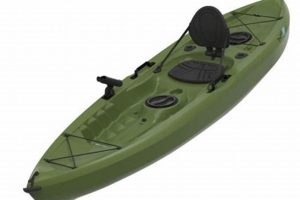
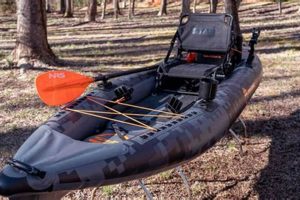
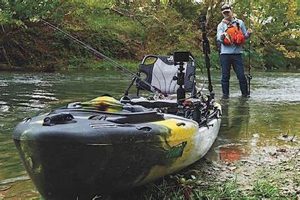
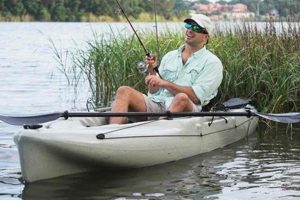
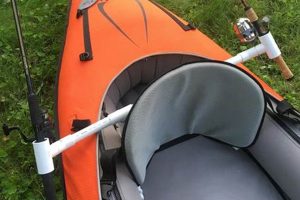
This specific model is a sit-on-top kayak designed for angling. Characterized by a stable hull and specialized features, it offers anglers a platform for navigating various water conditions, from calm lakes to flowing rivers. Typically, such kayaks include features like rod holders, storage compartments for tackle and gear, and adjustable seating systems for comfort during long fishing trips.
The design prioritizes stability and maneuverability, enabling anglers to cast lines and reel in catches effectively. This type of watercraft provides a unique blend of mobility and close contact with the water, enhancing the fishing experience. Over the years, advancements in materials and design have led to lighter, more durable, and feature-rich fishing kayaks, increasing their popularity among angling enthusiasts.
Further exploration will cover key features, performance characteristics, user experiences, and comparisons with similar models, offering a detailed assessment of this specialized fishing platform.
Tips for Optimizing Kayak Fishing Experiences
Effective preparation and mindful practices contribute significantly to successful and enjoyable kayak fishing excursions. These tips focus on enhancing safety, efficiency, and overall performance on the water.
Tip 1: Pre-Trip Planning: Thoroughly research the intended fishing location, including water conditions, weather forecasts, and local regulations. Mapping out potential fishing spots and understanding water currents can significantly improve efficiency.
Tip 2: Safety First: Always wear a personal flotation device (PFD) and carry essential safety equipment, including a whistle, signaling device, and first-aid kit. Inform someone of your fishing plans, including location and estimated return time.
Tip 3: Weight Distribution and Balance: Distribute weight evenly within the kayak to maintain stability and prevent capsizing. Practice entering and exiting the kayak in shallow water to gain confidence and familiarity.
Tip 4: Paddle and Gear Selection: Choose a paddle appropriate for your height and paddling style. Select fishing gear that is compact, readily accessible, and suitable for the target species and fishing techniques.
Tip 5: Anchoring Techniques: Mastering anchoring techniques is crucial for maintaining position in desired fishing areas, particularly in currents or windy conditions. Consider using a stake-out pole or anchor trolley system.
Tip 6: Respectful Angling Practices: Adhere to catch-and-release guidelines whenever appropriate and minimize environmental impact by properly disposing of fishing line and other waste.
Tip 7: Post-Trip Care: Rinse the kayak and fishing gear thoroughly with fresh water after each use to prevent corrosion and maintain equipment longevity.
By implementing these strategies, anglers can enhance their safety, improve fishing effectiveness, and promote responsible enjoyment of the sport.
This information serves as a foundation for a more detailed exploration of kayak fishing techniques and equipment choices.
1. Sit-on-top Design

The sit-on-top design is a defining feature of the Native Watercraft Slayer 13, influencing its performance and suitability for fishing. This design places the angler above the waterline on a molded seat, eliminating the enclosed cockpit found in traditional sit-inside kayaks. This configuration offers several advantages for anglers, particularly in warmer climates or situations involving potential capsizing.
The open design promotes self-bailing, allowing water to drain quickly, preventing the kayak from becoming swamped. This contributes to enhanced stability and safety, especially in rough conditions. The elevated seating position improves visibility, allowing for better sight-fishing and casting opportunities. Furthermore, the sit-on-top design facilitates easier entry and exit, a significant benefit for anglers frequently repositioning or encountering unexpected situations on the water. Anglers can readily re-enter the kayak from the water, a critical safety advantage. The open deck provides ample space for gear storage and customization with accessories tailored to fishing needs.
While the sit-on-top design offers numerous advantages for fishing applications, it also presents certain considerations. Anglers are more exposed to the elements, requiring appropriate attire and sun protection. In colder water, anglers may experience greater heat loss due to direct contact with water and air. Despite these considerations, the sit-on-top design’s benefits regarding stability, safety, and convenience contribute significantly to the Native Watercraft Slayer 13’s popularity as a fishing platform.
2. Propelled by Paddle

Human-powered propulsion via paddle defines the operational nature of the Native Watercraft Slayer 13 fishing kayak, distinguishing it from motorized alternatives. This method influences maneuverability, stealth, and the overall fishing experience. Understanding the implications of paddle propulsion is crucial for evaluating this kayak’s suitability for various fishing environments and angler preferences.
- Maneuverability and Control:
Paddle propulsion affords precise control, enabling navigation through complex waterways, shallow areas, and tight spaces often inaccessible to motorized vessels. This maneuverability proves advantageous for targeting specific fishing locations, like weed beds, fallen trees, or rocky outcrops. Anglers can subtly adjust position and maintain optimal casting angles with paddle control.
- Stealth and Approach:
The quiet nature of paddle propulsion minimizes disturbance to the aquatic environment. This stealth allows anglers to approach fish without alarming them, increasing the likelihood of successful catches, especially in clear, shallow waters or when targeting wary species. The absence of engine noise contributes to a more immersive and nature-focused fishing experience.
- Physical Engagement and Exercise:
Paddling provides a physical workout, engaging upper body muscles and contributing to an active fishing experience. This physical aspect can be appealing to anglers seeking exercise alongside their fishing pursuits. However, it requires a certain level of physical fitness and endurance, especially for extended trips or challenging water conditions.
- Environmental Considerations:
Paddle propulsion eliminates fuel consumption and emissions, aligning with environmentally conscious angling practices. This eco-friendly approach preserves water quality and minimizes disruption to natural habitats, contributing to sustainable fishing practices and the long-term health of aquatic ecosystems.
The choice of paddle propulsion in the Native Watercraft Slayer 13 directly influences the fishing experience, offering advantages in maneuverability, stealth, and environmental impact. However, anglers must consider the physical demands and limitations associated with paddling, particularly when evaluating its suitability for specific fishing locations and personal preferences. The balance between physical effort and precise control shapes the overall interaction with the environment and ultimately influences fishing success.
3. Designed for Fishing

The “designed for fishing” designation distinguishes the Native Watercraft Slayer 13 from recreational kayaks, highlighting specialized features that cater specifically to angling needs. This design philosophy influences hull design, incorporated features, and overall performance on the water. Understanding these specialized attributes is crucial for appreciating the kayak’s capabilities and suitability for various fishing styles.
- Stability and Tracking:
The hull design prioritizes stability, a crucial factor for casting, reeling, and landing fish from a seated position. A stable platform minimizes unwanted rocking or tipping, enhancing angler confidence and safety. The Slayer 13’s design also emphasizes tracking, ensuring the kayak maintains a straight course with minimal paddling effort, conserving energy and allowing anglers to focus on fishing rather than constant course correction.
- Integrated Fishing Features:
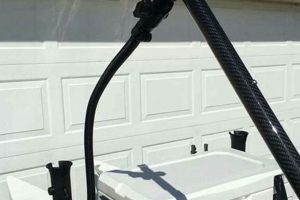
Purpose-built features like rod holders, tackle storage compartments, and anchor trolleys distinguish fishing kayaks from recreational models. Rod holders secure fishing rods, freeing hands for other tasks. Tackle storage keeps essential gear organized and readily accessible. Anchor trolleys allow for controlled positioning in current, enabling anglers to maintain precise locations for optimal fishing presentation.
- Customization and Adaptability:
Many fishing kayaks offer customization options, accommodating individual preferences and fishing styles. Accessory mounts allow for the addition of fish finders, GPS units, cameras, and other electronics. Adjustable seating systems enhance comfort during long fishing trips. This adaptability allows anglers to tailor the kayak to specific needs and target species.
- Durability and Construction:
Fishing kayaks often utilize durable materials and construction techniques to withstand the demands of the angling environment. Reinforced hulls resist impacts from rocks, submerged obstacles, and accidental collisions. UV-resistant materials prevent degradation from sun exposure, prolonging the kayak’s lifespan. These considerations reflect the manufacturer’s understanding of the potential stresses encountered during fishing excursions.
These design elements collectively contribute to the Native Watercraft Slayer 13’s effectiveness as a fishing platform. The combination of stability, specialized features, customization options, and durable construction caters directly to the needs of anglers, enhancing their experience on the water and increasing the likelihood of fishing success. This purpose-driven design distinguishes the Slayer 13 from recreational kayaks, solidifying its position within the specialized category of fishing-specific watercraft.
4. Thirteen-foot length

The 13-foot length of the Native Watercraft Slayer 13 fishing kayak represents a deliberate design choice, influencing its performance characteristics and intended usage. This dimension significantly impacts maneuverability, tracking, storage capacity, and overall suitability for various water conditions. Understanding the implications of this length is crucial for evaluating its effectiveness as a fishing platform.
- Maneuverability:
Compared to shorter kayaks, the 13-foot length generally results in a larger turning radius. While this may slightly reduce agility in tight spaces or confined waterways, it contributes to enhanced tracking, allowing the kayak to maintain a straighter course with less paddling effort over longer distances. This balance between maneuverability and tracking suits open water environments and longer fishing excursions.
- Tracking and Speed:
The longer waterline of a 13-foot kayak typically contributes to improved tracking and increased potential speed compared to shorter models. This translates to more efficient paddling over longer distances, covering more water with less effort. This efficiency benefits anglers seeking to explore larger bodies of water or reach distant fishing spots.
- Storage Capacity:
The increased deck space afforded by a 13-foot length allows for greater storage capacity compared to shorter kayaks. This is particularly relevant for fishing kayaks, which often carry specialized gear, tackle boxes, and additional equipment. The ample storage space accommodates these requirements, enhancing versatility and preparedness for diverse fishing scenarios.
- Stability:
While width plays a more significant role in determining stability, a longer kayak generally exhibits greater directional stability, reducing the tendency to yaw or veer off course. This enhanced stability is advantageous in challenging conditions like wind or current, providing a more predictable and controlled platform for fishing activities.
The 13-foot length of the Native Watercraft Slayer 13 represents a compromise between maneuverability and tracking, optimized for a balance suitable for diverse fishing environments. This length, combined with other design features, contributes to its versatility and effectiveness as a fishing-specific watercraft. The chosen length directly influences the kayak’s performance on the water, impacting paddling efficiency, storage capacity, and overall suitability for various fishing styles and locations.
5. Manufactured by Native Watercraft

Understanding the relationship between Native Watercraft as a manufacturer and the Slayer 13 fishing kayak provides valuable context for evaluating the kayak’s design, features, and overall quality. This association links the kayak to the manufacturer’s reputation, manufacturing processes, and design philosophy. Examining this connection offers insight into the Slayer 13’s position within the broader kayak market.
- Brand Reputation and Specialization:
Native Watercraft has established a reputation within the kayaking industry, particularly for its focus on fishing kayaks. This specialization suggests a dedication to design and features tailored to angling needs. The Slayer 13 benefits from this established reputation, inheriting the perceived quality and performance associated with the Native Watercraft brand. This brand recognition influences consumer perception and purchasing decisions.
- Manufacturing Processes and Quality Control:
Native Watercraft’s manufacturing processes directly impact the quality and durability of the Slayer 13. The materials used, construction techniques, and quality control measures influence the kayak’s performance, lifespan, and resistance to wear and tear. Understanding these manufacturing aspects provides insight into the kayak’s robustness and long-term value.
- Design Philosophy and Innovation:
The Slayer 13’s design reflects Native Watercraft’s design philosophy and approach to kayak development. This encompasses design choices related to hull shape, stability, features, and overall performance. Analyzing these design elements reveals the manufacturer’s priorities and intended usage for the kayak, providing a deeper understanding of its strengths and limitations.
- Customer Support and Warranty:
The association with Native Watercraft extends beyond the initial purchase, encompassing customer support and warranty services. The manufacturer’s responsiveness to customer inquiries, warranty coverage, and availability of replacement parts influence the overall ownership experience. These factors contribute to customer satisfaction and long-term brand loyalty.
Connecting the Native Watercraft Slayer 13 to its manufacturer provides a comprehensive perspective on the kayak’s attributes, quality, and position within the market. This understanding allows for a more informed evaluation of the kayak’s suitability for individual needs and preferences, considering not only its physical characteristics but also the reputation and support associated with the Native Watercraft brand. This holistic perspective empowers consumers to make informed decisions based on both the product and the manufacturer’s standing within the kayaking industry.
Frequently Asked Questions
This section addresses common inquiries regarding the Native Watercraft Slayer 13 fishing kayak, providing concise and informative responses to facilitate informed decision-making.
Question 1: What differentiates the Slayer 13 from other fishing kayaks on the market?
The Slayer 13 distinguishes itself through a combination of stability, maneuverability, and specialized fishing features. Its hull design promotes stability while maintaining responsiveness, and integrated features like rod holders and ample storage cater specifically to anglers’ needs.
Question 2: Is the Slayer 13 suitable for both freshwater and saltwater fishing environments?
Yes, the Slayer 13 performs effectively in both freshwater and saltwater environments. Its durable construction and stable design accommodate various water conditions, from calm lakes to coastal areas.
Question 3: What is the weight capacity of the Slayer 13, and how does this influence performance?
The Slayer 13 typically boasts a generous weight capacity, allowing anglers to carry substantial gear and equipment without compromising stability or performance. Specific capacity varies depending on the model year and should be confirmed with manufacturer specifications.
Question 4: How does the Slayer 13 handle in windy or choppy conditions?
While wind and waves will impact any kayak, the Slayer 13’s hull design and length provide a reasonable level of stability and tracking in moderate conditions. However, extreme conditions should be avoided for safety reasons.
Question 5: What are the recommended maintenance procedures for the Slayer 13?
Regular rinsing with fresh water after each use and periodic inspections for damage are essential maintenance practices. Proper storage out of direct sunlight prolongs the lifespan of the kayak and its components.
Question 6: Are there any recommended accessories for enhancing the Slayer 13 fishing experience?
Recommended accessories vary depending on individual fishing styles and preferences but often include fish finders, anchor trolleys, upgraded seating systems, and specialized storage solutions. Compatibility with specific accessories should be confirmed before purchase.
These responses provide a foundational understanding of the Native Watercraft Slayer 13 fishing kayak. Further research and consultation with experienced anglers can further enhance comprehension.
The following section will delve into user reviews and experiences, providing real-world perspectives on the Slayer 13’s performance on the water.
Conclusion
This exploration has provided a comprehensive overview of the Native Watercraft Slayer 13 fishing kayak, encompassing its design, features, performance characteristics, and manufacturer context. Key attributes such as the sit-on-top design, paddle propulsion, fishing-specific features, 13-foot length, and association with Native Watercraft contribute to its distinct position within the fishing kayak market. The analysis highlighted the interplay between design choices and real-world performance, offering insights into the kayak’s suitability for various fishing environments and angler preferences.
The Native Watercraft Slayer 13 presents a compelling option for anglers seeking a dedicated fishing platform. Careful consideration of individual needs, fishing styles, and target environments remains crucial for determining its suitability. Continued exploration of user experiences and comparative analyses with similar models will further refine understanding and inform purchasing decisions within the dynamic landscape of fishing kayak options.