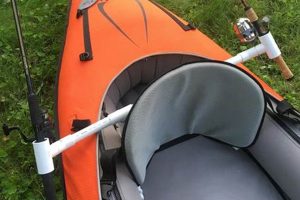
Acquiring a kayak designed for fishing involves considering various retail channels. These include local specialty retailers offering expertise and personalized service, large sporting goods chains providing a wider selection, and online marketplaces offering competitive pricing and convenience. Each option presents distinct advantages and disadvantages regarding product availability, pricing, and customer support. Factors such as geographic location, budget, and desired level of interaction with sales personnel can influence the optimal choice.
Selecting the right retail outlet can significantly impact the overall purchasing experience. A knowledgeable salesperson can offer valuable advice on kayak features, materials, and accessories, leading to a more informed decision and greater satisfaction with the final purchase. Historically, acquiring specialized equipment like fishing kayaks often meant visiting a local retailer. However, the rise of e-commerce has dramatically expanded consumer choice, enabling access to a broader range of brands and models. This evolution underscores the importance of researching and comparing options across different retail channels.
This article will explore the advantages and disadvantages of each retail avenue, offering guidance on factors to consider when selecting a suitable vendor. Topics covered will include assessing online retailer reputations, understanding return policies, evaluating warranty options, and recognizing the benefits of local expertise. Readers will gain insights into making informed purchasing decisions, ultimately leading to a satisfying fishing kayak ownership experience.
Tips for Locating Fishing Kayak Retailers
Navigating the diverse landscape of fishing kayak retailers requires careful consideration. These tips provide guidance for identifying suitable vendors.
Tip 1: Research Local Specialty Retailers: Visiting local retailers allows for in-person inspection of kayaks and consultation with knowledgeable staff. This approach facilitates informed decision-making based on firsthand experience.
Tip 2: Explore Large Sporting Goods Chains: National chains often offer a wider selection of brands and models, potentially providing more choices. Comparing prices and features across different brands within a single location streamlines the evaluation process.
Tip 3: Utilize Online Marketplaces: Online platforms offer access to a vast inventory, frequently at competitive prices. Thoroughly reviewing seller ratings and return policies mitigates potential risks associated with online purchases.
Tip 4: Consider Manufacturer Direct Sales: Some manufacturers sell directly to consumers, sometimes offering exclusive models or customization options. This approach can provide access to specialized products not readily available elsewhere.
Tip 5: Evaluate Shipping Costs and Delivery Times: Factor in shipping costs and estimated delivery times when comparing prices across different vendors. Unexpected shipping fees can significantly impact the total purchase price.
Tip 6: Review Warranty and Return Policies: Understanding warranty terms and return policies is crucial before committing to a purchase. A comprehensive warranty provides peace of mind, while a flexible return policy allows for recourse if the product does not meet expectations.
By following these tips, consumers can identify reputable retailers and make informed purchasing decisions, increasing the likelihood of a positive kayak acquisition experience.
The subsequent sections will delve into specific retailer categories, offering detailed insights into their respective strengths and weaknesses. This comprehensive analysis will empower consumers to select the optimal vendor based on individual needs and preferences.
1. Retailers

Retailers represent a critical component within the fishing kayak acquisition process. They provide a physical space for consumers to examine kayaks firsthand, compare models, and receive expert advice. This tangible interaction allows for assessment of critical features such as stability, comfort, and storage capacity. The opportunity to physically sit in a kayak, test its balance, and envision its use on the water significantly enhances the decision-making process. For example, a retailer specializing in paddling sports can offer insights into hull design, material durability, and appropriate accessories based on individual fishing styles and local water conditions. This personalized guidance proves invaluable, particularly for novice kayakers.
Furthermore, retailers often offer services such as kayak outfitting, maintenance, and repairs. This post-purchase support strengthens the customer relationship and contributes to long-term kayak ownership satisfaction. Established retailers frequently host events, workshops, and guided tours, fostering a sense of community among kayak enthusiasts. These opportunities provide valuable learning experiences and contribute to the overall enjoyment of the sport. Conversely, relying solely on online resources may limit access to personalized guidance and post-purchase support, potentially leading to less informed decisions and diminished long-term satisfaction. The ability to build a relationship with a local retailer can prove invaluable throughout the lifespan of kayak ownership.
In summary, retailers offer a significant advantage through personalized service, expert advice, and post-purchase support. These factors contribute to informed purchasing decisions, enhanced product knowledge, and increased long-term satisfaction with the fishing kayak investment. While other avenues exist for acquiring a kayak, the benefits of engaging with a knowledgeable retailer should not be overlooked. This personalized approach can significantly enhance the overall kayak ownership experience.
2. Online Marketplaces

Online marketplaces represent a significant channel for acquiring fishing kayaks, offering a diverse selection, competitive pricing, and convenient access. Understanding the nuances of these platforms is crucial for navigating the online purchasing landscape effectively and making informed decisions. These marketplaces provide a centralized platform connecting buyers with various sellers, including established retailers, independent vendors, and individual sellers.
- Product Variety and Availability:
Online marketplaces typically offer a broader range of kayak brands, models, and accessories compared to traditional brick-and-mortar stores. This extensive inventory allows consumers to compare various options and select the kayak best suited to individual needs and preferences. For instance, a specialized fishing kayak with a specific camouflage pattern or unique storage configuration might be readily available online but difficult to find locally. This expanded access significantly benefits consumers seeking niche products or specific features.
- Pricing and Competition:
The competitive nature of online marketplaces often leads to more aggressive pricing. Multiple sellers offering similar products create a competitive environment that benefits consumers. Comparing prices across different sellers within the same marketplace allows for informed purchasing decisions and potential cost savings. However, consumers must also consider shipping costs, which can vary significantly depending on the seller’s location and shipping policies.
- Seller Reputation and Reviews:
Online marketplaces provide mechanisms for evaluating seller reputation and product quality through customer reviews and ratings. These reviews offer valuable insights into previous buyers’ experiences, including product quality, shipping speed, and customer service responsiveness. Carefully evaluating seller ratings and reviews can mitigate potential risks associated with online purchases and increase the likelihood of a positive buying experience.
- Return Policies and Buyer Protection:
Understanding the return policies and buyer protection measures offered by each marketplace and individual seller is essential. These policies can vary significantly, impacting the consumer’s ability to return a product if it does not meet expectations or arrives damaged. Familiarizing oneself with these policies before making a purchase safeguards against potential complications and ensures a smoother transaction process.
In conclusion, online marketplaces offer significant advantages for acquiring fishing kayaks, including extensive product variety, competitive pricing, and convenient access. However, successful navigation of these platforms requires careful consideration of seller reputation, return policies, and shipping costs. By leveraging the available information and resources, consumers can effectively utilize online marketplaces to make informed purchasing decisions and acquire the ideal fishing kayak for their needs. While online marketplaces provide substantial benefits, they often lack the personalized advice and in-person evaluation offered by traditional retailers. Therefore, consumers should carefully weigh the advantages and disadvantages of each purchasing avenue to determine the most suitable approach.
3. Manufacturers Direct
Purchasing a fishing kayak directly from the manufacturer presents a distinct approach within the broader landscape of acquisition options. This method offers potential advantages and disadvantages compared to purchasing through retailers or online marketplaces. Understanding these nuances allows consumers to make informed decisions aligned with individual priorities and preferences.
- Potential Cost Savings:
Eliminating the intermediary (retailer) can sometimes translate to lower prices. Manufacturers may offer discounts or promotions not available through other channels. However, this isn’t always guaranteed, as some manufacturers maintain Minimum Advertised Price (MAP) policies to protect their retail partners. Comparing prices across all available channels remains essential for securing the best possible value.
- Customization Options:
Manufacturers often provide opportunities for customization not readily available elsewhere. This might include selecting specific color combinations, upgrading seating systems, or integrating specialized fishing accessories. For example, a manufacturer might allow anglers to choose specific mounting points for rod holders or customize the kayak’s camouflage pattern. This level of personalization caters to anglers seeking a truly tailored fishing platform.
- Warranty and Support:
Dealing directly with the manufacturer often streamlines warranty claims and technical support inquiries. Direct communication can facilitate quicker resolution of potential issues and ensure access to the most accurate product information. However, the level of customer service can vary significantly between manufacturers, highlighting the importance of researching a manufacturer’s reputation for responsiveness and support.
- Limited Access and Availability:
Purchasing directly from a manufacturer often requires navigating their specific ordering processes and potential lead times. Not all manufacturers offer direct sales, and those that do might have limited inventory or shipping options. This can pose challenges for consumers seeking immediate access or preferring to inspect a kayak in person before purchase.
Ultimately, the decision of whether to purchase a fishing kayak directly from the manufacturer hinges on individual priorities. Weighing factors such as potential cost savings, customization options, warranty support, and access limitations against the benefits of purchasing through retailers or online marketplaces enables consumers to make informed decisions aligned with their specific needs and preferences. Thorough research and comparison across all available channels remain crucial for securing the best possible fishing kayak acquisition experience.
4. Local Classifieds

Local classifieds listings offer a potential avenue for acquiring used fishing kayaks, presenting both opportunities and challenges for prospective buyers. This approach often provides access to kayaks at lower price points compared to new models from retailers or manufacturers. The localized nature of these listings facilitates in-person inspection and eliminates shipping costs, potentially expediting the acquisition process. For instance, an angler seeking a specific model no longer in production might find it available through a local seller. However, this method requires careful consideration of potential risks. Unlike purchases from established businesses, transactions through classifieds typically lack warranties or return policies, placing greater responsibility on the buyer to assess the kayak’s condition and functionality. A thorough inspection, including checking for hull damage, wear and tear on seating and accessories, and evaluating the overall structural integrity, becomes paramount. Negotiating a fair price based on the kayak’s condition, age, and included accessories requires research and a discerning eye. For example, comparing the asking price to similar models available online or through retailers provides a benchmark for assessing value.
Furthermore, verifying the seller’s legitimacy and ensuring a secure transaction process becomes critical. Meeting in a public place for the inspection and exchange, and utilizing secure payment methods mitigates potential risks associated with private transactions. Understanding local regulations regarding boat registration and titling requirements ensures a legally compliant purchase. While local classifieds can provide access to affordable kayaks, the absence of formal consumer protections necessitates a cautious approach. Due diligence, thorough inspection, and careful negotiation protect buyers from potential pitfalls and increase the likelihood of a successful transaction. This approach contrasts with purchasing new kayaks, where warranties, return policies, and established business practices offer greater consumer protection.
In summary, utilizing local classifieds to acquire a fishing kayak presents a viable option for budget-conscious buyers. However, the inherent risks associated with private transactions necessitate a proactive approach to due diligence. Careful inspection, price negotiation, and secure transaction practices mitigate potential problems and increase the likelihood of a satisfying purchase. Balancing the potential cost savings against the increased buyer responsibility requires careful consideration and informed decision-making. Understanding these dynamics allows prospective buyers to navigate the complexities of local classifieds effectively and potentially acquire a suitable fishing kayak at a competitive price.
5. Used Kayaks

The used kayak market represents a significant segment within the broader context of fishing kayak acquisition. Exploring this avenue requires careful consideration of factors influencing value, condition, and potential risks. Understanding these dynamics allows prospective buyers to navigate the used kayak market effectively and potentially acquire a suitable vessel at a reduced cost compared to purchasing new. This approach necessitates a discerning eye, thorough inspection, and informed decision-making.
- Sourcing Used Kayaks:
Various channels provide access to used kayaks, each with distinct characteristics. Online marketplaces, local classifieds, consignment shops specializing in outdoor gear, and even specialized kayak retailers selling used inventory alongside new models represent potential sources. Each channel presents distinct advantages and disadvantages regarding seller reputation, available inventory, pricing transparency, and buyer protection policies. For example, online marketplaces offer broader reach but may lack the opportunity for in-person inspection prior to purchase. Local classifieds, conversely, facilitate in-person assessment but often lack formal consumer protections. Understanding these nuances allows buyers to select the most appropriate channel based on individual risk tolerance and purchasing preferences.
- Condition Assessment:
Evaluating a used kayak’s condition requires a systematic approach. Examining the hull for cracks, scratches, or repairs is paramount. Assessing the wear and tear on seating, footrests, and other components provides insights into the kayak’s usage history. Inspecting hatches, storage compartments, and any integrated accessories for functionality and damage is essential. Scrutinizing the kayak’s overall structural integrity, including the hull-deck connection and any signs of stress or deformation, ensures its seaworthiness. This thorough evaluation mitigates the risk of acquiring a kayak with hidden defects or structural compromises.
- Pricing and Negotiation:
Determining a fair price for a used kayak requires research and market awareness. Comparing the asking price to similar models available through other channels, considering the kayak’s age, condition, and included accessories, informs the negotiation process. Factors such as brand reputation, model popularity, and included features influence market value. Negotiating a price commensurate with the kayak’s condition and market value ensures a balanced transaction. Understanding the seller’s motivation for selling and potential time constraints can influence negotiation leverage.
- Risks and Considerations:
Acquiring a used kayak carries inherent risks compared to purchasing new. The absence of warranties, limited recourse for defects discovered post-purchase, and potential difficulties in verifying ownership history necessitate a cautious approach. Mitigating these risks requires thorough due diligence, including verifying the seller’s identity, conducting a comprehensive inspection, and documenting the transaction. Understanding local regulations regarding boat registration and titling requirements ensures a legally compliant purchase. Balancing the potential cost savings against these inherent risks requires careful consideration and informed decision-making.
In conclusion, the used kayak market offers a viable pathway to acquiring a fishing kayak, often at a lower cost than purchasing new. However, navigating this market effectively requires careful consideration of sourcing options, condition assessment, pricing negotiation, and inherent risks. A proactive approach, emphasizing thorough research and informed decision-making, maximizes the likelihood of a successful acquisition experience. Balancing the potential cost savings against the increased buyer responsibility inherent in the used market requires careful evaluation and a discerning approach. This informed perspective empowers prospective buyers to navigate the complexities of the used kayak market and potentially acquire a suitable fishing platform aligned with individual needs and budget constraints.
Frequently Asked Questions
This section addresses common inquiries regarding fishing kayak acquisition, providing concise and informative responses to facilitate informed decision-making.
Question 1: What factors influence fishing kayak pricing?
Kayak pricing reflects factors such as size, material, features, and brand reputation. Entry-level models typically utilize less expensive materials like high-density polyethylene, while premium kayaks often incorporate lighter, more durable materials like fiberglass or carbon fiber, impacting cost. Specialized features, such as integrated fish finders, advanced seating systems, and rudder control mechanisms, also influence price.
Question 2: How does one choose the appropriate kayak size and weight capacity?
Kayak dimensions and weight capacity should align with individual angler weight, intended use, and storage considerations. Longer kayaks generally track straighter and offer more storage, while shorter kayaks enhance maneuverability in tight spaces. Weight capacity dictates the maximum combined weight of the angler, gear, and any potential catch, impacting stability and performance.
Question 3: What are the primary differences between sit-on-top and sit-inside kayaks for fishing?
Sit-on-top kayaks offer enhanced stability, ease of entry and exit, and self-bailing capabilities, making them suitable for warmer climates and calmer waters. Sit-inside kayaks provide greater protection from the elements and enhanced paddling efficiency, making them suitable for colder conditions or longer expeditions. Fishing-specific features can be integrated into both kayak styles.
Question 4: What essential accessories enhance the fishing kayak experience?
Essential accessories include a personal flotation device (PFD), paddle, rod holders, anchor, and appropriate storage solutions. Additional accessories such as fish finders, GPS units, and specialized lighting enhance functionality and safety, depending on individual fishing styles and preferences.
Question 5: Where can one find reputable fishing kayak retailers or online vendors?
Reputable retailers can be identified through online searches, industry publications, and local paddling communities. Online marketplaces provide access to a broader range of vendors but require careful evaluation of seller reputations and buyer protection policies. Consulting with experienced kayakers or joining online forums dedicated to kayak fishing provides valuable insights and recommendations.
Question 6: What considerations apply to purchasing a used fishing kayak?
Used kayaks offer potential cost savings but require thorough inspection for damage, wear, and proper functionality. Inquiring about the kayak’s usage history, verifying ownership, and assessing the condition of essential components mitigates potential risks. Absence of warranties necessitates careful evaluation and informed decision-making.
Careful consideration of these frequently asked questions empowers consumers to navigate the fishing kayak acquisition process effectively. Understanding individual needs, conducting thorough research, and seeking expert advice when necessary ensures a satisfying purchase experience and long-term enjoyment on the water.
Further sections will explore specific kayak models and brands, providing in-depth reviews and comparisons to assist in selecting the ideal fishing platform.
Locating Your Ideal Fishing Kayak
Successful acquisition of a fishing kayak hinges upon informed decision-making within a diverse retail landscape. This exploration has examined various acquisition channels, including local retailers, large sporting goods chains, online marketplaces, manufacturer direct sales, and the used kayak market. Each avenue presents distinct advantages and disadvantages regarding pricing, product availability, customer service, and associated risks. Careful consideration of individual needs, budget constraints, and desired features remains paramount throughout the selection process. Understanding the nuances of each channel empowers consumers to navigate the complexities of the retail landscape effectively.
Ultimately, the optimal acquisition strategy aligns individual preferences with the specific characteristics of each retail avenue. Thorough research, diligent comparison, and prioritizing long-term ownership satisfaction remain crucial for a rewarding fishing kayak experience. The journey toward finding the perfect fishing kayak begins with informed exploration and culminates in the realization of on-the-water aspirations.