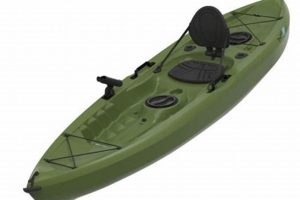
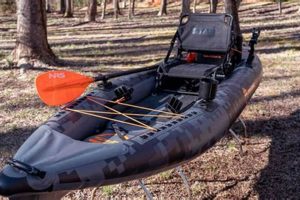
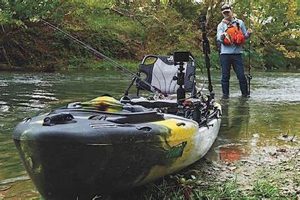
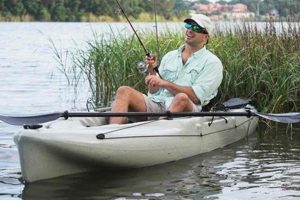
This pursuit blends the serene experience of paddling with the thrill of angling, offering a unique connection with nature and a self-reliant approach to fishing. Imagine gliding across a tranquil lake at dawn, casting a line into the stillness, surrounded by nothing but the sounds of water and wildlife. This immersive experience exemplifies the core of this popular outdoor activity.
The low environmental impact, affordability compared to motorized boats, and the physical exercise involved contribute to its growing popularity. It allows access to shallow waters and secluded fishing spots often unreachable by larger vessels, opening up a world of angling possibilities. Historically, kayaks have been used for fishing and transportation for millennia by diverse cultures. The modern iteration, combining specialized kayaks and fishing gear, has evolved into a popular recreational activity and even a competitive sport.
This overview provides a foundation for exploring specific aspects of this rewarding activity, from choosing the right equipment and mastering paddling techniques to understanding fish behavior and practicing ethical angling. Further exploration will cover safety considerations, popular fishing locations, and the growing community surrounding this unique outdoor pursuit.
Essential Tips for a Successful Outing
Preparation and knowledge are crucial for a safe and rewarding experience on the water. The following tips provide valuable insights for anglers of all skill levels.
Tip 1: Prioritize Safety: Always wear a personal flotation device (PFD) and carry essential safety equipment, including a whistle, signaling device, and first-aid kit. Check weather conditions before departure and inform someone of the planned fishing location and return time.
Tip 2: Choose the Right Kayak: Consider factors like stability, storage capacity, and maneuverability when selecting a kayak. Sit-on-top kayaks are generally preferred for their self-bailing design and ease of entry and exit.
Tip 3: Master Basic Paddling Techniques: Efficient paddling conserves energy and allows for greater control. Practice proper stroke techniques and learn how to maneuver the kayak effectively in different water conditions.
Tip 4: Organize and Secure Gear: Utilize rod holders, tackle boxes, and dry bags to keep fishing gear organized and protected from water. Distribute weight evenly within the kayak for optimal stability.
Tip 5: Understand Fish Behavior: Research the target species and their preferred habitats. Consider water temperature, depth, and structure when choosing fishing locations. Employ appropriate lures and bait for the specific fish being targeted.
Tip 6: Practice Ethical Angling: Adhere to catch-and-release guidelines whenever possible. Handle fish with care and minimize their time out of water. Dispose of fishing line and other waste responsibly.
Tip 7: Stay Aware of Surroundings: Be mindful of other boaters, changing weather patterns, and potential hazards such as submerged logs or rocks. Navigate waterways responsibly and avoid disturbing wildlife.
By following these guidelines, anglers can enhance their enjoyment, improve their chances of success, and contribute to the preservation of aquatic ecosystems. Preparation fosters confidence and allows for a more immersive experience in nature.
These practical tips lay a solid foundation for exploring the diverse world of this fulfilling activity. The next section delves into specific techniques and strategies for maximizing success on the water.
1. Tranquility

Tranquility represents a core element of the kayak fishing lifestyle, offering an escape from the pressures of modern life and fostering a deeper connection with nature. The quiet moments on the water, surrounded by natural beauty, provide a unique opportunity for reflection and rejuvenation. Exploring the facets of this tranquility reveals its profound impact on the overall experience.
- Escape from Daily Stressors
The rhythmic motion of paddling, combined with the serene environment, creates a meditative experience that allows anglers to disconnect from daily stressors. The focus required for fishing further enhances this sense of detachment, promoting mental clarity and relaxation. The act of casting a line becomes a symbolic release of worries and anxieties.
- Immersion in Nature’s Soundscape
- Solitude and Self-Reflection
Kayak fishing often provides opportunities for solitude, allowing for introspection and self-discovery. The quiet moments spent drifting on the water can foster a deeper understanding of oneself and the surrounding world. This time for contemplation can be invaluable for personal growth and renewal. Even shared outings can offer moments of quiet contemplation within the shared experience.
- Appreciation for Natural Beauty
From the vibrant colors of a sunrise to the intricate details of aquatic life, kayak fishing offers a unique perspective on the natural world. The slow pace allows for observation and appreciation of the subtle beauty often missed in faster-paced activities. This direct engagement with nature fosters a sense of awe and wonder, deepening the connection between the angler and the environment.
These facets of tranquility contribute significantly to the overall appeal of the kayak fishing lifestyle. The ability to find peace and solace in nature, combined with the excitement of angling, creates a holistic experience that promotes both physical and mental well-being. This pursuit offers a path to reconnect with oneself and the natural world, fostering a sense of balance and harmony.
2. Self-reliance
Self-reliance forms an integral part of the kayak fishing lifestyle. It empowers anglers to take ownership of their experience, fostering a sense of accomplishment and deeper connection with the environment. This independence extends beyond mere fishing skills, encompassing preparation, problem-solving, and responsible decision-making.
- Equipment Management
Kayak anglers are responsible for selecting, maintaining, and repairing their own equipment. This includes choosing the right kayak, paddle, fishing gear, and safety equipment. Regular maintenance, such as cleaning and inspecting the kayak and gear, ensures optimal performance and longevity. The ability to perform minor repairs on the water can be crucial in overcoming unexpected challenges.
- Navigation and Trip Planning
Successful kayak fishing trips require careful planning and navigation. Anglers must consider factors like weather conditions, tides, currents, and potential hazards. Charting a course, reading maps, and using navigational tools like GPS devices are essential skills. Adaptability is also crucial, as conditions can change rapidly, requiring on-the-spot adjustments to the planned route.
- Safety and Emergency Preparedness
Self-reliance in kayak fishing necessitates a strong emphasis on safety and emergency preparedness. Carrying essential safety equipment, such as a PFD, whistle, and first-aid kit, is paramount. Knowing how to perform self-rescue techniques and administer basic first aid can be critical in unforeseen circumstances. Maintaining situational awareness and making sound judgments contribute significantly to a safe and enjoyable experience.
- Resourcefulness and Problem-Solving
Kayak fishing often presents unexpected challenges, requiring resourcefulness and problem-solving skills. From dealing with tangled fishing lines to navigating through difficult water conditions, anglers must be able to adapt and improvise. This ability to overcome obstacles fosters resilience and enhances the sense of accomplishment derived from a successful outing. Creative solutions often emerge from the necessity of self-reliance.
These facets of self-reliance contribute significantly to the rewarding nature of the kayak fishing lifestyle. The ability to navigate challenges independently fosters confidence, resilience, and a deeper appreciation for the natural environment. This self-sufficiency enhances the connection between the angler and their surroundings, creating a truly immersive and empowering experience. It differentiates this pursuit from more structured forms of fishing, placing the onus of responsibility directly on the individual and thereby increasing the reward of a successful trip.
3. Physical Activity

Physical activity is an inherent component of the kayak fishing lifestyle, offering both a challenging workout and a rewarding way to experience the outdoors. From paddling and casting to landing fish and navigating waterways, this pursuit engages various muscle groups and promotes cardiovascular health. Understanding the physical demands of kayak fishing enhances appreciation for its fitness benefits and allows for better preparation and enjoyment.
- Paddling and Upper Body Strength
Paddling a kayak engages the back, shoulders, arms, and core muscles, providing a comprehensive upper body workout. The resistance of the water creates a dynamic exercise that builds strength and endurance. Different paddling techniques, such as forward strokes, reverse strokes, and sweep strokes, target specific muscle groups and allow for maneuverability in various water conditions. The continuous motion involved in paddling contributes significantly to calorie expenditure and overall fitness.
- Casting and Retrieving
Casting and retrieving fishing lines involve repetitive motions that engage the arms, shoulders, and back. While less strenuous than paddling, these actions contribute to muscle development and improve hand-eye coordination. The physicality of casting and retrieving varies depending on the type of fishing tackle used, with heavier lures and lines requiring greater exertion. The act of fighting and landing a fish further intensifies the physical engagement, providing an adrenaline rush and a test of strength and skill.
- Balance and Core Stability
Maintaining balance in a kayak requires constant engagement of the core muscles, which play a crucial role in stability and posture. This core strengthening contributes to overall fitness and improves performance in other physical activities. Navigating through rough waters or challenging currents further enhances balance and coordination. The dynamic nature of the aquatic environment necessitates continuous adjustments to maintain equilibrium, providing a unique form of core training.
- Kayak Handling and Maneuvering
Launching, landing, and maneuvering a kayak involve physical exertion, particularly when dealing with currents, wind, or waves. Lifting and carrying the kayak, especially over longer distances, requires strength and proper technique. Navigating through shallow water or around obstacles necessitates precise paddle strokes and body movements. These physical demands contribute to overall fitness and enhance the sense of accomplishment derived from mastering kayak handling skills.
The physical demands of kayak fishing contribute significantly to its appeal as a healthy and engaging outdoor activity. The combination of cardiovascular exercise, strength training, and balance improvement provides a holistic workout that benefits both physical and mental well-being. This active engagement with nature fosters a deeper appreciation for the environment and promotes a sense of accomplishment, making kayak fishing a truly rewarding lifestyle choice. It transforms a recreational activity into a form of exercise, seamlessly blending leisure and physical exertion.
4. Connection with Nature

A profound connection with nature distinguishes the kayak fishing lifestyle. This connection transcends simple outdoor recreation, fostering a deep appreciation for the environment and an understanding of its delicate balance. The immersive nature of kayak fishing allows individuals to experience the natural world in a unique and intimate way, fostering respect for its rhythms and complexities.
The quiet movement through waterways offers unparalleled opportunities for observation. From the intricate patterns of sunlight on the water’s surface to the subtle movements of aquatic life below, kayak anglers gain a firsthand perspective on the interconnectedness of ecosystems. Encounters with wildlife, such as birds in flight or fish breaking the surface, become cherished moments that deepen appreciation for the natural world. This direct engagement fosters environmental stewardship and encourages responsible interaction with natural resources.
The physical exertion inherent in paddling promotes a sense of embodiment within the natural environment. The rhythmic movement of the paddle, synchronized with the flow of water, creates a visceral connection between the angler and their surroundings. This physical engagement heightens awareness of weather patterns, water currents, and other natural forces, fostering a deeper understanding of the environment’s dynamic nature. The challenges presented by changing conditions, from navigating through wind and waves to adapting to shifting fish behavior, reinforce the importance of respecting and responding to the natural world’s power and unpredictability.
This intimate connection with nature fosters a sense of responsibility for environmental conservation. Kayak anglers often become strong advocates for preserving aquatic ecosystems, recognizing the fragility of these environments and the importance of protecting them for future generations. The low environmental impact of kayak fishing, compared to motorized boating, further reinforces this commitment to sustainability. This awareness translates into practical actions, such as practicing catch-and-release fishing, minimizing waste, and participating in conservation efforts. The connection nurtured through kayak fishing transforms individuals into stewards of the environment, promoting responsible practices and a deeper understanding of the delicate balance of nature.
5. Accessible Exploration
Accessible exploration represents a defining characteristic of the kayak fishing lifestyle. Unlike motorized boats restricted by size and draft, kayaks grant access to a vast network of shallow waters, secluded coves, and smaller tributaries often inaccessible to larger vessels. This unique accessibility expands fishing opportunities, allowing anglers to discover hidden gems and connect with nature in a more intimate way. Small creeks, protected marshes, and shallow flats teeming with life become readily explorable, offering a diverse range of fishing experiences. The ability to launch from virtually any shoreline, free from the constraints of boat ramps and marinas, further enhances this freedom to explore. For instance, navigating through mangrove tunnels or paddling up a narrow river becomes feasible, offering unique perspectives and angling opportunities unavailable from larger boats. This inherent accessibility fosters a spirit of adventure and discovery, empowering anglers to venture beyond conventional fishing grounds.
The portability of kayaks contributes significantly to this accessible exploration. Easily transported on roof racks or trailers, kayaks allow anglers to explore diverse waterways, from mountain lakes to coastal estuaries. This portability expands the range of fishing destinations, making it feasible to explore waters further afield. Consider the angler who can easily transport their kayak to a remote mountain lake, unlocking access to pristine fisheries otherwise unreachable. Or the coastal fisherman who can launch their kayak directly from the beach, exploring near-shore reefs and inlets inaccessible to larger boats. This ease of transport broadens the horizons of kayak fishing, offering a diverse range of experiences and fostering a deeper connection with a variety of aquatic environments.
Accessible exploration, facilitated by kayaks’ unique design and portability, significantly enhances the kayak fishing lifestyle. It fosters a spirit of adventure, expands fishing opportunities, and promotes a deeper connection with diverse aquatic environments. While challenges such as navigating challenging waters or transporting gear require careful planning and preparation, the rewards of discovering hidden fishing spots and experiencing the tranquility of remote waterways far outweigh these considerations. This aspect of the kayak fishing lifestyle fosters self-reliance, encourages exploration, and ultimately enriches the overall angling experience, setting it apart from more conventional approaches to fishing. This focus on accessible exploration underscores the adaptable and adventurous spirit inherent in the kayak fishing lifestyle.
6. Sustainable Angling
Sustainable angling represents a core principle within the kayak fishing lifestyle, emphasizing responsible interaction with aquatic ecosystems to ensure their health and preservation for future generations. This commitment to sustainability aligns seamlessly with the low-impact nature of kayak fishing, fostering a deeper connection between anglers and the environment they cherish. It goes beyond simply catching fish, encompassing a respect for aquatic life and a commitment to minimizing environmental impact.
- Minimal Environmental Impact
Kayaks, powered by human effort, offer a non-motorized alternative to traditional fishing boats, eliminating noise and water pollution associated with combustion engines. This minimal environmental impact preserves the tranquility of natural waterways and protects aquatic life from harmful emissions and noise disturbance. Consider the contrast between a quiet kayak gliding through a marsh and a motorized boat disrupting the stillness with its engine noise and wake. Kayak fishing’s inherent low-impact nature allows anglers to experience the natural environment in its purest form, fostering a deeper appreciation for its delicate balance.
- Catch-and-Release Practices
Catch-and-release fishing, a cornerstone of sustainable angling, minimizes stress on fish populations and promotes their long-term health. Handling fish with care, using appropriate tackle and techniques to minimize injury, and releasing them quickly back into the water are crucial practices. This conservation-minded approach ensures the sustainability of fish populations for future generations of anglers. Imagine a kayak angler gently removing a hook from a landed fish, ensuring its quick return to the water, minimizing stress and maximizing its chances of survival. This act embodies the sustainable ethos at the heart of kayak fishing.
- Respect for Habitats
Sustainable angling involves respecting and protecting aquatic habitats. Avoiding sensitive areas like spawning grounds, minimizing disturbance to vegetation and bottom structures, and adhering to designated fishing zones are essential practices. This mindful approach preserves the integrity of ecosystems and ensures their long-term health and productivity. Consider a kayak angler carefully navigating through a shallow seagrass bed, avoiding contact with the fragile ecosystem and minimizing disturbance to its inhabitants. This respect for habitats demonstrates a commitment to sustainable angling practices and a deep understanding of the interconnectedness of aquatic environments.
- Responsible Waste Management
Responsible waste management plays a vital role in sustainable angling. Disposing of fishing line and other waste properly prevents entanglement of wildlife and minimizes pollution of waterways. Carrying a small trash bag or container on board allows anglers to collect any debris encountered during their outing, further contributing to environmental preservation. Visualize a kayak angler retrieving a discarded fishing line entangled in a submerged branch, preventing potential harm to aquatic life and preserving the natural beauty of the waterway. This act exemplifies the responsible waste management practices that characterize sustainable angling.
These facets of sustainable angling are integral to the kayak fishing lifestyle, reflecting a deep respect for the environment and a commitment to its long-term health. By embracing these principles, kayak anglers contribute to the preservation of aquatic ecosystems, ensuring that future generations can enjoy the same rewarding experiences on the water. This commitment to sustainability reinforces the connection between angler and environment, enhancing the overall experience and fostering a sense of stewardship. Sustainable angling is not merely a set of practices, but a philosophy that guides the kayak fishing lifestyle, shaping its values and contributing to its enduring appeal.
7. Personal Challenge
The kayak fishing lifestyle presents a unique set of personal challenges that extend beyond simply catching fish. These challenges contribute significantly to the rewarding nature of the pursuit, fostering resilience, skill development, and a deeper appreciation for the complexities of the natural environment. Overcoming these challenges fosters a sense of accomplishment and contributes to personal growth, enriching the overall experience. They demand adaptability, problem-solving, and a willingness to push beyond comfort zones.
- Mastering Kayak Control
Maneuvering a kayak, especially in challenging conditions such as wind, currents, or waves, presents a significant physical and mental challenge. Developing proficient paddling techniques, bracing skills, and the ability to maintain balance in dynamic conditions requires dedicated practice and a willingness to learn from experience. Successfully navigating through complex waterways or recovering from a capsize reinforces self-confidence and enhances the sense of accomplishment. Consider the kayaker navigating a swift-flowing river, requiring precise paddle strokes and quick adjustments to maintain course. This mastery of kayak control represents a significant personal achievement and enhances the overall enjoyment of the experience.
- Refining Angling Techniques
Kayak fishing demands specialized angling techniques adapted to the unique constraints and opportunities presented by the platform. Casting accuracy, lure presentation, and fish fighting strategies must be adjusted to account for the kayak’s movement and limited space. Successfully hooking and landing a fish from a kayak, especially a larger or more powerful species, requires finesse, skill, and adaptability, adding another layer of challenge to the experience. Imagine a kayak angler skillfully playing a large fish alongside the kayak, carefully maneuvering the rod and reel while maintaining balance and control. This successful application of specialized angling techniques underscores the personal challenge and reward inherent in kayak fishing.
- Adapting to Environmental Conditions
Kayak anglers must constantly adapt to changing environmental conditions, from shifting weather patterns and fluctuating water temperatures to varying tides and currents. Interpreting these conditions, anticipating their impact on fish behavior, and adjusting fishing strategies accordingly presents a continuous intellectual and practical challenge. Successfully predicting fish movement based on environmental cues, such as water clarity or temperature changes, demonstrates a deep understanding of the aquatic environment and enhances the sense of accomplishment. Consider a kayak angler adjusting their fishing strategy based on observed changes in water temperature, demonstrating an understanding of how environmental factors influence fish behavior. This adaptability underscores the intellectual challenge and rewarding nature of kayak fishing.
- Embracing the Unexpected
Kayak fishing inherently involves navigating unexpected challenges, from equipment malfunctions and changing weather patterns to encounters with wildlife and navigational obstacles. The ability to remain calm, assess situations effectively, and implement appropriate solutions is crucial for a safe and successful outcome. Successfully overcoming these unexpected challenges reinforces resilience, resourcefulness, and adaptability, enhancing the overall experience and fostering a sense of self-reliance. Imagine a kayak angler calmly addressing a tangled fishing line or repairing a minor equipment malfunction on the water, demonstrating resourcefulness and problem-solving skills. This ability to embrace the unexpected enhances the personal challenge and rewarding nature of kayak fishing.
These personal challenges, integral to the kayak fishing lifestyle, transform a simple fishing trip into a journey of self-discovery and personal growth. They foster resilience, adaptability, and a deeper appreciation for the natural world. By embracing these challenges, kayak anglers cultivate a unique set of skills and develop a profound connection with the aquatic environment, enriching the overall experience and contributing to a lasting sense of accomplishment and fulfillment. The pursuit becomes more than just catching fish; it becomes a test of skill, a source of personal growth, and a testament to the human capacity to overcome challenges in pursuit of a rewarding experience.
Frequently Asked Questions
This section addresses common inquiries regarding the kayak fishing lifestyle, providing concise and informative responses to clarify potential concerns and misconceptions.
Question 1: What are the essential safety precautions for kayak fishing?
Prioritizing safety is paramount. Always wear a personal flotation device (PFD). Carry a whistle, signaling device, and first-aid kit. Check weather forecasts before departure and inform someone of the planned fishing location and estimated return time. Understanding and adhering to local boating regulations is also crucial.
Question 2: How does one choose the right kayak for fishing?
Kayak selection depends on individual needs and fishing style. Factors to consider include stability, storage capacity, maneuverability, and intended fishing environment (calm lakes, rivers, or open ocean). Sit-on-top kayaks are generally preferred for their stability and self-bailing design.
Question 3: What basic fishing gear is recommended for beginners?
A basic setup includes a medium-action spinning rod and reel combo, a selection of hooks, weights, and lures appropriate for the target species, and a landing net. A tackle box or bag helps organize and protect gear. Researching target species and preferred bait or lures enhances fishing success.
Question 4: Is kayak fishing physically demanding?
Kayak fishing provides moderate physical activity. Paddling engages various muscle groups, particularly in the upper body and core. The level of exertion depends on factors such as distance paddled, water conditions, and the weight of the kayak and gear. Regular paddling improves fitness over time.
Question 5: What are the ethical considerations in kayak fishing?
Ethical angling practices include adhering to catch-and-release guidelines whenever possible, handling fish with care to minimize stress and injury, and promptly returning them to the water. Respecting aquatic habitats by avoiding sensitive areas and minimizing disturbance to vegetation is crucial. Responsible disposal of fishing line and other waste is essential for environmental preservation.
Question 6: How does one find suitable locations?
Researching local waterways, consulting maps, and utilizing online resources such as fishing forums or websites can identify suitable locations. Local bait and tackle shops often offer valuable insights into local fishing conditions and access points. Consider factors such as water depth, clarity, structure, and the presence of target species when selecting locations.
Understanding these frequently asked questions provides a foundation for informed decision-making and enhances enjoyment of the kayak fishing lifestyle. Prioritizing safety, ethical practices, and environmental stewardship ensures a rewarding and sustainable experience on the water.
This FAQ section provides a starting point for exploring the nuances of kayak fishing. Subsequent sections delve deeper into specific aspects, offering practical advice and valuable insights for both novice and experienced anglers.
Kayak Fishing Lifestyle
This exploration has delved into the multifaceted nature of the kayak fishing lifestyle, highlighting its unique blend of outdoor recreation, personal challenge, and environmental stewardship. From the tranquility of navigating serene waterways to the exhilaration of landing a prized catch, this pursuit offers a diverse range of rewards. The accessibility of exploration, the emphasis on self-reliance, and the commitment to sustainable angling practices distinguish this lifestyle from more conventional forms of fishing. The physical demands, the intellectual challenges, and the constant adaptation required to succeed on the water contribute to a profound sense of accomplishment and personal growth.
The kayak fishing lifestyle represents more than just a recreational activity; it embodies a deep connection with nature, a commitment to responsible environmental practices, and a pursuit of personal challenge. It offers an opportunity to disconnect from the pressures of modern life and reconnect with the natural world. As this activity continues to gain popularity, the emphasis on sustainable practices and responsible stewardship will become increasingly crucial for preserving the health and beauty of aquatic ecosystems. The future of this lifestyle depends on the continued commitment of its practitioners to embrace ethical angling, minimize environmental impact, and foster a culture of respect for the natural world. This pursuit offers a path towards a more balanced and fulfilling existence, fostering a deeper appreciation for the interconnectedness of humanity and the environment.