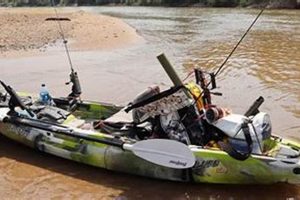
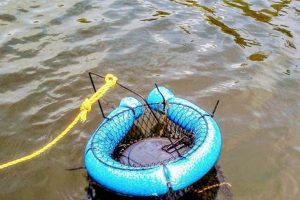
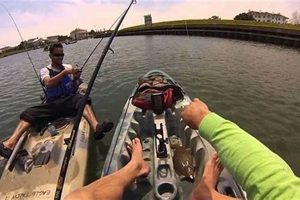
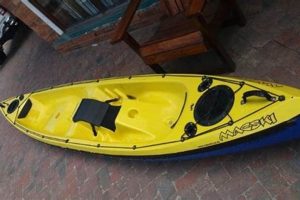
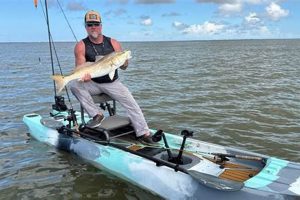
A personalized, self-propelled watercraft designed for angling offers anglers mobility and access to various fishing spots. These vessels are typically smaller and more maneuverable than traditional boats, allowing navigation in shallow waters and tighter spaces, crucial for reaching prime fishing locations often inaccessible to larger craft. They often feature specialized equipment like rod holders, tackle storage, and even livewells.
This type of small watercraft provides a unique blend of stability, portability, and specialized features. Anglers benefit from a stable platform for casting and reeling, enabling them to focus on the sport. Their compact size and relatively light weight make transport and launch easier, broadening fishing opportunities. The integration of fishing-specific accessories enhances efficiency and enjoyment on the water. The popularity of these specialized vessels has risen alongside the growing interest in kayak fishing, reflecting a desire for closer interaction with nature and a more active angling experience.
This exploration provides context for understanding the nuances of selecting, outfitting, and effectively utilizing such a vessel. Further discussion will cover key topics including choosing the right hull design, essential safety equipment, effective paddling techniques, and advanced fishing strategies from a kayak.
Tips for Kayak Fishing
Effective angling from a kayak requires preparation and strategic planning. These tips offer guidance for enhancing on-the-water experiences and maximizing fishing success.
Tip 1: Prioritize Stability: Vessel stability is paramount. A wider, flatter hull design generally provides increased stability, especially for beginners. Consider the intended fishing environment and choose a kayak offering a suitable balance of stability and maneuverability.
Tip 2: Master Paddling Techniques: Efficient paddling conserves energy and allows anglers to cover more water. Practice basic strokes and learn maneuvering techniques for navigating currents, wind, and obstacles.
Tip 3: Organize Tackle and Gear: A well-organized kayak facilitates efficient fishing. Utilize storage compartments and consider mounting rod holders and other accessories for easy access to essential gear.
Tip 4: Choose Location Wisely: Research potential fishing spots beforehand, considering factors such as water depth, currents, and species presence. Look for areas with calm waters, especially when starting.
Tip 5: Practice Casting from a Seated Position: Casting from a kayak requires adaptation. Practice maintaining balance while executing accurate casts, considering the lower center of gravity.
Tip 6: Emphasize Safety Precautions: Wear a personal flotation device (PFD) at all times. Carry a whistle, signaling device, and communication tools in case of emergencies. Inform someone of the fishing plan and estimated return time.
Tip 7: Respect the Environment: Practice catch-and-release fishing whenever possible. Dispose of fishing line and other waste properly to minimize environmental impact.
Applying these tips contributes to safe and successful kayak fishing outings. Careful preparation, combined with an understanding of on-the-water techniques, will enhance angling enjoyment and effectiveness.
By incorporating these strategies, individuals can cultivate a more rewarding and responsible approach to kayak fishing, fostering a deeper connection with the sport and the environment.
1. Selection
Appropriate kayak selection is fundamental to a successful and enjoyable fishing experience. The process involves careful consideration of various factors tailored to individual angler needs and the intended fishing environment. Choosing the right vessel optimizes performance, comfort, and safety on the water.
- Hull Design:
Hull design significantly impacts stability, maneuverability, and tracking. A wider, flatter hull offers greater stability, ideal for beginners or calm waters. A narrower, V-shaped hull provides better tracking and speed, suitable for experienced anglers or open water conditions. Pontoon-style hulls provide exceptional stability but may sacrifice maneuverability. Selecting the appropriate hull type directly influences fishing effectiveness and safety.
- Length and Width:
Kayak length and width influence performance characteristics. Longer kayaks generally track better and offer higher speed, while shorter kayaks are more maneuverable in tight spaces. Wider kayaks provide increased stability, while narrower kayaks are faster and more efficient for paddling long distances. The optimal length and width depend on the fishing environment and angler preferences.
- Propulsion System:
Kayaks utilize various propulsion systems including paddles, pedals, and motors. Paddle kayaks offer simplicity and affordability, while pedal kayaks provide hands-free fishing opportunities. Motorized kayaks offer greater speed and range, particularly in larger bodies of water. Choosing the appropriate propulsion system depends on fishing style, physical capabilities, and desired fishing range.
- Features and Accessories:
Features like rod holders, storage compartments, and anchor trolleys significantly enhance fishing functionality. Integrated fish finders and GPS systems provide valuable navigational and fish-locating capabilities. Selecting a kayak with appropriate features improves angling efficiency and overall enjoyment on the water.
Careful consideration of these selection criteria ensures the chosen kayak aligns with individual angling requirements. A well-matched vessel enhances on-the-water performance, safety, and overall fishing success. By understanding the interplay of hull design, dimensions, propulsion, and features, anglers can confidently select a kayak optimized for their specific needs and maximize their fishing experience.
2. Customization
Customization plays a vital role in optimizing a fishing kayak for individual needs and enhancing angling effectiveness. Adapting the vessel to specific fishing styles and preferences transforms a standard kayak into a personalized fishing platform. This process involves integrating accessories and modifications that improve functionality, organization, and overall fishing performance. Cause and effect relationships exist between customization choices and on-the-water outcomes. For example, installing rod holders allows anglers to readily access fishing rods, resulting in quicker reaction time to bites and increased catch potential. Similarly, adding a fish finder improves the ability to locate fish, directly impacting fishing success. Customization is not merely an aesthetic enhancement; it’s a functional component integral to the effectiveness of a fishing kayak.
Real-life examples illustrate the practical significance of customization. An angler targeting bass in shallow waters might install a shallow-water anchor system, enabling precise boat positioning in optimal fishing locations. An angler fishing in open water might add a GPS and chartplotter to navigate efficiently and mark productive fishing spots. These tailored modifications directly address specific fishing scenarios, highlighting the importance of customization as a core element of a fishing kayak. The ability to personalize a fishing kayak contributes significantly to angler success and enjoyment. Customizing storage solutions, mounting specialized equipment, and integrating electronic devices are practical applications that enhance efficiency and optimize the fishing experience.
Effective customization transforms a generic fishing kayak into a personalized, highly effective angling platform. Understanding the relationship between customization choices and fishing outcomes empowers anglers to tailor their vessels to specific needs and preferences. While customization offers substantial benefits, challenges such as cost, compatibility, and potential impacts on stability must be considered. Addressing these challenges through careful planning and informed decision-making ensures the chosen modifications enhance, rather than hinder, the overall fishing experience. By approaching customization strategically, anglers maximize the functionality and effectiveness of their fishing kayaks, contributing to a more productive and enjoyable time on the water.
3. Transportation

Transporting a fishing kayak effectively is crucial for accessing diverse fishing locations. Efficient and safe transportation practices ensure the vessel arrives undamaged and ready for use. Various factors influence transportation methods, including kayak size and weight, vehicle type, and travel distance. Understanding these factors allows anglers to select the most appropriate transportation solution.
- Vehicle Roof Racks:
Roof racks are a common and versatile method for transporting kayaks. Selecting appropriate roof rack systems depends on vehicle type and kayak dimensions. Proper securing techniques, using straps and tie-down points, are essential for preventing kayak movement and damage during transit. Examples include J-style cradles for carrying kayaks on their sides and stackers for carrying multiple kayaks.
- Trailers:
Trailers offer a convenient solution for transporting multiple kayaks or longer, heavier models. Trailers provide increased carrying capacity and reduce strain on the vehicle’s roof. Proper weight distribution and secure tie-down procedures are crucial for safe trailer operation. Specialized kayak trailers often feature rollers and bunks to facilitate loading and unloading.
- Truck Beds:
Truck beds provide a readily available transport platform for kayaks. Securing the kayak with straps and padding prevents shifting and damage during transport. Considerations include truck bed length and width relative to kayak dimensions. Foam blocks or cradles can provide additional support and protection.
- Portable Kayak Carts:
Kayak carts facilitate transporting kayaks from vehicle to launch point, especially over longer distances or uneven terrain. These carts typically feature wheels and a frame designed to support the kayak’s weight. Selecting a cart with appropriate weight capacity and durable construction is essential for reliable performance.
The chosen transportation method impacts the accessibility of fishing locations and the overall kayaking experience. Efficient transportation practices minimize the effort required to reach desired fishing spots, allowing anglers to focus on the sport. Prioritizing safe transportation procedures protects the kayak from damage and ensures safe travels. By considering kayak dimensions, vehicle capabilities, and travel distance, anglers can select the optimal transportation solution, maximizing efficiency and preserving the integrity of their fishing kayak.
4. Safety

Safety is paramount in kayak fishing. Operating in a dynamic aquatic environment necessitates a proactive approach to risk management and adherence to established safety guidelines. Understanding potential hazards and implementing preventative measures ensures angler well-being and contributes to a positive on-the-water experience. Ignoring safety protocols can lead to serious consequences, impacting not only the individual angler but potentially involving rescue personnel and other waterway users. A comprehensive safety strategy encompasses preparation, equipment, and on-the-water practices.
- Personal Flotation Devices (PFDs):
Wearing a properly fitted PFD is fundamental to kayak fishing safety. PFDs provide buoyancy and support in the event of capsizing or accidental immersion, significantly increasing survival chances. Choosing a PFD designed for kayaking or paddling ensures optimal comfort and range of motion. Neglecting to wear a PFD can have life-threatening consequences, even in calm waters.
- Communication and Signaling Equipment:
Carrying communication and signaling devices is essential for summoning assistance in emergencies. A waterproof VHF radio allows direct communication with the Coast Guard and other boaters. Whistles, signal flares, and mirrors provide visual and auditory signals to attract attention. A charged mobile phone in a waterproof case offers a secondary communication option. Real-life scenarios highlight the importance of these tools, such as a capsized angler using a whistle to alert nearby boaters.
- Weather Awareness and Planning:
Checking weather forecasts before embarking on a kayak fishing trip is crucial. Sudden changes in weather conditions, such as strong winds or thunderstorms, can create hazardous situations on the water. Planning trips during favorable weather windows minimizes risks. Understanding weather patterns and potential hazards allows anglers to make informed decisions about launching, returning to shore, or seeking shelter.
- Navigation and Awareness of Surroundings:
Maintaining awareness of surroundings, including other boats, obstacles, and changing water conditions, is essential for safe kayak operation. Carrying navigational charts or using GPS devices aids in route planning and avoiding hazards. Understanding navigational markers and rules of the waterway enhances safety and prevents collisions. Real-life examples include recognizing and avoiding shallow areas or strong currents.
Integrating these safety facets into kayak fishing practices ensures a more secure and enjoyable experience. Prioritizing safety not only protects individual anglers but also fosters a responsible approach to waterway usage. By adhering to safety guidelines and implementing preventative measures, anglers minimize risks and contribute to a safer environment for all waterway users. A comprehensive understanding of safety principles transforms kayak fishing from a potentially hazardous activity into a rewarding and secure pursuit.
5. Maintenance

Regular maintenance is essential for preserving the performance and longevity of a fishing kayak. Neglecting routine care can lead to premature wear and tear, compromising the vessel’s structural integrity and functionality. A well-maintained kayak provides a safe and reliable platform for angling, ensuring optimal performance and extending its lifespan. Conversely, neglecting maintenance can result in costly repairs, decreased performance, and potential safety hazards. This section explores key maintenance facets crucial for preserving a fishing kayak’s condition and maximizing its usability.
- Cleaning:
Regular cleaning removes dirt, grime, saltwater residue, and other contaminants that can degrade kayak materials over time. Rinsing the kayak with fresh water after each use and periodically cleaning it with a mild detergent helps prevent material deterioration and staining. For example, removing saltwater residue after ocean fishing trips prevents corrosion of metal components and degradation of plastic hulls. This simple practice significantly extends the kayak’s lifespan.
- Storage:
Proper storage protects the kayak from environmental damage and preserves its structural integrity. Storing the kayak out of direct sunlight, extreme temperatures, and harsh weather conditions helps prevent fading, cracking, and warping. Storing the kayak upside down or on its side, supported by cradles or straps, prevents deformation of the hull. For instance, storing a kayak in a garage or shed shields it from damaging UV radiation and temperature fluctuations. Appropriate storage practices maintain the kayak’s condition and extend its useful life.
- Inspection and Repair:
Regular inspection identifies potential issues before they escalate into major problems. Checking for cracks, scratches, loose fittings, and signs of wear allows for timely repairs, preventing further damage. Addressing minor repairs promptly, such as patching small cracks or replacing worn-out hardware, prevents more extensive and costly repairs later. For example, inspecting the hull for scratches after encountering submerged debris enables prompt repair, preventing water intrusion and potential structural damage. Diligent inspection and timely repairs maintain the kayak’s integrity and ensure safe operation.
- UV Protection:
Ultraviolet (UV) radiation from sunlight can degrade kayak materials, particularly plastic hulls. Applying a UV protectant spray or wax specifically designed for kayaks helps shield the hull from harmful UV rays, preventing fading, cracking, and weakening. Regular application of UV protectant, especially in regions with intense sunlight, preserves the kayak’s appearance and structural integrity. For example, applying UV protectant annually can significantly extend the lifespan of a plastic kayak hull, preserving its color and preventing premature degradation caused by sun exposure.
Implementing these maintenance practices safeguards the investment in a fishing kayak and ensures its continued performance and reliability on the water. Regular cleaning, proper storage, diligent inspection, and UV protection contribute significantly to the kayak’s longevity and maintain its optimal condition for years of enjoyable fishing. By prioritizing maintenance, anglers protect their investment and ensure a safe, reliable, and high-performing vessel for countless fishing adventures.
6. Fishing Techniques

Specialized fishing techniques enhance angling success from a kayak. The inherent characteristics of a kayaklow profile, maneuverability, and quiet operationinfluence technique selection and execution. Cause-and-effect relationships exist between technique and outcome. Drift fishing, for example, leverages kayak maneuverability to present bait naturally within target zones, increasing the likelihood of attracting fish. Trolling from a kayak utilizes its quiet movement to minimize disturbance, enhancing lure presentation and attracting wary species. The importance of technique as a component of kayak fishing is undeniable; it directly influences catch rates and overall angling effectiveness.
Real-life examples illustrate this connection. An angler targeting trout in a slow-moving river might employ a subtle fly fishing technique from a kayak, delicately presenting small flies to selective fish. An angler pursuing inshore saltwater species might utilize a jigging technique, capitalizing on the kayak’s stability to vertically jig lures near structure, attracting bottom-dwelling fish. These examples highlight the practical significance of understanding how kayak-specific fishing techniques interact with the environment and target species. Adapting techniques to leverage the kayak’s advantages maximizes fishing success.
Mastery of kayak-specific fishing techniques distinguishes successful anglers. Challenges like maintaining balance while casting or fighting fish require practice and adaptation. Addressing these challenges through focused skill development enhances angling prowess and overall enjoyment. Integrating effective techniques transforms the kayak into a highly effective fishing platform, maximizing catch potential and fostering a deeper connection with the sport. The understanding and application of tailored fishing techniques elevate kayak angling from a recreational pastime to a rewarding and productive pursuit.
7. Environmental Responsibility

Environmental responsibility is integral to sustainable kayak fishing practices. Operating within natural ecosystems necessitates minimizing negative impacts and preserving these environments for future generations. A responsible approach benefits not only the environment but also enhances the long-term viability of the sport. Disregarding environmental considerations can lead to habitat degradation, pollution, and ultimately, diminished fishing opportunities. This section explores key facets of environmental responsibility within the context of kayak fishing.
- Leave No Trace Principles:
Adhering to Leave No Trace principles minimizes human impact on natural environments. Packing out all trash, including fishing line and tackle remnants, prevents pollution and protects wildlife. Minimizing disturbances to vegetation and wildlife preserves habitat integrity. Real-life examples include carrying a reusable trash bag and properly disposing of fishing line scraps. These practices maintain the pristine quality of fishing locations.
- Respect for Aquatic Life:
Responsible angling practices demonstrate respect for aquatic ecosystems. Practicing catch-and-release fishing, handling fish carefully, and using appropriate fishing gear minimize stress on fish populations and preserve their health. Avoiding overfishing contributes to sustainable fish stocks. For instance, using barbless hooks reduces injury to released fish, increasing their survival rates. Respectful angling practices ensure the long-term health of fish populations.
- Waterway Conservation:
Protecting waterway health is crucial for maintaining healthy fish populations and preserving the quality of fishing environments. Avoiding the use of harmful chemicals or pollutants, such as improper disposal of cleaning agents or engine fluids, prevents water contamination. Respecting riparian zones and avoiding erosion-prone areas protects water quality and habitat integrity. Real-life examples include using biodegradable soaps and avoiding disturbing vegetation along shorelines. Conserving waterways ensures the long-term health of aquatic ecosystems.
- Responsible Anchoring:
Anchoring responsibly minimizes damage to sensitive underwater habitats. Avoiding anchoring in seagrass beds, coral reefs, or other delicate ecosystems prevents physical damage to these important habitats. Using appropriate anchor types and techniques minimizes disturbance to the seabed. For instance, using sand anchors in sandy areas or employing drift fishing techniques in sensitive habitats avoids damage to fragile ecosystems. Responsible anchoring practices preserve the integrity of underwater environments.
Integrating these facets of environmental responsibility into kayak fishing practices ensures a sustainable and ethical approach to the sport. Minimizing human impact, respecting aquatic life, conserving waterways, and anchoring responsibly contribute to the long-term health of aquatic ecosystems and preserve fishing opportunities for future generations. By prioritizing environmental stewardship, anglers enhance not only the quality of their fishing experiences but also the overall health and sustainability of the natural world.
Frequently Asked Questions
Addressing common inquiries regarding personalized fishing kayaks provides clarity and facilitates informed decision-making for prospective anglers. The following questions and answers offer insights into key aspects of selecting, outfitting, and utilizing these specialized vessels.
Question 1: How does one choose an appropriate fishing kayak?
Kayak selection depends on individual needs and intended fishing environments. Factors to consider include hull design (stability vs. maneuverability), length and width, propulsion system (paddle, pedal, or motor), and desired features (rod holders, storage, etc.). Matching these factors to specific fishing styles and locations ensures optimal performance and enjoyment.
Question 2: What essential safety equipment is recommended for kayak fishing?
Essential safety equipment includes a properly fitted personal flotation device (PFD), a whistle or other signaling device, communication tools (VHF radio or mobile phone in a waterproof case), and navigation aids (charts or GPS). Checking weather forecasts before embarking and informing someone of the fishing plan are also crucial safety practices.
Question 3: How is a fishing kayak transported effectively?
Transportation methods depend on kayak size, vehicle type, and travel distance. Options include roof racks, trailers, truck beds, and portable kayak carts. Proper securing techniques, using straps and tie-down points, are essential regardless of the chosen method to prevent kayak damage during transit.
Question 4: What maintenance practices ensure a fishing kayak’s longevity?
Regular cleaning with fresh water and mild detergent, proper storage out of direct sunlight and harsh weather, periodic inspection for damage, and application of UV protectant preserve kayak materials and extend lifespan. Addressing minor repairs promptly prevents further damage and costly replacements.
Question 5: How do fishing techniques differ in a kayak compared to other vessels?
Kayak fishing techniques often prioritize stealth and maneuverability. Techniques like drift fishing, trolling, and jigging are adapted to leverage the kayak’s low profile and quiet movement. Maintaining balance while casting and retrieving requires practice and specialized techniques.
Question 6: How can anglers minimize environmental impact while kayak fishing?
Adhering to Leave No Trace principles, practicing catch-and-release fishing, using appropriate fishing gear, and respecting aquatic habitats minimize environmental impact. Responsible anchoring practices and proper disposal of fishing line and other waste preserve waterway health.
Understanding these fundamental aspects of kayak fishing promotes safe, enjoyable, and environmentally responsible angling practices. Informed decision-making and proactive preparation contribute significantly to a rewarding experience on the water.
Further exploration of specific kayak models, fishing gear, and advanced techniques can enhance angling proficiency and enjoyment. Continuing education and responsible practices ensure the sustainability of this rewarding outdoor pursuit.
Conclusion
A personalized fishing kayak represents more than just a vessel; it embodies a gateway to intimate interactions with aquatic environments. This exploration has highlighted the multifaceted nature of these specialized craft, encompassing selection, customization, transportation, safety, maintenance, fishing techniques, and environmental stewardship. Each facet contributes significantly to the overall experience, influencing not only angling success but also the long-term health and sustainability of waterways.
The informed selection and responsible utilization of a personalized fishing kayak empowers anglers to cultivate a deeper connection with nature. Prioritizing safety and environmental consciousness ensures the preservation of these unique experiences for future generations. Continued learning and adaptation of techniques promise enhanced angling proficiency and a greater appreciation for the delicate balance within aquatic ecosystems. Through mindful engagement, the personalized fishing kayak becomes a vessel for both sporting enjoyment and environmental responsibility.