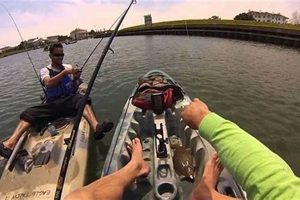
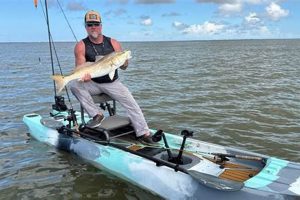
Compact, lightweight kayaks designed for angling offer a unique approach to the sport. These vessels, often sit-on-top models, prioritize maneuverability and portability, allowing anglers access to shallow waters, tight creeks, and areas unreachable by larger boats. Imagine casting a line in a secluded cove teeming with fish, a location only accessible with a small, nimble watercraft. This specialized approach emphasizes efficiency and close contact with the aquatic environment.
This style of fishing presents significant advantages. The reduced size and weight facilitate transport and launch, eliminating the need for trailers and ramps. Their minimal draft permits navigation in shallow areas, expanding fishing opportunities. Furthermore, the quiet operation of a paddle-powered kayak allows anglers to approach fish stealthily, increasing the chances of a successful catch. This practice has gained popularity due to its affordability, accessibility, and environmentally friendly nature.
The following sections delve deeper into essential aspects of this specialized fishing style. Topics include selecting appropriate gear, optimizing kayak setup, identifying productive fishing locations, and practicing responsible angling techniques.
Tips for Compact Kayak Angling
Proper planning and execution are crucial for a successful and enjoyable fishing experience from a compact kayak. These tips offer guidance for maximizing efficiency and safety on the water.
Tip 1: Prioritize Stability: Kayak stability is paramount, especially when fishing. Choose a wider, flatter-bottomed hull for enhanced stability, particularly for beginners. Consider adding outriggers for increased security.
Tip 2: Minimize Gear: Space is limited on smaller kayaks. Pack only essential fishing gear and safety equipment. Utilize waterproof storage bags to protect belongings from water damage.
Tip 3: Plan Fishing Locations Carefully: Research potential fishing spots beforehand. Consider water conditions, accessibility, and species targeted. Check weather forecasts and tide charts before departure.
Tip 4: Practice Paddle Strokes: Efficient paddling conserves energy and allows for precise maneuvering. Practice various paddle strokes to improve control and navigate effectively in different conditions.
Tip 5: Master Anchor Positioning: Secure anchoring is essential for maintaining position in currents or wind. Learn how to deploy and retrieve anchors efficiently from a seated position.
Tip 6: Understand Water Safety: Wear a personal flotation device (PFD) at all times. Carry a whistle, signaling device, and communication tools for emergencies. Inform someone of fishing plans, including location and estimated return time.
Tip 7: Respect the Environment: Practice catch-and-release whenever possible. Dispose of fishing line and other waste responsibly. Minimize disturbance to wildlife and their habitats.
By adhering to these guidelines, anglers can enhance their safety, improve their fishing success, and contribute to the preservation of aquatic environments.
These tips serve as a foundation for successful compact kayak angling. Further exploration of specific techniques and equipment choices will further refine on-the-water skills.
1. Compact Vessel Selection

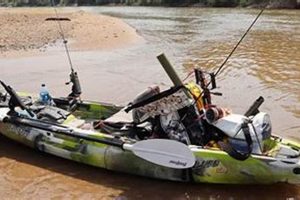
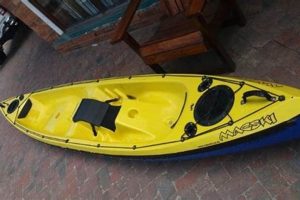
Compact vessel selection is paramount for successful small kayak fishing. The kayak’s dimensions and design directly influence maneuverability, stability, and overall fishing efficacy. Shorter kayaks, typically under 12 feet, excel in tight, confined waterways like creeks and mangrove tunnels, enabling access to secluded fishing spots often unreachable by larger boats. Wider hulls, even in shorter lengths, contribute to stability, a critical factor when casting, reeling, and landing fish from a seated position. Consider a kayak’s weight capacity; it must accommodate the angler, fishing gear, and potential catch without compromising performance or safety. For instance, a lightweight, shorter kayak is ideal for navigating shallow, protected waters, while a slightly longer, more robust model might be preferred for open bays or larger lakes.
Specific design features further enhance fishing functionality. Recessed rod holders keep lines organized and accessible, while integrated storage compartments protect tackle and equipment from the elements. A comfortable seat with adjustable back support is essential for prolonged fishing trips, promoting better posture and reducing fatigue. Footrests or adjustable pedals offer crucial leverage for paddling and enhance stability. Selecting a sit-on-top model allows for easier entry and exit, particularly advantageous in shallow water or after an unexpected dip. For example, a kayak with a rudder system improves tracking and control in windy conditions, allowing anglers to focus on fishing rather than constantly correcting course.
Careful vessel selection optimizes the small kayak fishing experience. Prioritizing maneuverability, stability, and appropriate features ensures anglers can access desired fishing locations efficiently and safely. Matching the kayak’s characteristics to the intended fishing environment and target species leads to increased success and enjoyment on the water. While budgetary constraints may influence choices, investing in a well-designed, purpose-built fishing kayak significantly enhances long-term performance and satisfaction. Regular maintenance and proper storage further extend the kayak’s lifespan and maintain its optimal fishing capabilities.
2. Lightweight Gear Optimization

Lightweight gear optimization is integral to the efficacy and enjoyment of small kayak fishing. Compact kayaks, by design, offer limited storage and weight capacity. Prioritizing lightweight equipment maximizes space, enhances maneuverability, and ensures the kayak performs optimally. Heavier gear negatively impacts stability and paddling efficiency, potentially limiting access to shallow waters and increasing fatigue. The cumulative weight of rods, reels, tackle boxes, safety equipment, and personal items must be carefully considered. For example, substituting a traditional lead-acid battery for a lighter lithium-ion version when powering a fish finder significantly reduces overall weight.
Selecting lightweight rods and reels specifically designed for kayak fishing is crucial. These specialized rods often feature shorter lengths and collapsible designs for easier storage and transport. Similarly, compact, lightweight reels with smooth drag systems are ideal for battling fish from a confined platform. Tackle boxes should be minimized and organized to contain only essential lures and tools. Waterproof bags and dry boxes protect sensitive electronics and personal belongings while keeping weight to a minimum. Consider lightweight, quick-drying clothing and footwear suitable for aquatic environments. Using a smaller, lighter anchor, appropriate for the kayak’s size and the fishing environment, further optimizes weight distribution and performance. For instance, braid fishing line, being thinner and stronger than monofilament, allows for the use of smaller, lighter reels without sacrificing line capacity.
Understanding the relationship between weight and performance is paramount in small kayak fishing. A lighter kayak responds more efficiently to paddle strokes, requiring less effort to maneuver and cover distance. Reduced weight also improves stability, crucial for casting, hooking, and landing fish. The benefits of lightweight gear optimization extend beyond performance, enhancing safety and overall enjoyment. A less burdened kayak is easier to control in challenging conditions, reducing the risk of capsizing or fatigue. The increased maneuverability allows anglers to explore a wider range of fishing locations and react quickly to changing fish behavior. Ultimately, a well-optimized, lightweight setup allows anglers to focus on the fishing experience itself, unhindered by cumbersome gear or unnecessary weight.
3. Strategic Location Targeting

Strategic location targeting significantly amplifies the effectiveness of small kayak fishing. The inherent limitations of kayaks, regarding speed and range, necessitate a focused approach to location selection. Understanding fish behavior, habitat preferences, and environmental influences allows anglers to maximize fishing time and increase catch rates. Targeting specific areas known to hold target species, rather than randomly exploring vast expanses of water, conserves energy and improves the odds of success. For instance, focusing on shallow, vegetated areas during warmer months might yield better results for bass fishing, while deeper channels and drop-offs become more productive during colder periods.
Effective location targeting involves pre-trip planning and research. Utilizing online resources, such as nautical charts, satellite imagery, and local fishing reports, provides valuable insights into potential fishing grounds. Identifying key features like submerged structures, weed beds, current breaks, and temperature variations helps pinpoint areas likely to attract fish. Observing natural signs, such as baitfish activity, bird behavior, and water clarity, further refines location selection upon arrival. Tidal flows and weather patterns also influence fish behavior and should be factored into targeting strategies. For example, fishing near a river mouth during an outgoing tide can concentrate baitfish and attract predatory species. Similarly, understanding how wind and wave action affect water clarity and temperature can inform decisions about where to fish.
Strategic location targeting, therefore, represents a cornerstone of successful small kayak fishing. It compensates for the inherent limitations of kayaks by concentrating efforts on high-probability areas. Combining pre-trip research with on-the-water observation maximizes fishing time and improves catch rates. This targeted approach not only enhances fishing success but also promotes responsible angling by minimizing environmental impact and disturbance to aquatic ecosystems.
4. Safe and Efficient Paddling

Safe and efficient paddling forms the cornerstone of successful small kayak fishing. Propulsion, maneuverability, and positioning depend entirely on paddling skill, directly impacting fishing effectiveness and overall safety. Efficient paddling conserves energy, allowing anglers to cover greater distances and spend more time fishing rather than battling fatigue. Precise paddle control enables stealthy approaches to fish-holding areas, minimizing disturbance and maximizing catch opportunities. Furthermore, adept paddling facilitates navigation through challenging conditions, such as currents, wind, and obstacles, enhancing safety and expanding access to productive fishing locations. For example, a skilled angler can quietly position a kayak upstream of a submerged log, presenting lures naturally with the current.
Safety considerations are paramount. Understanding basic paddle strokes, such as the forward stroke, reverse stroke, and sweep stroke, provides foundational control. Proper posture and body mechanics minimize strain and maximize power output. Knowing how to execute a self-rescue in the event of a capsize is essential. Carrying necessary safety equipment, including a personal flotation device (PFD), whistle, and signaling device, is non-negotiable. Checking weather forecasts and water conditions before embarking ensures preparedness for potential challenges. For instance, practicing self-rescue techniques in a controlled environment builds confidence and prepares anglers for unexpected situations.
Ultimately, proficient paddling technique transforms the small kayak fishing experience. It bridges the gap between simply reaching a fishing spot and effectively working it. The ability to maneuver precisely, maintain position, and conserve energy significantly amplifies fishing success. Prioritizing safety through proper training and equipment ensures enjoyment and preparedness on the water. This interwoven relationship between paddling prowess and successful angling underscores the importance of dedicated practice and a comprehensive understanding of on-the-water dynamics.
5. Respectful Environmental Practices
Respectful environmental practices are intrinsically linked to the sustainability and enjoyment of small kayak fishing. This low-impact angling method offers a unique opportunity to connect with nature, demanding a responsible approach to minimize disturbance and preserve the delicate balance of aquatic ecosystems. Ignoring environmental considerations not only degrades the natural environment but also compromises the future of the sport itself. Preserving the health and vitality of these environments ensures continued access and enjoyment for future generations.
- Minimize Disturbance to Wildlife
Kayaks, due to their quiet operation, allow anglers to approach fish and other wildlife with minimal disturbance. Avoiding sudden movements and excessive noise minimizes stress on animals and preserves the natural integrity of the environment. Respecting nesting sites and breeding areas is crucial, particularly during sensitive periods. For example, paddling slowly and quietly near a heron rookery allows observation without causing disruption or distress.
- Proper Waste Disposal
Discarded fishing line, hooks, and other debris pose significant threats to aquatic life and water quality. Responsible anglers carry a dedicated container for collecting trash and dispose of it properly onshore. Lost or broken fishing gear should be retrieved whenever possible. For instance, using biodegradable fishing line minimizes environmental impact if lost or discarded accidentally.
- Catch-and-Release Practices
Practicing catch-and-release fishing helps maintain healthy fish populations and preserves the biodiversity of aquatic ecosystems. Handling fish gently, using appropriate hooks and tackle, and minimizing air exposure during release increases their chances of survival. Adhering to size and bag limits, when applicable, further contributes to sustainable fisheries management. For example, using barbless hooks reduces injury to fish and facilitates quicker release.
- Respect for Aquatic Habitats
Avoiding contact with sensitive habitats, such as coral reefs, seagrass beds, and submerged vegetation, prevents damage and preserves essential ecosystem functions. Anchoring responsibly, using designated anchoring areas or sand patches when available, minimizes disruption to the seabed. For instance, utilizing a drift sock instead of an anchor in sensitive areas prevents physical damage to fragile habitats.
These practices, when integrated into the small kayak fishing experience, ensure the long-term health and accessibility of these valuable resources. Respectful interaction with the environment not only benefits the ecosystem but also enhances the quality of the angling experience. By prioritizing conservation, anglers contribute to the preservation of these natural treasures, ensuring their enjoyment for generations to come. The quiet, low-impact nature of small kayak fishing presents a unique opportunity for anglers to become stewards of the environment, actively participating in its protection and ensuring its continued vitality.
Frequently Asked Questions
This section addresses common inquiries regarding small kayak fishing, providing concise and informative responses to clarify potential uncertainties and enhance understanding of this specialized angling approach.
Question 1: What are the primary advantages of fishing from a small kayak?
Maneuverability in shallow water, affordability, ease of transport and launch, and stealthy approach to fish are key advantages. Compact kayaks grant access to areas unreachable by larger vessels, offering a unique fishing experience.
Question 2: How does one choose the right small kayak for fishing?
Consider stability, weight capacity, storage options, and design features specific to fishing. Hull design impacts maneuverability and tracking. Adequate weight capacity accommodates angler, gear, and potential catch. Features like rod holders and storage compartments enhance fishing functionality.
Question 3: What essential safety precautions should be taken when kayak fishing?
Wearing a personal flotation device (PFD) is paramount. Carrying a whistle, signaling device, and communication tools is crucial for emergencies. Checking weather forecasts and informing someone of fishing plans, including location and estimated return time, enhances safety protocols.
Question 4: What are the essential gear and equipment requirements for small kayak fishing?
Essential gear includes a properly fitted PFD, paddle, appropriate fishing rods and reels, tackle box with essential lures and tools, and safety equipment. Additional items might include a fish finder, anchor, and dry bags for storing personal belongings and electronics.
Question 5: How does wind and current affect small kayak fishing, and how can these factors be managed?
Wind and current significantly impact kayak control and positioning. Utilizing a drift sock or anchor helps maintain position in current. Understanding wind direction and adjusting paddling technique or using a rudder system assists with navigation in windy conditions.
Question 6: What are the best practices for minimizing environmental impact while kayak fishing?
Practicing catch and release, adhering to size and bag limits, properly disposing of fishing line and other waste, and avoiding disturbance to sensitive habitats minimize environmental impact. Using biodegradable fishing line further reduces potential harm to aquatic ecosystems.
Careful consideration of these frequently asked questions prepares anglers for a safe, enjoyable, and environmentally responsible small kayak fishing experience. Further research and practice enhance on-the-water proficiency and contribute to the long-term sustainability of this unique angling pursuit.
For those seeking a deeper understanding of specific techniques and advanced strategies, the following resources offer valuable insights and guidance.
Small Kayak Fishing
This exploration of small kayak fishing has highlighted the multifaceted nature of this specialized pursuit. From vessel selection and gear optimization to strategic location targeting and respectful environmental practices, each element contributes significantly to a successful and sustainable angling experience. The advantages of maneuverability, affordability, and intimate interaction with nature distinguish this approach from traditional boat fishing. Efficient paddling technique and adherence to safety protocols ensure both enjoyment and preparedness on the water. The emphasis on lightweight gear and strategic planning maximizes fishing effectiveness within the inherent limitations of compact kayaks. Respect for aquatic ecosystems, through responsible angling practices, safeguards these valuable resources for future generations.
Small kayak fishing represents more than just a recreational activity; it embodies a mindful approach to angling, fostering a deeper connection with the natural world. As this pursuit continues to gain popularity, continued education and responsible practices will ensure its long-term viability and preserve the delicate balance of aquatic environments. The future of small kayak fishing rests on the collective commitment to sustainable practices, fostering a legacy of responsible enjoyment and environmental stewardship.