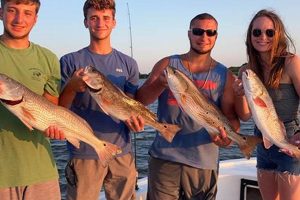
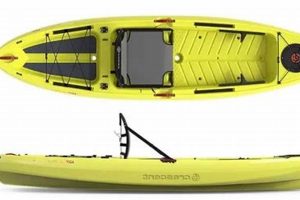
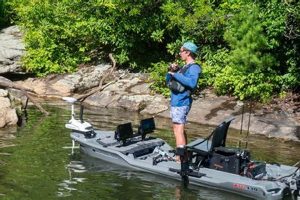
Small-scale, community-based competitive angling events centered around human-powered watercraft offer a unique blend of sport and nature. These competitions typically involve participants navigating specified bodies of water, casting lines from kayaks, and aiming to catch the largest or most numerous fish within set rules and timeframes. A typical example might involve anglers competing for the heaviest combined weight of three bass caught within a four-hour period on a designated lake.
Such events foster camaraderie among enthusiasts, promote conservation awareness through catch-and-release practices, and contribute to the economic vitality of surrounding areas. Offering a more accessible entry point than large-scale boat-based tournaments, these competitions cultivate a sense of community and encourage participation from diverse groups of anglers. Historically, the growth of these events has paralleled the increasing popularity of kayak fishing itself, reflecting a broader societal trend towards accessible, environmentally conscious outdoor recreation.
This article will further explore the various aspects of these competitions, including common formats, participation requirements, associated costs, and the positive impacts they have on local ecosystems and communities.
Tips for Competitive Kayak Angling
Success in small-scale, community-based fishing competitions from kayaks requires careful planning and execution. The following tips offer guidance for enhancing performance and enjoyment.
Tip 1: Pre-fish the Location: Prior exploration of the designated competition area allows anglers to identify productive fishing spots, understand water depth and bottom structure, and determine optimal lure choices. This preparation can significantly improve catch rates during the event.
Tip 2: Master Kayak Control: Efficient paddling and maneuvering are essential for reaching target locations quickly and maintaining stable casting positions, especially in windy conditions or strong currents. Practice precise boat control before the competition.
Tip 3: Organize Tackle Strategically: Easy access to essential gear minimizes time spent searching and maximizes fishing time. A well-organized tackle system allows for quick lure changes and efficient handling of caught fish.
Tip 4: Prioritize Safety: Wearing a personal flotation device and carrying essential safety equipment, such as a whistle and signaling devices, are crucial for personal well-being. Awareness of weather conditions and adherence to event rules further enhance safety.
Tip 5: Understand Tournament Rules: Familiarization with specific regulations, including permitted fishing areas, target species, size limits, and allowable fishing methods, ensures compliance and avoids penalties.
Tip 6: Respect Fellow Competitors: Maintaining appropriate distance from other anglers and avoiding disruptive behavior fosters a positive and sportsmanlike atmosphere. Respectful conduct contributes to the overall enjoyment of the event.
Tip 7: Conserve Resources: Practicing catch-and-release fishing, minimizing waste, and adhering to leave-no-trace principles demonstrates environmental responsibility and preserves the natural resources that support these competitions.
By implementing these strategies, anglers can improve their chances of success while contributing to a safe, enjoyable, and sustainable tournament experience. These preparations enhance individual performance and contribute to the positive growth of community-based angling events.
This article will now conclude with a discussion of the broader benefits of participating in community-based fishing competitions from kayaks.
1. Community Engagement

Community engagement plays a vital role in the success and sustainability of local kayak fishing tournaments. These events serve as a platform for fostering connections among anglers, promoting local businesses, and supporting environmental conservation efforts. A strong sense of community strengthens the overall tournament experience and contributes to the growth of the sport.
- Networking and Camaraderie
Tournaments provide opportunities for anglers of all skill levels to interact, share knowledge, and build relationships. The shared passion for kayak fishing creates a sense of camaraderie and fosters a supportive environment. Experienced anglers often mentor newcomers, sharing tips and techniques, which strengthens the overall community. These connections often extend beyond the tournament itself, leading to lasting friendships and shared fishing adventures.
- Supporting Local Businesses
Local kayak fishing tournaments often attract participants from surrounding areas, generating revenue for local businesses. From tackle shops and outfitters to restaurants and lodging providers, these events provide an economic boost to the host community. Tournament organizers often partner with local businesses for sponsorships and prizes, further enhancing the economic impact. This symbiotic relationship strengthens the connection between the tournament and the community.
- Environmental Stewardship
Many local kayak fishing tournaments incorporate conservation initiatives, such as catch-and-release practices and shoreline cleanup efforts. These events raise awareness about the importance of protecting aquatic ecosystems and promote responsible angling practices. Participants often engage in educational sessions on fish handling, habitat restoration, and invasive species management. This focus on environmental stewardship strengthens the community’s commitment to preserving natural resources.
- Youth Involvement
Engaging younger generations in kayak fishing is crucial for the future of the sport. Many tournaments offer youth divisions or family-friendly activities to introduce children to the joys of angling. These events provide a safe and educational environment for young anglers to learn basic skills, develop a love for the outdoors, and connect with experienced mentors. Fostering youth involvement strengthens the community by cultivating the next generation of anglers and conservationists.
The various facets of community engagement contribute significantly to the positive impact of local kayak fishing tournaments. By fostering connections, supporting local businesses, promoting environmental stewardship, and engaging younger generations, these events create a thriving and sustainable angling community.
2. Skill Development

Local kayak fishing tournaments offer a unique platform for anglers to hone their skills in a competitive yet supportive environment. The inherent challenges of these events, from navigating diverse water conditions to strategically targeting specific fish species, drive participants to refine techniques and improve overall angling proficiency. This process of skill development encompasses various aspects, including boat control, fish finding, lure presentation, and efficient catch-and-release practices. Cause and effect relationships are evident; participation in tournaments often leads to improved angling skills, which, in turn, can lead to greater success in future competitions.
The importance of skill development as a component of local kayak fishing tournaments extends beyond individual achievement. Improved angler skill contributes to the overall quality of the competition, fostering a more challenging and rewarding experience for all participants. For example, an angler who masters precise kayak control can navigate tight spaces and challenging currents more effectively, maximizing fishing time and potentially increasing catch rates. Similarly, an angler skilled in reading water conditions can identify productive fishing spots and tailor lure presentations accordingly. These individual advancements contribute to the collective growth of the angling community. Moreover, improved skills often translate into increased conservation awareness. Proper fish handling techniques and efficient catch-and-release practices, honed through tournament experience, minimize stress on fish populations and contribute to the long-term health of aquatic ecosystems.
Understanding the practical significance of skill development within the context of local kayak fishing tournaments is essential for both aspiring and experienced anglers. By recognizing the opportunities for growth presented by these events, participants can approach competitions as valuable learning experiences. This perspective shifts the focus from solely winning to continuous improvement, fostering a culture of learning and mentorship within the angling community. Challenges such as mastering new techniques or adapting to unfamiliar water conditions become opportunities for growth, ultimately contributing to greater enjoyment and long-term success in the sport. This emphasis on skill development elevates local kayak fishing tournaments beyond mere competitions, transforming them into valuable platforms for personal and collective growth within the angling community.
3. Environmental Awareness
A strong emphasis on environmental awareness is integral to responsible and sustainable local kayak fishing tournaments. These events, by their nature, place anglers in direct contact with fragile aquatic ecosystems. This proximity creates both a responsibility and an opportunity to promote conservation and minimize environmental impact. Cause and effect relationships are clearly evident; responsible angling practices, fostered through environmentally conscious tournaments, directly contribute to the long-term health of fisheries and surrounding habitats. For example, catch-and-release practices, often mandated in these competitions, minimize fish mortality and help maintain healthy populations. Similarly, promoting the use of biodegradable lures and educating participants about proper waste disposal reduces pollution and protects water quality.
The importance of environmental awareness as a component of local kayak fishing tournaments extends beyond immediate ecological benefits. It cultivates a culture of stewardship among anglers, fostering a deeper appreciation for the natural resources that support the sport. Tournaments that prioritize education and conservation initiatives, such as pre-tournament briefings on local regulations and post-tournament habitat restoration projects, empower participants to become active environmental stewards. For instance, some tournaments partner with local conservation organizations to conduct shoreline cleanups or install fish habitat structures, providing tangible opportunities for anglers to contribute to ecosystem health. These initiatives not only improve the environment but also strengthen the connection between the angling community and the natural world.
The practical significance of understanding this connection between environmental awareness and local kayak fishing tournaments is crucial for the long-term sustainability of the sport. By incorporating conservation principles into tournament structures and promoting responsible angling practices, organizers can ensure that these events have a positive, rather than detrimental, impact on the environment. Challenges, such as balancing competitive goals with conservation priorities, require careful consideration and innovative solutions. Ultimately, fostering a culture of environmental responsibility within the kayak fishing community ensures the preservation of the natural resources that sustain this popular and rewarding recreational activity.
4. Economic Impact
Local kayak fishing tournaments often generate positive economic ripples within host communities. These events attract participants and spectators, creating demand for lodging, dining, and various goods and services. Cause and effect relationships are readily apparent: increased tournament participation translates into increased revenue for local businesses. For example, a tournament attracting 100 anglers, each spending an average of $200 on lodging, meals, and tackle, injects $20,000 into the local economy. This direct economic impact is further amplified by indirect spending, as businesses receiving this initial influx of revenue subsequently spend within the community, creating a multiplier effect. Furthermore, tournaments often necessitate logistical support, creating temporary employment opportunities for local residents.
The importance of economic impact as a component of local kayak fishing tournaments extends beyond immediate financial gains. It fosters a symbiotic relationship between the angling community and the local economy. Successful tournaments can enhance a community’s reputation as a desirable fishing destination, attracting further tourism and investment. For instance, a well-organized tournament showcasing a pristine lake or river can generate positive media coverage, attracting anglers and outdoor enthusiasts to the area throughout the year. This sustained economic activity can contribute to long-term community development and create a vested interest in preserving local natural resources. Moreover, the economic benefits generated by tournaments can fund local conservation efforts, creating a virtuous cycle of economic growth and environmental stewardship.
Understanding the practical significance of this economic impact is crucial for both tournament organizers and community stakeholders. Quantifying the economic benefits associated with these events can justify public investment in infrastructure and resources that support angling tourism. Challenges, such as balancing economic development with environmental protection, require careful planning and community engagement. Ultimately, recognizing the potential of local kayak fishing tournaments as engines of economic growth can lead to sustainable development strategies that benefit both the angling community and the broader local economy.
5. Accessibility
Accessibility plays a crucial role in the inclusivity and growth of local kayak fishing tournaments. Unlike larger, boat-based competitions, these events often present a lower barrier to entry, fostering participation from a wider range of anglers. This enhanced accessibility stems from various factors, including lower equipment costs, simplified logistics, and a welcoming atmosphere that encourages newcomers. Understanding these factors is crucial for promoting inclusivity and broadening participation in the sport.
- Lower Equipment Costs
Kayak fishing, in general, requires less expensive equipment compared to boat-based angling. This lower financial barrier extends to tournament participation, making these events accessible to individuals who may not be able to afford the significant investment associated with larger boats, trailers, and powerful engines. A basic kayak, paddle, and essential fishing gear can suffice for entry-level competitions, opening the sport to a wider demographic.
- Simplified Logistics
Local kayak fishing tournaments often involve simpler logistics than larger events. Launching and retrieving kayaks is generally easier and less time-consuming than maneuvering larger boats, reducing the logistical burden on participants. This simplified process makes tournaments more accessible to individuals with limited time or physical constraints. Moreover, local events often take place on smaller bodies of water, reducing travel time and expenses for participants.
- Welcoming Atmosphere
The community-focused nature of local kayak fishing tournaments often fosters a welcoming and supportive atmosphere, particularly for newcomers. Experienced anglers often share tips and advice, creating a sense of camaraderie and encouraging participation from individuals who may be hesitant to enter more competitive environments. This inclusive culture helps break down barriers and promotes the growth of the sport by attracting diverse participants.
- Adaptive Equipment Options
The adaptability of kayaks contributes to the accessibility of these tournaments. Modifications and specialized equipment allow anglers with physical limitations to participate fully. Adaptive paddling systems, specialized seating, and accessible launch facilities enable individuals with disabilities to experience the joys of competitive kayak fishing. This inclusivity strengthens the community and highlights the sport’s adaptability.
The accessibility of local kayak fishing tournaments is essential for the continued growth and diversification of the sport. By removing barriers to entry and fostering a welcoming environment, these events cultivate a more inclusive angling community and provide opportunities for individuals of all backgrounds and abilities to experience the challenge and camaraderie of competitive fishing. This emphasis on accessibility ensures the long-term health and vibrancy of the sport.
6. Sportsmanship
Sportsmanship forms the ethical bedrock of local kayak fishing tournaments, influencing participant behavior and shaping the overall competitive atmosphere. These events, often characterized by close proximity between anglers and limited oversight, rely heavily on individual integrity and adherence to unwritten codes of conduct. Cause and effect relationships are evident: demonstrable sportsmanship fosters mutual respect and strengthens the sense of community, while a lack thereof can lead to disputes, erode trust, and diminish the overall enjoyment of the event. For example, an angler assisting a competitor with a tangled line exemplifies sportsmanship, fostering camaraderie and reinforcing positive social dynamics within the tournament. Conversely, failing to report a rule infraction, even if advantageous, undermines the integrity of the competition and damages the communal spirit.
The importance of sportsmanship as a component of local kayak fishing tournaments extends beyond individual interactions. It cultivates a culture of ethical angling, promoting fairness, respect for fellow competitors, and adherence to rules and regulations. This shared commitment to ethical conduct enhances the credibility of the tournament and reinforces its value within the broader angling community. Instances of sportsmanship, such as offering assistance to a struggling angler or publicly acknowledging a competitor’s skillful catch, set positive examples and contribute to a supportive and enjoyable tournament environment. Furthermore, fostering sportsmanship within these local events encourages responsible angling practices, promoting conservation and stewardship of shared natural resources. An angler practicing catch-and-release with care or retrieving stray fishing line exemplifies this broader sense of responsibility, contributing to the sustainability of the sport.
Understanding the practical significance of sportsmanship within the context of local kayak fishing tournaments is essential for maintaining the integrity and enjoyment of these events. Promoting sportsmanship through pre-tournament briefings, highlighting exemplary conduct during award ceremonies, and addressing instances of unsportsmanlike behavior directly contributes to a positive and sustainable tournament culture. Challenges, such as defining and enforcing subjective aspects of sportsmanship, require careful consideration and community dialogue. Ultimately, prioritizing sportsmanship strengthens the foundation of local kayak fishing tournaments, fostering a community built on mutual respect, ethical conduct, and a shared passion for the sport.
Frequently Asked Questions
This section addresses common inquiries regarding small-scale, community-based competitive angling events centered on human-powered watercraft.
Question 1: How does one locate these competitions?
Information regarding these events is typically disseminated through local tackle shops, online fishing forums, community bulletin boards, and social media groups dedicated to kayak angling. Contacting local paddling or fishing clubs can also provide valuable leads.
Question 2: What equipment is typically required?
While specific requirements vary by event, participants generally need a kayak, paddle, personal flotation device, appropriate fishing gear, and a valid fishing license. Some competitions may stipulate specific kayak types or fishing methods.
Question 3: Are these competitions suitable for novice anglers?
Many events welcome anglers of all skill levels. Some tournaments offer separate divisions for novice participants, providing a supportive environment for skill development. Checking event-specific rules and regulations is recommended.
Question 4: What are the typical costs associated with participation?
Costs vary depending on the tournament. Entry fees can range from nominal amounts to more substantial sums, particularly for larger events with significant prize pools. Additional expenses may include travel, lodging, and tournament-specific gear.
Question 5: What conservation practices are typically employed?
Most reputable events prioritize conservation through catch-and-release protocols, emphasizing proper fish handling techniques to minimize stress and mortality. Some tournaments incorporate educational components on responsible angling practices and environmental stewardship.
Question 6: How are winners determined?
Winning criteria vary, often based on the combined weight or length of eligible fish caught within specified timeframes. Some competitions may award prizes for specific species or recognize anglers demonstrating exemplary sportsmanship.
Careful review of specific tournament regulations and participation requirements is essential for ensuring a positive and rewarding experience. Pre-tournament inquiries to organizers can address specific concerns and provide further clarification.
This concludes the frequently asked questions section. The following section will offer a brief conclusion and summary of key takeaways.
Conclusion
Local kayak fishing tournaments offer a distinctive blend of competitive angling, community engagement, and environmental consciousness. Exploration of these events reveals multifaceted benefits, encompassing skill development, economic impact, accessibility, and the promotion of sportsmanship. Understanding these core components is crucial for fostering sustainable growth and ensuring positive impacts on both participants and host communities.
The continued growth of local kayak fishing tournaments hinges on the collective commitment to responsible angling practices, environmental stewardship, and the cultivation of a welcoming and inclusive community. Active participation, informed decision-making, and ongoing dialogue within the angling community are essential for navigating the evolving landscape of these events and ensuring their positive contribution to the sport and the environment.