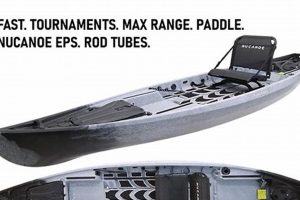
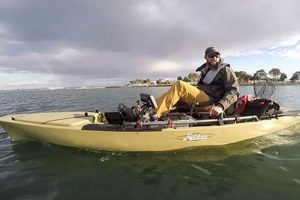
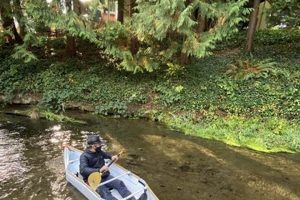
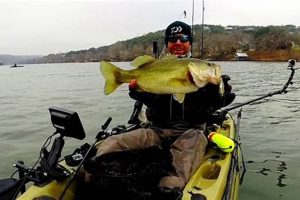
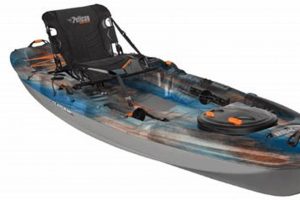
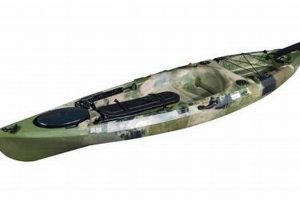
A compact, specialized vessel designed for angling in various water bodies represents a popular choice for both novice and seasoned anglers. These watercraft are typically designed for stability and maneuverability, often featuring specialized storage for fishing gear and accessories. An example would be a small, sit-on-top vessel equipped with rod holders, a paddle, and a small anchor.
The advantages of this type of small fishing craft include portability, affordability compared to larger boats, and accessibility to shallow waters and secluded fishing spots. Historically, small human-powered watercraft have been used for fishing for millennia, evolving from simple dugout canoes to the modern, purpose-built designs available today. This evolution reflects the enduring importance of fishing as both a source of sustenance and a recreational activity.
This discussion will further explore various aspects of these specialized vessels, including their design features, materials, maintenance requirements, and popular brands. Additional topics will cover essential safety considerations, fishing techniques optimized for these craft, and recommendations for choosing the right vessel based on individual needs and preferences.
Tips for Small Fishing Vessel Use
Proper preparation and technique enhance safety and enjoyment while fishing from compact watercraft.
Tip 1: Check Stability Before Departure: Assess vessel stability on calm water prior to embarking. Ensure weight is evenly distributed and understand how movement affects balance.
Tip 2: Prioritize Safety Gear: Always wear a personal flotation device and carry essential safety equipment, including a whistle, signaling device, and first-aid kit.
Tip 3: Plan the Trip: Research fishing locations, weather conditions, and water currents. Share trip plans with someone on shore and establish communication protocols.
Tip 4: Practice Paddle Strokes: Mastering efficient paddle strokes improves maneuverability and conserves energy. Consider learning basic self-rescue techniques.
Tip 5: Secure Equipment: Properly stow fishing gear and other essentials to prevent loss or interference with paddling. Utilize available storage compartments and secure loose items.
Tip 6: Respect Wildlife and the Environment: Observe local fishing regulations and practice catch-and-release principles when appropriate. Minimize environmental impact by properly disposing of waste.
Tip 7: Adapt to Conditions: Be prepared to adjust fishing techniques based on weather, water conditions, and fish behavior. Flexibility enhances success and enjoyment.
Tip 8: Regular Maintenance: Regularly inspect and maintain the vessel, including cleaning, checking for damage, and addressing any necessary repairs promptly.
Adhering to these guidelines promotes safe and successful fishing excursions, contributing to a positive and rewarding on-the-water experience.
These tips provide a foundation for successful outings; the following section concludes with additional resources and recommendations for further exploration.
1. Stability

Stability represents a critical performance attribute in a fishing kayak, directly influencing angler safety and fishing effectiveness. A stable platform allows for comfortable casting, reeling, and landing fish, while reducing the risk of capsizing, especially in challenging conditions. This section explores key facets contributing to stability in these specialized vessels.
- Hull Design
Hull design significantly impacts stability. Wider hulls generally offer greater initial stability, resisting tipping from side to side. A flatter hull provides enhanced primary stability, beneficial for calm water fishing. A more rounded or V-shaped hull, while potentially less stable initially, often offers greater secondary stability the ability to resist capsizing when leaned which is advantageous in rougher conditions. The specific hull design of a fishing kayak should align with the intended fishing environment.
- Center of Gravity
A lower center of gravity contributes to increased stability. The distribution of weight within the kayak influences the center of gravity. Properly positioning gear and maintaining a balanced posture lowers the center of gravity, enhancing stability. Standing in a kayak raises the center of gravity, decreasing stability and requiring specialized hull designs for safe operation.
- Kayak Width and Length
Wider kayaks generally exhibit greater stability than narrower models, offering a larger base of support. Longer kayaks often track better in a straight line, while shorter kayaks offer enhanced maneuverability. The optimal width and length depend on the angler’s size, fishing style, and the intended water conditions.
- Water Conditions
Calm water generally presents fewer stability challenges compared to rough water or strong currents. Wind, waves, and currents can significantly impact stability, requiring increased vigilance and potentially specialized kayak designs. Understanding the anticipated water conditions is crucial for selecting a kayak with appropriate stability characteristics.
The interplay of these factors determines the overall stability of a fishing kayak. Careful consideration of hull design, weight distribution, kayak dimensions, and anticipated water conditions ensures a safe and effective fishing platform. Selecting a kayak with appropriate stability characteristics enhances angler confidence and enjoyment on the water.
2. Maneuverability

Maneuverability in a fishing kayak directly impacts an angler’s ability to navigate diverse water environments and effectively target fish. A highly maneuverable kayak allows for precise positioning in tight spots, such as along weed lines, near fallen trees, or in narrow creeks. This agility proves crucial for accessing prime fishing locations often inaccessible to larger vessels. Furthermore, responsive handling enables quick adjustments to changing currents, wind conditions, and fish behavior. For instance, a kayak capable of swift turns and rapid acceleration provides a significant advantage when pursuing fast-moving species or reacting to sudden shifts in fish activity. The relationship between maneuverability and fishing success is undeniable, particularly in dynamic environments.
Several factors contribute to a fishing kayak’s maneuverability. Shorter kayaks generally turn more quickly than longer ones, offering enhanced agility in confined spaces. Hull design also plays a significant role. A kayak with a more pronounced rocker the curvature of the hull from bow to stern tends to turn more easily. Conversely, a flatter hull offers greater tracking ability, maintaining a straighter course but sacrificing some turning responsiveness. The type of rudder or skeg system employed further influences maneuverability. A rudder provides directional control, while a skeg enhances tracking and stability. The choice between these systems depends on the angler’s preferences and the specific fishing environment. Lightweight kayaks respond more quickly to paddle strokes, contributing to enhanced maneuverability.
Understanding the factors influencing maneuverability allows anglers to select a kayak best suited to their needs and fishing style. Evaluating hull design, length, rudder/skeg systems, and weight considerations provides a framework for informed decision-making. Ultimately, a highly maneuverable fishing kayak empowers anglers to explore a wider range of fishing opportunities, adapt to changing conditions, and maximize their chances of success on the water.
3. Storage Capacity

Storage capacity in a fishing kayak directly impacts the angler’s ability to carry essential gear, influencing both comfort and fishing success. Sufficient storage allows for organized transport of tackle boxes, rods, reels, safety equipment, and personal items. A well-designed storage system minimizes clutter, maximizes deck space, and ensures easy access to frequently used items. Inadequate storage can lead to a cramped and inefficient fishing experience, potentially compromising safety and reducing overall enjoyment. For instance, an angler venturing offshore requires ample storage for larger tackle, safety gear, and potentially fish storage, while a freshwater angler targeting smaller species may require less capacity. Understanding individual storage needs based on fishing style and target species is paramount for informed kayak selection.
Several storage solutions are commonly found in fishing kayaks. Dedicated compartments, such as hatches and tank wells, provide secure storage for larger items. Smaller storage pockets and bungee cord systems accommodate readily accessible gear. Rod holders, both flush-mounted and adjustable, secure rods while paddling and fishing. The number, size, and placement of these storage features vary across kayak models. Some kayaks offer specialized storage for specific gear, such as live bait wells or dedicated cooler compartments. Evaluating these features in relation to individual fishing needs is critical for optimizing on-the-water efficiency and enjoyment. For example, a kayak with a large rear tank well can accommodate a crate or cooler, while smaller compartments near the seat are ideal for quick access to lures and tools. The strategic use of dry bags and waterproof containers further enhances storage organization and protects sensitive equipment.
Effective storage solutions in a fishing kayak contribute significantly to a positive and productive fishing experience. Adequate and well-organized storage enhances safety by reducing clutter and ensuring easy access to essential gear. It maximizes fishing efficiency by allowing anglers to carry a wider range of tackle and adapt to changing conditions. The careful consideration of storage capacity and features during kayak selection empowers anglers to optimize their time on the water and focus on the pursuit of their target species. Balancing capacity with maneuverability and overall kayak design ensures a well-rounded and effective fishing platform.
4. Material Durability
Material durability significantly influences the lifespan and performance of a fishing kayak, especially in demanding environments. The chosen materials directly affect resistance to impacts, abrasion, UV degradation, and general wear and tear. A durable kayak withstands the rigors of regular use, including transportation, launching, and navigating various water conditions, including rocky shorelines, submerged obstacles, and occasional impacts. For a fishing kayak bearing the “Kobe” name, material durability becomes a crucial aspect of upholding brand reputation and ensuring customer satisfaction. For instance, a kayak constructed from high-density polyethylene (HDPE) offers excellent impact resistance and durability, making it suitable for navigating rocky rivers or shallow coastal areas. Conversely, a kayak made from a less durable material might crack or puncture under similar conditions, compromising its structural integrity and potentially leading to safety concerns. The choice of materials directly correlates with the kayak’s overall resilience and longevity.
Selecting appropriate materials extends beyond the hull itself. Hardware, such as handles, latches, and seating components, must also exhibit corrosion resistance and durability to withstand prolonged exposure to saltwater and freshwater environments. UV resistance is crucial for maintaining the kayak’s color and preventing material degradation from prolonged sun exposure. In the context of a “Kobe fishing kayak,” the selection of high-quality, durable materials signifies a commitment to product longevity and performance. This commitment translates to a more reliable and enjoyable experience for the angler, reducing the need for frequent repairs or replacements. For example, stainless steel hardware and UV-resistant coatings contribute to the long-term durability and aesthetic appeal of the kayak. These material choices reflect the manufacturer’s investment in producing a product capable of withstanding the demands of regular fishing activity.
Material durability represents a critical factor in the overall value and performance of a “Kobe fishing kayak.” The judicious selection of materials influences the kayak’s resistance to damage, its longevity, and ultimately, the angler’s long-term satisfaction. Prioritizing durability ensures the kayak remains a reliable and enjoyable fishing platform for years to come, justifying the investment and reinforcing the “Kobe” brand’s commitment to quality. Failing to address material durability can lead to premature wear and tear, costly repairs, and diminished performance, ultimately detracting from the overall fishing experience. Understanding the importance of material durability empowers consumers to make informed purchasing decisions and select a kayak built to withstand the challenges of their chosen fishing environment.
5. Comfort Features
Comfort features in a fishing kayak significantly influence angler endurance, focus, and overall enjoyment, particularly during extended trips. A comfortable kayak allows anglers to maintain optimal posture, reducing fatigue and maximizing time on the water. This translates to enhanced fishing effectiveness, as a comfortable angler can remain alert and responsive to fish activity. In the context of a “Kobe fishing kayak,” comfort features become a key differentiator, contributing to the brand’s reputation for quality and angler satisfaction. Prioritizing comfort features demonstrates an understanding of the demanding physical requirements of fishing and a commitment to enhancing the overall angling experience.
- Seat Design
Seat design plays a pivotal role in angler comfort. A well-designed seat provides adequate support for the back, legs, and buttocks, minimizing pressure points and promoting proper posture. Adjustable seating systems allow for customization based on individual preferences and body types. High-quality padding and breathable materials enhance comfort, especially in hot or humid conditions. A comfortable seat enables anglers to maintain focus and stamina throughout the fishing trip, reducing fatigue and maximizing enjoyment. For a “Kobe fishing kayak,” a superior seat design differentiates the brand and reinforces its commitment to angler comfort.
- Footrests and Leg Support
Adjustable footrests or foot braces provide essential leg support, promoting stability and balance while paddling and fishing. Proper leg support reduces fatigue and strain on the lower back, enhancing comfort during long hours on the water. Adjustable systems accommodate varying leg lengths and paddling styles. Secure and comfortable footrests contribute to efficient power transfer during paddling and provide a stable platform for casting and reeling. In a “Kobe fishing kayak,” well-designed footrests contribute to overall ergonomics and enhance the angler’s physical control of the vessel.
- Deck Padding and Layout
Deck padding provides a non-slip surface for standing or sitting, enhancing stability and comfort. Adequate padding minimizes fatigue and discomfort during extended periods of standing or sitting, particularly on hard plastic surfaces. The layout of the deck and cockpit area influences ease of movement and access to essential gear. A well-designed deck layout maximizes fishing efficiency and minimizes clutter, promoting a comfortable and organized fishing experience. For a “Kobe fishing kayak,” thoughtful deck design contributes to both functionality and angler comfort.
- Backrests and Lumbar Support
Backrests with adjustable lumbar support provide crucial support for the lower back, reducing strain and fatigue during long fishing trips. A supportive backrest promotes proper posture and reduces pressure points, enhancing overall comfort. Adjustable lumbar support systems accommodate individual preferences and body types. A comfortable and supportive backrest allows anglers to maintain focus and endurance, maximizing fishing time and enjoyment. In a “Kobe fishing kayak,” a high-quality backrest system demonstrates a focus on angler well-being and contributes to the brand’s reputation for comfort and performance.
The integration of these comfort features in a “Kobe fishing kayak” signifies a dedication to enhancing the angler’s overall experience. A comfortable kayak allows anglers to focus on fishing, maximizing their time on the water and increasing their chances of success. Prioritizing comfort features differentiates “Kobe fishing kayaks” from competitors and reinforces the brand’s commitment to angler satisfaction. By addressing these comfort considerations, “Kobe” cultivates a loyal customer base and solidifies its position as a provider of high-quality, performance-driven fishing kayaks.
6. Target Fish Species
The target fish species significantly influences the selection and outfitting of a Kobe fishing kayak. Different species present unique challenges and require specific gear and kayak characteristics. Understanding the relationship between target species and kayak choice is crucial for maximizing angling success and overall enjoyment. This section explores how specific fish species inform appropriate kayak selection and customization within the Kobe range.
- Species Size and Fighting Strength
Larger, more powerful fish, such as tuna or marlin, necessitate a kayak with exceptional stability and a robust build. These kayaks are typically longer and wider, offering a stable platform for battling strong fish. Smaller species, such as bass or trout, can be targeted from smaller, more agile kayaks that prioritize maneuverability in tighter waters. Matching kayak size and stability to the target species ensures angler safety and increases the likelihood of a successful landing. Kobe kayaks offer a range of sizes and hull designs to accommodate various species.
- Fishing Environment
The target species’ habitat dictates the necessary kayak features. Offshore fishing for pelagic species demands a kayak capable of handling rougher conditions, with features like higher weight capacity, self-bailing scupper holes, and ample storage for safety gear and specialized tackle. Inshore or freshwater fishing may require a kayak optimized for maneuverability in shallow water, with features like a shallow draft and rudder or skeg systems for navigating currents and tight spaces. Kobe kayaks cater to diverse fishing environments, offering models designed for offshore, inshore, and freshwater applications.
- Fishing Techniques
Different fishing techniques require specific kayak configurations. Trolling requires a stable kayak with tracking capabilities and rod holders positioned for optimal line spread. Casting and retrieving lures necessitates a kayak with ample deck space for maneuverability and storage for tackle boxes. Fly fishing demands a stable platform with easy access to fly boxes and specialized rod holders. Kobe kayaks often incorporate features designed for specific fishing techniques, including adjustable rod holders, integrated tackle storage, and standing platforms for sight fishing.
- Storage and Gear Requirements
Targeting different species often necessitates specific gear, influencing storage requirements. Larger species require heavier tackle, necessitating kayaks with increased weight capacity and ample storage compartments. Specialized gear like downriggers or outriggers may require specific mounting points or adaptations to the kayak. Fly fishing gear requires dedicated storage solutions for fly boxes, lines, and other accessories. Kobe kayaks offer various storage configurations to accommodate the gear requirements of different target species.
The choice of a Kobe fishing kayak should align with the angler’s target species and intended fishing environment. Considering factors such as species size, fishing location, and preferred techniques allows anglers to select a kayak optimized for their specific needs. The Kobe range offers diverse models catering to a wide array of fishing styles and target species, ensuring anglers can find a kayak that enhances their fishing experience and maximizes their chances of success on the water.
Frequently Asked Questions
This section addresses common inquiries regarding specialized fishing watercraft, providing concise and informative responses.
Question 1: What differentiates a specialized fishing kayak from a recreational kayak?
Specialized fishing kayaks typically incorporate features like rod holders, tackle storage, anchor trolleys, and sometimes even fish finders or livewells. These features enhance angling functionality compared to standard recreational kayaks.
Question 2: How is stability determined in these vessels?
Stability depends on hull design, width, and length. Wider, flatter hulls generally offer greater initial stability, while longer, V-shaped hulls provide better secondary stability (resistance to capsizing). Weight distribution also plays a crucial role.
Question 3: What materials are commonly used in their construction?
High-density polyethylene (HDPE) is a common material due to its durability and affordability. Other materials include fiberglass and composite materials, which offer performance advantages but often come at a higher cost.
Question 4: What safety precautions should one take when using these watercraft?
Always wear a personal flotation device (PFD). Check weather conditions before embarking. Inform someone of your fishing plans and estimated return time. Carry essential safety gear, including a whistle, signaling device, and first-aid kit.
Question 5: How does one choose the right paddle length?
Paddle length depends on factors such as torso height, kayak width, and paddling style. Consult retailer recommendations or utilize online paddle sizing charts for guidance.
Question 6: What maintenance is required for these vessels?
Regular cleaning with mild soap and water prevents the buildup of dirt and grime. Inspect the hull for damage and address any necessary repairs promptly. Store the kayak properly to prevent UV degradation and warping.
Addressing these common inquiries provides foundational knowledge for informed decision-making regarding specialized fishing kayak selection and usage. Thorough research and preparation contribute significantly to safe and successful fishing excursions.
The subsequent section provides additional resources and contact information for further exploration.
Conclusion
Exploration of specialized fishing kayaks reveals the critical interplay of design, material, and features tailored to specific angling pursuits. Stability, maneuverability, storage capacity, material durability, comfort features, and target species considerations collectively influence kayak selection. Careful evaluation of these elements ensures optimal performance and angler satisfaction. Understanding the nuances of specialized kayak design empowers informed purchasing decisions aligned with individual fishing styles and target species.
The pursuit of angling excellence necessitates continuous refinement of equipment and techniques. Advances in kayak design and technology promise further enhancements to on-the-water experiences. Diligent research and a commitment to safety principles remain paramount for maximizing enjoyment and success in the evolving landscape of kayak fishing. Consideration of these factors contributes significantly to responsible and rewarding angling pursuits.