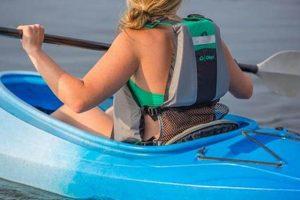
This activity involves angling from a small, human-powered watercraft in the waters surrounding Key West, Florida. It offers a unique blend of sport and connection with nature, allowing anglers to access shallow-water habitats often unreachable by larger vessels. Imagine silently gliding through crystal-clear waters, casting a line amidst vibrant coral reefs and mangrove forests teeming with marine life.
The shallow-water access provided by this approach unlocks opportunities to target diverse species, from tarpon and bonefish to snapper and permit, within a rich ecosystem. Its low environmental impact contributes to sustainable fishing practices, minimizing disturbance to the delicate marine environment. Historically, small boats have been used for fishing in the region, reflecting both a practical adaptation to the environment and a enduring connection to traditional fishing methods. This connection persists in the present day, offering a blend of historical significance and contemporary sporting pursuit.
Further exploration of this pursuit will encompass topics such as necessary equipment, suitable locations, optimal techniques, potential challenges, and relevant regulations to ensure both a successful and responsible experience.
Tips for Kayak Fishing in Key West
Successful kayak fishing in Key West requires preparation and adherence to best practices. The following tips offer guidance for a safe and productive experience.
Tip 1: Choose the Right Kayak: Selecting a kayak appropriate for fishing is crucial. Consider stability, storage capacity, and features like rod holders and anchor trolleys. Sit-on-top kayaks are generally preferred for their self-bailing design and ease of entry and exit.
Tip 2: Pack Essential Gear: Essential equipment includes a personal flotation device (PFD), appropriate fishing tackle, a first-aid kit, signaling devices, sunscreen, and ample water. A dry bag is recommended for protecting electronics and other valuables.
Tip 3: Plan Your Route: Research potential fishing spots and consider factors like tides, currents, and weather conditions. Navigation charts and GPS devices can assist with route planning and staying on course.
Tip 4: Practice Kayak Handling: Familiarize oneself with basic paddling techniques and maneuvering before venturing out. Practice in calm waters to gain confidence and improve stability.
Tip 5: Understand Local Regulations: Obtain necessary fishing licenses and familiarize oneself with local fishing regulations, including size and bag limits for different species. Respect protected areas and sensitive habitats.
Tip 6: Prioritize Safety: Check weather forecasts before departing and be prepared for changing conditions. Inform someone of your intended route and estimated return time. Carry a VHF radio for communication in emergencies.
Tip 7: Respect the Environment: Practice catch-and-release whenever possible. Properly dispose of all trash and avoid disturbing wildlife or sensitive habitats. Anchor responsibly to minimize damage to coral reefs and seagrass beds.
Adherence to these tips promotes both a rewarding and responsible fishing experience. Careful planning and respect for the environment contribute to the long-term sustainability of this unique pursuit.
By understanding and applying these recommendations, anglers can maximize their chances of success while minimizing potential risks and preserving the natural beauty of Key West’s waters.
1. Shallow Water Access

Shallow water access represents a defining characteristic of kayak fishing in Key West. The ability to navigate shallow flats, backcountry creeks, and mangrove-lined shorelines distinguishes this approach from other fishing methods, opening a unique window into the diverse marine ecosystem. This advantage allows anglers to pursue species that thrive in these environments, inaccessible to larger, deeper-draft vessels.
- Targeting Shallow-Water Species
Kayaks grant access to the shallow flats and seagrass beds where bonefish, permit, tarpon, and other prized game fish feed. These species are often found in water too shallow for traditional powerboats, offering kayak anglers an exclusive advantage. The quiet approach of a kayak also minimizes disturbance, increasing the likelihood of successful hookups.
- Navigating Complex Environments
The maneuverability of a kayak allows anglers to navigate intricate mangrove tunnels and shallow creeks, exploring areas teeming with snook, redfish, and snapper. These sheltered environments often hold higher concentrations of fish and provide protection from wind and waves. The shallow draft allows for exploration of areas unreachable by larger boats.
- Stealth and Approach
Kayaks offer a stealthy approach, allowing anglers to get close to fish without spooking them. This is particularly advantageous in clear, shallow water where fish are easily alerted by engine noise and boat wakes. The quiet movement provides a significant advantage in sight fishing scenarios.
- Expanding Fishing Opportunities
Shallow water access expands fishing opportunities beyond traditional offshore fishing grounds. It provides a unique perspective on the Key West ecosystem, allowing anglers to connect with nature and experience the thrill of fishing in pristine, untouched environments. This unique perspective provides a greater appreciation for the diverse habitats supporting the local fishery.
The shallow water access provided by kayaks significantly enhances the Key West fishing experience. It opens doors to a world of angling opportunities unavailable to other boat types, connecting anglers with the rich biodiversity of the shallow-water ecosystem. This distinct advantage solidifies kayak fishing as a premier method for experiencing the unique fishing opportunities surrounding Key West.
2. Diverse Target Species
The waters surrounding Key West boast a rich biodiversity, offering kayak anglers a remarkable array of target species. This diversity contributes significantly to the appeal of kayak fishing in the region, providing opportunities for anglers of all skill levels to pursue a variety of game fish. From the elusive bonefish to the powerful tarpon, the diverse range of species ensures a dynamic and engaging fishing experience.
- Inshore Game Fish
Inshore species such as snook, redfish, and speckled trout thrive in the shallow flats and mangrove-lined creeks accessible by kayak. These fish offer exciting challenges for light-tackle enthusiasts, demanding skillful presentations and precise angling techniques. Their abundance and willingness to strike make them ideal targets for kayak anglers.
- Reef Dwellers
Kayak anglers can also venture to nearby reefs and patch reefs to target snapper, grouper, and a variety of other reef-dwelling species. These areas offer opportunities for both light-tackle and bottom fishing, adding another dimension to the kayak fishing experience. The proximity of these reefs to shore makes them easily accessible by kayak.
- Pelagic Predators
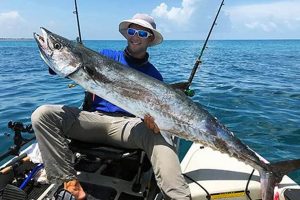
Offshore excursions in appropriately equipped kayaks allow anglers to pursue pelagic species like mahi-mahi, wahoo, and tuna. While requiring more advanced kayaking skills and specialized gear, the rewards of battling these powerful fish in open water are substantial. These opportunities further expand the range of species accessible to experienced kayak anglers.
- The “Grand Slam” Species
Key West is renowned for its “grand slam” species: tarpon, permit, and bonefish. These highly sought-after game fish represent the pinnacle of saltwater fly fishing and present significant challenges even for seasoned anglers. Kayak fishing provides a unique and effective way to target these elusive species in their shallow-water habitats.
The diversity of target species available in Key West contributes significantly to the region’s reputation as a world-class fishing destination. Kayak fishing provides an ideal platform to explore this diverse ecosystem and connect with the rich array of fish species that call these waters home. The variety of angling opportunities, from shallow-water sight fishing to offshore trolling, ensures a memorable and rewarding experience for every angler.
3. Specialized Equipment

Specialized equipment plays a crucial role in successful and enjoyable kayak fishing excursions in Key West. The unique demands of this activity necessitate gear tailored to both the environment and the target species. From the kayak itself to rods, reels, and other accessories, appropriate equipment enhances performance, safety, and overall fishing success.
- Kayak Selection
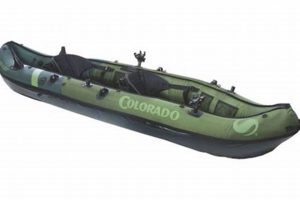
Kayak selection forms the foundation of specialized equipment for this activity. Sit-on-top kayaks are generally preferred for their stability, self-bailing design, and ease of re-entry after a water landing. Features such as rod holders, anchor trolleys, and ample storage compartments are essential for a comfortable and productive fishing experience. Kayaks designed specifically for fishing often incorporate these features, optimizing functionality for anglers.
- Fishing Tackle
Fishing tackle must be tailored to the target species and the fishing environment. Lightweight rods and reels spooled with appropriate line are essential for casting lures and battling fish in shallow water. Tackle choices vary depending on whether anglers pursue bonefish on the flats, tarpon in the channels, or snapper around reefs. A selection of lures, flies, and terminal tackle appropriate for the target species maximizes angling versatility.
- Safety and Navigation Gear
Safety and navigation equipment are paramount in the open-water environment. A personal flotation device (PFD) is mandatory and essential for personal safety. A VHF radio allows for communication in emergencies, while a GPS unit and charts aid navigation. Other essential safety gear includes a first-aid kit, signaling devices, and a waterproof container for electronics and valuables. These items contribute to a safe and prepared fishing experience.
- Accessories and Apparel
Specialized accessories further enhance the kayak fishing experience. Anchor systems, including drift chutes and stake-out poles, allow anglers to position themselves effectively in shallow water. A fish finder provides valuable information about water depth, bottom structure, and fish location. Appropriate apparel, including polarized sunglasses, sun-protective clothing, and a wide-brimmed hat, enhances comfort and protection from the elements. These additions contribute to a more comfortable and productive outing.
The careful selection and utilization of specialized equipment contribute significantly to a successful and rewarding kayak fishing experience in Key West. Matching gear to the specific demands of the environment and the target species enhances efficiency, safety, and enjoyment on the water. Appropriate equipment empowers anglers to fully embrace the challenges and rewards of this unique fishing pursuit.
4. Environmental Awareness

Environmental awareness is paramount for the sustainable practice of kayak fishing in Key West. The delicate ecosystem, including sensitive habitats like coral reefs and seagrass beds, requires mindful interaction from anglers. Understanding and mitigating potential environmental impacts ensures the preservation of this valuable resource for future generations. Responsible angling practices contribute directly to the long-term health and viability of the Key West marine environment.
- Minimizing Disturbance to Habitats
Kayak anglers must navigate shallow-water environments with minimal disturbance to seagrass beds and coral reefs. Avoiding contact with these sensitive habitats, using appropriate anchoring techniques, and refraining from disturbing wildlife are crucial for preserving their integrity. Prop scars and anchor damage can have lasting negative consequences on these ecosystems. Careful navigation and anchoring practices minimize physical impacts and support healthy habitat function.
- Responsible Catch-and-Release Practices
Practicing catch-and-release whenever possible helps maintain healthy fish populations. Proper handling techniques, including minimizing air exposure and using appropriate hooks and dehooking tools, increase the survival rate of released fish. Avoiding excessive fight times and handling stress contributes to the well-being of the fish population. These practices ensure the continued viability of the fishery for future generations.
- Waste Management and Pollution Prevention
Proper waste disposal is essential for preventing pollution and protecting water quality. Anglers should pack out all trash, including fishing line and discarded tackle. Avoiding the use of single-use plastics and opting for reusable containers minimizes plastic waste in the marine environment. Responsible waste management practices contribute to the overall health and cleanliness of the Key West waters.
- Respecting Wildlife and Biodiversity
Respecting wildlife encompasses avoiding disturbance of nesting birds, marine mammals, and other wildlife encountered during fishing trips. Maintaining a safe distance and observing natural behaviors without interference are crucial for minimizing stress on these animals. Appreciating the interconnectedness of the ecosystem and the role of each species fosters a deeper understanding of the importance of conservation. Respectful interaction with wildlife contributes to the overall health and balance of the ecosystem.
Integrating environmental awareness into all aspects of kayak fishing in Key West ensures the long-term health and sustainability of this valuable resource. Responsible angling practices, coupled with a deep respect for the natural environment, contribute to the preservation of this unique ecosystem for the benefit of both present and future generations. The continued enjoyment of kayak fishing in Key West relies on the active participation of anglers in environmental stewardship.
5. Safety Considerations

Safety considerations are paramount for a successful and enjoyable kayak fishing experience in Key West. The open-water environment presents inherent risks, and mitigating these risks through careful planning and preparation is crucial. Prioritizing safety ensures angler well-being and contributes to a positive overall experience.
- Weather Monitoring and Awareness
Weather conditions in Key West can change rapidly, impacting sea state and navigation. Monitoring marine weather forecasts before and during excursions is essential. Being prepared for sudden changes in wind, rain, and visibility is crucial for angler safety. Understanding weather patterns and their potential impact on fishing conditions contributes to informed decision-making and risk mitigation. Postponing trips due to adverse weather demonstrates prudent judgment and prioritizes safety.
- Navigation and Communication
Navigating the Key West waters requires familiarity with local channels, shallow areas, and potential hazards. Carrying a chart, compass, or GPS device aids in maintaining course and avoiding grounding or collisions. A VHF radio enables communication with the Coast Guard and other boaters in case of emergencies. Establishing clear communication protocols and informing someone onshore of trip plans further enhances safety.
- Personal Flotation Devices (PFDs)
Wearing a properly fitted PFD is a fundamental safety practice. PFDs provide buoyancy and increase the chances of survival in the event of capsizing or accidental immersion. Ensuring the PFD is in good condition and readily accessible is crucial. Understanding the different types of PFDs and selecting one appropriate for the activity enhances safety and comfort.
- Sun and Heat Protection
The intense sun and heat in Key West necessitate appropriate protection. Applying sunscreen, wearing protective clothing, and staying hydrated are essential for preventing sunburn, heatstroke, and other heat-related illnesses. Taking breaks in shaded areas and consuming ample water throughout the day helps maintain body temperature and prevent dehydration. These precautions contribute to overall well-being and allow for a more enjoyable fishing experience.
Integrating these safety considerations into every kayak fishing trip in Key West significantly reduces risks and promotes a positive experience. Careful planning, appropriate equipment, and a proactive approach to safety contribute to angler well-being and allow for a more enjoyable and fulfilling pursuit of this unique fishing experience. Prioritizing safety ensures that anglers can focus on the rewarding aspects of kayak fishing while minimizing potential hazards.
Frequently Asked Questions
This section addresses common inquiries regarding kayak fishing in Key West, providing concise and informative responses to facilitate informed decision-making and enhance the overall experience.
Question 1: What are the typical costs associated with kayak fishing in Key West?
Costs vary depending on whether one chooses to rent a kayak and fishing gear or bring personal equipment. Rental costs typically range from $50 to $150 per day. Guided tours can range from $150 to $300 per person. Owning equipment involves upfront investment but eliminates rental fees over time.
Question 2: Are fishing licenses required?
A fishing license is required for anglers over 16 years of age, unless fishing from a licensed charter vessel. Licenses can be obtained online or from local bait and tackle shops.
Question 3: What are the best times of year for kayak fishing in Key West?
Fishing is excellent year-round, though certain species are more prevalent during specific seasons. Tarpon season typically peaks in spring and summer, while bonefish and permit are targeted year-round. Weather conditions also influence fishing opportunities.
Question 4: What safety precautions should one take when kayak fishing in Key West?
Essential safety precautions include wearing a personal flotation device, checking weather forecasts, informing someone of fishing plans, carrying a VHF radio, and being aware of tides and currents.
Question 5: What are the recommended fishing techniques for kayak anglers in Key West?
Effective techniques include sight fishing in shallow flats, drifting bait in channels, and trolling along reef edges. Techniques vary depending on the target species and prevailing conditions.
Question 6: Are guided kayak fishing tours available in Key West?
Numerous guided tours cater to various skill levels, from beginners to experienced anglers. Guided tours offer local expertise, equipment, and access to prime fishing locations.
Understanding these frequently asked questions enhances preparedness and contributes to a more informed and rewarding experience. Careful planning, combined with adherence to safety guidelines and respect for the environment, ensures a positive and sustainable engagement with the unique fishing opportunities available in Key West.
For further information and resources, consult local fishing regulations and guidelines provided by relevant authorities.
Key West Kayak Fishing
Exploration of this pursuit reveals a unique blend of angling skill, environmental awareness, and appreciation for the natural world. Access to shallow-water ecosystems, combined with the diverse range of target species, presents a compelling opportunity for anglers seeking an intimate connection with the marine environment. Careful consideration of specialized equipment, adherence to safety protocols, and a commitment to sustainable practices are essential components of a responsible and rewarding experience. This approach emphasizes the importance of balancing sporting pursuits with environmental stewardship.
The future of this activity rests on the continued commitment of anglers to responsible practices. Preservation of the delicate ecosystem through mindful interaction and adherence to sustainable fishing guidelines ensures the longevity of this unique pursuit for generations to come. The opportunity to experience the pristine waters and diverse fish populations of Key West carries a corresponding responsibility to protect and preserve this valuable resource.