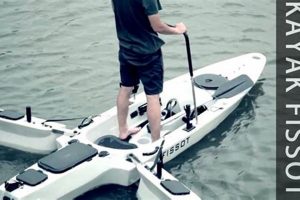
This pursuit involves angling for halibut from a kayak. It combines the challenge and reward of targeting a large, powerful fish with the unique access and maneuverability afforded by a small, self-propelled vessel. This method allows anglers to explore diverse nearshore environments, including rocky reefs, kelp forests, and shallow bays, often unreachable by larger boats.
The advantages of this approach are numerous. It offers a close-to-nature experience, fostering a deeper connection with the marine environment. The quiet approach minimizes disturbance to fish, potentially increasing catch rates. Additionally, the lower cost of entry compared to motorized boat fishing makes it accessible to a wider range of anglers. While historically halibut fishing has been dominated by larger vessels, the growing popularity and advancements in kayak design and fishing gear have made this specific style a viable and increasingly popular option.
The following sections will explore essential aspects of this angling method, including recommended equipment, effective techniques, safety considerations, and responsible fishing practices.
Tips for Successful Halibut Angling from a Kayak
Preparation and knowledge are crucial for a successful and safe halibut fishing experience from a kayak. The following tips offer valuable insights for anglers of all skill levels.
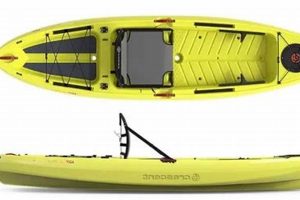
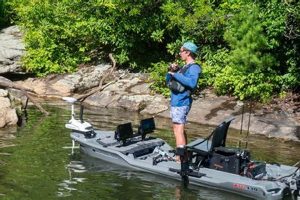
Tip 1: Choose the Right Kayak: A stable and seaworthy kayak designed for offshore fishing is essential. Look for features like ample storage space, rod holders, and a comfortable seat for long hours on the water.
Tip 2: Utilize Appropriate Gear: Heavy-duty rods, reels, and lines are necessary to handle powerful halibut. Consider using braided line for its sensitivity and strength. Circle hooks are recommended for effective hooksets and reducing fish mortality.
Tip 3: Research and Select Productive Locations: Consult local charts, tide tables, and fishing reports to identify areas known for halibut activity. Focus on rocky reefs, drop-offs, and kelp beds.
Tip 4: Employ Effective Bait and Techniques: Live bait such as herring or octopus are highly effective. Dead bait rigged on a spreader bar can also produce good results. Drift fishing and slow trolling are common techniques.
Tip 5: Prioritize Safety: Always wear a personal flotation device (PFD) and carry essential safety equipment, including a VHF radio, signaling devices, and a first-aid kit. Check weather conditions before heading out and be aware of changing tides and currents.
Tip 6: Practice Proper Fish Handling: Use a landing net and appropriate handling techniques to minimize stress on the fish. If practicing catch and release, revive the halibut before releasing it back into the water.
Tip 7: Respect Local Regulations: Familiarize oneself with local fishing regulations, including size limits, bag limits, and licensing requirements.
By adhering to these guidelines, anglers can increase their chances of a successful and enjoyable halibut fishing experience while prioritizing safety and responsible fishing practices.
These tips offer a starting point for anglers looking to target halibut from a kayak. Further research and on-the-water experience will enhance skills and knowledge, leading to greater success and enjoyment of this exciting fishing method.
1. Stable Kayak Selection

Stable kayak selection is paramount for successful and safe halibut fishing. Halibut are powerful fish, capable of significant resistance during the fight. An unstable kayak platform compromises an angler’s ability to effectively manage the fish, increasing the risk of capsizing or losing the catch. A stable kayak allows for greater control during the hookset, playing the fish, and landing. Consider, for example, a scenario where a hooked halibut makes a sudden, powerful run. A stable kayak provides the angler with the necessary platform to absorb the shock and maintain balance, while an unstable kayak might easily tip, resulting in a lost fish and a potentially dangerous situation. Furthermore, a stable platform is essential for comfortable and efficient maneuvering in varied sea conditions, particularly in the nearshore environments often frequented when targeting halibut.
Kayak stability is influenced by several factors, including hull design, width, and length. Wider kayaks generally offer greater initial stability, beneficial for less experienced anglers. Longer kayaks tend to track better in rougher water, offering improved stability in challenging conditions. Hull design also plays a crucial role; specific designs, such as those featuring a flatter bottom, provide enhanced stability while compromising maneuverability. Choosing the right kayak involves balancing stability with other factors such as maneuverability and storage capacity, depending on the specific fishing environment and personal preferences. For instance, a wider, more stable kayak might be preferred in open water with choppy conditions, while a narrower, more maneuverable kayak might be suitable for navigating kelp forests or shallow bays.
Ultimately, selecting a stable kayak platform is crucial for optimizing both safety and fishing success when targeting halibut. A stable kayak enhances an angler’s control during the fight, minimizes the risk of capsizing, and provides a comfortable and efficient platform for navigating the nearshore marine environment. Understanding the factors contributing to kayak stability, considering the specific fishing environment, and choosing a kayak that aligns with individual needs and skill levels will significantly contribute to a successful and safe halibut fishing experience.
2. Robust Tackle and Gear

Robust tackle and gear are essential components of successful kayak fishing for halibut. These fish are known for their size and strength, requiring specialized equipment capable of withstanding considerable strain. The connection between robust tackle and a positive fishing outcome is direct; inadequate gear can lead to line breakage, hook straightening, or rod failure, particularly during the critical stages of hooking and fighting a large halibut. Consider a scenario where an angler hooks a large halibut with a light-duty rod and reel. The fish’s powerful runs and dives can easily overwhelm the equipment, resulting in a lost fish and potentially damaged gear. Conversely, robust tackle provides the necessary strength and durability to manage these powerful fish, increasing the likelihood of a successful landing.
Specific examples of robust tackle suitable for halibut include heavy-duty rods designed for saltwater fishing, high-capacity reels with smooth drag systems, and braided fishing line known for its high tensile strength and low stretch. Heavy-duty rods offer the backbone necessary to absorb the shock of a halibut’s initial run and provide leverage during the fight. High-capacity reels accommodate the long lengths of heavy line often required for deep-water fishing. Braided line allows for greater sensitivity, transmitting even subtle bites to the angler, and its minimal stretch facilitates strong hooksets and direct control over the fish. Furthermore, using appropriately sized and strong hooks, swivels, and leaders is crucial. These components ensure the entire system remains robust under pressure. For instance, using a weak swivel can compromise the entire setup, leading to a potential failure at a critical moment.
The importance of robust tackle and gear extends beyond simply landing a fish. It also contributes to angler safety. A strong, reliable setup provides greater control over the fish, minimizing the risk of capsizing or injury during the fight. Furthermore, durable equipment withstands the harsh saltwater environment, reducing the likelihood of failure at a critical moment. Choosing appropriate tackle and gear requires careful consideration of the target species, fishing environment, and angler experience. While robust equipment is essential for halibut, it must also be balanced with the practical limitations of kayak fishing, such as storage space and weight capacity. Understanding these factors and selecting appropriate, high-quality gear directly contributes to a safe, successful, and enjoyable halibut fishing experience from a kayak.
3. Strategic Location Scouting
Strategic location scouting is a critical element of successful kayak fishing for halibut. Effective scouting maximizes fishing time by identifying promising areas likely to hold halibut, minimizing unproductive searching. Understanding halibut behavior and preferred habitats informs the scouting process, enabling anglers to focus efforts on the most productive locations. This targeted approach increases the likelihood of encounters, contributing directly to a successful and rewarding fishing experience.
- Bathymetric Charts and Depth Contours
Bathymetric charts provide detailed information about underwater terrain, revealing depth contours, drop-offs, and underwater structures that often attract halibut. These charts, available in both physical and digital formats, allow anglers to identify potential halibut holding areas prior to launching the kayak. For example, a sharp drop-off adjacent to a shallow flat can be an ideal location, as halibut often ambush prey along these transitions. Utilizing bathymetric charts helps anglers focus their efforts on promising areas, increasing the efficiency of the fishing trip.
- Local Knowledge and Fishing Reports
Local knowledge from experienced anglers, bait shops, and online fishing forums provides valuable insights into current halibut activity. These resources often reveal recently productive areas, prevailing bait preferences, and effective fishing techniques. For instance, information about a recent halibut catch near a specific reef can guide kayak anglers to that location. Integrating local knowledge supplements information gathered from charts and maps, enhancing the scouting process.
- Tidal Currents and Water Movement
Tidal currents and water movement significantly influence halibut feeding behavior. Understanding these patterns is crucial for effective location scouting. Halibut often position themselves facing into the current, waiting to ambush prey. Identifying areas with moderate current flow, particularly near structure or bait concentrations, can be highly productive. For example, fishing near a point or reef during an incoming tide can concentrate baitfish and attract halibut. Considering tidal influences during the scouting process increases the likelihood of finding actively feeding fish.
- Identifying Structure and Cover
Halibut often seek shelter near underwater structures such as reefs, wrecks, and kelp forests. These structures provide camouflage for ambushing prey and protection from predators. Identifying these areas during the scouting process helps anglers pinpoint potential halibut hiding spots. For instance, drifting along the edges of a kelp bed or anchoring near a submerged reef can be effective tactics. Understanding how halibut utilize structure enhances the precision of location selection.
By integrating these elements of strategic location scouting, kayak anglers significantly improve their chances of encountering halibut. The combination of bathymetric data, local knowledge, tidal awareness, and structure identification allows for targeted exploration of promising areas, maximizing fishing efficiency and increasing the likelihood of a successful catch. This targeted approach not only improves fishing outcomes but also contributes to a more informed and enjoyable experience on the water, fostering a deeper understanding of the relationship between habitat, fish behavior, and angling success.
4. Effective Bait and Techniques
Effective bait and techniques are integral to successful kayak fishing for halibut. Bait selection and presentation directly influence the likelihood of attracting and hooking these predatory fish. Understanding halibut feeding preferences and adapting techniques to suit specific conditions are crucial for maximizing catch rates. The relationship between effective bait and techniques and successful outcomes is a direct one; employing appropriate strategies significantly increases the chances of enticing a halibut strike.
Live bait, such as herring, sardines, or octopus, often proves highly effective due to its natural appeal and movement. These baits can be presented using various rigging methods, including drift fishing, slow trolling, or jigging near the bottom. Alternatively, dead bait, such as squid or salmon chunks, can also produce positive results, especially when rigged on a spreader bar or presented with scent attractants. The choice of bait should consider factors like water clarity, current, and local halibut preferences. For instance, in murky water, scent-rich baits like herring or octopus might be more effective than visually appealing baits like sardines. Likewise, in strong currents, a heavier bait rigged on a spreader bar may maintain its position near the bottom more effectively than a lighter, free-drifting bait. Matching bait and presentation to the specific conditions optimizes the chances of attracting halibut.
Technique selection plays a crucial role in enticing a strike. Slow trolling allows for covering a wider area, effectively searching for actively feeding halibut. Drift fishing presents bait naturally along the bottom, appealing to halibut’s ambush predatory instincts. Jigging near the bottom can entice strikes by mimicking the movement of injured prey. Furthermore, understanding tidal influences and current patterns helps determine optimal fishing locations and techniques. Fishing near structure during peak tidal flow often concentrates baitfish and attracts halibut, making it an ideal time to employ drift fishing or jigging techniques. Adapting techniques to these dynamic conditions is crucial for success. The combination of carefully selected bait and appropriate techniques, tailored to the specific environment and halibut behavior, significantly increases the likelihood of a successful kayak fishing experience.
5. Essential Safety Precautions

Safety is paramount in kayak fishing for halibut. The marine environment presents inherent risks, magnified by the challenges of targeting large, powerful fish from a small vessel. Minimizing these risks requires meticulous planning and adherence to essential safety precautions. Overlooking these precautions can lead to dangerous situations, jeopardizing angler well-being and potentially impacting the enjoyment of the activity.
- Personal Flotation Device (PFD)
A PFD is non-negotiable. Consistent PFD use, regardless of perceived swimming ability or sea conditions, is fundamental. A PFD provides essential buoyancy in the event of capsizing, particularly crucial during the fight with a large halibut, which can easily destabilize a kayak. Selecting a comfortable, well-fitting PFD designed for kayaking ensures unrestricted movement while paddling and fishing.
- Communication Equipment
Reliable communication is vital for summoning assistance in emergencies. A VHF radio, waterproofed and readily accessible, allows direct contact with the Coast Guard and other vessels. Mobile phones, while useful, can be unreliable in offshore environments. Carrying a whistle provides an additional signaling option. Regularly checking communication equipment functionality before embarking ensures reliability in critical situations.
- Weather Awareness and Monitoring
Checking weather forecasts before and during the fishing trip is critical. Sudden weather changes can create hazardous conditions for kayakers. Monitoring wind speed, wave height, and visibility informs decisions about launching, fishing location, and return to shore. Awareness of potential fog or changing tides further enhances safety. Postponing or curtailing trips due to adverse conditions prioritizes safety over fishing.
- Emergency Preparedness
Carrying essential safety gear enhances preparedness for unforeseen circumstances. A well-stocked first-aid kit addresses minor injuries. A signaling device, such as a flare or mirror, attracts attention in emergencies. A paddle leash prevents loss of the primary means of propulsion. A bilge pump or bailer removes water from the kayak in case of swamping. Regularly inspecting and replenishing these items ensures readiness for various scenarios.
These essential safety precautions are interconnected and contribute collectively to a secure kayak fishing experience. Prioritizing safety, through meticulous planning and diligent execution of these measures, allows anglers to focus on the enjoyment of targeting halibut while minimizing potential risks inherent in the marine environment. Combining comprehensive safety practices with responsible fishing habits ensures a sustainable and rewarding pursuit of this challenging and exciting sport.
Frequently Asked Questions
This section addresses common inquiries regarding kayak fishing for halibut, providing concise and informative responses to enhance understanding and promote safe and successful fishing practices.
Question 1: What type of kayak is best suited for halibut fishing?
Kayaks designed specifically for offshore fishing are recommended. These typically feature enhanced stability, ample storage, and specialized features such as rod holders and anchor trolleys. Longer kayaks generally offer better tracking in rougher water, while wider kayaks provide increased stability. Choosing the right kayak involves balancing these factors with individual needs and preferences.
Question 2: What essential gear is required beyond the kayak?
Essential gear includes a heavy-duty saltwater fishing rod and reel spooled with braided line, appropriate terminal tackle (hooks, swivels, leaders), a fish finder, a GPS or chart plotter, safety equipment (PFD, VHF radio, signaling devices, first-aid kit), and appropriate clothing for varying weather conditions.
Question 3: How are halibut typically located from a kayak?
Locating halibut involves a combination of strategies, including studying bathymetric charts to identify potential holding areas like drop-offs and reefs, utilizing a fish finder to pinpoint fish near the bottom, and observing bird activity or baitfish schools, which may indicate halibut presence.
Question 4: What bait and fishing techniques are most effective for halibut?
Effective baits include live or dead herring, sardines, octopus, and squid. Common techniques involve drift fishing, slow trolling, and jigging near the bottom. Bait and technique selection should be adapted to specific conditions, such as current, water clarity, and bottom structure.
Question 5: What safety precautions are paramount when kayak fishing for halibut?
Always wear a PFD. Carry a VHF radio, signaling devices, and a first-aid kit. Check weather conditions before departure and monitor them throughout the trip. Inform someone of your fishing plans, including intended location and estimated return time. Be aware of tidal currents and potential hazards.
Question 6: What are the typical size and weight ranges of halibut caught from kayaks?
While halibut size can vary significantly, kayak anglers typically target fish in the 10-40 pound range. Larger fish are certainly possible, but landing them from a kayak presents greater challenges and requires specialized equipment and techniques. Local regulations may also dictate size limits.
Careful consideration of these frequently asked questions enhances angler preparedness, promoting safe and successful kayak fishing experiences while fostering a deeper understanding of the nuances of targeting halibut from this unique platform.
The next section will delve into advanced techniques for experienced kayak anglers seeking to refine their approach to halibut fishing.
Kayak Fishing for Halibut
This exploration of kayak fishing for halibut has encompassed essential aspects, from equipment selection and location scouting to effective techniques and paramount safety considerations. Anglers pursuing this challenging and rewarding activity must prioritize a stable kayak platform, robust tackle capable of handling powerful fish, and strategic planning based on halibut behavior and habitat preferences. Effective bait presentation and appropriate fishing techniques, adapted to prevailing conditions, are crucial for enticing strikes. Above all, adherence to essential safety precautions ensures a responsible and secure fishing experience, minimizing potential risks inherent in the marine environment.
The growing popularity of kayak fishing for halibut reflects an increasing appreciation for the unique challenges and rewards this pursuit offers. As anglers continue to refine techniques and explore new approaches, responsible fishing practices and unwavering attention to safety remain paramount. The future of this specialized fishing method relies on a collective commitment to conservation, ensuring the sustainability of halibut populations and preserving the opportunity for future generations to experience the thrill of targeting these magnificent fish from the intimate perspective of a kayak.