This activity involves pursuing salmon from a small, human-powered watercraft. It typically employs specialized fishing rods and tackle designed for the unique challenges and opportunities presented by this approach. Anglers often target specific salmon species depending on location and season, utilizing techniques such as trolling, casting, and drifting.
The low profile and maneuverability of these vessels allow access to shallow waters and tight spaces inaccessible to larger boats, offering a closer connection with the environment and potentially improving catch rates. This method provides a sustainable and physically engaging form of angling, appealing to those seeking both a sporting challenge and a direct interaction with nature. Historically, small boats have been used for fishing in numerous cultures, and the modern adaptation with specialized kayaks and equipment reflects an evolution of this tradition.
This overview serves as an introduction to the more detailed discussion that follows, covering topics such as suitable equipment, effective techniques, popular locations, and relevant safety considerations.
Tips for Successful Salmon Fishing from a Kayak
Effective preparation and execution are crucial for a productive and enjoyable experience on the water. The following tips offer guidance for anglers of all skill levels.
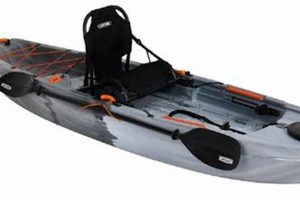
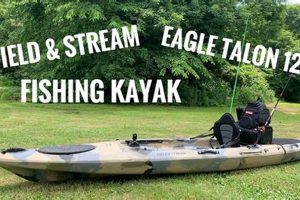
Tip 1: Choose the Right Kayak: Selecting a stable and appropriately sized vessel is paramount. Longer kayaks generally track better in open water, while shorter, wider models offer superior stability in rough conditions or tight spaces. Consider weight capacity, storage options, and compatibility with fishing accessories.
Tip 2: Utilize Specialized Equipment: Rods, reels, and lines designed specifically for this type of fishing are recommended. Shorter rods offer better control in a confined cockpit, while robust reels and lines are essential for handling powerful fish.
Tip 3: Master Essential Techniques: Proficiency in paddling, casting, and retrieving from a seated position is key. Practice these skills in calm water before venturing into more challenging environments.
Tip 4: Understand Salmon Behavior: Knowledge of salmon migration patterns, feeding habits, and preferred depths is crucial. Consult local resources or experienced anglers to gain insight into local conditions.
Tip 5: Prioritize Safety: Always wear a personal flotation device and carry essential safety equipment, including a whistle, signaling device, and first-aid kit. Check weather conditions before embarking and inform someone of your intended route and return time.
Tip 6: Respect the Environment: Practice catch-and-release whenever possible to conserve fish populations. Properly dispose of fishing line and other waste to protect the aquatic ecosystem.
Tip 7: Engage Local Expertise: Consulting with local fishing guides or tackle shops can provide valuable insights into regional regulations, effective techniques, and productive fishing spots.
By adhering to these guidelines, anglers can enhance their chances of success while promoting responsible and enjoyable fishing practices. These preparatory steps contribute significantly to a positive overall experience.
This collection of tips forms a foundational understanding of successful techniques, paving the way for a more detailed exploration of specific aspects within the main article. The subsequent sections will delve deeper into the nuances of this exciting angling pursuit.
1. Kayak Selection

Appropriate kayak selection is fundamental to successful and enjoyable salmon fishing. The vessel must balance stability, maneuverability, and storage capacity to meet the demands of this specific angling pursuit. Choosing the right kayak directly impacts safety, fishing effectiveness, and overall experience.
- Stability
Stability is paramount, especially in open water or challenging conditions. A stable platform allows anglers to cast, reel, and land fish without compromising balance. Wider hulls and lower centers of gravity enhance stability, reducing the risk of capsizing. Consider the expected water conditions and angler experience when evaluating stability requirements. A wider, more stable kayak might be preferable for beginners or rough waters, while experienced anglers in calmer conditions may opt for a narrower, faster hull.
- Maneuverability
Maneuverability influences the ability to navigate tight spaces, follow fish, and adjust positioning effectively. Shorter kayaks generally offer greater maneuverability, allowing quick turns and precise adjustments. This is particularly important when fishing in rivers, streams, or areas with complex currents. Longer kayaks, while less maneuverable, offer better tracking in open water, making them suitable for larger lakes or coastal areas.
- Storage Capacity
Adequate storage is essential for carrying fishing gear, safety equipment, and personal belongings. Kayaks designed for fishing often feature dedicated compartments and rigging options for securing rods, tackle boxes, and other essentials. Sufficient storage keeps gear organized and accessible, minimizing clutter and maximizing fishing efficiency. The anticipated duration of fishing trips and the amount of gear required should inform storage capacity considerations.
- Hull Design
Different hull designs offer varying performance characteristics. Sit-on-top kayaks are self-bailing and offer excellent stability, making them suitable for beginners or warmer climates. Sit-inside kayaks provide greater protection from the elements and offer a drier ride, but require more experience to manage in the event of a capsize. Choosing the appropriate hull design depends on personal preference, experience level, and environmental conditions. Specialized fishing kayaks often incorporate features like rod holders, anchor trolleys, and rudder systems tailored for angling.
Careful consideration of these factors ensures the chosen kayak aligns with the specific demands of salmon fishing. A well-matched vessel enhances safety, improves fishing effectiveness, and contributes significantly to a more enjoyable and productive experience on the water. The interplay between stability, maneuverability, storage, and hull design ultimately determines the kayak’s suitability for this demanding yet rewarding pursuit.
2. Specialized Gear

Specialized gear plays a crucial role in successful kayak salmon fishing. The unique challenges and opportunities presented by this angling method necessitate equipment tailored for effectiveness, efficiency, and safety. Understanding the function and application of specialized gear directly impacts catch rates and overall fishing experience.
Rods designed for kayak fishing are typically shorter than those used in traditional boat fishing or from shore. This shorter length allows for greater maneuverability and control within the confines of a kayak cockpit. A shorter rod facilitates accurate casting and efficient retrieval in tight spaces, reducing the risk of entanglement or interference with the kayak’s structure. Medium to heavy-power rods are generally preferred for salmon fishing, providing the strength and backbone necessary to handle these powerful fish. For example, a 7-foot medium-heavy rod paired with a high-capacity baitcasting reel offers a balanced setup for targeting larger salmon species.
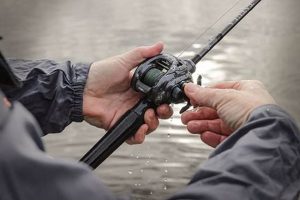
Reel selection is equally important. Robust baitcasting reels or spinning reels with high line capacity are essential for handling long runs and powerful fights characteristic of salmon. A smooth drag system is crucial for controlling the fish during the fight and preventing line breakage. High-visibility braided line offers superior sensitivity, allowing anglers to detect subtle bites and maintain direct contact with the lure or bait. For instance, a 30-pound braided line coupled with a fluorocarbon leader provides excellent abrasion resistance and low visibility in clear water, enhancing the chances of enticing wary salmon. Specialized lures and terminal tackle further contribute to success. Trolling lures, spoons, and spinners designed to mimic the movement and appearance of baitfish are effective for attracting salmon. Downriggers allow anglers to present lures at precise depths, targeting specific feeding zones. Furthermore, a well-organized tackle box containing an assortment of hooks, weights, swivels, and other essential accessories ensures anglers are prepared for various fishing scenarios.
Effective kayak salmon fishing relies heavily on appropriate gear selection. Utilizing specialized equipment tailored to the specific demands of this angling method enhances fishing effectiveness, improves safety, and contributes to a more rewarding experience. Understanding the function and application of specialized gear empowers anglers to make informed decisions, maximizing their chances of success on the water. The interplay between rod, reel, line, lures, and other accessories forms a cohesive system optimized for targeting salmon from a kayak. Neglecting the importance of specialized gear can significantly hinder fishing performance and compromise overall success.
3. Effective Techniques
Effective techniques are essential for successful kayak salmon fishing. These specialized methods leverage the unique advantages of kayak fishing, maximizing angler opportunity while addressing the inherent challenges of this dynamic angling pursuit. Proficiency in these techniques significantly enhances catch rates and contributes to a more rewarding experience on the water.
- Trolling
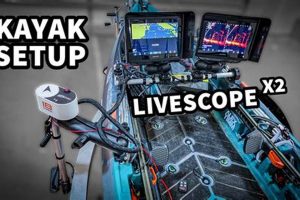
Trolling involves dragging lures or bait behind a moving kayak. This technique covers a wide area, effectively searching for active salmon. Varying trolling speed and depth allows anglers to target different sections of the water column. Using a depth finder or downrigger aids in precise lure placement, increasing the likelihood of encountering fish. For example, trolling a flasher and hoochie combination at a depth of 30 feet can be highly effective when targeting Chinook salmon in deeper waters. The slow, controlled movement of the kayak combined with the enticing action of the lure attracts salmon and triggers strikes.
- Casting
Casting allows anglers to target specific areas, such as structure, drop-offs, or current seams where salmon are likely to hold. Casting from a kayak requires precise technique and balance. Using shorter rods and lighter lures facilitates accurate casts and reduces the risk of tangling. For instance, casting a spinner or spoon near a submerged log or rocky outcrop can entice salmon lurking in ambush. Retrieving the lure with a varied retrieve, incorporating pauses and twitches, imitates the movement of injured baitfish, further attracting strikes. The ability to precisely position the kayak and accurately present lures enhances casting effectiveness.
- Drift Fishing
Drift fishing involves allowing the kayak to drift naturally with the current while presenting bait or lures. This technique is particularly effective in rivers or streams where salmon congregate in specific areas. Using a drift sock or anchor controls the kayak’s speed and position, maintaining the desired presentation. For example, drifting a roe bag or yarn ball near the bottom of a river can be highly effective for attracting Coho salmon during their spawning runs. The natural presentation of the bait, combined with the subtle movement of the current, entices salmon to bite.
- Anchor Positioning
Strategic anchor positioning plays a vital role in kayak salmon fishing. Anchoring allows anglers to hold position in productive areas, maximizing fishing time and effectiveness. Proper anchor placement prevents drifting into undesirable locations and maintains optimal lure or bait presentation. Choosing an appropriate anchor type and utilizing proper anchoring techniques ensures secure and stable positioning, particularly in challenging currents or windy conditions. Understanding bottom composition and water depth influences anchor selection and placement. For instance, deploying a grapnel anchor in rocky areas provides secure holding power, while a sand anchor is more suitable for sandy bottoms. Careful consideration of anchoring techniques ensures safe and effective fishing in various environments.
Mastering these techniques is fundamental to successful kayak salmon fishing. Each method offers distinct advantages, allowing anglers to adapt to varying conditions and target specific salmon behavior. Proficiency in trolling, casting, drift fishing, and anchoring significantly enhances catch rates and contributes to a more rewarding and productive experience on the water. These techniques, combined with appropriate gear and location selection, form a comprehensive approach to kayak salmon fishing. The ability to effectively employ these techniques empowers anglers to maximize their chances of success while enjoying the unique challenges and rewards of this dynamic angling pursuit.
4. Safety Precautions
Safety precautions are paramount in kayak salmon fishing. The environment presents inherent risks, and the pursuit itself involves physical exertion and specialized equipment. Prioritizing safety ensures angler well-being and contributes to a positive overall experience. Neglecting safety protocols can lead to accidents, injuries, or other undesirable outcomes. A comprehensive understanding of safety procedures is crucial for mitigating risks and promoting responsible angling practices.
- Personal Flotation Devices (PFDs)
Wearing a properly fitted PFD is non-negotiable. PFDs provide essential buoyancy in the event of a capsize or accidental immersion, significantly increasing chances of survival. Choosing a PFD designed for paddling offers comfort and freedom of movement while fishing. Regularly inspecting PFDs for wear and tear ensures their effectiveness in emergency situations. For example, a Type III PFD, designed for calm inland waters, provides adequate flotation and allows for unrestricted arm movement during casting and paddling.
- Communication Devices
Carrying a reliable communication device enables contact in case of emergencies or unforeseen circumstances. A waterproof VHF radio allows direct communication with the Coast Guard and other boaters. Mobile phones, while useful, may have limited reception in remote areas. Satellite communication devices offer reliable coverage in areas beyond cellular range. Informing someone of the intended fishing location and estimated return time provides an additional layer of safety. Sharing this information ensures a timely response in case of an overdue return.
- Weather Awareness
Checking weather forecasts before embarking on a fishing trip is crucial. Sudden changes in weather conditions can create hazardous situations on the water. Strong winds, waves, or thunderstorms pose significant risks to kayakers. Postponing trips in unfavorable weather conditions demonstrates prudent decision-making. Monitoring weather conditions during the trip allows for timely adjustments to plans. For instance, seeking sheltered coves or returning to shore preemptively mitigates risks associated with approaching storms. Being aware of potential fog conditions is also crucial, as reduced visibility can lead to disorientation and navigational challenges.
- Cold Water Precautions
Cold water presents unique risks to kayakers. Immersion in cold water can rapidly lead to hypothermia, even in relatively mild air temperatures. Dressing in layers of insulating clothing provides protection against cold water exposure. Wearing a drysuit or wetsuit offers enhanced insulation in colder environments. Carrying emergency blankets and other warming devices provides additional protection in the event of prolonged exposure. Understanding the symptoms of hypothermia and appropriate first-aid responses is crucial. For example, recognizing shivering, confusion, and loss of coordination as early signs of hypothermia enables prompt intervention and prevents further complications. Carrying a thermometer allows for accurate assessment of body temperature in suspected cases of hypothermia.
These safety precautions are integral to responsible kayak salmon fishing. Adhering to these guidelines minimizes risks, enhances angler well-being, and contributes to a positive overall experience. Integrating safety practices into every fishing trip establishes a culture of responsible angling and ensures the long-term enjoyment of this demanding yet rewarding pursuit. Prioritizing safety not only protects individual anglers but also contributes to a safer environment for all water users. The cumulative effect of these safety measures significantly reduces the likelihood of accidents and promotes a positive and sustainable angling experience.
5. Location Scouting

Location scouting is a critical element of successful kayak salmon fishing. Salmon occupy specific habitats and exhibit predictable movement patterns influenced by factors such as water temperature, current, and prey availability. Effective scouting identifies productive fishing areas, maximizing angling time and increasing catch rates. Understanding these factors and their influence on salmon behavior is fundamental to successful location scouting. Ignoring this crucial step can lead to unproductive fishing trips and missed opportunities. Real-life examples illustrate the practical significance of location scouting. For instance, during the fall salmon run, anglers focusing their efforts near river mouths or areas with converging currents are more likely to encounter migrating salmon. Similarly, locating areas with significant baitfish activity often indicates the presence of feeding salmon. Utilizing online resources, local fishing reports, and nautical charts aids in identifying potential fishing hotspots. Observing bird activity, water clarity, and temperature gradients provides further insights into salmon distribution.
The cause-and-effect relationship between location scouting and fishing success is evident. Thorough scouting increases the probability of encountering salmon, directly impacting catch rates. Conversely, inadequate scouting often results in unproductive fishing trips, wasting valuable time and resources. Practical applications of this understanding involve utilizing various scouting techniques. Exploring different areas within a chosen waterway, observing water conditions, and noting signs of salmon activity contribute to effective scouting. For example, identifying areas with deeper channels, submerged structures, or changes in current flow can reveal prime salmon holding locations. Moreover, observing jumping salmon or the presence of seals or other predators can indicate areas of high salmon concentration. Adapting scouting strategies based on specific environmental conditions and target species further enhances effectiveness.
In summary, location scouting is an indispensable component of successful kayak salmon fishing. Understanding salmon behavior, utilizing available resources, and employing effective scouting techniques directly impacts fishing outcomes. The interplay between environmental factors, salmon distribution, and angler knowledge underscores the importance of location scouting. This crucial preparatory step maximizes fishing efficiency, increases catch rates, and contributes significantly to a more rewarding angling experience. Challenges such as limited access to certain areas, changing water conditions, and the dynamic nature of salmon behavior necessitate adaptability and continuous refinement of scouting strategies. Ultimately, effective location scouting strengthens the connection between angler and environment, fostering a deeper appreciation for the complexities of the aquatic ecosystem and the pursuit of salmon.
6. Sustainable Practices
Sustainable practices are integral to the long-term viability of kayak salmon fishing. These practices minimize environmental impact, conserve salmon populations, and preserve the integrity of aquatic ecosystems. The inherent low-impact nature of kayak fishing provides a foundation for sustainable angling. However, responsible fishing practices extend beyond the choice of vessel. Catch-and-release fishing, selective harvesting, and proper gear disposal are crucial components of sustainable kayak salmon fishing. These actions directly impact the health and abundance of salmon populations and the overall ecological balance. Ignoring sustainable practices jeopardizes the future of this rewarding pursuit and the health of the aquatic environment.
The cause-and-effect relationship between sustainable practices and the health of salmon populations is well-established. Catch-and-release fishing, when practiced correctly, minimizes stress on released fish, maximizing their chances of survival and future reproductive success. Selective harvesting, targeting specific sizes or species, helps maintain balanced population structures. Proper gear disposal prevents entanglement, habitat degradation, and the ingestion of harmful materials by aquatic life. For instance, discarding fishing line in designated receptacles prevents entanglement of birds, fish, and other wildlife. Similarly, using barbless hooks reduces injury to released fish, promoting their recovery. These practical applications demonstrate the tangible impact of sustainable practices on the aquatic environment. The cumulative effect of individual actions contributes significantly to the overall health and resilience of salmon populations.
Sustainable practices in kayak salmon fishing extend beyond individual actions. Advocating for responsible fishing regulations, supporting habitat restoration initiatives, and educating fellow anglers contribute to broader conservation efforts. Challenges such as increasing fishing pressure, habitat degradation, and climate change necessitate ongoing adaptation and refinement of sustainable practices. Addressing these challenges requires collective action and a commitment to long-term stewardship of aquatic resources. Ultimately, embracing sustainable practices ensures the future of kayak salmon fishing and the health of the ecosystems that support it. The interconnectedness of angler actions, environmental health, and the long-term viability of this pursuit underscores the importance of sustainable practices in kayak salmon fishing. By prioritizing sustainability, anglers contribute to the preservation of this valuable resource for future generations.
7. Regulation Awareness
Regulation awareness is essential for responsible and legal kayak salmon fishing. Regulations vary by location and are designed to protect salmon populations, maintain healthy ecosystems, and ensure equitable access to resources. Compliance with these regulations is not merely a legal obligation but a critical component of ethical angling and long-term resource sustainability. Ignorance of regulations is no excuse for non-compliance, and penalties for violations can be substantial. Understanding and adhering to these rules ensures the continued enjoyment of this pursuit for all anglers.
- Fishing Licenses and Permits
Obtaining the necessary fishing licenses and permits is a fundamental requirement. Specific licenses and endorsements may be required for salmon fishing, and these can vary depending on location, species targeted, and fishing method. Anglers must ensure they possess the correct documentation before embarking on a fishing trip. For example, some regions require separate permits for Chinook salmon fishing or for fishing in specific rivers or tributaries. Failure to obtain the appropriate licenses can result in fines and potential confiscation of gear.
- Size and Catch Limits
Size and catch limits regulate the size and number of salmon that can be legally harvested. These limits are designed to protect younger fish and maintain sustainable population levels. Regulations may specify minimum or maximum size restrictions, daily catch limits, and annual possession limits. Anglers must accurately measure harvested fish and adhere to established limits. For instance, regulations might stipulate a minimum size limit of 24 inches for Chinook salmon and a daily catch limit of two fish. Exceeding these limits can result in penalties and contribute to the depletion of salmon stocks.
- Season and Time Restrictions
Fishing seasons and time restrictions dictate when and where salmon fishing is permitted. These regulations protect spawning salmon and ensure fair access to fishing opportunities. Closed seasons often coincide with salmon spawning periods, allowing fish to reproduce undisturbed. Time restrictions may limit fishing to specific hours of the day or days of the week. Anglers must be aware of these restrictions and plan their fishing trips accordingly. For example, some rivers might be closed to salmon fishing during specific months to protect spawning populations. Fishing outside of designated seasons or times can result in fines and negatively impact salmon conservation efforts.
- Gear Restrictions
Gear restrictions regulate the types of fishing gear and methods allowed for salmon fishing. These restrictions aim to minimize environmental impact and ensure fair fishing practices. Regulations may prohibit certain types of hooks, lures, or fishing techniques. For instance, the use of barbed hooks might be restricted to reduce injury to released fish. Similarly, regulations might prohibit the use of certain types of nets or fishing methods deemed harmful to salmon populations or the environment. Adhering to gear restrictions ensures compliance with regulations and promotes ethical and sustainable fishing practices. Failure to comply with gear restrictions can result in penalties and undermine conservation efforts.
Regulation awareness is inseparable from responsible kayak salmon fishing. Understanding and adhering to these regulations ensures the sustainability of salmon populations, protects the environment, and preserves the integrity of the sport. By prioritizing regulation awareness, anglers contribute to the long-term health of the fishery and the continued enjoyment of kayak salmon fishing for generations to come. Staying informed about current regulations, consulting local authorities, and seeking clarification when needed demonstrates a commitment to responsible angling practices. The interplay between regulation compliance, environmental stewardship, and the future of kayak salmon fishing underscores the critical importance of regulation awareness for all anglers.
Frequently Asked Questions
This section addresses common inquiries regarding kayak salmon fishing, providing concise and informative responses to clarify potential uncertainties and promote informed angling practices.
Question 1: What type of kayak is best suited for salmon fishing?
Kayaks designed specifically for fishing, characterized by stability, ample storage, and specialized features such as rod holders and anchor trolleys, are recommended. Sit-on-top models offer enhanced stability and self-bailing capabilities, advantageous for open water conditions. Sit-inside models provide greater protection from the elements but require more experience to manage in the event of a capsize.
Question 2: What essential gear is required for kayak salmon fishing?
Essential gear includes a medium to heavy-power fishing rod, a robust reel with high line capacity, braided fishing line, appropriate lures or bait, a personal flotation device (PFD), a paddle, and safety equipment such as a whistle and signaling device.
Question 3: Where can one find information on local fishing regulations?
Local fishing regulations can be obtained from state or provincial wildlife agencies, often available online or through local tackle shops. Consulting these resources ensures compliance with size limits, catch limits, season restrictions, and gear limitations.
Question 4: Are there specific techniques for catching salmon from a kayak?
Effective techniques include trolling, casting, and drift fishing. Trolling involves dragging lures behind a moving kayak, while casting targets specific areas. Drift fishing utilizes natural current movement to present bait or lures. Understanding these techniques and adapting them to local conditions enhances fishing success.
Question 5: What safety precautions should one take when kayak salmon fishing?
Essential safety precautions include always wearing a PFD, carrying a communication device, checking weather forecasts before embarking, informing someone of the intended route and return time, and being aware of potential hazards such as cold water and changing weather conditions. Carrying a first-aid kit and appropriate safety gear is also recommended.
Question 6: How can anglers contribute to sustainable salmon fishing practices?
Practicing catch-and-release whenever possible, adhering to size and catch limits, properly disposing of fishing line and other waste, and supporting conservation initiatives contribute to the long-term health of salmon populations and the preservation of aquatic ecosystems.
These responses provide a general overview of important considerations for kayak salmon fishing. Further research and consultation with local experts are encouraged to acquire region-specific information and enhance angling knowledge.
This FAQ section serves as a springboard for a deeper dive into specific aspects of kayak salmon fishing. The following sections will delve into more advanced techniques, gear selection strategies, and location-specific considerations.
Kayak Salmon Fishing
This exploration of kayak salmon fishing has highlighted the multifaceted nature of this pursuit. From equipment selection and specialized techniques to safety considerations and sustainable practices, each element contributes significantly to a successful and responsible angling experience. The interplay between angler knowledge, environmental awareness, and skillful execution underscores the rewarding challenge this activity presents. Understanding salmon behavior, mastering appropriate techniques, and prioritizing safety are crucial for maximizing success while minimizing environmental impact. The importance of adhering to local regulations and practicing sustainable fishing methods has been emphasized throughout, reinforcing the angler’s role as a steward of aquatic resources.
Kayak salmon fishing offers a unique connection with nature, demanding both physical and mental engagement. The pursuit embodies a blend of traditional angling principles and modern adaptations, appealing to those seeking a challenging yet rewarding outdoor experience. Continued learning, adaptation to evolving conditions, and a commitment to responsible fishing practices will ensure the longevity of this pursuit and the preservation of salmon populations for future generations. The future of kayak salmon fishing hinges on the collective responsibility of anglers to prioritize sustainability, respect the environment, and engage in ethical angling practices. This pursuit offers not merely the thrill of the catch, but also an opportunity to contribute to the conservation of a valuable natural resource.