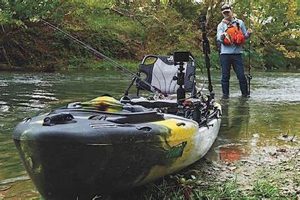
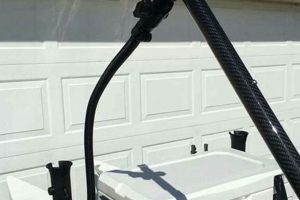
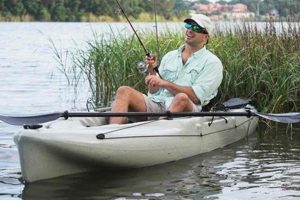
Pursuing large pelagic fish like marlin from a small, human-powered vessel presents a unique challenge and thrill. This specialized angling technique requires specialized equipment, advanced skills, and a deep understanding of both the target species and the ocean environment. A typical setup involves a sit-on-top kayak rigged with outriggers, rod holders, and a fish finder. Anglers employ heavy tackle and often utilize trolling or drifting methods to entice a strike.
This pursuit offers a remarkably intimate connection with the marine environment and tests an angler’s abilities to the fullest. The self-reliance and physical exertion required contribute significantly to the sense of accomplishment. Historically, fishing from small craft has been a widespread practice, but the modern adaptation of specifically targeting marlin from a kayak represents a relatively recent evolution, showcasing the adventurous spirit of contemporary anglers. This demanding sport provides significant economic benefits to coastal communities through tourism and related industries.
The following sections will delve into specific aspects of this exciting sport, covering essential equipment, effective techniques, safety considerations, and the conservation implications of this growing practice.
Tips for Successful Marlin Fishing from a Kayak
Careful planning and execution are crucial for a safe and rewarding experience when targeting marlin from a kayak. These tips offer guidance for anglers seeking to maximize their chances of success.
Tip 1: Rigging Stability is Paramount: Outriggers are essential for maintaining balance and preventing capsizing, especially during a fight with a large marlin. Ensure proper installation and deployment for optimal stability.
Tip 2: Invest in High-Quality Tackle: Heavy-duty rods, reels, lines, and hooks are necessary to withstand the power of a marlin. Compromising on quality can lead to equipment failure at critical moments.
Tip 3: Master Effective Trolling Techniques: Understanding trolling speeds, lure selection, and line placement significantly increases the likelihood of attracting marlin. Variable speed retrieves can often trigger strikes.
Tip 4: Prioritize Safety Equipment: A VHF radio, personal locator beacon (PLB), and a well-stocked first-aid kit are indispensable for handling emergencies in the open ocean.
Tip 5: Thorough Pre-Trip Planning is Essential: Checking weather forecasts, understanding local regulations, and filing a float plan with a trusted contact are crucial safety precautions.
Tip 6: Develop Proper Fish Handling Techniques: Safe and responsible handling of marlin ensures their survival after release. Utilizing appropriate de-hooking tools and minimizing handling time contribute to conservation efforts.
Tip 7: Respect the Marine Environment: Proper disposal of fishing line and other debris helps preserve the ocean ecosystem for future generations of anglers and marine life.
Adhering to these guidelines increases the probability of a positive outcome, enhancing safety and promoting responsible angling practices.
By understanding and implementing these tips, anglers can contribute to the sustainability of the sport and ensure enjoyable experiences on the water.
1. Specialized Kayak Selection
Appropriate kayak selection is fundamental to successful and safe marlin fishing. The vessel serves as the angler’s primary platform and must meet specific criteria to withstand the rigors of offshore conditions and the demands of battling large pelagic fish. Choosing the right kayak significantly impacts an angler’s safety, comfort, and overall success.
- Stability and Hull Design
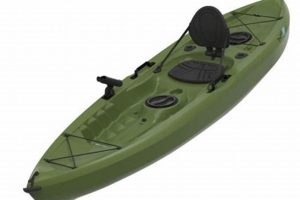
Stability is paramount when engaging large, powerful fish. Wider, flatter hulls, often incorporating outrigger systems, provide enhanced stability compared to narrower designs. Catamaran-style hulls offer exceptional stability but may sacrifice maneuverability. The chosen hull design should balance stability with the need for efficient paddling and maneuverability in open water.
- Length and Weight Capacity
Longer kayaks generally track better in open water, aiding in trolling and covering larger areas efficiently. Weight capacity is crucial, factoring in the angler’s weight, gear, and the potential weight of a landed fish. Insufficient capacity compromises stability and performance. A kayak’s length and weight capacity must be appropriate for the anticipated conditions and target species.
- Storage and Rigging Options
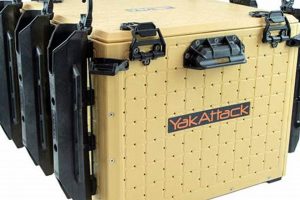
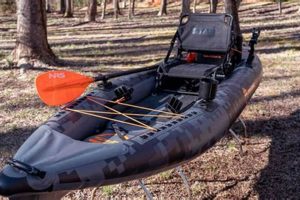
Ample storage space is essential for carrying necessary equipment, including tackle, safety gear, and food and water. Dedicated rod holders, outrigger mounts, and fish finders are integral components for effective marlin fishing. A well-equipped kayak simplifies gear management and enhances angling efficiency.
- Material and Durability
Kayaks constructed from durable materials, such as high-density polyethylene or composites, are better suited for offshore conditions and the potential impacts of fighting a large fish. Reinforced hulls and high-quality fittings enhance longevity and withstand the stresses of offshore angling.
Careful consideration of these factors ensures the kayak complements the demands of marlin fishing. A properly selected vessel contributes significantly to angler safety, enhances fishing effectiveness, and ultimately elevates the overall experience. The investment in a specialized kayak optimized for offshore angling represents a critical step towards success in this demanding pursuit.
2. Essential Safety Gear

Safety equipment is paramount in kayak marlin fishing due to the inherent risks of operating a small vessel far offshore while pursuing large, powerful fish. The unpredictable nature of the open ocean, combined with the physical demands of this fishing style, necessitates comprehensive safety preparations. A lapse in safety protocols can quickly escalate into a life-threatening situation. For example, a sudden change in weather conditions can create challenging seas, increasing the risk of capsizing. A large marlin strike can also destabilize a kayak, highlighting the importance of reliable safety gear.
Essential safety gear includes a VHF radio for communication, a personal locator beacon (PLB) for emergency distress signaling, a well-stocked first-aid kit for addressing injuries, and a signaling mirror for attracting attention. A reliable bilge pump and paddle float are crucial for recovery after a capsize. Wearing a properly fitted personal flotation device (PFD) is non-negotiable. Navigational aids like a GPS and compass are vital, especially in areas with limited visibility. Carrying ample drinking water and high-energy food helps maintain physical stamina and mental clarity in demanding situations. Regularly inspecting and maintaining safety equipment ensures optimal functionality when needed most.
Investing in and understanding the use of essential safety equipment mitigates the inherent risks of kayak marlin fishing. Preparation empowers anglers to respond effectively to emergencies, enhancing their chances of a safe return. Prioritizing safety fosters a culture of responsible angling, demonstrating respect for the power of the ocean and the potential challenges of this demanding pursuit.
3. Advanced Angling Techniques

Success in kayak marlin fishing hinges significantly on advanced angling techniques. These specialized methods, refined through experience and knowledge, address the unique challenges presented by pursuing large, powerful fish from a small, relatively unstable platform. Effective techniques optimize the chances of hooking, fighting, and landing a marlin while minimizing risk to both the angler and the fish. For instance, precise boat positioning and control are crucial for presenting lures effectively and reacting to a marlin’s aggressive takes. Understanding marlin behavior and feeding patterns dictates lure selection, retrieval speed, and overall strategy.
A key aspect of advanced techniques lies in mastering the art of fighting a marlin from a kayak. This involves utilizing specialized equipment, such as heavy-duty rods and reels with high drag settings, alongside refined techniques like precise drag adjustments and strategic rod movements to manage the fish’s powerful runs and acrobatic leaps. Maintaining appropriate line tension while simultaneously maneuvering the kayak to avoid being pulled over or tangled in the line requires significant skill and experience. Efficient use of the kayak’s limited space and the angler’s physical exertion must be carefully managed throughout the fight. An example of this mastery would be recognizing the signs of a marlin nearing exhaustion and adjusting the drag accordingly to prevent line breakage or hook pullout during the final stages of the battle.
Ultimately, the successful application of advanced angling techniques significantly enhances the likelihood of a positive outcome in kayak marlin fishing. These refined methods represent the culmination of knowledge, skill, and experience, allowing anglers to effectively and responsibly pursue one of the ocean’s most challenging gamefish from a uniquely demanding platform. These techniques not only contribute to successful catches but also promote safe and sustainable fishing practices, ensuring the longevity of both the sport and the marlin populations.
4. Oceanic Knowledge & Awareness

Proficiency in kayak marlin fishing necessitates a comprehensive understanding of the oceanic environment. This knowledge is crucial not only for locating and targeting marlin but also for ensuring angler safety. A deep awareness of oceanic conditions, currents, weather patterns, and marine life behavior significantly enhances the effectiveness and safety of offshore fishing expeditions. Neglecting these crucial aspects can lead to perilous situations and diminish the chances of a successful catch. A well-informed angler operates with greater confidence and responsibility, minimizing risks and maximizing opportunities in the dynamic offshore environment.
- Currents and Tides
Comprehending the influence of currents and tides is essential for effective drift fishing and trolling techniques. Currents dictate marlin movement and concentrate baitfish, influencing ideal fishing locations. Tidal changes impact water depth and current strength, requiring anglers to adjust fishing strategies accordingly. For example, understanding how a particular current interacts with a coastline can reveal prime ambush points where marlin lie in wait for prey. Ignoring tidal flows could lead to a kayak drifting into hazardous areas or losing fishing effectiveness.
- Weather Interpretation
Accurate weather interpretation is paramount for safe offshore kayak fishing. Changing weather conditions, such as increasing wind speed or approaching storms, necessitate informed decisions regarding trip timing and duration. Recognizing signs of deteriorating weather allows anglers to seek shelter or return to shore promptly, preventing potentially dangerous situations. Consulting reliable marine weather forecasts and understanding local weather patterns are critical pre-trip preparations.
- Marine Life Behavior
Knowledge of marlin behavior, including their feeding patterns, migratory routes, and preferred habitats, informs effective fishing strategies. Understanding the prey species marlin target allows anglers to select appropriate lures and fishing techniques. Observing bird activity and baitfish behavior can indicate marlin presence in an area. This knowledge base enhances fishing effectiveness while minimizing environmental impact through targeted fishing practices.
- Navigation and Chart Reading
Proficient navigation and chart reading skills are fundamental for safe offshore kayak excursions. Accurately interpreting nautical charts and utilizing GPS technology ensures anglers can maintain their bearings, locate fishing grounds, and safely navigate back to shore, particularly in challenging conditions or limited visibility. Understanding navigational markers and aids helps prevent grounding or entering hazardous areas.
These facets of oceanic knowledge contribute significantly to successful and safe kayak marlin fishing. A comprehensive understanding of the marine environment empowers anglers to make informed decisions, maximizing their chances of a successful catch while prioritizing safety. This knowledge base also promotes responsible angling practices, fostering a deeper respect for the ocean and its inhabitants.
5. Physical & Mental Preparedness
Kayak marlin fishing presents significant physical and mental demands. Success and safety in this challenging pursuit require a high level of preparedness. The physical exertion of paddling long distances, battling powerful fish, and managing equipment in demanding offshore conditions necessitates robust physical conditioning. Mental fortitude is equally crucial for enduring long hours, making quick decisions under pressure, and maintaining focus throughout the physically demanding experience. A lack of adequate preparation can compromise both effectiveness and safety, increasing the risk of injury or incidents at sea.
- Strength and Endurance
Paddling for extended periods, often against currents or wind, demands significant upper body strength and cardiovascular endurance. Fighting a large marlin requires substantial physical exertion, placing significant stress on back, arm, and core muscles. Regular strength training and cardiovascular exercise are crucial for developing the necessary stamina and power. For example, incorporating exercises like weightlifting, rowing, and swimming into a training regimen builds the physical resilience needed for prolonged periods on the water and intense physical exertion during a fight.
- Balance and Coordination
Maintaining balance in a kayak, especially during a marlin strike or while maneuvering in rough seas, requires exceptional balance and coordination. The dynamic nature of kayak fishing necessitates quick reflexes and the ability to adjust body position rapidly. Activities like yoga and balance board exercises can enhance stability and improve reaction time, contributing to safer and more effective kayak handling. These skills are critical for preventing capsizes and maintaining control during the fight.
- Focus and Decision-Making
Kayak marlin fishing requires sustained focus and the ability to make rapid, informed decisions in dynamic situations. Remaining alert for extended periods while observing oceanic conditions, managing fishing gear, and reacting to marlin strikes necessitates mental discipline. Practicing mindfulness techniques and engaging in activities that require strategic thinking can sharpen focus and improve decision-making abilities under pressure. Quick thinking and decisive action are essential for both successful angling and safe navigation.
- Resilience and Adaptability
Offshore conditions are unpredictable. Anglers must possess mental resilience to persevere through challenging weather, equipment malfunctions, and the physical demands of prolonged battles with powerful fish. Adaptability is key to adjusting fishing strategies based on changing conditions and marlin behavior. Developing a flexible mindset and cultivating problem-solving skills are essential for overcoming obstacles and maintaining a positive attitude in the face of adversity. Mental toughness is often as critical as physical strength in determining a successful outcome.
These physical and mental attributes are interconnected and essential for successful and safe kayak marlin fishing. Dedicated preparation enhances performance, increases safety margins, and contributes to a more rewarding experience. By prioritizing physical conditioning and mental fortitude, anglers equip themselves to effectively meet the challenges of this demanding pursuit and enjoy the unique rewards it offers.
6. Sustainable Fishing Practices
Sustainable fishing practices are integral to the longevity of kayak marlin fishing. This approach prioritizes the health of marlin populations and the preservation of marine ecosystems. Catch-and-release methods, employing circle hooks to minimize injury, and utilizing proper fish handling techniques are fundamental components. These practices ensure future generations can experience the thrill of pursuing these magnificent creatures. Minimizing environmental impact through responsible waste disposal and adherence to fishing regulations further demonstrates a commitment to sustainability. For example, using biodegradable fishing line reduces the risk of entanglement for marine animals. Supporting conservation organizations dedicated to marlin research and protection contributes to long-term population health. Failure to adopt sustainable practices risks depleting marlin populations and damaging fragile marine ecosystems, ultimately jeopardizing the future of the sport.
The intimate nature of kayak marlin fishing provides a unique opportunity to practice and promote sustainable angling. The close proximity to the fish during the catch-and-release process allows for careful handling and minimizes stress on the animal. Kayak anglers are often acutely aware of their impact on the environment, fostering a strong conservation ethic. This heightened awareness translates into a commitment to preserving the resource they value. Furthermore, the growing popularity of kayak fishing offers a platform to advocate for sustainable fishing practices within the broader angling community. By actively promoting responsible angling, kayak anglers can play a significant role in protecting marlin populations and ensuring the health of the oceans.
Sustainable fishing practices are not merely an optional component but rather a fundamental responsibility for all kayak marlin anglers. Adopting these practices ensures the health and viability of marlin populations and the marine ecosystems they inhabit. By prioritizing conservation, anglers contribute to the longevity of the sport and safeguard this unique experience for future generations. The continued enjoyment of kayak marlin fishing depends on the collective commitment to sustainable practices and the responsible stewardship of our oceans.
7. Proper Fish Handling

Proper fish handling is paramount in kayak marlin fishing, directly impacting marlin survival after release. This practice minimizes stress and injury to the fish, contributing to healthy populations and the long-term sustainability of the sport. Effective handling techniques require specialized knowledge and careful execution, recognizing the vulnerability of marlin during the release process. The confined space of a kayak presents unique challenges and emphasizes the importance of efficient and informed handling procedures.
- Minimizing Air Exposure
Minimizing a marlin’s time out of the water is crucial. Extended air exposure disrupts their respiratory system and can lead to organ damage. Supporting the fish’s weight during the de-hooking and tagging processes helps prevent internal injuries. In the confined space of a kayak, this often requires careful maneuvering and coordination to maintain the marlin’s stability alongside the vessel. Quick and efficient handling is essential for reducing air exposure and maximizing the fish’s chances of survival.
- Using Appropriate De-hooking Tools
Specialized de-hooking tools, such as long-handled pliers or de-hooking devices, expedite the removal of hooks, reducing handling time and stress on the marlin. Circle hooks, designed for easier removal, are often preferred in catch-and-release fishing. Their design minimizes the chance of deep hooking and facilitates quicker release. The selection and proficient use of appropriate de-hooking tools are essential components of responsible angling.
- Supporting the Fish’s Body
Supporting a marlin’s body throughout the handling process minimizes stress and prevents injury. Large marlin, weakened from the fight, require careful handling to avoid exacerbating their physical exertion. In a kayak, this often involves maneuvering the fish alongside the vessel while supporting its weight, allowing for efficient de-hooking and tagging. This technique minimizes the chance of the marlin thrashing and injuring itself or the angler.
- Reviving Exhausted Fish
Reviving exhausted marlin before release is crucial for their survival. Gently moving the fish forward in the water, allowing water to flow over its gills, helps restore oxygen levels and promotes recovery. In a kayak, this may involve slowly paddling forward while holding the marlin alongside, ensuring a steady flow of oxygenated water over its gills. This practice maximizes the chances of the fish regaining strength and swimming away unaided.
These interconnected aspects of proper fish handling are essential for ensuring the well-being of released marlin and the long-term sustainability of kayak marlin fishing. By prioritizing these practices, anglers contribute to the conservation of these magnificent fish and ensure future generations can experience the thrill of this unique angling pursuit. Effective fish handling demonstrates a deep respect for the resource and embodies the ethical responsibilities inherent in the sport of kayak marlin fishing.
Frequently Asked Questions about Kayak Marlin Fishing
This section addresses common inquiries regarding the specialized pursuit of marlin from a kayak, offering clarity and practical insights for those interested in this demanding angling technique.
Question 1: What type of kayak is best suited for marlin fishing?
Kayaks designed specifically for offshore fishing, featuring enhanced stability characteristics such as wider beams, outrigger systems, and high weight capacities, are recommended. Sit-on-top models offer superior self-bailing capabilities and maneuverability, essential qualities in challenging offshore conditions.
Question 2: Is specialized equipment required for catching marlin from a kayak?
Heavy-duty tackle, including rods, reels, lines, and hooks designed for large pelagic fish, is essential. Specialized equipment such as fighting belts, harnesses, and outriggers are also recommended to manage the significant forces exerted by marlin during a fight.
Question 3: What are the primary safety considerations for kayak marlin fishing?
Prioritizing safety is paramount. Essential safety equipment includes a VHF radio, personal locator beacon (PLB), first-aid kit, signaling devices, and a properly fitted personal flotation device (PFD). Thorough pre-trip planning, including weather checks and float plan filing, is crucial.
Question 4: What techniques are most effective for attracting and hooking marlin from a kayak?
Trolling with specialized lures or live bait is a common technique. Drift fishing, deploying baits at varying depths, can also be effective. Understanding marlin behavior and feeding patterns is crucial for optimizing techniques and lure selection.
Question 5: How does one handle a marlin safely after hooking it from a kayak?
Proper fish handling is critical for marlin survival after release. Minimizing air exposure, using appropriate de-hooking tools, supporting the fish’s body, and reviving exhausted marlin before release are essential practices. Prioritizing these techniques demonstrates responsible angling and promotes conservation.
Question 6: What conservation efforts are relevant to kayak marlin fishing?
Practicing catch-and-release is fundamental to marlin conservation. Adhering to local fishing regulations, minimizing environmental impact by properly disposing of waste, and supporting conservation organizations dedicated to marlin research and protection contribute to the long-term health of marlin populations.
Understanding these key aspects of kayak marlin fishing promotes responsible angling practices, ensuring both angler safety and the sustainability of this demanding and rewarding pursuit. Preparation and knowledge are crucial for success in this unique fishing discipline.
The following section will further explore the specific techniques and strategies employed in kayak marlin fishing, providing a deeper understanding of this specialized angling pursuit.
Kayak Marlin Fishing
This exploration of kayak marlin fishing has highlighted the multifaceted nature of this demanding pursuit. From specialized equipment and advanced angling techniques to essential safety considerations and the importance of sustainable fishing practices, the pursuit requires meticulous preparation and a deep respect for both the target species and the marine environment. The physical and mental demands underscore the need for dedicated training and a comprehensive understanding of oceanic conditions. Proper fish handling techniques are crucial for ensuring marlin survival after release, contributing to the long-term health of populations and the sustainability of this unique sport.
Kayak marlin fishing represents a pinnacle of angling skill and embodies a profound connection with the ocean. The pursuit challenges anglers to refine their techniques, expand their knowledge, and deepen their appreciation for the marine environment. The future of this sport rests on the continued commitment to responsible angling practices, prioritizing conservation and ensuring the preservation of this exhilarating experience for generations to come. Continued education and advocacy within the angling community are crucial for promoting sustainable kayak marlin fishing practices and safeguarding the future of this remarkable pursuit.