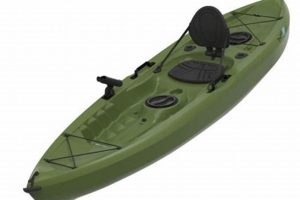
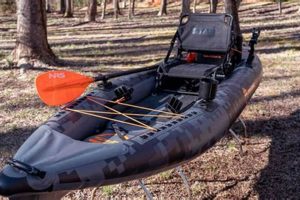
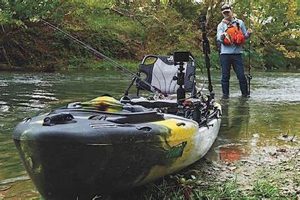
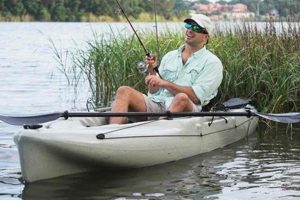
A “grand slam” in fishing refers to catching four specific prized game fish within a defined timeframe or area. Applied to kayaking, this signifies the pursuit of such a feat from a kayak, adding a layer of challenge and skill. The “emotion” component highlights the intense personal experience, encompassing the thrill of the chase, the satisfaction of success, and the connection with nature inherent in this specialized form of angling. For example, a saltwater grand slam might involve targeting tarpon, permit, bonefish, and snook, each requiring unique techniques and presenting its own set of difficulties from the limited space and mobility of a kayak.
Kayak fishing provides a stealthy, close-to-the-water approach that can be highly effective for targeting specific species. It offers an intimate and immersive experience, enhancing the angler’s connection with the environment. The pursuit of a grand slam from a kayak further amplifies this, demanding a deep understanding of fish behavior, mastery of angling techniques, and strategic planning. Historically, grand slams have represented pinnacle achievements in angling, symbolizing skill, dedication, and a profound respect for the sport. Combining this with the increasing popularity and accessibility of kayak fishing provides a unique and challenging pursuit for experienced anglers.
This article will further explore the specific challenges and rewards of pursuing grand slams from a kayak, covering essential gear, effective strategies, and noteworthy destinations known for these prized fish. It will also delve into the conservation aspects of this pursuit, emphasizing responsible angling practices and the importance of preserving these valuable ecosystems.
Tips for Pursuing a Kayak Fishing Grand Slam
Achieving a grand slam from a kayak requires careful planning and execution. These tips offer guidance for maximizing success and enhancing the overall experience.
Tip 1: Rigging Efficiency: Streamlined setups are crucial in the confined space of a kayak. Organize tackle boxes with readily accessible lures and tools specific to target species. Pre-rigged rods minimize time spent changing setups, maximizing fishing time.
Tip 2: Species-Specific Knowledge: Understand the habits and preferred habitats of each target species. Researching tidal patterns, preferred baitfish, and seasonal movements is essential for effective targeting.
Tip 3: Kayak Mastery: Proficient kayak control is paramount. Practice maneuvering in various conditions, including wind and current. Stability enhances casting accuracy and fish fighting capabilities.
Tip 4: Stealth and Approach: Kayaks offer a stealthy advantage. Minimize noise and movement to avoid spooking fish, particularly in shallow water. Utilize natural cover and drift fishing techniques for a more natural presentation.
Tip 5: Weather Awareness: Monitor weather forecasts diligently. Wind, rain, and changing tides significantly impact kayak fishing. Prioritize safety and adjust plans accordingly.
Tip 6: Conservation Practices: Adhere to catch-and-release guidelines, handling fish with care. Minimize environmental impact by properly disposing of fishing line and other waste. Respect local regulations and closures.
Tip 7: Essential Gear Selection: Choose appropriate rods, reels, and line based on target species. A reliable anchor system, landing net, and appropriate personal flotation device are crucial for safety and success.
By focusing on these key areas, anglers can significantly increase their chances of achieving a kayak fishing grand slam while fostering a deeper appreciation for the sport and the environment.
These tips provide a solid foundation for pursuing this challenging yet rewarding endeavor. The following section will delve into specific gear recommendations and location insights to further enhance preparation and success.
1. Challenge

The pursuit of a grand slam in kayak fishing presents inherent challenges that significantly contribute to the emotional intensity of the experience. These challenges extend beyond simply catching fish, encompassing physical, mental, and environmental factors that test an angler’s skills, resilience, and knowledge.
- Physical Demands:
Kayak fishing requires physical stamina and balance. Paddling to fishing locations, maneuvering in varying water conditions, and battling strong fish from a relatively unstable platform demand physical exertion. Successfully landing a powerful fish from a kayak necessitates precise body movements and control, adding to the physical challenge. Consider the strain of battling a large tarpon in a choppy sea from a small kayak, highlighting the physical prowess required.
- Technical Proficiency:
Achieving a grand slam necessitates mastery of various angling techniques. Accurate casting, precise lure presentations, and effective fish fighting strategies are essential. Each target species often requires specialized techniques, demanding adaptability and expertise. For example, presenting a fly accurately to a wary bonefish in shallow water requires exceptional casting skill and understanding of fish behavior.
- Environmental Factors:
Wind, tides, currents, and weather conditions significantly impact kayak fishing. Anglers must navigate these variables, adapting their strategies and maintaining stability in dynamic environments. Changing weather patterns can create challenging situations requiring quick decisions and adjustments, impacting both safety and fishing success. A sudden shift in wind direction can make maneuvering a kayak and presenting a bait effectively considerably more difficult.
- Mental Fortitude:
Persistence is key in pursuing a grand slam. Long hours on the water, dealing with changing conditions, and facing potential setbacks require patience and mental resilience. Maintaining focus and adapting strategies when fish aren’t cooperating is crucial for eventual success. The mental challenge of remaining focused and optimistic after hours without a bite contributes significantly to the overall emotional experience.
These interconnected challenges collectively contribute to the emotional resonance of achieving a kayak fishing grand slam. Overcoming these hurdles amplifies the sense of accomplishment, making the experience profoundly rewarding and memorable. The culmination of physical exertion, technical expertise, environmental adaptation, and mental resilience creates a powerful emotional experience, solidifying the allure of this challenging pursuit.
2. Skill
Skill plays a pivotal role in the pursuit of a grand slam in kayak fishing, directly influencing the emotional experience. The connection between skill and emotion is multifaceted, encompassing technical proficiency, strategic decision-making, and the ability to adapt to dynamic conditions. A high level of skill not only increases the likelihood of success but also enhances the overall satisfaction and sense of accomplishment.
Technical skills encompass accurate casting, precise lure presentation, and effective fish fighting techniques. Mastery of these skills allows anglers to effectively target specific species, maximizing opportunities for success. For example, accurately presenting a small fly to a spooky bonefish in shallow, crystal-clear water requires a high degree of casting precision and understanding of fly fishing techniques. Successfully hooking and landing a powerful tarpon from a kayak demands skilled fish fighting techniques, including precise rod handling and drag control. These technical skills directly translate to increased chances of success, fostering a sense of competence and confidence that contributes to the emotional reward.
Beyond technical skills, strategic decision-making is crucial. Understanding fish behavior, reading water conditions, and selecting appropriate lures and techniques based on prevailing conditions are essential components of a successful grand slam strategy. Strategic choices, such as selecting a specific fishing location based on tidal flows or changing lure presentations based on observed fish behavior, significantly influence the outcome. The ability to adapt to changing weather patterns, water conditions, and fish behavior is equally important. A skilled angler can adjust strategies on the fly, maximizing opportunities even when faced with unexpected challenges. This adaptability contributes to a sense of control and mastery, enhancing the emotional gratification of the experience. The culmination of technical proficiency, strategic thinking, and adaptability fosters a deep sense of connection with the sport and the environment, amplifying the emotional impact of achieving a grand slam.
In summary, skill is intrinsically linked to the emotional experience of pursuing a kayak fishing grand slam. Technical mastery, strategic thinking, and adaptability contribute not only to increased chances of success but also to the overall sense of accomplishment, satisfaction, and connection with the pursuit. The challenges inherent in kayak fishing demand a high level of skill, making the eventual triumph all the more emotionally rewarding. This underscores the importance of continuous skill development for anglers seeking to maximize both their success and the emotional depth of their kayak fishing experiences.
3. Preparation
Preparation is essential for a successful and emotionally fulfilling kayak fishing grand slam experience. Meticulous planning and foresight directly influence the outcome, impacting not only the likelihood of success but also the overall enjoyment and emotional resonance of the pursuit. Preparation encompasses various aspects, from selecting appropriate gear and researching target species to understanding weather patterns and planning logistical details.
Selecting the right gear is paramount. This includes choosing appropriate rods, reels, lines, lures, and terminal tackle based on the target species and fishing environment. A well-maintained kayak equipped with essential safety gear, such as a personal flotation device and communication devices, is crucial for a safe and enjoyable experience. Researching target species involves understanding their behavior, preferred habitats, feeding patterns, and seasonal movements. This knowledge informs strategic decisions about fishing locations, lure selection, and presentation techniques. Understanding weather patterns and tidal influences is essential for planning fishing trips effectively. Checking weather forecasts, considering tidal flows, and anticipating potential changes in conditions contribute to both safety and success. Logistical planning includes mapping out fishing locations, securing necessary permits or licenses, and ensuring adequate supplies of food, water, and other essentials for the duration of the trip. Thorough preparation minimizes potential setbacks and allows anglers to focus on the fishing experience itself. For instance, an angler targeting a grand slam in the Florida Keys might research the optimal tides for bonefish, permit, and tarpon, select appropriate fly patterns and rods, and equip their kayak with a GPS and communication device for navigation and safety.
The impact of preparation extends beyond the practical aspects of the trip. Thorough planning fosters confidence and reduces anxiety, allowing anglers to fully immerse themselves in the experience and enjoy the emotional highs and lows of the pursuit. Knowing that all contingencies have been considered enhances focus and allows for greater appreciation of the natural environment and the challenges of the pursuit. Conversely, inadequate preparation can lead to frustration, disappointment, and potentially dangerous situations. A forgotten piece of essential gear or a lack of understanding of local regulations can derail a trip and diminish the overall experience. Therefore, meticulous preparation is an investment in both the success and the emotional fulfillment of a kayak fishing grand slam. It allows anglers to fully embrace the challenges, appreciate the successes, and connect with the natural world on a deeper level. The sense of accomplishment derived from a successful grand slam is amplified when it is the result of careful planning and execution.
4. Persistence
Persistence is a defining characteristic of anglers pursuing a grand slam from a kayak. It represents the unwavering commitment to the goal, even amidst challenges and setbacks. This quality is intrinsically linked to the emotional experience, shaping the angler’s journey and ultimately influencing the sense of accomplishment upon achieving the grand slam.
- Overcoming Challenges:
Kayak fishing presents numerous challenges, from navigating difficult water conditions to enduring long hours without a bite. Persistence enables anglers to overcome these obstacles, pushing through fatigue, frustration, and the temptation to give up. Consider an angler battling strong currents and wind to reach a promising fishing spot, or repeatedly changing lures and techniques to entice a wary fish. These acts of persistence build resilience and contribute to the emotional payoff of eventual success.
- Learning from Setbacks:
Missed strikes, broken lines, and escaped fish are inevitable in angling. Persistence involves viewing these setbacks not as failures but as learning opportunities. Each experience provides valuable insights into fish behavior, angling techniques, and environmental factors. An angler who analyzes a missed hookset and adjusts their technique accordingly demonstrates persistence, transforming a negative experience into a catalyst for improvement. This continuous learning process deepens the connection with the sport and intensifies the emotional investment.
- Maintaining Focus:
Pursuing a grand slam requires sustained focus over extended periods. Persistence allows anglers to maintain concentration despite distractions and the mental fatigue that can accompany long hours on the water. Remaining attentive to subtle changes in water conditions, fish behavior, and lure action is often the key to success. The ability to stay present and engaged, even when the action is slow, is a hallmark of a persistent angler. This unwavering focus amplifies the thrill of the strike and the subsequent fight, heightening the emotional impact of the catch.
- Embracing the Journey:
Persistence transforms the pursuit of a grand slam into a journey of self-discovery. The challenges faced and overcome along the way build character and resilience. The time spent on the water, immersed in nature, fosters a deeper appreciation for the environment and the delicate balance of the ecosystem. This connection with nature, combined with the personal growth fostered by persistence, contributes to the profound emotional satisfaction of achieving a grand slam. It’s not just about catching fish; it’s about the personal transformation that occurs during the pursuit.
Persistence is the thread that binds the emotional experience of a kayak fishing grand slam. It’s the driving force that propels anglers through challenges, transforms setbacks into learning opportunities, and ultimately amplifies the sense of accomplishment. This quality underscores the deep connection between angler, environment, and the pursuit of a challenging goal, making the achievement of a grand slam a truly profound and emotionally resonant experience.
5. Nature's Connection

The pursuit of a grand slam from a kayak intrinsically links the angler with the natural world. This connection goes beyond mere appreciation of the outdoors; it becomes a fundamental element of the emotional experience, influencing the angler’s perception of the challenge, the journey, and ultimately, the meaning of the achievement.
- Immersion and Sensory Awareness:
Kayak fishing provides an immersive experience in nature. Anglers are positioned close to the water, enhancing their sensory awareness of the surrounding environment. The sights, sounds, and smells of the ecosystem become integral to the experience. Feeling the subtle changes in current, observing the behavior of baitfish, and hearing the calls of wading birds all contribute to a heightened sense of presence and connection. This immersion amplifies the emotional impact of each stage of the grand slam pursuit, from the anticipation of the first cast to the thrill of the final hookset.
- Respect for the Ecosystem:
The pursuit of a grand slam from a kayak often fosters a deep respect for the fragility and interconnectedness of the ecosystem. Witnessing the intricate web of life firsthand reinforces the importance of conservation and responsible angling practices. The vulnerability of the target species and their dependence on a healthy environment become readily apparent. This understanding can lead to a greater appreciation for catch-and-release principles and a commitment to minimizing the angler’s impact on the natural world. This respect for the ecosystem becomes intertwined with the emotional experience, adding a layer of meaning and purpose to the pursuit.
- Solitude and Introspection:
Kayak fishing offers opportunities for solitude and introspection. The quiet moments spent paddling between fishing spots, observing the natural world, and reflecting on the challenges and successes of the pursuit can be profoundly meditative. This time for contemplation allows anglers to connect with their inner selves and gain a deeper understanding of their relationship with nature. The solitude of the kayak provides space for personal reflection, enhancing the emotional depth of the grand slam experience.
- Appreciation of Natural Beauty:
The pursuit of a grand slam often takes anglers to pristine and remote locations, showcasing the raw beauty of the natural world. Paddling through mangrove tunnels, across crystal-clear flats, or along rugged coastlines provides breathtaking views and a sense of awe. This appreciation of natural beauty becomes an integral part of the emotional experience, enriching the journey and amplifying the sense of accomplishment upon achieving the grand slam. The visual splendor of the environment adds another dimension to the emotional resonance of the experience.
These facets of nature’s connection intertwine to create a rich and complex emotional tapestry in the pursuit of a kayak fishing grand slam. The immersion in the environment, the respect for the ecosystem, the opportunities for solitude, and the appreciation of natural beauty combine to elevate the experience beyond a simple fishing trip. It becomes a journey of self-discovery, a testament to human resilience, and a celebration of the profound connection between humanity and the natural world. The grand slam, then, becomes a symbol of this connection, representing not just angling skill but also a deep appreciation for the environment that sustains it.
6. Personal Triumph

Achieving a grand slam in kayak fishing represents a significant personal triumph. This triumph stems from the convergence of several factors: the inherent challenge of the pursuit, the dedication required in preparation and execution, and the deeply personal connection forged with nature during the experience. The emotional resonance of this accomplishment extends beyond the simple act of catching fish; it represents the culmination of effort, skill, and resilience. The angler overcomes not only external challenges, such as navigating difficult waters and outsmarting elusive fish, but also internal obstacles, such as managing self-doubt and maintaining focus during long hours on the water. A successful grand slam validates the angler’s dedication and reinforces their connection with the sport. For instance, consider an angler who has spent years honing their kayak fishing skills, diligently studying fish behavior and practicing various angling techniques. Achieving a grand slam validates this investment of time and effort, solidifying their sense of mastery and personal accomplishment.
The sense of personal triumph associated with a kayak fishing grand slam is further amplified by the inherent solitude of the pursuit. The angler experiences the challenges and rewards largely on their own, fostering a sense of self-reliance and independence. This solitary nature allows for deep introspection and personal reflection, intensifying the emotional impact of the achievement. The triumph becomes a testament to individual perseverance and the ability to overcome adversity. Furthermore, the connection with nature inherent in kayak fishing enhances the emotional significance of the grand slam. The angler becomes intimately attuned to the rhythms of the natural world, experiencing the subtle shifts in weather patterns, observing the intricate interactions within the ecosystem, and appreciating the beauty of the surrounding environment. This connection fosters a sense of humility and respect for the natural world, adding a layer of meaning and purpose to the personal triumph. The grand slam becomes not just a personal achievement but a shared experience with nature itself. Consider an angler who perseveres through challenging weather conditions, navigating strong winds and choppy seas to finally land the elusive final species of their grand slam. This experience becomes a powerful metaphor for overcoming adversity in life, reinforcing the angler’s resilience and inner strength.
The personal triumph of a kayak fishing grand slam provides a profound sense of accomplishment, bolstering self-confidence and fostering a deeper appreciation for the sport and the natural world. The challenges overcome, the skills honed, and the connection forged with nature contribute to a lasting sense of fulfillment. This understanding underscores the importance of viewing a grand slam not merely as a fishing achievement but as a transformative personal experience with lasting emotional significance. The pursuit of a grand slam becomes a journey of self-discovery, a testament to human resilience, and a celebration of the powerful connection between individuals and the natural world. The triumph, therefore, extends beyond the realm of sport and becomes a source of personal growth and inspiration.
7. Conservation Ethic

A strong conservation ethic is integral to the emotional experience of pursuing a grand slam in kayak fishing. It represents a deep respect for the natural environment and a commitment to preserving the delicate balance of the ecosystem. This ethic influences not only angling practices but also shapes the angler’s overall perspective, adding a layer of meaning and responsibility to the pursuit of a grand slam. It acknowledges that the privilege of pursuing these prized fish comes with a responsibility to protect them and their habitats for future generations.
- Catch-and-Release Practices:
Practicing proper catch-and-release techniques is fundamental to a conservation ethic. Handling fish with care, minimizing air exposure, and using appropriate hooks and tackle contribute to their survival after release. This active participation in conservation enhances the emotional reward of the catch, transforming it from a simple act of conquest to an act of stewardship. An angler carefully reviving a tired bonefish before releasing it back into the shallows demonstrates this commitment, deepening their connection with the species and its environment.
- Habitat Preservation:
Respecting and protecting fish habitats is crucial for maintaining healthy populations. Avoiding disturbing sensitive areas, such as seagrass beds and coral reefs, minimizing noise pollution, and properly disposing of fishing line and other waste demonstrate a commitment to habitat preservation. This awareness of the interconnectedness of the ecosystem adds a dimension of responsibility to the angling experience. An angler choosing to paddle around a shallow flat rather than cutting through it, even if it means a longer route, exemplifies this respect for habitat.
- Responsible Resource Use:
A conservation ethic extends to responsible resource use. Adhering to fishing regulations, respecting size and bag limits, and avoiding overfishing contribute to the long-term sustainability of fish populations. Supporting conservation initiatives and advocating for responsible fishing practices further demonstrate this commitment. An angler choosing to end their fishing day early, even if they haven’t achieved their target, because they have reached their catch limit, exemplifies this responsible approach.
- Education and Advocacy:
Sharing knowledge about conservation practices and advocating for responsible fishing regulations are important aspects of a conservation ethic. Educating fellow anglers, participating in conservation projects, and supporting organizations dedicated to protecting marine ecosystems contribute to broader conservation efforts. An angler participating in a local mangrove restoration project or educating others about the importance of catch-and-release demonstrates this commitment to broader conservation goals.
These interconnected facets of a conservation ethic enrich the emotional experience of pursuing a kayak fishing grand slam. They transform the pursuit from a purely personal endeavor into a meaningful act of stewardship, fostering a deeper connection with nature and a greater appreciation for the privilege of interacting with these remarkable species. The emotional reward of achieving a grand slam is amplified by the knowledge that it was accomplished in a way that respects and protects the environment, ensuring the sustainability of this cherished pursuit for future generations. By embracing a conservation ethic, anglers not only contribute to the health of the ecosystem but also enhance their own emotional connection with the sport, transforming the pursuit of a grand slam into a truly meaningful and enriching experience.
Frequently Asked Questions
This section addresses common inquiries regarding the pursuit of a grand slam in kayak fishing, providing clarity on key aspects and dispelling common misconceptions.
Question 1: What defines a “grand slam” in kayak fishing?
A grand slam typically involves catching four specific, pre-determined species of game fish within a designated timeframe or geographic area. The specific species vary depending on the location and the established angling traditions. For example, a Florida Keys grand slam might include tarpon, permit, bonefish, and snook.
Question 2: How does kayak fishing enhance the grand slam experience?
Kayak fishing offers a stealthy approach, allowing anglers to access shallow, secluded areas often inaccessible to larger boats. This close-to-the-water perspective enhances the connection with the environment and provides a unique angling challenge. The physical demands of kayak fishing also add to the sense of accomplishment.
Question 3: What essential gear is recommended for pursuing a kayak fishing grand slam?
Essential gear includes a stable and well-equipped kayak, appropriate rods and reels for the target species, a selection of lures or flies, a reliable anchor system, safety equipment (PFD, communication device), and appropriate clothing and sun protection. Specialized gear like fish grips, landing nets, and polarized sunglasses further enhances the experience.
Question 4: What role does physical fitness play in achieving a grand slam from a kayak?
Kayak fishing can be physically demanding, requiring paddling, maneuvering in various conditions, and battling strong fish from a relatively unstable platform. Maintaining a reasonable level of fitness enhances stamina, balance, and overall enjoyment of the experience. Regular paddling and strength training contribute to preparedness.
Question 5: How does one prepare for the diverse challenges of targeting multiple species in a single outing?
Thorough research is crucial. Understanding the behavior, habitat preferences, and feeding patterns of each target species is essential. Preparing diverse tackle setups, including appropriate rods, reels, lines, and lures/flies specific to each species, maximizes efficiency and increases the chances of success. Adaptability to changing conditions is also vital.
Question 6: What conservation considerations are paramount in pursuing a kayak fishing grand slam?
Prioritizing catch-and-release practices, minimizing environmental impact by properly disposing of waste, respecting local regulations and closures, and supporting conservation initiatives are crucial. A strong conservation ethic ensures the sustainability of this pursuit and preserves the ecosystem for future generations.
Careful planning, appropriate gear selection, species-specific knowledge, and a strong conservation ethic are pivotal for maximizing success and ensuring an enriching experience.
The following section delves into specific locations renowned for offering opportunities to achieve a kayak fishing grand slam.
The Pursuit of the Emotion Grand Slam Fishing Kayak
This exploration has highlighted the multifaceted nature of pursuing a grand slam in kayak fishing, emphasizing the emotional depth inherent in the experience. From the meticulous preparation and the skillful execution to the profound connection with nature and the personal triumph of achievement, each aspect contributes to the emotional resonance of this unique angling pursuit. The challenges faced, the resilience demonstrated, and the respect for the environment fostered all intertwine to create a deeply rewarding and transformative experience. The emphasis on conservation underscores the importance of responsible angling practices and the long-term sustainability of this cherished pursuit.
The pursuit of a grand slam from a kayak represents more than simply catching fish; it embodies a deep connection with nature, a testament to human perseverance, and a celebration of the enduring allure of angling. It serves as a powerful reminder of the importance of preserving these valuable ecosystems and promoting responsible angling practices for future generations to experience the thrill and emotional fulfillment of a kayak fishing grand slam. The future of this pursuit rests on a collective commitment to conservation and a shared passion for the enduring challenge of connecting with nature through the sport of angling.