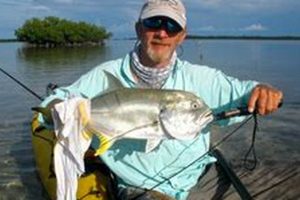
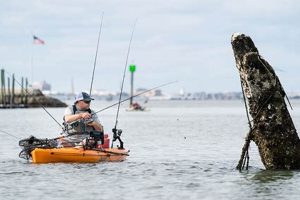
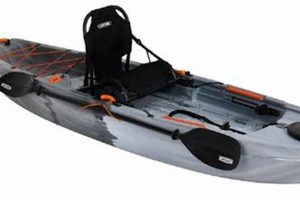
Competitive angling events held in Arizona, restricted to human-powered kayaks, offer participants the opportunity to test their skills against fellow anglers in pursuit of prized catches. These competitions typically involve specific rules and regulations, including designated fishing areas, target species, and permissible equipment. A hypothetical example might involve anglers competing for the largest bass caught within a designated section of Lake Pleasant, adhering to catch-and-release practices.
Such events contribute to the growth of the sport by fostering a sense of community among kayak anglers. They provide a platform for skill development and friendly competition, promoting ethical fishing practices and conservation awareness. Furthermore, these tournaments can stimulate local economies through tourism and related expenditures. The historical context likely stems from the broader popularity of bass fishing tournaments combined with the increasing accessibility and versatility of kayaks for angling.
This article will delve into various aspects of competitive kayak angling in Arizona, including popular tournament destinations, specific rules and regulations, recommended equipment, and strategies for success. It will also explore the broader impact of these events on the local ecosystem and the angling community as a whole.
Tips for Competitive Kayak Angling in Arizona
Success in competitive kayak angling requires careful preparation and strategic execution. The following tips offer guidance for enhancing performance and maximizing the chances of a successful tournament experience.
Tip 1: Pre-Fishing Scouting: Thoroughly research and explore potential tournament waters prior to the competition. Identifying key fish-holding structures and understanding prevailing water conditions provides a significant advantage. For instance, mapping submerged brush piles or drop-offs in a lake can save valuable time during the tournament.
Tip 2: Kayak Customization: Optimize kayak setup for efficiency and accessibility. Strategic placement of rod holders, tackle storage, and fish finders can streamline fishing processes and reduce wasted time. A well-organized kayak allows anglers to focus on fishing rather than equipment management.
Tip 3: Tackle Selection & Organization: Select lures and tackle appropriate for target species and anticipated conditions. Organize tackle boxes meticulously to ensure quick access to necessary equipment during the competition. Pre-rigging rods with various lure options can save valuable time on the water.
Tip 4: Efficient Time Management: Develop a time management strategy to maximize fishing time within designated tournament boundaries. Minimize time spent traveling between fishing spots and focus on areas with the highest probability of success.
Tip 5: Weather Awareness: Monitor weather forecasts closely and adapt strategies accordingly. Adjusting fishing techniques or target locations based on wind, temperature, or sunlight changes can significantly influence results.
Tip 6: Conservation Practices: Adhere to all catch-and-release guidelines and regulations to ensure the sustainability of fish populations. Proper handling and release techniques minimize stress on fish and contribute to the long-term health of the aquatic environment.
Tip 7: Respectful Competition: Maintain a respectful and sportsmanlike attitude throughout the tournament. Adhering to tournament rules and respecting fellow competitors contributes to a positive and enjoyable experience for all participants.
By implementing these strategies, anglers can improve their competitive edge, maximize their enjoyment of the tournament, and contribute to the ethical and sustainable practice of kayak angling.
The following section will conclude this exploration of competitive kayak angling in Arizona, offering final thoughts and resources for aspiring tournament participants.
1. Competition

The competitive element inherent in kayak fishing tournaments held in Arizona significantly shapes the nature of these events. It drives participants to refine techniques, strategize approaches, and ultimately, test their angling skills against fellow competitors. Understanding the various facets of competition within this context is crucial for appreciating the dynamics of these tournaments.
- Skill Assessment:
Tournaments provide a structured environment for anglers to objectively assess their skills. Performance is measured against other participants under consistent rules and conditions. For example, an angler’s ability to locate and land target species efficiently within the allotted time demonstrates proficiency. This direct comparison allows individuals to identify strengths and weaknesses, motivating improvement and contributing to overall skill development.
- Strategic Decision-Making:
Competitive angling demands strategic thinking. Participants must consider factors such as location selection, lure choice, and time management to maximize their chances of success. Choosing to focus on a specific area of a lake known for larger fish, even if it requires more travel time, exemplifies a strategic decision. These choices often differentiate top performers from the rest of the field.
- Pressure and Performance:
The inherent pressure of competition can influence angler performance. Time constraints, the presence of other competitors, and the desire to succeed can create a challenging environment. Some anglers thrive under pressure, while others may experience performance anxiety. Managing these psychological factors becomes a crucial element of competitive angling.
- Sportsmanship and Ethical Conduct:
While competition drives anglers to excel, maintaining ethical conduct and sportsmanship remains paramount. Adhering to tournament rules, respecting fellow competitors, and practicing conservation principles are essential for preserving the integrity of the sport. Reporting accurate catch data and assisting fellow anglers in need exemplifies sportsmanship. These values contribute to a positive and sustainable tournament environment.
These interconnected facets of competition contribute significantly to the overall experience of kayak fishing tournaments in Arizona. They shape individual performance, influence angler behavior, and ultimately define the spirit of these events. The pursuit of excellence, combined with ethical conduct and respect for fellow anglers, establishes a dynamic and rewarding competitive landscape.
2. Kayaks

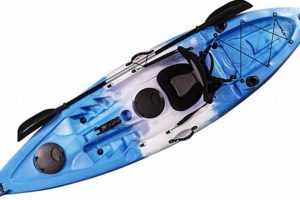
Kayaks serve as the foundational platform for competitive kayak angling in Arizona. Their specialized design and features significantly influence angler performance and overall tournament experience. Understanding the role and importance of kayaks in these competitions is crucial for appreciating the nuances of this specialized sport. The following facets explore the critical connection between kayaks and competitive kayak fishing in Arizona.
- Stability and Maneuverability:
Kayak stability directly impacts an angler’s ability to cast, retrieve, and land fish effectively, particularly in challenging conditions. A stable platform enables anglers to confidently stand and cast, while maneuverability facilitates quick adjustments in position to pursue target species. A wider, flatter-bottomed kayak offers superior stability for fishing in open water, while a shorter, more agile kayak provides enhanced maneuverability in tight spaces, such as navigating through reeds or along a rocky shoreline during an Arizona tournament.
- Customization and Features:
Modern fishing kayaks offer a range of customizable features designed to enhance angling performance. Rod holders, tackle storage compartments, and integrated fish finders streamline the fishing process, allowing anglers to focus on technique and strategy. For example, mounting a GPS unit and fish finder to the kayak console provides crucial real-time information about location and underwater structures, optimizing fishing efficiency during a competition on Lake Powell. Customizable seating configurations further enhance comfort and endurance, crucial factors in day-long tournaments.
- Propulsion Systems:
Kayak propulsion systems, whether paddle-powered or pedal-driven, influence speed and efficiency on the water. Paddle kayaks offer a traditional approach, relying on upper body strength and technique, while pedal-driven kayaks allow anglers to cover greater distances with less physical exertion, freeing up hands for fishing. In a tournament setting, a pedal-drive system might offer a competitive advantage by enabling quicker travel between fishing spots on a large lake like Roosevelt Lake, maximizing fishing time.
- Transportation and Portability:
Kayak portability impacts access to diverse fishing locations. Lightweight and easily transportable kayaks expand angling opportunities, allowing competitors to reach remote or less-accessible waters. A lightweight kayak that can be easily loaded onto a vehicles roof rack facilitates participation in tournaments held at various locations throughout Arizona, from the Colorado River to smaller, secluded lakes in the Tonto National Forest. This portability expands the range of competitive opportunities available to kayak anglers.
These facets underscore the integral role kayaks play in shaping the competitive landscape of kayak fishing tournaments in Arizona. The selection and customization of a kayak directly influence an angler’s performance, efficiency, and overall experience. By carefully considering these elements, anglers can optimize their approach and maximize their potential for success in these specialized competitions.
3. Fishing

Fishing forms the core activity of kayak fishing tournaments in Arizona. While the competitive element and the use of kayaks provide structure and context, the fundamental principles of angling remain central to these events. Understanding the various aspects of fishing within the context of these tournaments is crucial for appreciating the skills and knowledge required for success.
- Target Species Knowledge:
Success in kayak fishing tournaments often hinges on a deep understanding of target species behavior. Knowledge of preferred habitats, feeding patterns, and seasonal movements allows anglers to strategically select fishing locations and employ effective techniques. For example, understanding that largemouth bass in Arizona lakes often seek cooler, deeper water during the summer months can inform an angler’s choice of fishing spots and lure presentations during a tournament.
- Technique and Lure Selection:
Effective angling requires proficiency in various fishing techniques and the ability to select appropriate lures based on prevailing conditions and target species behavior. Mastery of techniques like flipping, pitching, and drop-shotting, combined with strategic lure choices, can significantly increase the chances of attracting and landing fish during a competition. Adapting lure presentations to mimic the movement of local prey, such as shad or crawfish, can further enhance fishing effectiveness.
- Equipment and Tackle Management:
Efficient management of fishing equipment and tackle is crucial in the time-constrained environment of a tournament. Organized tackle boxes, readily accessible rods, and a streamlined system for changing lures minimize wasted time and maximize fishing opportunities. Having a well-maintained and organized kayak setup allows anglers to quickly adapt to changing conditions or switch target species without losing valuable fishing time during a tournament.
- Catch-and-Release Practices:
Responsible catch-and-release practices are essential for preserving fish populations and ensuring the sustainability of the sport. Proper handling techniques, minimizing air exposure, and using appropriate hooks contribute to fish survival after release. Adhering to tournament-specific catch-and-release guidelines is not only ethically sound but also crucial for the long-term health of Arizona’s fisheries. Employing techniques like using barbless hooks or wetting hands before handling fish minimizes stress and injury, promoting healthy fish populations.
These interconnected aspects of fishing underscore the skill and knowledge required for successful participation in kayak fishing tournaments in Arizona. While the competitive format and the use of kayaks provide a unique framework, the fundamental principles of angling remain paramount. Mastery of these elements, combined with strategic thinking and adaptability, ultimately determines success in these demanding yet rewarding events.
4. Arizona Locations
The diverse aquatic landscapes of Arizona play a crucial role in shaping the character and appeal of kayak fishing tournaments. The selection of specific locations directly influences target species, fishing techniques, and the overall tournament experience. Understanding the relationship between location and tournament dynamics is essential for both participants and organizers. Factors such as water body size, depth, vegetation, and fish populations contribute to the unique challenges and opportunities presented by each venue. For instance, a tournament held on the expansive waters of Lake Powell requires different strategies and equipment compared to a competition on the more intimate setting of the Verde River. The former might favor anglers with powerful, long-distance kayaks equipped for trolling or deep-water fishing, while the latter rewards maneuverability and finesse for navigating shallows and targeting river-specific species. Similarly, the unique challenges of desert reservoirs with fluctuating water levels and sparse vegetation influence both angler strategy and kayak selection.
The choice of location also influences the logistical aspects of a tournament. Accessibility, parking availability, and proximity to amenities such as boat ramps and weigh-in stations are important considerations. Tournaments held at easily accessible locations with established infrastructure attract larger participation, while more remote venues offer a unique challenge and a closer connection to nature. Lake Pleasant, with its developed recreational facilities and proximity to major urban centers, offers logistical ease, while Canyon Lake, nestled within the rugged Superstition Mountains, presents a more demanding yet scenic experience. These logistical considerations directly impact participant experience and tournament organization.
The interplay between Arizona’s diverse aquatic environments and the specific demands of kayak fishing tournaments creates a dynamic and evolving landscape for competitive angling. Understanding the unique characteristics of each location, including fish populations, water conditions, and logistical considerations, is crucial for successful tournament planning and execution. This knowledge empowers anglers to tailor their strategies, optimize equipment choices, and ultimately enhance their competitive performance while respecting the ecological integrity of Arizonas valuable aquatic resources.
5. Regulations

Regulations governing kayak fishing tournaments in Arizona are essential for ensuring fair competition, promoting ethical angling practices, and conserving aquatic resources. These regulations, often established by the Arizona Game and Fish Department (AZGFD) and supplemented by tournament-specific rules, cover a range of aspects, from licensing requirements and size limits to permitted fishing methods and equipment restrictions. For example, state regulations dictate license requirements for anglers, establish size and bag limits for specific species like bass or trout, and define legal fishing methods, impacting how tournaments are structured and conducted. Tournament organizers may further stipulate specific rules regarding permitted lures, boundaries, or catch-and-release procedures. Understanding these regulations is crucial for both tournament participants and organizers.
Compliance with regulations ensures the sustainability of fish populations and protects the integrity of Arizona’s aquatic ecosystems. Adherence to size and bag limits prevents overfishing of specific species, while restrictions on certain fishing methods, such as the use of live bait in some areas, protect vulnerable populations or prevent the introduction of invasive species. For instance, regulations prohibiting the use of treble hooks in certain areas can minimize fish injury and improve catch-and-release survival rates, contributing to the long-term health of the fishery. Enforcement of these regulations, often through on-site checks by AZGFD officers or tournament officials, ensures compliance and maintains a level playing field for all competitors.
A comprehensive understanding of applicable regulations is crucial for successful and ethical participation in kayak fishing tournaments in Arizona. Anglers must familiarize themselves with both state-wide fishing regulations and tournament-specific rules to ensure compliance and avoid penalties. This knowledge not only facilitates fair competition but also contributes to the conservation of Arizona’s valuable aquatic resources. Resources such as the AZGFD website and official tournament rulebooks provide detailed information regarding regulations, ensuring transparency and promoting responsible angling practices within the competitive kayak fishing community. This commitment to regulatory compliance safeguards the future of the sport and preserves the ecological integrity of Arizona’s waters.
6. Prizes/Awards

Prizes and awards in kayak fishing tournaments held in Arizona serve as a significant motivational factor for participants and contribute to the overall prestige and competitiveness of these events. They recognize angler skill, reward dedication, and often incentivize participation. The structure and value of prize offerings vary significantly depending on tournament scale, sponsorship levels, and target species. Understanding the role and implications of prizes and awards within these tournaments is crucial for appreciating their influence on angler behavior and tournament dynamics.
- Types of Awards:
Prizes in kayak fishing tournaments typically fall into several categories. Recognition is often given for the largest fish caught within a specific species, overall weight totals for multiple catches, and sometimes even for unique catches, such as the smallest legal fish or a specific rare species. For example, a tournament might award prizes for the heaviest five bass, the largest individual crappie, and the overall combined weight of all eligible species caught. These varied categories provide opportunities for anglers specializing in different techniques or targeting specific species to excel.
- Prize Structures:
Prize structures vary widely, from cash payouts and sponsored merchandise to trophies, plaques, and bragging rights. Larger, well-sponsored tournaments might offer substantial cash prizes for top finishers, while smaller, local events may focus on merchandise or recognition within the local angling community. A tournament sponsored by a kayak manufacturer might award a new kayak as the grand prize, while a local fishing club’s competition might offer gift certificates to local tackle shops. The prize structure often reflects the scale and sponsorship level of the tournament.
- Impact on Participation and Competition:
The value and prestige of prizes significantly influence participation rates and the level of competition within a tournament. Larger prize pools attract a broader range of anglers, including highly skilled competitors seeking substantial rewards. This heightened competition pushes participants to refine their techniques, strategize meticulously, and invest in high-quality equipment. A tournament with a significant cash prize for first place will likely attract more experienced and competitive anglers, raising the overall skill level of the field.
- Ethical Considerations:
While prizes incentivize participation and reward skill, ethical considerations surrounding prize structures and competition remain important. Emphasis should always be placed on fair play, adherence to regulations, and conservation principles. Overemphasis on monetary rewards can potentially lead to unethical behavior, such as exceeding catch limits or manipulating fish weights. Tournament organizers must prioritize ethical conduct and sportsmanship to maintain the integrity of the competition and protect the health of the fishery. Promoting catch-and-release practices and disqualifying anglers for rule violations reinforces ethical behavior and reinforces the importance of conservation.
The system of prizes and awards within kayak fishing tournaments in Arizona serves a multifaceted purpose. It motivates anglers, fuels competition, and provides tangible recognition of skill and dedication. However, maintaining a balance between incentivizing participation and upholding ethical principles remains crucial for the long-term health and integrity of the sport. The careful design and implementation of prize structures, combined with a strong emphasis on sportsmanship and conservation, ensures that these tournaments remain a positive force within the angling community and contribute to the sustainability of Arizona’s fisheries.
7. Community
Kayak fishing tournaments in Arizona foster a strong sense of community among participants, extending beyond the competitive aspects of the events. These tournaments serve as focal points for anglers to connect, share knowledge, and build camaraderie. Shared experiences, such as navigating challenging water conditions or celebrating a successful catch, create bonds between competitors. This sense of community often transcends individual tournaments, leading to lasting friendships and collaborative partnerships within the broader kayak angling landscape. For example, participants frequently share tips and techniques, fostering a collaborative environment that enhances overall skill development within the community. Experienced anglers often mentor newcomers, sharing their knowledge of local waters, effective fishing strategies, and kayak customization techniques. This mentorship contributes to the growth and development of the sport, strengthening the bonds within the community.
The community aspect of these tournaments extends beyond interpersonal connections. Tournaments often partner with local businesses, such as tackle shops, kayak outfitters, and restaurants, generating economic activity within the host communities. Furthermore, many tournaments incorporate conservation initiatives, such as shoreline cleanups or fish habitat restoration projects, demonstrating a commitment to environmental stewardship. Participants collectively contribute to the preservation of Arizona’s waterways, fostering a sense of shared responsibility for the health of the ecosystem. For instance, a tournament held at Lake Bartlett might partner with a local conservation group to organize a post-tournament cleanup effort, removing debris and promoting environmental awareness among participants and the wider community. These collective efforts strengthen the connection between the angling community and the natural environment.
The sense of community nurtured by kayak fishing tournaments contributes significantly to the overall health and vibrancy of the sport in Arizona. It fosters camaraderie, promotes skill development, supports local economies, and encourages environmental stewardship. Recognizing and strengthening this community aspect is essential for ensuring the continued growth and positive impact of kayak fishing tournaments. Challenges such as maintaining inclusivity and addressing potential conflicts within the community require ongoing attention. By fostering open communication, promoting respectful interactions, and prioritizing shared values, the kayak angling community in Arizona can continue to thrive, enriching the lives of its members and contributing positively to the environment.
Frequently Asked Questions
This section addresses common inquiries regarding competitive kayak angling in Arizona, providing concise and informative responses.
Question 1: What are the typical entry fees for kayak fishing tournaments in Arizona?
Entry fees vary considerably, ranging from approximately $50 for smaller, local events to upwards of $250 or more for larger, multi-day tournaments with substantial prize purses. Factors influencing cost include tournament scale, location, and included amenities.
Question 2: Are there specific licensing requirements for participating in these tournaments?
A valid Arizona fishing license is mandatory for all tournament participants. Specific requirements and exemptions can be found on the Arizona Game and Fish Department website. Possession of a valid license is typically verified during tournament registration or on-site inspections.
Question 3: What types of kayaks are most suitable for competitive fishing in Arizona waters?
Kayak selection depends on individual preferences and target fishing locations. Stable, sit-on-top kayaks are generally preferred for their ease of use and stability when casting and landing fish. Features like rod holders, ample storage, and pedal-drive systems can enhance competitive performance.
Question 4: How are fish typically measured and weighed during tournaments?
Most tournaments employ a catch, photograph, and release format. Anglers photograph their catches alongside a measuring device, submitting the images for official measurement and scoring. This method minimizes fish handling and stress, promoting conservation. Some events utilize live weigh-ins with immediate release following official measurements.
Question 5: What are the common target species in Arizona kayak fishing tournaments?
Largemouth bass frequently serve as the primary target species, but tournaments may also focus on other species such as crappie, catfish, or trout, depending on the specific water body and time of year. Tournament regulations typically specify eligible species and any applicable size or bag limits.
Question 6: Are there opportunities for novice or beginner anglers to participate in these events?
Many tournaments welcome anglers of all skill levels. Smaller, local events often provide a supportive environment for novice participants. Checking tournament websites or contacting organizers directly can provide information on specific skill-level recommendations or designated beginner divisions.
Addressing these frequently asked questions provides a clearer understanding of the key aspects of kayak fishing tournaments in Arizona. Further inquiries may be directed to tournament organizers or the Arizona Game and Fish Department.
This concludes the informational overview of kayak fishing tournaments in Arizona. Readers are encouraged to explore related resources and consider participating in these dynamic and rewarding events.
Kayak Fishing Tournaments Arizona
This exploration of kayak fishing tournaments in Arizona has highlighted the multifaceted nature of these events. From the specialized equipment and techniques employed to the regulatory frameworks and conservation considerations, the analysis has provided a comprehensive overview of the sport’s competitive landscape. The examination of various tournament locations throughout the state, coupled with insights into the importance of skill development, strategic decision-making, and community engagement, underscores the dynamic and evolving nature of competitive kayak angling.
Kayak fishing tournaments represent a significant and growing segment of the angling community in Arizona. The continued growth and success of these events hinge upon the collective commitment to ethical practices, conservation principles, and the fostering of a supportive and inclusive community. Active participation, responsible angling, and ongoing dialogue within the community will ensure the enduring vitality of kayak fishing tournaments in Arizona, preserving both the sport and the ecological integrity of the state’s valuable aquatic resources.