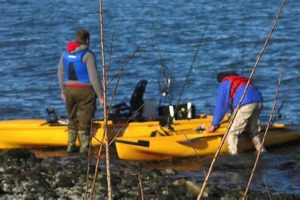
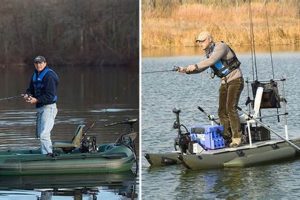
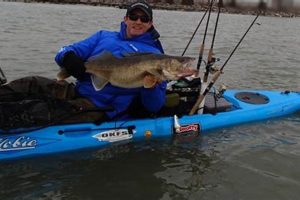
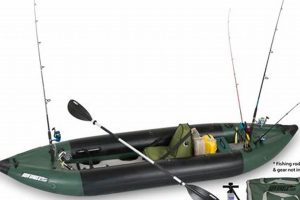
Coverage designed specifically for competitive kayak anglers offers financial protection against a range of potential risks. These policies can safeguard participants from liabilities associated with accidents, property damage, and even bodily injuries that might occur during a tournament. For instance, if a competitor’s kayak collides with another vessel, causing damage, this specialized insurance could cover the repair costs. Similarly, if a participant requires medical attention after an unforeseen event, the policy might help defray those expenses.
Such protection is crucial given the inherent risks of competitive angling from kayaks. The dynamic environment of a tournament, coupled with the potential for adverse weather conditions, can elevate the likelihood of incidents. Historically, anglers often bore the full financial burden of accidents and related costs, which could be substantial. Specific policies for kayak fishing tournaments provide a vital safety net, allowing participants to focus on the competition without the constant worry of potential financial setbacks. This fosters a more secure and enjoyable experience for all involved.
The following sections will delve into specific aspects of this crucial coverage, exploring the various types of policies available, the factors influencing premium costs, and the steps involved in obtaining appropriate protection for competitive kayak angling.
Tips for Obtaining and Utilizing Kayak Fishing Tournament Insurance
Careful consideration of several factors can ensure appropriate and cost-effective coverage for competitive kayak anglers. The following tips offer guidance for navigating the process of securing and utilizing specialized insurance policies.
Tip 1: Understand Coverage Needs: Assess potential risks based on tournament locations, typical weather conditions, and personal equipment value. This assessment will inform decisions regarding liability limits and coverage types.
Tip 2: Compare Policy Options: Different insurers offer varying levels of coverage and premium costs. Comparing policies allows anglers to select the most suitable option based on individual needs and budget.
Tip 3: Verify Tournament Requirements: Some tournaments mandate specific insurance coverage for participation. Confirming these requirements in advance helps ensure compliance and avoids potential disqualification.
Tip 4: Document Equipment and Valuables: Maintaining a detailed inventory of equipment, including photographs and receipts, can expedite the claims process in case of loss or damage.
Tip 5: Review Policy Exclusions: Carefully examine policy exclusions to understand limitations on coverage. This awareness helps manage expectations and avoid surprises during a claim.
Tip 6: Understand Claim Procedures: Familiarize oneself with the claims process, including required documentation and reporting timelines, ensures a smooth and efficient experience in the event of an incident.
Tip 7: Consider Additional Coverage: Explore supplemental policies, such as medical evacuation coverage or on-water towing insurance, to address specific risks not covered under standard tournament policies.
By following these recommendations, competitive kayak anglers can obtain appropriate protection, mitigate potential financial risks, and enjoy a more secure and focused tournament experience.
The insights provided in this article aim to equip anglers with the knowledge necessary to make informed decisions about specialized insurance for competitive kayak fishing. Careful planning and policy selection contribute significantly to a positive and worry-free tournament environment.
1. Liability Coverage

Liability coverage forms a cornerstone of comprehensive kayak fishing tournament insurance. It protects participants from financial repercussions stemming from accidental damage or injury to others during a competition. Understanding the scope and implications of this coverage is crucial for informed policy selection and a secure tournament experience.
- Collision Damage:
Collisions between kayaks, motorized boats, or stationary objects like docks are common tournament incidents. Liability coverage addresses the costs of repairing or replacing damaged property belonging to other parties involved. For example, if a competitor accidentally rams another angler’s kayak, causing significant damage, liability coverage would typically cover the repair expenses for the affected vessel.
- Bodily Injury:
Competitive fishing environments can present risks of bodily injury to other participants or spectators. If a competitor’s actions inadvertently lead to someone else’s injury, liability coverage can help defray medical expenses, legal fees, and potential settlements. For instance, if a cast line accidentally hooks another participant, resulting in a medical emergency, the injured party’s medical costs could be covered under the liable angler’s policy.
- Property Damage (Non-Vessel):
Liability coverage extends beyond vessel damage. It can also apply to damage to other property, such as fishing gear, personal belongings, or even structures near the water. If a competitor loses control of their kayak and damages a dock, liability coverage could help cover the repair costs for the dock owner.
- Legal Defense Costs:
In the event of a lawsuit arising from a tournament incident, liability coverage typically includes provisions for legal defense costs. This protection ensures access to legal representation without incurring substantial out-of-pocket expenses, regardless of the lawsuit’s outcome. For example, if a competitor is sued for negligence following a collision, their liability coverage would typically assist with legal representation and associated costs.
Adequate liability coverage provides essential financial protection for competitive kayak anglers, mitigating the potential for significant financial burdens arising from unforeseen accidents. Selecting appropriate coverage limits and understanding policy terms ensures comprehensive protection and peace of mind during tournament participation.
2. Property Protection

Property protection within kayak fishing tournament insurance safeguards the angler’s own equipment against damage, loss, or theft. Given the significant investment often represented by kayaks, rods, reels, and other specialized gear, this coverage is essential for mitigating potential financial setbacks. Understanding its scope ensures competitors can participate with peace of mind, knowing their equipment is protected.
- Kayak Coverage:
Kayaks, often customized and equipped with specialized features, constitute a significant investment for competitive anglers. Property protection within tournament insurance can cover damages resulting from collisions, sinking, or other unforeseen events. Coverage may extend to repairs or replacement, depending on the policy and extent of the damage. A damaged hull, for example, could be repaired or replaced under this coverage.
- Fishing Gear Protection:
Rods, reels, tackle boxes, and electronic devices are crucial for competitive fishing. Property protection typically covers these items against damage or loss due to accidents, theft, or natural events. For instance, rods damaged during transport or electronics lost overboard could be covered under this provision. The specific items covered and the extent of coverage may vary depending on the policy.
- Personal Belongings Coverage:
While the primary focus is on fishing equipment, some policies extend to personal belongings brought to the tournament, such as cameras, phones, or clothing. Coverage might apply to theft from the kayak or damage caused by weather events. For example, a camera damaged by water spray could be covered, depending on the policy’s terms.
- Coverage Limits and Deductibles:
Policies typically specify coverage limits and deductibles. The coverage limit represents the maximum payout for a covered claim, while the deductible is the amount the policyholder pays out-of-pocket before coverage applies. Understanding these parameters is crucial for selecting appropriate coverage levels and managing expectations in the event of a claim.
Comprehensive property protection within kayak fishing tournament insurance is essential for mitigating the financial risks associated with equipment damage or loss. Careful consideration of coverage limits, deductibles, and specific items covered ensures adequate protection and allows anglers to focus on the competition without the added concern of potential financial burdens.
3. Medical Expenses
Medical expense coverage within kayak fishing tournament insurance is paramount, addressing potential injuries sustained during competition. The physically demanding nature of the sport, coupled with the inherent risks of the aquatic environment, necessitates financial protection against unforeseen medical costs. Understanding the scope of this coverage allows informed decision-making and ensures a secure tournament experience.
- On-Water Injuries:
Injuries sustained during competition, such as lacerations from hooks, sprains from slips and falls, or fractures from collisions, can necessitate immediate medical attention. Medical expense coverage can defray costs associated with emergency treatment, hospitalization, and follow-up care. For example, a deep laceration requiring stitches might be covered under this provision.
- Environmental Hazards:
Exposure to the elements presents unique medical risks, including hypothermia, heatstroke, or severe sunburn. Medical coverage can address treatment costs associated with these conditions. For instance, hospitalization due to severe hypothermia could be covered, mitigating potentially substantial financial burdens.
- Pre-Existing Condition Complications:
The physical exertion of tournament fishing can exacerbate pre-existing medical conditions. While policies may have specific exclusions, some coverage might be available for complications directly arising from tournament activities. For instance, a pre-existing back condition aggravated by strenuous paddling could be partially covered, depending on the policy’s terms and conditions.
- Evacuation and Transportation:
In remote tournament locations, medical evacuation might be necessary. Specialized insurance can cover costs associated with airlifts or emergency transportation to medical facilities. This provision is particularly crucial in areas with limited access to immediate medical care.
Comprehensive medical expense coverage within kayak fishing tournament insurance provides a crucial safety net, ensuring access to necessary medical care without the added burden of substantial out-of-pocket expenses. Careful policy review and consideration of potential risks allow anglers to select appropriate coverage and participate with confidence, knowing their health and financial well-being are protected.
4. Tournament Requirements
Tournament requirements often mandate specific insurance coverage as a prerequisite for participation. This stipulation safeguards both participants and organizers, ensuring a baseline level of financial protection in case of accidents or unforeseen events. Understanding these requirements is essential for competitive kayak anglers seeking to participate in organized tournaments.
- Liability Coverage Mandates:
Many tournaments require participants to carry minimum liability insurance coverage. This mandate protects against financial repercussions from damage to other vessels or property, or bodily injury to other participants. A common requirement might be a minimum of $300,000 in liability coverage. This ensures that individuals involved in accidents have access to compensation for damages or medical expenses.
- Proof of Insurance Submission:
Tournament organizers typically require participants to provide proof of insurance prior to competition. This documentation, often in the form of a valid insurance certificate, verifies that the angler meets the tournament’s minimum coverage requirements. Failure to provide proof of insurance can result in disqualification from the event, highlighting the importance of securing appropriate coverage and documentation in advance.
- Waiver and Release Forms:
Alongside insurance requirements, tournaments frequently mandate the signing of waiver and release forms. These documents acknowledge the inherent risks associated with competitive kayak fishing and release the tournament organizers from liability in certain circumstances. While waivers do not negate the importance of insurance, they serve to further protect the organizers from legal action in case of incidents.
- Specific Coverage Stipulations:
Some tournaments may have specific coverage stipulations beyond general liability, such as requiring coverage for on-water towing or medical evacuation, especially in remote locations. These additional requirements reflect the specific risks associated with the tournament environment and ensure participants have adequate protection for potential scenarios. Adhering to these stipulations is crucial for compliance and participation.
Compliance with tournament-specific insurance requirements is crucial for participation in competitive kayak fishing events. Understanding these stipulations, obtaining appropriate coverage, and providing necessary documentation ensures eligibility and contributes to a safer and more secure environment for all participants. Careful attention to these requirements allows anglers to focus on the competition, knowing they meet the necessary safety and financial protection standards.
5. Policy Exclusions

Policy exclusions represent crucial aspects of kayak fishing tournament insurance, outlining specific circumstances or events not covered under the policy. Careful examination of these exclusions is essential for informed policy selection and realistic expectation management. Failure to understand exclusions can lead to unexpected financial burdens in the event of a claim.
Common exclusions might include damage caused by intentional acts, participation in unsanctioned events, or the use of unapproved equipment. For instance, damage resulting from deliberately ramming another kayak would likely be excluded. Similarly, participation in a tournament not officially recognized by the insuring body might void coverage. Using a heavily modified kayak that does not adhere to safety standards could also lead to claim denial. Understanding these exclusions allows anglers to make informed decisions about participation and equipment choices.
Furthermore, exclusions can relate to specific environmental conditions or locations. Damage caused by navigating in restricted areas or during severe weather warnings, despite official tournament continuation, might not be covered. For example, if a kayak is damaged while venturing into a clearly marked hazardous zone during a tournament, the policy might exclude coverage for the resulting damage. Similarly, damage incurred during a tournament that proceeds despite a severe weather warning, even if officially sanctioned, could fall under policy exclusions. Careful consideration of these factors emphasizes the importance of reviewing policy details and assessing potential risks associated with specific tournament locations and conditions.
Thorough understanding of policy exclusions is critical for managing expectations and making informed decisions regarding kayak fishing tournament insurance. Careful review of these exclusions prior to policy purchase allows anglers to identify potential gaps in coverage and seek supplemental insurance if necessary. This proactive approach mitigates the risk of unexpected financial burdens and ensures comprehensive protection aligned with individual needs and tournament participation plans.
6. Premium Costs

Premium costs for kayak fishing tournament insurance are influenced by a variety of factors, reflecting the assessed risk undertaken by the insurer. Understanding these factors allows anglers to anticipate potential costs and make informed decisions regarding coverage options. Geographical location plays a significant role, as areas prone to severe weather or higher rates of accidents typically command higher premiums. The value of insured equipment also directly impacts cost; insuring a high-end, customized kayak with specialized electronics will result in a higher premium compared to insuring a basic model. An angler with a history of claims might also face higher premiums due to increased perceived risk.
The type and extent of coverage selected further influence premium costs. Opting for higher liability limits or adding optional coverage, such as on-water towing or medical evacuation, increases the premium. For instance, an angler seeking $1 million in liability coverage will pay a higher premium than one opting for the minimum $300,000 coverage. Similarly, adding property protection for expensive fishing gear increases the overall cost. Deductible choices also factor into premium calculations; opting for a higher deductible typically lowers the premium, but increases the out-of-pocket expense in the event of a claim. A $500 deductible will typically result in a lower premium than a $100 deductible, but requires a higher personal contribution if a claim arises. Evaluating individual risk tolerance and financial capacity is crucial for balancing premium costs and coverage adequacy.
Careful consideration of these factors allows anglers to effectively navigate premium costs associated with kayak fishing tournament insurance. Comparing quotes from multiple insurers, understanding coverage options, and assessing personal risk profiles facilitate informed decisions. This proactive approach ensures cost-effective coverage aligned with individual needs and tournament participation plans, mitigating potential financial burdens while providing adequate protection.
7. Claims Procedures

Claims procedures represent a critical component of kayak fishing tournament insurance, outlining the necessary steps to initiate and resolve a claim for covered incidents. Understanding these procedures is paramount for policyholders to ensure efficient processing and timely reimbursement in the event of an accident, equipment damage, or other covered events during a tournament. Navigating these procedures effectively can significantly mitigate potential financial burdens and expedite the recovery process.
- Immediate Incident Reporting:
Many policies mandate immediate reporting of incidents to both tournament officials and the insurance provider. This prompt notification, often within a specified timeframe, initiates the claims process and allows for timely investigation. For instance, a collision with another kayak resulting in property damage should be reported immediately to tournament organizers and documented with the insurer, ensuring accurate record-keeping and facilitating subsequent claims assessment.
- Documentation and Evidence Collection:
Comprehensive documentation is crucial for substantiating a claim. This includes photographs of the damage, witness statements, police reports (if applicable), and any other relevant evidence. For example, photographs of a damaged kayak hull, along with statements from witnesses who observed the collision, strengthen the claim and support the assessment of damages. Detailed records of equipment value, including purchase receipts and repair estimates, further expedite the claims process.
- Claims Forms and Submission:
Insurers typically require completion of specific claims forms, providing detailed information about the incident, damages incurred, and supporting documentation. Accurate and thorough completion of these forms is crucial for efficient processing. Incomplete or inaccurate information can lead to delays or claim denial. Submitting all required documentation, including the completed claims form, photographs, and witness statements, ensures a smooth and efficient claims process.
- Communication with the Insurer:
Maintaining consistent communication with the insurance provider throughout the claims process is essential. Responding promptly to inquiries, providing additional information as needed, and following up on the claim’s status ensures timely resolution. Proactive communication facilitates a smoother claims experience and minimizes potential delays in processing and reimbursement.
Effective navigation of claims procedures is fundamental to realizing the benefits of kayak fishing tournament insurance. Understanding policy-specific requirements, adhering to reporting timelines, and providing comprehensive documentation ensures efficient processing and facilitates timely reimbursement. This proactive approach minimizes potential financial strain following covered incidents and allows anglers to focus on recovery and returning to competition.
Frequently Asked Questions
This section addresses common inquiries regarding specialized insurance for competitive kayak angling.
Question 1: Is specialized insurance necessary for kayak fishing tournaments?
While not always mandatory, specialized insurance is strongly recommended. Standard homeowner’s or renter’s insurance policies may not adequately cover the specific risks associated with competitive kayak fishing. Tournament-specific policies offer tailored coverage for potential liabilities, equipment damage, and medical expenses.
Question 2: What are the typical coverage options available under these policies?
Policies typically offer liability coverage for property damage and bodily injury to third parties, property protection for the angler’s own equipment, and coverage for medical expenses. Optional coverage, such as on-water towing and medical evacuation, may also be available.
Question 3: How are premium costs determined for kayak fishing tournament insurance?
Several factors influence premium calculations, including geographical location, the value of insured equipment, coverage limits, deductibles, and claims history. Comparing quotes from multiple insurers is advisable to determine the most cost-effective option.
Question 4: What are common exclusions found in these insurance policies?
Policies often exclude coverage for damage caused by intentional acts, participation in unsanctioned events, use of unapproved equipment, or incidents occurring in restricted areas. Carefully reviewing policy exclusions is crucial for understanding coverage limitations.
Question 5: What steps should be taken in the event of a claim during a tournament?
Immediately report the incident to tournament officials and the insurance provider. Gather supporting documentation, such as photographs, witness statements, and police reports, if applicable. Complete the required claims forms accurately and thoroughly, and maintain communication with the insurer throughout the process.
Question 6: Where can one obtain kayak fishing tournament insurance?
Specialized policies can be obtained through insurance providers specializing in outdoor recreational activities or through some angling associations. Comparing quotes and policy terms from different insurers is recommended to identify the most appropriate and cost-effective option.
Careful consideration of these frequently asked questions equips anglers with the knowledge necessary to make informed decisions about insurance coverage for competitive kayak fishing. Securing appropriate protection ensures a more secure and focused tournament experience.
For further information and resources regarding kayak fishing tournament insurance, consult with qualified insurance professionals or refer to relevant angling association guidelines.
Kayak Fishing Tournament Insurance
This exploration of kayak fishing tournament insurance has highlighted its crucial role in mitigating financial risks inherent in competitive angling. Key aspects discussed include liability coverage for third-party damages, property protection for personal equipment, and medical expense coverage for injuries sustained during competition. Tournament-specific requirements, policy exclusions impacting coverage scope, and factors influencing premium costs were also examined. Understanding claims procedures ensures efficient processing and timely reimbursement in the event of covered incidents.
Comprehensive insurance coverage empowers competitive kayak anglers to focus on the sport, minimizing financial concerns stemming from unforeseen events. Thorough policy review, comparison shopping among reputable providers, and careful consideration of individual needs are essential steps in securing adequate protection. This proactive approach fosters a safer and more secure tournament environment for all participants, promoting responsible angling practices and long-term sustainability within the sport.