The Texas coast offers a unique and rewarding angling experience from the seat of a kayak. This method combines the tranquility of paddling with the excitement of fishing, allowing access to shallow-water areas often unreachable by larger vessels. It provides anglers an intimate connection with the natural environment, from the quiet estuaries teeming with life to the open waters of the Gulf of Mexico. For example, navigating the shallow flats and winding channels of the Laguna Madre allows anglers to target species like redfish and speckled trout.
This style of fishing presents numerous advantages. The smaller profile of a kayak allows for stealthy approaches to fish, particularly in clear, shallow waters. Its maneuverability proves invaluable in navigating complex waterways and accessing secluded fishing spots. Historically, smaller watercraft have been essential tools for fishing in this region, reflecting both practical needs and cultural traditions. Modern kayak fishing builds upon this legacy, combining time-tested techniques with contemporary technology and equipment.
This method’s growing popularity reflects its accessibility and the diverse range of fishing opportunities it provides. The following sections will explore key aspects of this pursuit, including suitable kayak selection, essential gear, popular target species, recommended locations along the Texas coast, and necessary safety precautions.
Tips for Kayak Fishing the Texas Coast
Successful kayak fishing along the Texas coast requires careful planning and preparation. The following tips offer guidance for a safe and productive experience.
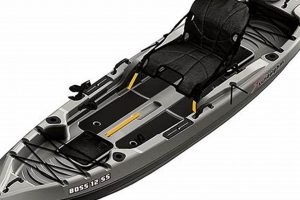
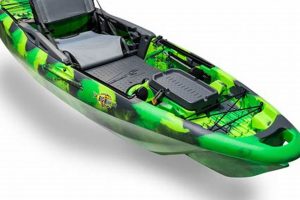
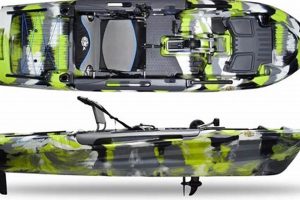
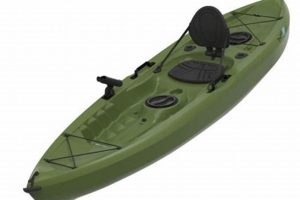
Tip 1: Choose the Right Kayak: Kayak selection depends on intended fishing locations and personal preferences. Longer kayaks offer speed and tracking for open water, while shorter, wider models provide stability in calmer bays and estuaries. Sit-on-top kayaks are generally preferred for fishing due to their self-bailing design and ease of re-entry.
Tip 2: Essential Gear Checklist: A well-organized gear list ensures preparedness on the water. Essential items include a personal flotation device (PFD), paddle leash, appropriate fishing rods and reels, tackle box stocked with lures and bait suitable for target species, and a first-aid kit.
Tip 3: Understand Tidal Influences: Tides significantly impact fishing conditions along the coast. Consult tide charts before venturing out to identify optimal fishing times and navigate shallow areas safely. Incoming tides often bring baitfish closer to shore, attracting larger predatory species.
Tip 4: Weather Awareness is Crucial: Texas coastal weather can change rapidly. Check marine forecasts before each trip and remain vigilant for changing conditions while on the water. Wind, fog, and storms can create hazardous situations for kayakers.
Tip 5: Prioritize Safety: Safety should always be the primary concern. Inform someone of intended fishing locations and estimated return time. Carry a whistle or air horn for signaling, and consider a VHF radio for communication in emergencies. Navigation lights are essential for low-light conditions.
Tip 6: Respect the Environment: Practice responsible angling by adhering to catch and release guidelines, properly disposing of fishing line and other waste, and minimizing disturbance to wildlife and their habitats.
Tip 7: Learn Basic Kayak Handling: Practice basic paddling and maneuvering techniques before venturing into open water. Understanding how to control the kayak in various conditions enhances safety and fishing effectiveness.
By following these tips, anglers can enhance their chances of a successful and enjoyable kayak fishing experience along the Texas coast. Preparation and awareness contribute significantly to both safety and productivity on the water.
These preparations set the stage for a rewarding experience. The following section will explore some of the prime fishing locations accessible by kayak along the Texas coast.
1. Stable Kayak Platform

A stable kayak platform is paramount for successful kayak fishing along the Texas coast. The inherent instability of a kayak, compounded by the often-challenging conditions of coastal waters wind, waves, currents, and wakes from passing vessels necessitates a platform that permits anglers to focus on fishing rather than constantly maintaining balance. This stability directly influences casting accuracy, hooksets, and the ability to fight and land fish effectively. For example, the leverage required to set a hook when battling a strong redfish in the surf requires a stable base; without it, the angler risks capsizing. Moreover, a stable platform allows for safer handling of fishing gear and equipment in a dynamic environment.
Kayak stability is influenced by several factors, including hull design, width, length, and the angler’s weight distribution. Wider, shorter kayaks generally offer greater initial stability, making them suitable for calmer bays and estuaries. Longer, narrower kayaks, while less stable initially, provide better tracking and speed in open water. Understanding these design characteristics and their relationship to stability is crucial for selecting a kayak appropriate for specific fishing locations along the Texas coast. Adding specialized accessories, such as outriggers or stabilizers, can further enhance stability, particularly for anglers fishing in more challenging conditions offshore or in larger bodies of water.
The importance of a stable kayak platform extends beyond mere convenience; it is fundamental to safety. A stable kayak allows anglers to react effectively to unexpected situations, such as sudden changes in weather or encounters with marine life. It provides a secure platform for re-entry should a capsize occur. Ultimately, a stable kayak platform is an essential prerequisite for a safe and productive kayak fishing experience along the Texas coast, enabling anglers to fully engage with the sport and the environment while minimizing risks.
2. Appropriate Paddling Technique

Appropriate paddling technique is essential for successful kayak fishing along the Texas coast. Efficient paddling conserves energy, allowing anglers to cover greater distances and reach productive fishing areas without undue fatigue. This is particularly crucial in larger bays and open coastal waters where paddling distances can be significant. Moreover, proper technique minimizes noise and disturbance, crucial for approaching fish stealthily in shallow, clear water. For example, a noisy, erratic paddling style can spook wary redfish tailing in the shallows of the Laguna Madre. Conversely, a smooth, controlled paddle stroke allows anglers to approach quietly and present lures or bait effectively.
Several factors contribute to effective paddling technique. Paddle selection is key; a paddle of appropriate length and blade shape for the kayaker’s size and the type of kayak being used is essential for efficient power transfer. Body posture and core engagement are also critical. A straight back and engaged core muscles allow for a more powerful and less fatiguing stroke. Furthermore, understanding different paddle strokes, such as the forward stroke, reverse stroke, and sweep stroke, enables precise maneuvering in various conditions. The ability to execute these strokes effectively is crucial for navigating currents, wind, and waves, and for positioning the kayak optimally for casting and retrieving lures or bait. For instance, mastering the sweep stroke allows for quick turns and adjustments in position when sight-fishing for speckled trout along a grassy shoreline.
Mastery of appropriate paddling technique contributes significantly to both the effectiveness and enjoyment of kayak fishing along the Texas coast. It enables anglers to reach desired locations efficiently, approach fish stealthily, and maintain precise boat control in challenging conditions. This proficiency ultimately enhances angling success and promotes a safer and more rewarding experience on the water.
3. Effective Fishing Gear

Effective fishing gear is crucial for a successful kayak fishing experience along the Texas coast. The specific gear required depends on the target species and the fishing environment, ranging from the shallow flats of the Laguna Madre to the nearshore waters of the Gulf of Mexico. Appropriate gear selection enhances angling success and contributes to a more enjoyable and efficient outing. Choosing gear tailored to the kayak fishing environmentcompact, easily accessible, and saltwater-resistantis essential.
- Rods and Reels:
Shorter rods, typically 6-7 feet in length, are ideal for kayak fishing due to their maneuverability within the confines of the kayak. Spinning reels and baitcasting reels are popular choices, with spinning reels generally recommended for beginners. The reel size and line capacity should be appropriate for the target species. For example, a lighter setup might be suitable for speckled trout, while a heavier setup would be needed for larger species like redfish or sharks.
- Fishing Line and Leaders:
Braided fishing line is often preferred for its strength and sensitivity, allowing anglers to feel subtle bites and effectively set hooks. Fluorocarbon leaders are essential for their abrasion resistance and low visibility, especially in clear water. The leader strength should be matched to the target species and fishing conditions. Heavier leader is needed near structures like oyster beds or when targeting toothy fish.
- Lures and Bait:
Lure selection depends on the target species and fishing environment. Popular lures for Texas coastal fishing include topwater lures, soft plastics, and jigs. Live bait, such as shrimp and mullet, can also be highly effective. Understanding the feeding habits of target species is key to choosing the right lure or bait. Matching lure color and size to prevailing baitfish patterns often increases success.
- Tackle Storage and Organization:
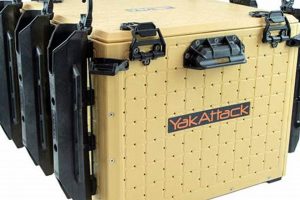
Efficient tackle storage is essential in a kayak. Tackle boxes designed for kayak fishing are typically compact and waterproof, keeping lures and terminal tackle organized and readily accessible. A well-organized tackle system minimizes time spent searching for gear, maximizing fishing time. This is particularly important in a dynamic environment where quick lure changes are often necessary to adapt to changing conditions.
Careful consideration of these gear choices significantly contributes to a productive and enjoyable kayak fishing experience along the Texas coast. Selecting appropriate gear enhances angling success by allowing anglers to effectively target desired species while maximizing efficiency and comfort on the water. Pairing the right gear with knowledge of local fishing regulations and best practices ensures a responsible and rewarding experience.
Coastal navigation skills are essential for safe and successful kayak fishing along the Texas coast. This environment presents unique navigational challenges, including shifting tides, strong currents, variable winds, and often-limited visibility. Proficient navigation ensures anglers can reach desired fishing locations, return safely, and respond effectively to changing conditions. These skills contribute significantly to both angling success and overall safety on the water.
- Chart Reading and Interpretation
Understanding nautical charts, including symbols, depths, and landmarks, is fundamental. Charts provide crucial information about navigable waterways, potential hazards, and the location of promising fishing areas. Knowing how to interpret chart data in conjunction with GPS coordinates allows anglers to plan routes, identify safe passageways, and pinpoint fishing spots with accuracy. For example, recognizing channel markers on a chart and then identifying them on the water is crucial for navigating complex bay systems safely.
- Tidal Current Awareness
Tidal currents can significantly impact kayak movement and fishing conditions. Understanding how tides influence current direction and speed is essential for planning efficient routes and avoiding hazardous situations. Knowing how to use tidal current predictions, available in tide tables and apps, allows anglers to optimize paddling efforts and predict fish movement. For instance, fishing near inlets or passes during an outgoing tide can concentrate baitfish and attract predatory species.
- GPS and Compass Use
While electronic navigation tools like GPS are invaluable, understanding basic compass use is crucial as a backup navigation method. GPS devices can malfunction, and batteries can fail, especially in demanding saltwater environments. A compass provides a reliable, self-contained means of maintaining course and orientation, particularly in conditions of limited visibility. Combining GPS with compass skills offers redundancy and enhances navigational safety.
- Weather Interpretation and Response
Texas coastal weather is dynamic and can change rapidly. Anglers must be able to interpret weather forecasts and recognize signs of changing conditions on the water. Knowing how to respond to deteriorating weather, including finding safe refuge or returning to shore promptly, is crucial for safety. For example, recognizing the signs of an approaching thunderstorm, such as darkening skies and shifting winds, allows anglers to seek shelter before conditions become hazardous.
Proficient coastal navigation skills are integral to successful kayak fishing along the Texas coast. They empower anglers to explore a diverse range of fishing locations while minimizing risks associated with the dynamic coastal environment. These skills, combined with appropriate safety precautions and responsible angling practices, enhance the overall fishing experience and contribute to a deeper appreciation of the coastal ecosystem.
5. Safety Precautions
Safety precautions are paramount for kayak fishing along the Texas coast. The coastal environment presents inherent risks, including unpredictable weather patterns, strong currents, and varying water conditions. Neglecting safety protocols can lead to serious consequences, ranging from minor injuries to life-threatening situations. A comprehensive understanding of these risks and the implementation of appropriate safety measures are crucial for mitigating potential hazards and ensuring a positive experience. For example, venturing out without checking the marine forecast can expose anglers to sudden squalls or rapidly deteriorating sea conditions, potentially leading to capsizing or stranding.
Several key safety precautions apply specifically to kayak fishing along the Texas coast. Wearing a personal flotation device (PFD) is non-negotiable. A PFD provides essential buoyancy in the event of a capsize, increasing the chances of survival. Carrying a whistle or air horn enables signaling for assistance in emergencies. A VHF radio provides direct communication with the Coast Guard and other boaters, crucial for summoning help in remote areas. Checking weather forecasts before embarking is essential, as conditions can change rapidly along the coast. Informing someone onshore of planned fishing locations and estimated return time is a critical safety measure, enabling timely assistance if needed. For instance, if an angler encounters engine trouble or becomes injured, having a designated contact person aware of their plans can be life-saving.
Understanding and adhering to safety precautions are integral components of responsible kayak fishing along the Texas coast. These measures minimize risks, enhance self-sufficiency on the water, and contribute to a safer and more enjoyable angling experience. Preparation, awareness, and adherence to established safety protocols are not merely recommendations but essential practices for anyone venturing onto the Texas coastal waters in a kayak. This proactive approach fosters a culture of safety and allows anglers to fully appreciate the rewards of this unique fishing experience while minimizing potential dangers.
6. Respectful Environmental Practices
Respectful environmental practices are integral to the sustainability of kayak fishing along the Texas coast. This delicate ecosystem supports a diverse range of marine life and provides crucial habitat for numerous species. Irresponsible angling practices can negatively impact this environment, jeopardizing its health and the long-term viability of the fishery. Discarded fishing line, for example, poses a significant entanglement threat to birds, turtles, and marine mammals. Improperly disposed of hooks and tackle can injure wildlife and pollute the water. Disturbing nesting sites or sensitive habitats disrupts breeding cycles and can lead to population decline. The cumulative effect of such actions, even seemingly minor, can degrade the overall health of the coastal ecosystem.
Kayak fishing, due to its close proximity to the water and shoreline, presents both unique opportunities and responsibilities for environmental stewardship. Anglers operating kayaks have a direct impact on the environment and must adopt practices that minimize this impact. Practicing catch and release fishing, using appropriate tackle and fishing methods, and adhering to established regulations are essential components of responsible kayak fishing. Minimizing the use of lead sinkers and weights helps prevent lead contamination in the water. Avoiding anchoring in seagrass beds protects these vital habitats, which serve as nurseries for many fish species. Retrieving lost fishing line and properly disposing of all trash preserves water quality and minimizes entanglement hazards. Participating in organized coastal cleanup efforts further demonstrates a commitment to environmental responsibility. For instance, removing discarded plastic bags and bottles from the water prevents these items from being ingested by marine animals, reducing the risk of injury or death.
The long-term health of the Texas coastal ecosystem and the continued enjoyment of kayak fishing depend on the adoption and consistent implementation of respectful environmental practices. Understanding the interconnectedness of the coastal environment and the potential impacts of human activities is essential for responsible angling. By embracing sustainable practices, kayak anglers contribute to the preservation of this valuable resource, ensuring its health and productivity for future generations. This commitment to environmental stewardship safeguards not only the natural environment but also the future of the sport itself. Challenges remain, including raising awareness among anglers and promoting widespread adoption of best practices. However, through continued education, collaboration among stakeholders, and a collective commitment to responsible angling, the sustainability of kayak fishing along the Texas coast can be ensured.
Frequently Asked Questions
This section addresses common inquiries regarding kayak fishing along the Texas coast, providing concise and informative responses to assist anglers in planning and executing safe and productive fishing trips.
Question 1: What type of kayak is best suited for fishing the Texas coast?
Kayak selection depends on intended fishing locations and angler experience. Sit-on-top kayaks are generally preferred for their stability and self-bailing design. Longer kayaks are better suited for open water and paddling longer distances, while shorter, wider kayaks offer greater stability in calmer bays and estuaries.
Question 2: What essential safety gear is required for kayak fishing?
Essential safety gear includes a properly fitted personal flotation device (PFD), a whistle or air horn, a paddle leash, and a first-aid kit. A VHF radio and navigation lights are highly recommended, particularly for fishing in open water or low-light conditions.
Question 3: Are there specific regulations for kayak fishing in Texas?
Texas Parks and Wildlife Department regulations apply to all anglers, including those fishing from kayaks. A valid Texas fishing license is required, and all size and bag limits for target species must be observed. Specific regulations may apply to certain areas, so checking local rules before fishing is essential.
Question 4: Where are some recommended kayak fishing locations along the Texas coast?
Popular kayak fishing destinations along the Texas coast include the Laguna Madre, Galveston Bay, Matagorda Bay, and the numerous bays and estuaries surrounding Corpus Christi and Rockport. Each area offers unique fishing opportunities and varying levels of difficulty for kayakers. Researching specific locations beforehand and consulting local fishing reports can enhance trip planning.
Question 5: What are the primary target species for kayak anglers in Texas?
Target species vary depending on location and season but often include redfish, speckled trout, flounder, black drum, and various inshore shark species. Understanding the habits and habitats of target species increases the likelihood of a successful fishing trip.
Question 6: How does tidal flow affect kayak fishing along the coast?
Tides significantly influence fishing conditions. Incoming tides often bring baitfish closer to shore, attracting larger predator species. Outgoing tides can concentrate fish in channels and near inlets. Consulting tide charts and understanding tidal flow is crucial for planning fishing trips and navigating shallow areas safely.
Understanding these key aspects of kayak fishing along the Texas coast prepares anglers for a safer and more rewarding experience. Thorough planning, adherence to safety regulations, and respect for the environment ensure the sustainability of this unique angling pursuit.
The next section offers a comprehensive guide to selecting the best kayak for fishing the Texas coast, considering factors such as hull design, stability, and storage capacity.
Kayak Fishing Texas Coast
Kayak fishing along the Texas coast offers a unique blend of angling challenge and environmental immersion. This pursuit requires careful consideration of several key elements: stable kayak selection, appropriate paddling techniques, effective fishing gear choices, coastal navigation skills, stringent safety precautions, and respectful environmental practices. Each component contributes significantly to both angling success and the long-term sustainability of this activity. From the tranquil estuaries to the open Gulf waters, the Texas coast presents diverse fishing opportunities accessible by kayak. However, maximizing these opportunities requires preparation, knowledge, and a commitment to responsible angling.
The future of kayak fishing along the Texas coast rests on the continued adoption of sustainable practices and a collective commitment to environmental stewardship. As this activity grows in popularity, responsible angling practices become increasingly vital for preserving the health and productivity of this valuable ecosystem. Through informed decision-making, respect for natural resources, and a shared commitment to conservation, the unique experience of kayak fishing along the Texas coast can be enjoyed for generations to come.