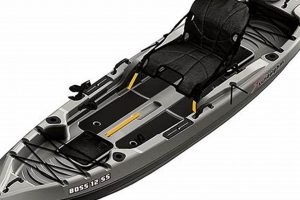
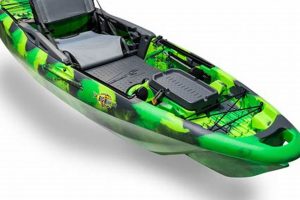
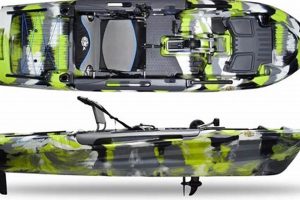
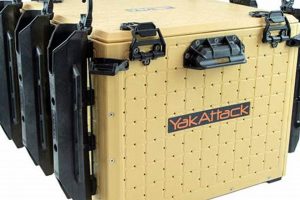
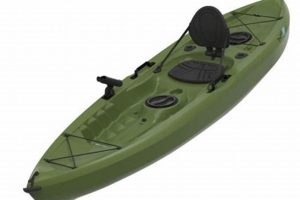
Specialized mounts designed for Hobie kayaks secure fishing rods, freeing hands for paddling, landing fish, and other on-the-water tasks. These mounts come in various configurations, including flush-mounted, adjustable, and rotating designs, often integrating with other accessories like fish finders and cameras.
Secure rod storage and hands-free fishing enhance angler safety and efficiency. This allows for quicker reactions to strikes, easier navigation, and the ability to manage multiple lines. The evolution of these specialized mounts reflects the growing popularity of kayak fishing and the demand for gear integration and improved ergonomics.
This discussion will further explore the types of mounts available, their compatibility with different Hobie kayak models, installation methods, and recommended accessories for a complete kayak fishing setup.
Tips for Optimized Rod Holder Usage
Maximizing the utility of kayak fishing accessories requires careful consideration of placement, compatibility, and fishing style. The following tips offer guidance for selecting and utilizing rod securing mechanisms effectively.
Tip 1: Consider Fishing Style: Anglers targeting different species or employing diverse techniques should select mounts appropriate for their needs. Trolling requires sturdy, adjustable holders, while fly fishing may benefit from rotating designs.
Tip 2: Prioritize Stability: Ensure chosen mounts provide a secure hold in various conditions. High-quality construction and proper installation prevent rod loss or damage during rough water or aggressive strikes.
Tip 3: Optimize Placement: Strategic positioning of rod holders maximizes accessibility and minimizes interference with paddling or other equipment. Consider reach, line tangling potential, and visibility when choosing mounting locations.
Tip 4: Check Compatibility: Verify compatibility between specific kayak models and chosen mounts. Some kayaks offer dedicated mounting points or require specific adapter kits.
Tip 5: Regularly Inspect Hardware: Saltwater environments can corrode metal components. Regular inspection and maintenance of mounts ensure long-term functionality and safety.
Tip 6: Utilize Accessories: Explore accessories that enhance functionality, such as extensions, leashes, and rod tip protectors. These additions can improve organization and prevent damage.
Tip 7: Practice Safe Handling: Always exercise caution when handling rods in a kayak. Avoid abrupt movements and ensure the kayak remains stable before retrieving or stowing equipment.
Careful consideration of these tips contributes to a safer, more efficient, and enjoyable kayak fishing experience. Properly secured rods allow anglers to focus on the sport, improving their chances of success.
By understanding the nuances of rod management in a kayak environment, anglers can fully appreciate the advantages these specialized accessories offer.
1. Secure Rod Storage

Secure rod storage is paramount in kayak fishing, directly influencing angler safety and equipment preservation. Specialized mounts designed for Hobie kayaks address this need by offering a dedicated and stable platform for rods. Without secure storage, rods are susceptible to damage from impacts, entanglement, or loss overboard, particularly in challenging conditions such as rough water or when navigating through tight spaces. For instance, an improperly secured rod could easily snag on overhanging branches or become dislodged during a sudden maneuver, leading to equipment damage or even posing a safety hazard to the angler. Hobie’s specialized designs, incorporating features like adjustable locking mechanisms and strategic mounting locations, mitigate these risks, allowing for confident navigation and focus on fishing.
The practical significance of secure rod storage extends beyond mere equipment protection. It contributes significantly to an efficient and enjoyable fishing experience. A readily accessible and securely held rod allows for swift reactions to strikes, minimizing lost opportunities. Furthermore, it reduces the cognitive load on the angler, freeing them from constant concern about rod security and allowing for greater focus on fishing technique and strategy. Consider a scenario where an angler encounters a school of actively feeding fish. Having rods readily available and secure allows for immediate engagement, maximizing the chances of a successful catch. Conversely, fumbling with unsecured rods wastes valuable time and can lead to missed opportunities.
In summary, secure rod storage, facilitated by specialized Hobie kayak mounts, forms a cornerstone of safe and effective kayak fishing. It safeguards valuable equipment, streamlines fishing practices, and ultimately contributes to a more rewarding experience on the water. While various rod storage solutions exist, Hobie’s focus on integration and stability underscores the importance of this aspect within their kayak fishing ecosystem. Investing in proper rod securing mechanisms is a crucial step for any Hobie kayak angler seeking to maximize both efficiency and enjoyment on the water.
2. Hands-Free Fishing

Hands-free fishing, facilitated by specialized rod holders, represents a significant advancement in kayak angling. It allows anglers to maintain control of their vessel while lines are in the water, enhancing safety and fishing effectiveness. This capability is particularly crucial in kayaks, where balance and maneuverability are paramount. Dedicated rod holders transform the kayak into a versatile fishing platform, expanding angling possibilities.
- Enhanced Safety:
Maintaining paddle control while fishing significantly enhances safety. In situations requiring quick maneuvering, such as navigating challenging currents or avoiding obstacles, having both hands available is essential. Specialized rod holders allow anglers to react swiftly to changing conditions, minimizing the risk of capsizing or collisions. For example, encountering unexpected waves or submerged debris necessitates immediate paddle adjustments, which are significantly hampered when hands are occupied managing fishing rods. Rod holders mitigate this risk, contributing to a safer on-the-water experience.
- Improved Fishing Techniques:
Hands-free fishing allows for more effective execution of various techniques. Trolling, for instance, becomes significantly more manageable with dedicated rod holders. They maintain rod position and orientation, optimizing lure presentation and allowing for consistent retrieval speeds. Similarly, when bottom fishing or drift fishing, rod holders provide a stable platform, enhancing sensitivity to bites and facilitating more effective hooksets. This ability to focus on technique, rather than simply holding the rod, translates to increased fishing success.
- Multi-Tasking Capabilities:
The ability to manage multiple rods or perform other tasks while fishing significantly enhances versatility. Anglers can monitor several lines simultaneously, increasing their chances of hooking fish. Furthermore, hands-free fishing allows for activities such as adjusting tackle, operating electronic devices, or landing a fish without compromising rod security. Consider a scenario where an angler hooks a fish while simultaneously needing to adjust their kayak’s position due to changing currents. Hands-free fishing allows them to manage both tasks effectively and efficiently.
- Reduced Fatigue:
Constantly holding a fishing rod, especially in challenging conditions, can lead to fatigue. Specialized rod holders alleviate this strain, allowing anglers to fish for extended periods without experiencing muscle fatigue in their arms and hands. This is particularly beneficial during long fishing trips or when targeting larger, more powerful fish. Reduced fatigue improves focus and reaction time, contributing to a more enjoyable and successful fishing experience.
The integration of hands-free fishing, enabled by Hobie’s specialized rod holders, fundamentally changes the dynamics of kayak angling. By addressing safety concerns, improving technique execution, and enhancing overall efficiency, these specialized mounts elevate the kayak fishing experience. The ability to maintain constant control of the kayak while simultaneously managing fishing lines represents a significant step forward in the evolution of this popular sport.
3. Enhanced Stability

Enhanced stability in kayak fishing is intrinsically linked to the strategic use of specialized rod holders. These accessories contribute to a more stable and balanced fishing platform, mitigating risks associated with weight distribution and unexpected movement. Understanding the interplay between rod placement and kayak stability is essential for anglers seeking to maximize both safety and fishing effectiveness. Improperly secured or positioned rods can compromise balance, increasing the likelihood of capsizing, particularly in dynamic fishing environments.
- Reduced Weight Shift:
Securing rods in dedicated holders minimizes weight shift during casting, retrieving, and fighting fish. This is crucial for maintaining balance, especially in smaller kayaks or when dealing with larger fish. When a rod is held manually, the angler’s movements and the fish’s struggles can create significant weight shifts, potentially destabilizing the kayak. Specialized holders distribute the weight more evenly, minimizing these disruptive forces and maintaining a stable center of gravity. This is especially important in situations involving sudden movements or changes in weight distribution, such as when a fish makes a strong run.
- Lower Center of Gravity:
Positioning rods closer to the deck of the kayak using specialized holders lowers the overall center of gravity. A lower center of gravity contributes to increased stability, making the kayak less prone to tipping. This is particularly beneficial in rough water conditions or when making quick maneuvers. By securing rods horizontally or at angles closer to the deck, the risk of capsizing due to high-centered weight is significantly reduced. This allows anglers to navigate more challenging conditions with increased confidence.
- Hands-Free Maneuvering:
Hands-free fishing, facilitated by rod holders, allows anglers to maintain a balanced paddling posture and make necessary adjustments quickly. In situations requiring rapid maneuvering, such as avoiding obstacles or navigating through tight spaces, having both hands available is crucial for stability. Without rod holders, anglers are forced to juggle their rods and paddles, compromising both balance and reaction time. This can be particularly dangerous in challenging conditions where rapid responses are required to maintain stability.
- Organized Gear:
Rod holders contribute to an organized cockpit, reducing the risk of entanglement and tripping hazards. A cluttered deck can interfere with paddling strokes and compromise balance. By securing rods in designated holders, the angler creates a clear and unobstructed workspace, minimizing the potential for accidents caused by loose gear shifting or interfering with movement. This organized environment contributes to a more stable and controlled fishing experience.
The enhanced stability provided by specialized rod holders directly translates to increased safety and fishing effectiveness. By minimizing weight shift, lowering the center of gravity, and freeing the angler’s hands for paddling and other tasks, these accessories contribute significantly to a more balanced and controlled kayak fishing experience. The ability to maintain stability in various conditions allows anglers to focus on fishing technique and react effectively to unexpected situations, ultimately enhancing both enjoyment and success on the water. This reinforces the crucial role of rod holders in maximizing the performance and safety aspects of Hobie kayaks specifically designed for fishing.
4. Improved Ergonomics

Improved ergonomics play a vital role in enhancing the kayak fishing experience, and specialized rod holders contribute significantly to this aspect. These holders allow for optimized rod placement and accessibility, reducing strain and promoting natural body posture during casting, retrieving, and fighting fish. Consider the strain on wrists and shoulders when holding a rod for extended periods, especially when battling strong currents or larger fish. Specialized holders alleviate this strain by supporting the rod’s weight, allowing for a more relaxed grip and reducing fatigue. This improved ergonomics translates to longer, more comfortable fishing sessions with reduced risk of musculoskeletal issues.
The design and adjustability features of these holders further enhance ergonomic benefits. Adjustable angles and positions accommodate different fishing styles and individual preferences, optimizing rod placement for maximum comfort and efficiency. For example, a trolling angler might prefer a higher rod angle for better visibility and line control, while a bottom fisherman might opt for a lower, more horizontal position. Adjustable holders cater to these diverse needs, ensuring optimal rod placement for each fishing scenario. Furthermore, the strategic placement of holders within the kayak’s cockpit minimizes awkward reaching and twisting, promoting natural body movements and reducing strain on the back and neck. This careful consideration of ergonomic principles enhances overall comfort and reduces the risk of injury.
The practical significance of improved ergonomics in kayak fishing extends beyond mere comfort. Reduced fatigue and strain allow for greater focus on fishing technique and improve reaction time, ultimately contributing to a more successful and enjoyable experience. Anglers can maintain concentration and react quickly to strikes without being hampered by discomfort or fatigue. Furthermore, improved ergonomics contribute to long-term health benefits by minimizing the risk of repetitive strain injuries and promoting proper posture. Investing in ergonomically designed rod holders is a crucial step for any kayak angler seeking to maximize both performance and long-term well-being on the water. This understanding emphasizes the crucial role of ergonomic design in optimizing the kayak fishing experience.
5. Multiple Configurations
The adaptability of Hobie kayak fishing rod holders stems from their multiple configurations, accommodating diverse fishing styles and preferences. Understanding these configurations is crucial for optimizing rod placement, maximizing fishing effectiveness, and ensuring angler comfort. Various mounting options, adjustable angles, and compatibility with different rod types contribute to a versatile and customizable fishing platform.
- Mounting Options:
Hobie kayaks offer various mounting options for rod holders, including flush-mounted, track-mounted, and surface-mounted solutions. Flush-mounted holders integrate seamlessly with the kayak’s deck, maximizing space and minimizing interference with paddling. Track-mounted systems offer flexibility in positioning, allowing anglers to adjust rod placement along the tracks. Surface-mounted holders provide a versatile option for adding rod holders to areas not equipped with dedicated mounting points. Choosing the right mounting option depends on the specific kayak model, fishing style, and desired level of customization.
- Adjustable Angles:
Many Hobie rod holders offer adjustable angles, allowing anglers to fine-tune rod position for optimal presentation and retrieval. Adjustability is crucial for techniques like trolling, where precise rod angles are essential for lure action and depth control. Furthermore, adjustable angles accommodate different rod lengths and fishing styles, ensuring comfortable and efficient rod handling. This flexibility allows anglers to adapt to changing conditions and fishing techniques without needing to reposition the entire holder.
- Rod Type Compatibility:
Hobie rod holders are designed to accommodate various rod types, including spinning, casting, and fly rods. The diameter and shape of the holder’s cradle influence its compatibility with different rod handles. Some holders feature adjustable cradles or inserts to accommodate a wider range of rod sizes. Ensuring compatibility between the rod holder and the intended rod type is crucial for secure rod storage and optimal performance. Using an incompatible holder can lead to rod slippage or damage.
- Integration with Other Accessories:
Hobie’s system allows for integration with other fishing accessories, such as fish finders, GPS units, and camera mounts. This integration streamlines workflows and maximizes deck space by combining multiple functions into a cohesive system. For example, mounting a fish finder near a rod holder allows anglers to monitor their lines and sonar readings simultaneously. This integrated approach enhances fishing efficiency and reduces clutter on the kayak’s deck.
The multiple configurations available for Hobie kayak fishing rod holders contribute significantly to their versatility and adaptability. By offering a range of mounting options, adjustable angles, and compatibility with various rod types and accessories, these holders empower anglers to create customized fishing setups tailored to their specific needs and preferences. This customization enhances fishing effectiveness, improves comfort, and promotes a more enjoyable experience on the water.
6. Accessory Integration
Accessory integration is a key feature of Hobie kayak fishing rod holders, contributing significantly to their versatility and functionality. The ability to seamlessly incorporate various fishing accessories enhances angling efficiency, optimizes deck space utilization, and creates a more streamlined and user-friendly fishing platform. This integration extends beyond simply holding rods, transforming the kayak into a highly adaptable and personalized fishing machine. Understanding the potential of accessory integration is crucial for maximizing the utility of Hobie kayak fishing systems.
- Fish Finder Integration
Integrating fish finders near rod holders allows anglers to monitor underwater structures and fish activity while simultaneously managing their lines. This proximity streamlines workflows and enhances situational awareness, enabling quicker reactions to fish movements and improving the chances of a successful hookup. For example, an angler trolling along a drop-off can observe real-time sonar readings while maintaining proper rod position and lure presentation. This integrated approach provides a comprehensive view of the underwater environment, crucial for making informed fishing decisions. Some Hobie models offer dedicated mounting points near rod holders specifically designed for fish finder installation, further enhancing this integration.
- GPS and Navigation Integration
Combining rod holders with GPS and navigation systems facilitates precise positioning and route planning while fishing. This is particularly beneficial for anglers targeting specific locations, such as reefs, wrecks, or drop-offs. By having navigational information readily available near their rods, anglers can maintain their desired position while focusing on fishing technique. This integration is crucial for efficient navigation and ensures anglers can return to productive fishing spots. Some Hobie kayaks offer integrated dashboards that accommodate both rod holders and GPS units, further streamlining this aspect of kayak fishing.
- Camera Mount Integration
Integrating camera mounts near rod holders allows for capturing memorable fishing moments and documenting catches. This setup provides convenient access for recording action shots and underwater footage without interfering with rod handling or other fishing activities. For instance, an angler can quickly grab their camera to document a fish striking a lure or to record the landing and release of a trophy catch. This integration adds another dimension to the kayak fishing experience, allowing anglers to share their adventures and preserve memories. Some Hobie kayaks offer specialized mounts that accommodate both rod holders and camera mounts, maximizing space and convenience.
- Storage and Organization Integration
Many Hobie rod holders integrate with storage compartments or tackle management systems. This allows for convenient access to essential gear, such as lures, hooks, and line, while maintaining a clean and organized cockpit. Keeping tackle and other accessories within easy reach minimizes clutter and enhances fishing efficiency. For example, an angler can quickly swap lures or adjust tackle without having to reach into a separate storage compartment or tackle box. This seamless integration of storage and rod placement streamlines workflows and contributes to a more enjoyable and productive fishing experience.
The integration of various accessories with Hobie kayak fishing rod holders transforms the kayak into a highly versatile and adaptable fishing platform. This integration enhances fishing effectiveness, improves organization, and contributes to a more enjoyable experience on the water. By thoughtfully combining essential fishing tools and technologies, Hobie kayaks provide anglers with a streamlined and efficient platform for pursuing their passion. This integrated approach underscores Hobie’s commitment to innovation and enhancing the kayak fishing experience.
Frequently Asked Questions
This section addresses common inquiries regarding specialized fishing rod mounts designed for Hobie kayaks. Clear and concise answers aim to provide a comprehensive understanding of their functionality, installation, and usage.
Question 1: Are these specialized mounts compatible with all Hobie kayak models?
Compatibility varies depending on the specific mount and kayak model. Consulting Hobie’s compatibility charts or authorized dealers is recommended to ensure proper fit and functionality.
Question 2: What materials are typically used in the construction of these mounts?
Common materials include marine-grade polymers, stainless steel, and aluminum. These materials offer durability and corrosion resistance in saltwater environments.
Question 3: How are these mounts typically installed on a Hobie kayak?
Installation methods vary depending on the mount and kayak model. Some utilize existing mounting points, while others require drilling and hardware installation. Following manufacturer instructions is crucial for proper and secure installation.
Question 4: Can these mounts accommodate different types of fishing rods?
Many mounts accommodate various rod types, including spinning, casting, and fly rods. However, it is essential to verify compatibility between the specific mount and intended rod type before purchase.
Question 5: What maintenance is recommended for these mounts?
Regular rinsing with fresh water after each use, especially in saltwater environments, helps prevent corrosion. Periodic inspection of hardware and tightening of bolts ensures long-term functionality and safety.
Question 6: Where can replacement parts be obtained if a component breaks or malfunctions?
Replacement parts are typically available through authorized Hobie dealers or directly from the manufacturer. Providing the specific model number of the mount facilitates efficient part identification.
Understanding these frequently asked questions provides a solid foundation for selecting and utilizing specialized rod mounts. Consulting official resources or authorized dealers addresses specific compatibility and installation inquiries.
The next section delves further into specific Hobie kayak models and their recommended rod mount configurations.
Hobie Kayak Fishing Rod Holders
Specialized fishing rod holders designed for Hobie kayaks offer significant advantages for anglers. Enhanced stability, improved ergonomics, and hands-free fishing contribute to both safety and fishing effectiveness. The multiple configurations available cater to diverse fishing styles and preferences, while integration with other accessories streamlines workflows and maximizes on-the-water efficiency. Careful consideration of mounting options, rod compatibility, and regular maintenance ensures long-term performance and enjoyment.
Investing in appropriate rod securing mechanisms elevates the kayak fishing experience. Strategic placement and proper utilization of these specialized accessories empower anglers to fully exploit the potential of their Hobie kayaks, maximizing both enjoyment and success on the water. Further exploration of specific Hobie models and compatible accessories will refine equipment choices based on individual fishing styles and preferences.