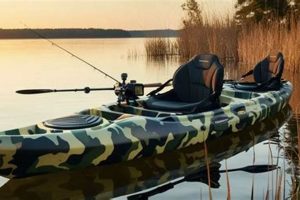
The practice of angling from a kayak in Portuguese waters offers a unique blend of sport and nature appreciation. This method allows for access to otherwise unreachable fishing grounds, including shallow estuaries, rocky coastlines, and offshore reefs, while providing a close-to-nature experience. Imagine casting a line near a secluded cove, surrounded by dramatic cliffs, or paddling amidst playful dolphins while seeking out pelagic game fish.
This activity provides an environmentally friendly way to engage with the rich biodiversity of Portugal’s aquatic ecosystems. It promotes low-impact fishing, requiring minimal equipment and fuel, and offering a quiet, non-intrusive approach that minimizes disturbance to marine life. The historical connection between the Portuguese people and the sea underscores the significance of this approach, blending traditional fishing heritage with modern eco-conscious practices.
This exploration will delve into specific locations renowned for their excellent paddling and fishing opportunities, discuss the various species anglers can target, highlight appropriate gear and techniques, and emphasize the importance of sustainable fishing practices. It will also offer insights into local regulations, safety considerations, and the rich cultural context surrounding this evolving recreational pursuit.
Tips for Kayak Angling in Portugal
Successful angling from a kayak in Portuguese waters requires careful planning and preparation. The following tips offer guidance for a safe and rewarding experience.
Tip 1: Research Local Regulations. Understanding licensing requirements and catch limits is crucial for responsible fishing. Regulations may vary by region and species, so thorough research is essential before embarking on any fishing trip.
Tip 2: Choose the Right Kayak. Select a kayak designed for stability and appropriate for the intended fishing environment. Sit-on-top kayaks offer advantages in warmer climates, while sit-inside kayaks provide more protection in cooler conditions. Consider factors such as storage capacity, maneuverability, and comfort.
Tip 3: Prioritize Safety Equipment. A personal flotation device (PFD) is mandatory, and carrying a whistle, signaling mirror, and VHF radio enhances safety. Inform someone of your intended fishing location and estimated return time.
Tip 4: Plan for Weather Conditions. Check marine forecasts before heading out and be prepared for changing conditions. Wind, tides, and currents can significantly impact kayak handling and safety.
Tip 5: Pack Essential Gear. Carry appropriate fishing tackle, including rods, reels, lines, lures, and bait suitable for targeted species. A basic toolkit, first-aid kit, and hydration pack are also recommended.
Tip 6: Employ Proper Kayaking Techniques. Practice paddling and maneuvering the kayak efficiently and safely. Understanding how to handle the kayak in various conditions, including wind and waves, is crucial.
Tip 7: Respect the Environment. Practice catch-and-release whenever possible and minimize environmental impact. Properly dispose of fishing line and other waste materials.
By following these guidelines, anglers can maximize their chances of a successful and enjoyable experience while contributing to the preservation of Portugal’s marine ecosystems.
These practical tips, combined with a respect for the environment, will ensure a positive contribution to the ongoing legacy of angling in Portugal.
1. Location Selection

Strategic location selection is paramount for successful kayak fishing in Portugal. The diverse coastline presents a range of environments, each offering unique opportunities and challenges. Careful consideration of factors such as target species, water conditions, and accessibility is crucial for maximizing the angling experience.
- Target Species
Different species inhabit specific areas. Nearshore reefs may hold sea bream and bass, while deeper offshore waters attract pelagic fish like tuna. Estuaries offer calmer conditions and species such as seabass. Understanding the habitat preferences of target species informs location choices.
- Water Conditions
Sea conditions, including tides, currents, and wind, significantly impact kayak handling and fishing success. Sheltered bays and estuaries provide calmer waters suitable for beginners, while experienced anglers might venture to more exposed areas with stronger currents. Assessing prevailing conditions is crucial for safety and effective fishing.
- Accessibility
Launch points and access to fishing grounds vary considerably along the Portuguese coast. Some locations offer convenient slipways and established kayak launch areas, while others require more challenging entries and exits. Considering logistical aspects ensures a smooth and enjoyable experience.
- Local Regulations
Designated marine protected areas and specific fishing restrictions exist within Portuguese waters. Researching local regulations and adhering to these guidelines is essential for responsible angling and conservation efforts. Awareness of permitted fishing zones and any seasonal closures prevents unintentional violations and promotes sustainable practices.
By carefully evaluating these factors and choosing locations aligned with individual skill levels, target species, and desired fishing experience, anglers can maximize their chances of success and contribute to the preservation of Portugal’s valuable marine resources. Informed location selection enhances not only the fishing experience but also fosters a responsible approach to enjoying this unique coastal environment.
2. Species Targeted
The diverse marine ecosystems of Portugal offer kayak anglers a wide array of target species. Understanding the behavior, habitat preferences, and seasonal availability of these species is crucial for a successful fishing experience. Selecting appropriate gear and techniques based on the targeted species enhances the likelihood of a productive and rewarding outing.
- Nearshore Species
Species such as sea bream, sea bass, and gilt-head bream inhabit the rocky coastlines and nearshore reefs. These areas, easily accessible by kayak, offer ample opportunities for light tackle and lure fishing. Knowledge of tidal flows and bottom structure enhances success in targeting these species.
- Pelagic Species
Venturing further offshore presents opportunities for pursuing pelagic fish such as tuna, mackerel, and bonito. These species often require specialized tackle and techniques, including trolling and jigging. Kayak anglers targeting pelagic species should possess strong paddling skills and navigational awareness due to the increased distances and potential challenging conditions.
- Estuarine Species
The calmer waters of Portugal’s estuaries provide habitat for species like flounder, mullet, and sea bass. Kayak fishing in estuaries allows for a more relaxed approach, often involving lighter tackle and bait fishing. Understanding tidal influences and the movement of baitfish within the estuary system significantly improves catch rates.
- Cephalopods
Squid and cuttlefish represent another angling opportunity in Portuguese waters. These cephalopods are often targeted using specialized jigs and techniques. Kayak fishing offers a unique advantage in targeting these species due to the stealth and maneuverability it provides, allowing anglers to access shallow, rocky areas where cephalopods often congregate.
The choice of target species significantly influences the overall kayak fishing experience in Portugal. From the calm waters of estuaries to the open ocean, the diverse range of species available presents anglers with varied challenges and rewards. Matching fishing techniques and location selection to the specific target species maximizes the chances of a successful and enjoyable angling adventure while appreciating the rich biodiversity of Portuguese waters.
3. Kayak Choice

Kayak selection significantly impacts the experience and success of kayak fishing in Portugal. The diverse aquatic environments, ranging from calm estuaries to the open Atlantic, necessitate careful consideration of kayak characteristics. Stability, maneuverability, storage capacity, and comfort influence an angler’s ability to navigate specific locations, target particular species, and manage fishing gear effectively. Choosing an unsuitable kayak can compromise safety and limit access to prime fishing grounds.
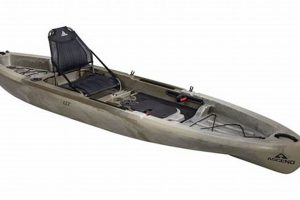
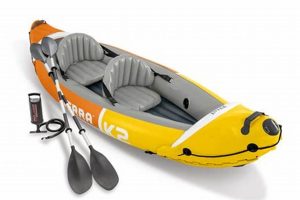
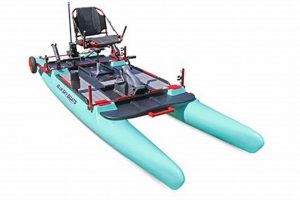
For example, a shorter, wider kayak offers enhanced stability in sheltered bays and estuaries, ideal for targeting sea bream or sea bass. However, this design may prove less efficient for covering longer distances required to reach offshore reefs or pursue pelagic species like tuna. Conversely, a longer, narrower kayak provides greater speed and tracking, beneficial for offshore excursions, but may sacrifice stability in rougher conditions or when battling larger fish. Specialized fishing kayaks often feature built-in rod holders, storage compartments, and anchor trolleys, enhancing functionality and organization. Inflatable kayaks offer portability and convenience, particularly for anglers with limited storage or transportation options, but may compromise performance in challenging sea conditions.
Ultimately, the optimal kayak choice depends on individual needs and the intended fishing style. Evaluating the target species, preferred fishing locations, and personal paddling experience informs the selection process. Prioritizing stability over speed proves advantageous for nearshore fishing in calmer waters, whereas anglers targeting larger, more powerful species offshore benefit from a kayak designed for speed and tracking. Careful consideration of these factors ensures a safe, productive, and enjoyable kayak fishing experience in Portugal’s diverse waters. Choosing a kayak suited to the specific environment and angling goals maximizes access to prime fishing grounds and contributes to a successful and fulfilling outing.
4. Essential Gear

Appropriate gear selection significantly influences safety and success in kayak fishing within Portuguese waters. The unique demands of this activity, combining paddling and angling in diverse environments, necessitate specialized equipment beyond standard fishing tackle. Careful consideration of essential gear ensures preparedness for varied conditions, enhances fishing effectiveness, and prioritizes angler safety.
- Personal Flotation Device (PFD)
A properly fitted PFD is paramount for safety in any kayak fishing environment. Portuguese waters, while offering diverse angling opportunities, can present unpredictable conditions. A PFD provides essential buoyancy in the event of capsize, increasing survival chances. Selecting a PFD designed for paddling allows for comfortable movement and casting while providing adequate flotation.
- Paddle and Leash
A high-quality paddle, appropriate for the angler’s height and kayak type, ensures efficient propulsion and maneuverability. A paddle leash prevents loss in the event of a capsize, a crucial safety consideration, particularly in strong currents or offshore locations. Choosing a lightweight yet durable paddle minimizes fatigue during long paddling sessions, allowing anglers to focus on fishing.
- Fishing Tackle
Rods, reels, lines, lures, and terminal tackle should be selected based on the target species and fishing environment. Lighter tackle suits nearshore fishing for species like sea bream, while heavier gear is necessary for offshore pursuits of larger pelagic fish. Ensuring compatibility between rod, reel, and line weight optimizes performance and increases the chances of landing desired species.
- Safety and Communication Equipment
Essential safety gear includes a whistle, signaling mirror, waterproof VHF radio, and a first-aid kit. These items prove crucial in emergencies, allowing for communication and assistance summoning. A waterproof GPS and chart plotter aids navigation, particularly in unfamiliar waters or challenging conditions. Informing someone ashore of the intended fishing location and estimated return time adds another layer of safety.
The thoughtful selection and proper utilization of essential gear directly contributes to a safe and successful kayak fishing experience in Portugal. Prioritizing safety equipment alongside appropriate fishing tackle allows anglers to confidently explore diverse fishing grounds while mitigating potential risks. Adequate preparation enhances the enjoyment and productivity of each outing, contributing to a positive and responsible engagement with Portugal’s rich aquatic ecosystems.
5. Safety Procedures
Safeguarding angler well-being is paramount in kayak fishing, particularly in the dynamic coastal environments of Portugal. Implementing comprehensive safety procedures mitigates inherent risks associated with open water activities, allowing for a focused and enjoyable fishing experience. Understanding and adhering to established safety protocols ensures preparedness for unforeseen circumstances and fosters a responsible approach to this demanding pursuit.
- Pre-Trip Planning
Thorough pre-trip planning forms the foundation of safe kayak fishing practice. Checking marine weather forecasts, including wind speed, wave height, and tidal currents, informs decisions regarding launch location and route planning. Informing someone ashore of the intended fishing area and estimated return time establishes a crucial communication link in case of emergencies. Assessing personal fitness levels and paddling experience relative to anticipated conditions prevents overexertion and ensures realistic self-assessment.
- Essential Safety Equipment
Carrying essential safety equipment is non-negotiable. A properly fitted personal flotation device (PFD) is mandatory and provides crucial buoyancy in case of capsize. A VHF radio enables direct communication with maritime authorities and other vessels, facilitating rapid response in emergencies. Visual signaling devices, such as a whistle and signaling mirror, enhance visibility and aid location efforts in distress situations. A well-stocked first-aid kit addresses minor injuries and provides essential supplies until professional medical assistance is available.
- On-Water Awareness
Maintaining constant on-water awareness is critical for safe kayak fishing. Observing changing weather conditions and adapting plans accordingly mitigates risks associated with deteriorating environments. Maintaining a safe distance from other vessels and navigating established shipping lanes prevents collisions and ensures predictable vessel traffic flow. Understanding local regulations regarding fishing zones and marine protected areas ensures compliance and promotes responsible environmental stewardship.
- Capsize Recovery Procedures
Knowing and practicing capsize recovery procedures enhances preparedness for unexpected events. Re-entering a kayak in open water presents specific challenges, exacerbated by sea conditions and potential entanglement with fishing gear. Regular practice in calm, controlled environments builds confidence and proficiency, enabling efficient self-rescue or assisted recovery in genuine capsize situations. Familiarization with kayak-specific recovery techniques, including re-entry and roll methods, equips anglers with essential skills to manage this potentially hazardous scenario.
Integrating these safety procedures into every kayak fishing excursion in Portugal establishes a culture of preparedness and risk mitigation. Prioritizing safety enhances angler confidence, allowing for a more focused and enjoyable experience on the water. Adhering to these practices contributes to a responsible and sustainable approach to kayak fishing, ensuring both personal well-being and the preservation of Portugal’s valuable coastal ecosystems.
6. Local Regulations
Adherence to local regulations is essential for responsible kayak fishing in Portugal. These regulations aim to preserve marine ecosystems, ensure sustainable fishing practices, and maintain safety standards. Understanding and complying with these rules contributes to the long-term health of fish populations and the overall enjoyment of the recreational activity.
- Licensing Requirements
Fishing licenses are often required for angling in Portuguese waters. Specific license types may exist depending on the target species, fishing location (e.g., freshwater vs. saltwater), and angler residency status. Acquiring the correct license before embarking on a fishing trip ensures compliance and avoids potential penalties. Information regarding licensing requirements is typically available through local authorities or designated agencies responsible for managing fisheries.
- Catch Limits and Size Restrictions
Regulations frequently stipulate catch limits per angler, per species, and per day. These limits aim to prevent overfishing and maintain healthy fish populations. Size restrictions, dictating minimum and sometimes maximum allowable sizes for harvested fish, protect juvenile and breeding populations, ensuring long-term sustainability. Adhering to these regulations demonstrates responsible angling practice and contributes to the conservation of local fish stocks.
- Designated Fishing Zones and Protected Areas
Certain areas may be designated as no-fishing zones or marine protected areas to safeguard sensitive habitats and vulnerable species. These zones might be seasonally restricted or permanently closed to fishing activities. Understanding and respecting these designations preserves biodiversity and ensures the long-term health of the marine environment. Detailed information regarding restricted areas is usually available through official channels, including nautical charts and local maritime authorities.
- Equipment Restrictions
Regulations might restrict specific fishing gear types or methods to minimize environmental impact or protect particular species. For example, limitations on net fishing or specific hook types may exist in certain areas. Adhering to these equipment restrictions ensures compliance and promotes sustainable fishing practices. Researching local regulations specific to the intended fishing location provides clarity on permissible gear and techniques.
Compliance with local regulations contributes significantly to the sustainability of kayak fishing in Portugal. Respecting these rules ensures the preservation of marine resources for future generations and fosters a culture of responsible angling. By understanding and adhering to established guidelines, kayak anglers actively participate in safeguarding the ecological integrity of Portuguese waters while enjoying a rewarding recreational experience.
7. Sustainable Practices

Sustainable practices are integral to preserving the ecological integrity of Portugal’s coastal ecosystems and ensuring the longevity of kayak fishing opportunities. Integrating environmentally conscious approaches into every aspect of this activity, from gear selection to fish handling, minimizes the impact on marine life and habitats. Adopting a sustainable mindset safeguards the delicate balance of these environments, allowing future generations to experience the unique rewards of kayak fishing in Portugal.
- Minimizing Environmental Impact
Kayak fishing, by its nature, offers a low-impact approach compared to motorized fishing. However, further minimizing impact requires conscious effort. Proper waste disposal, including fishing line and packaging, prevents pollution and entanglement hazards for marine life. Avoiding anchoring in sensitive habitats, such as seagrass beds or coral reefs, protects these vulnerable ecosystems. Practicing “leave no trace” principles ensures that fishing locations remain pristine for future use.
- Responsible Fish Handling
Careful fish handling minimizes stress and injury to captured fish, particularly when practicing catch-and-release. Using appropriate hooks and de-hooking tools reduces tissue damage. Minimizing handling time and keeping fish submerged in water whenever possible maintains oxygen levels and reduces physiological stress. Properly reviving exhausted fish before release increases their survival chances and contributes to healthy fish populations.
- Selective Harvesting
Selective harvesting involves targeting specific species and sizes while adhering to catch limits and regulations. This approach avoids unnecessary bycatch, minimizing unintended impact on non-target species. Respecting size restrictions allows juvenile fish to reach maturity and contribute to the breeding population. Practicing catch-and-release when appropriate further supports healthy fish stocks and preserves the long-term viability of the fishery.
- Gear and Equipment Choices
Sustainable practices extend to gear selection. Using biodegradable fishing lines and lures minimizes long-term environmental pollution. Opting for lead-free tackle eliminates the risk of lead contamination in aquatic ecosystems. Supporting manufacturers committed to sustainable production practices promotes environmentally responsible manufacturing processes within the fishing industry.
Integrating these sustainable practices into kayak fishing in Portugal ensures the continued health and accessibility of this valuable resource. Responsible angling not only benefits the environment but also enhances the overall fishing experience, fostering a deeper appreciation for the delicate balance within these unique coastal ecosystems. By prioritizing sustainability, kayak anglers actively contribute to the preservation of Portugal’s marine biodiversity and the future of this rewarding recreational pursuit.
Frequently Asked Questions
This section addresses common inquiries regarding kayak fishing in Portugal, providing concise and informative responses to facilitate informed decision-making and enhance the overall angling experience.
Question 1: What are the licensing requirements for kayak fishing in Portugal?
Licensing requirements vary depending on factors such as fishing location (freshwater vs. saltwater), targeted species, and angler residency status. Consulting local authorities or designated fishing agencies provides specific details regarding necessary licenses and permits.
Question 2: Where are recommended locations for kayak fishing in Portugal?
Portugal offers diverse kayak fishing locations, each with unique characteristics. The Algarve coastline, Azores archipelago, and Lisbon area provide excellent opportunities. Specific location choices depend on targeted species and angler experience levels. Researching local resources and consulting experienced anglers can inform location selection.
Question 3: What type of kayak is best suited for fishing in Portuguese waters?
Kayak choice depends on intended fishing locations and target species. Stable, shorter kayaks are suitable for calmer inshore waters, while longer, more maneuverable kayaks are better for offshore excursions. Specialized fishing kayaks often feature built-in rod holders and storage compartments, enhancing convenience and functionality.
Question 4: What essential safety precautions should one take when kayak fishing in Portugal?
Prioritizing safety is paramount. Wearing a personal flotation device (PFD), carrying communication equipment (VHF radio, whistle, signaling mirror), checking weather forecasts before embarking, and informing someone of intended fishing locations and return times are crucial safety measures.
Question 5: What species can one typically target while kayak fishing in Portugal?
Portugal’s waters offer a diverse range of species. Nearshore species include sea bream, sea bass, and gilt-head bream. Offshore opportunities exist for targeting pelagic fish such as tuna, mackerel, and bonito. Estuaries provide habitats for flounder, mullet, and other species.
Question 6: What are the recommended fishing techniques for kayak angling in Portugal?
Effective techniques vary based on target species and location. Common methods include light tackle fishing, lure fishing, trolling, and jigging. Local anglers and fishing guides offer valuable insights into successful techniques specific to the region and desired species.
Understanding local regulations, prioritizing safety, and employing sustainable fishing practices contribute significantly to a positive and rewarding kayak fishing experience in Portugal. Thorough preparation and informed decision-making enhance both angler enjoyment and the preservation of Portugal’s valuable marine resources.
For further information regarding specific locations, species, or techniques, consult regional fishing guides or contact local angling associations.
Kayak Fishing Portugal
Exploration of kayak fishing in Portugal reveals a unique intersection of recreational pursuit and environmental stewardship. Analysis of location selection, species targeting, kayak choice, essential gear, safety procedures, local regulations, and sustainable practices underscores the multifaceted nature of this activity. Strategic planning and informed decision-making are crucial for maximizing both angler enjoyment and the long-term health of Portugal’s aquatic ecosystems.
The evolving landscape of kayak fishing in Portugal presents both opportunities and responsibilities. Continued emphasis on sustainable practices and responsible angling ensures the preservation of this valuable resource for future generations. Through informed engagement and a commitment to conservation, the enriching experience of kayak fishing in Portugal can thrive while safeguarding the ecological integrity of its diverse marine environments.